
Hello again, horse lovers! Let’s talk about two of the cutest little equine friends you could meet: Shetland pony vs miniature horse. These pint-sized beauties are absolute favorites for their teeny-tiny sizes, but don’t let their similar statures fool you – they’re quite different once you get to know them!
Shetland ponies come from the cool, rugged Shetland Isles up in Scotland. These little guys are tough cookies, having adapted to some pretty rough weather. They’re usually about 28 to 42 inches tall and tip the scales at around 400 to 450 pounds. With their fluffy manes, cozy coats, and sturdy bodies, they’re the perfect example of nature’s knack for helping critters thrive in challenging places.
Now, miniature horses are a different story. These little equines are designed to be just like their bigger horse pals but in a much more compact package. They aim to keep all the grace and beauty of standard horses, just scaled down. They stand a smidge taller than Shetland ponies, usually between 32 to 38 inches, and they’re lighter too, weighing in at 150 to 300 pounds. Plus, they come in all sorts of snazzy colors and patterns!
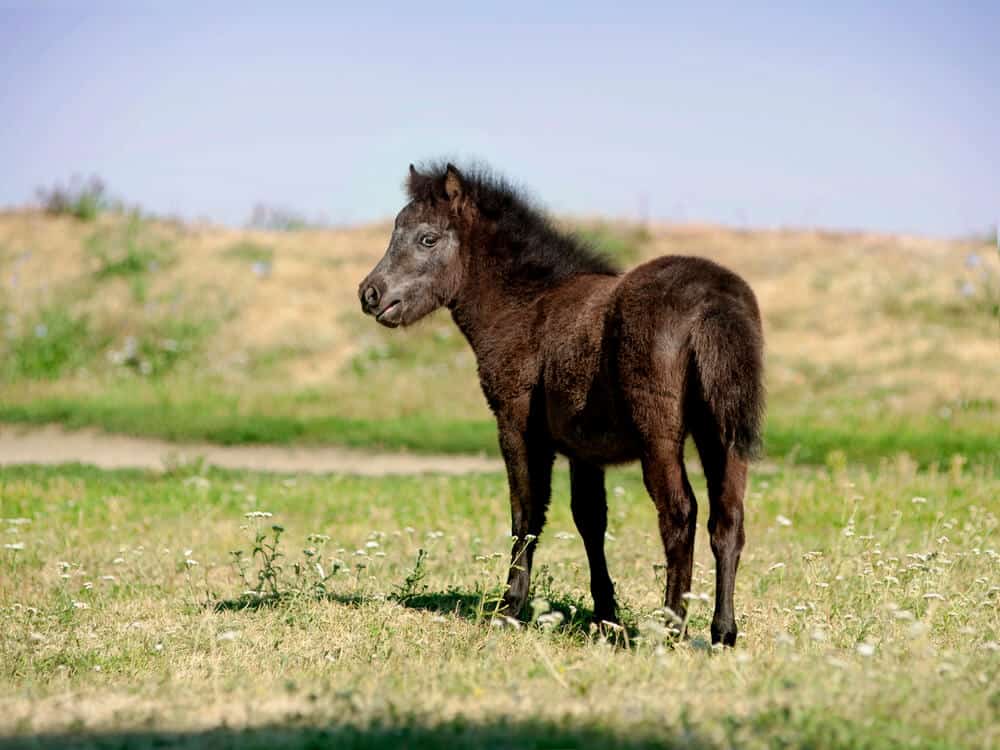
European Miniature Horse
But there’s more to these breeds than just looks. Their health care, personalities, and how they fit into our lives are all unique. That’s why it’s super important for anyone thinking about bringing one of these adorable equines into their family to understand these differences. It’s all about making sure these animals get the love and care they deserve, tailored to their one-of-a-kind natures. In this blog post, I go into a fair bit of detail comparing these beauties and a little about their background. So come on and join me!
Historical Background
Exploring the historical background of the Shetland Pony and the Miniature Horse reveals how these breeds have evolved over time and adjusted to human society.
Origins of Shetland Ponies
Shetland Ponies, native to the harsh and rugged terrain of the Shetland Isles, have a history that connects them deeply to the Bronze Age. Their stout physique and resilient nature are attributed to the challenges of their environment. Shetland Ponies were initially used for pulling carts, ploughing farmland, and carrying peat from the bogs to home. The breed was also employed in coal mines due to their small size and strong build.
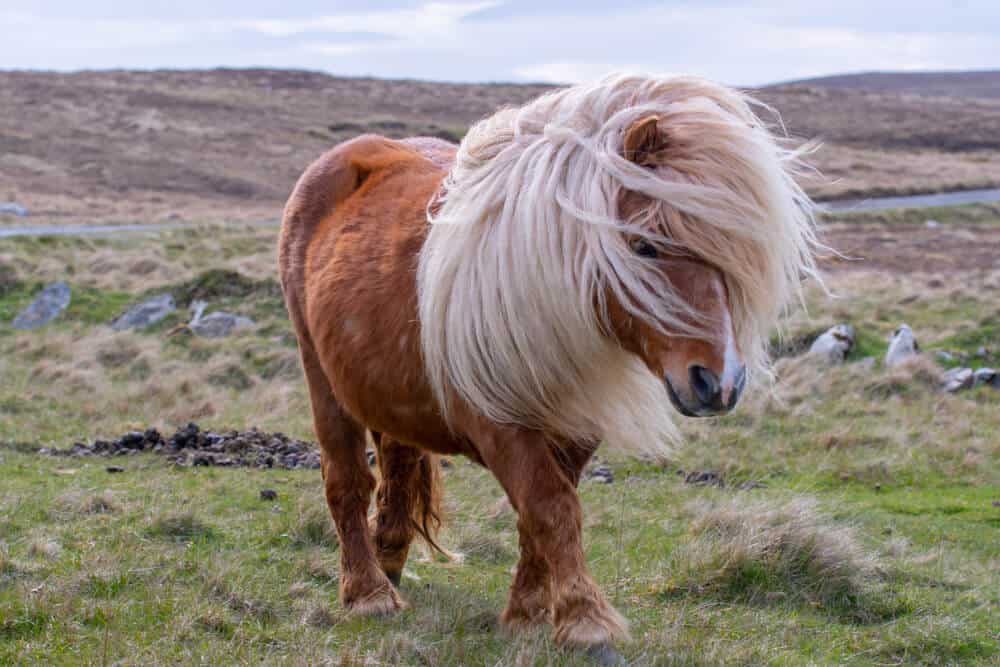
Shetland Pony on Scottish Moor
Development of Miniature Horses
American Miniature Horses, on the other hand, have a more varied history that includes influences from several horse breeds around the world. Although they resemble their larger horse counterparts, Miniature Horses were bred for different purposes, from being pets of nobility to working in coal mines where their size was advantageous. The recognition of the breed was formalized with the establishment of the American Miniature Horse Association and the American Miniature Horse Registry. The American Shetland Pony Club also includes divisions for American Miniature Horses, indicating their growing popularity and organized breeding practices.

Breed Characteristics
When considering Shetland ponies and miniature horses, one must pay close attention to their distinctive physical features and behavioural aspects which are defining elements of their breeds.
Physical Features
Shetland Pony:
- Size: They stand between 71 to 107 centimetres (28 to 42 inches) tall.
- Body: Shetland ponies possess a robust build with short backs, strong legs, and a small head.
- Coat: They have thicker coats that provide insulation against harsh climates.
- Breed Standard: Recognised for their muscular bodies typical of draft horses, they are well-equipped for carrying heavy loads despite their small stature.
Miniature Horse:
- Size: These horses generally measure between 76 to 97 centimetres (30 to 38 inches) in height.
- Body: They showcase a more refined build with proportionally longer necks and straight legs.
- Coat: Their coats are less dense as they are not typically bred for extreme weather conditions.
- Breed Standard: A miniature horse has a well-defined physique with a shorter neck and larger head compared to the more flexible neck and smaller head of the Shetland pony.
Behaviour and Temperament
Shetland Pony:
- Known for their gentle nature, Shetland ponies are friendly and intelligent, which makes them suitable for children and equine therapy.
- They are hardy animals accustomed to surviving in challenging environments, leading to a strong and resilient temperament.
Miniature Horse:
- Miniature horses radiate a gentle and docile temperament, making them excellent companions and often part of therapeutic settings.
- Their friendly personalities coupled with their small size and graceful movement appeal to a variety of horse enthusiasts.
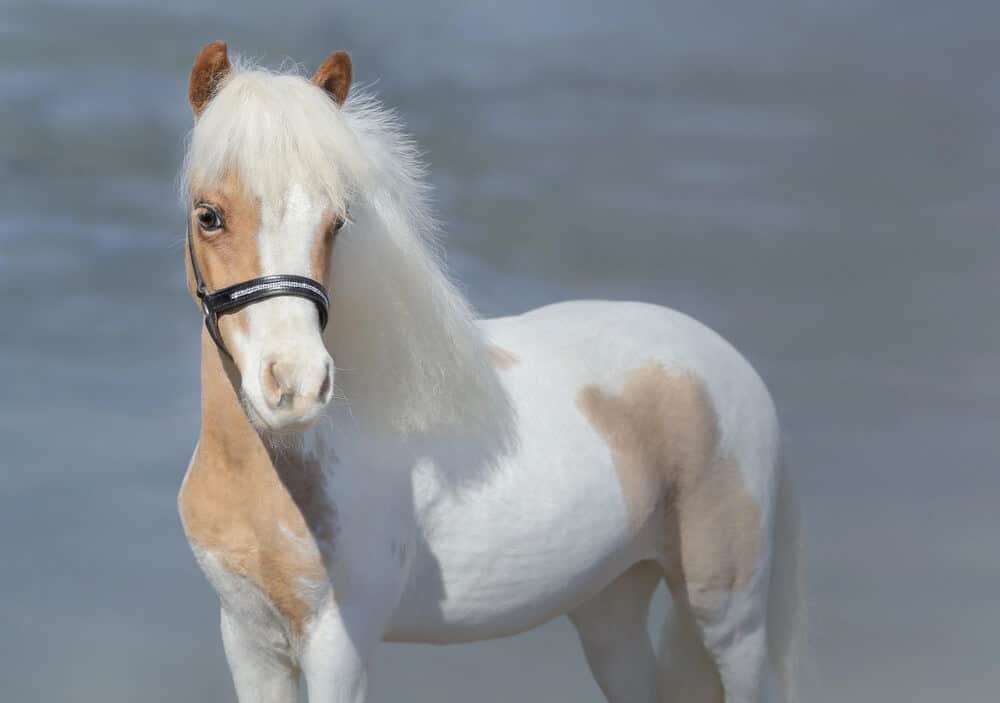
Paint American Miniature Horse
Size Comparisons
When determining size in equines, both height and weight are critical factors that distinguish Shetland ponies from miniature horses.
Height and Weight
| Shetland Pony | Miniature Horse | |
|---|---|---|
| Height | 28 to 42 inches | 30 to 38 inches |
| Weight | 400 to 450 pounds | 150 to 300 pounds |
Shetland ponies are robust, small ponies with a height range of 28 to 42 inches. These ponies are quite stocky, with weights generally falling between 400 and 450 pounds. On the other hand, miniature horses, which are a much smaller scale breed when compared to full-sized horses such as quarter horses, typically stand at 30 to 38 inches tall and weigh between 150 and 300 pounds.
Adult Size Variations
Among horse breeds, there exists a spectrum of sizes. Larger horses like quarter horses can exceed 14.2 hands in height. However, Shetland ponies, despite being small equines, still maintain their pony classification throughout their lives because they do not exceed the maximum height of 42 inches. Miniature horses, while similar in height to small Shetland ponies, are bred to resemble a smaller version of larger horses with a more refined build. They are known for being one of the smallest horse breeds, with even miniature Shetlands being bred on a much smaller scale than their standard counterparts.
Roles and Uses
In assessing the roles and uses of Shetland ponies and miniature horses, one will find that both equines have served humans historically in various capacities and continue to adapt to contemporary needs with charm and versatility.
Traditional and Historical Uses
Shetland ponies were historically known as pit ponies, invaluable during the Industrial Revolution. They toiled in coal mines, pulling carts and moving heavy equipment due to their strength relative to their size. Despite their small stature, they could carry nearly their own weight, making them instrumental outdoor workers in harsh conditions.

Shetland Pony
Miniature horses, though not commonly used in such industrial tasks, served as companion animals for nobility and were often seen parading in the show ring. Their small size did not confine them to mere ornamental status; they provided a means of amusement and were a symbol of wealth.
Contemporary Uses
Today, Shetland ponies and miniature horses have transitioned from intensive labour to more engaging roles. They often participate in performance classes in equestrian sports, demonstrating their agility and training, a testament to their adaptability and intelligence.
Their gentle nature has made them popular therapy animals, offering comfort and emotional support to people in hospitals, nursing homes, and therapy programmes. They are not only companion animals but also healers in their own right.
Both breeds are utilised in farm work, though to a lesser extent than in historical times. They can be found pulling small carts and participating in community activities, where they often capture hearts with their endearing presence.
Care and Maintenance
Proper care and maintenance of Shetland ponies and miniature horses are vital to ensure their well-being throughout their entire life. They require less food compared to their full-size counterparts, but a well-balanced diet and regular medical attention are crucial.
Dietary Needs
Shetland ponies and miniature horses generally need a diet that is lower in calories but still rich in nutrients. Due to their size, they necessitate less food, making it vital to avoid overfeeding to prevent obesity.
- Shetland Ponies:
- Hay: High-quality hay should constitute the majority of their diet, supplemented with a vitamin and mineral balancer.
- Concentrates: Given sparingly, especially for those that are not very active.
- Miniature Horses:
- Pasture: Access to pasture should be limited and monitored.
- Feed: Commercial feeds specifically designed for miniature horses can help meet nutritional needs without excess calories.
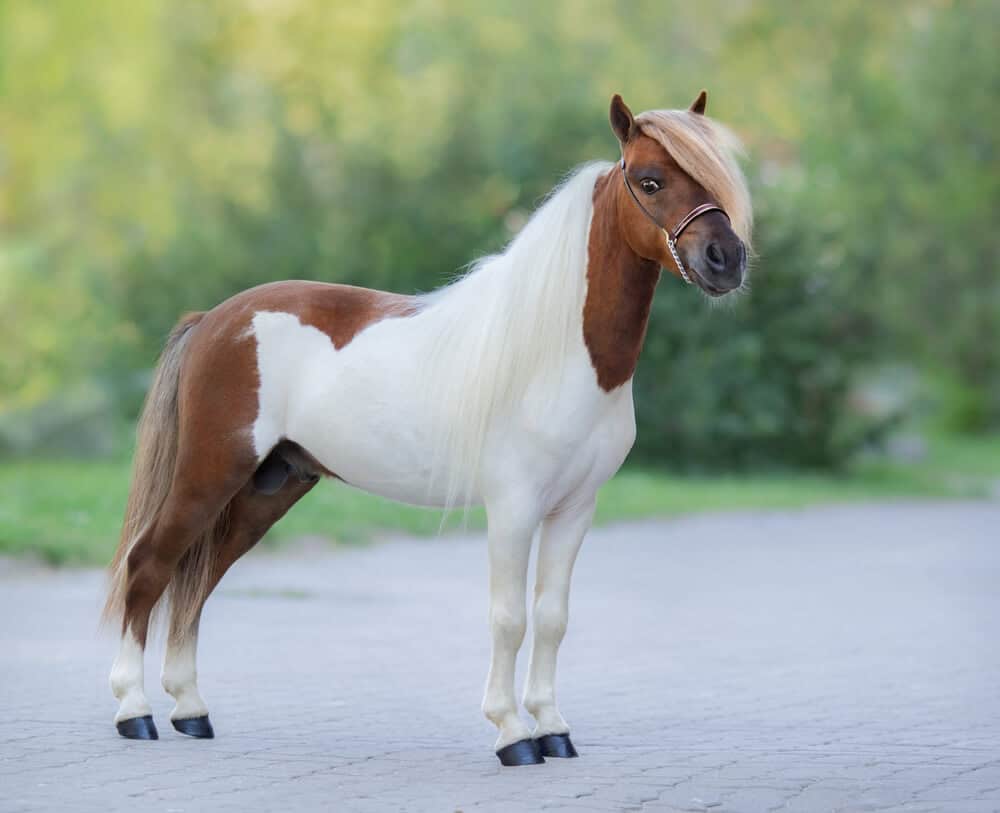
Skewbald American Miniature Horse
Health and Wellness
Regular health checks are key to identifying and treating any potential health issues that Shetland ponies and miniature horses could face.
- Vaccinations and Deworming: Both breeds require regular vaccinations and deworming schedules as recommended by a vet.
- Dental Care: Equine dentistry is important; tooth problems can lead to poor nutrient absorption and health issues.
- Hoof Care: Regular trimming and proper hoof care prevent lameness and discomfort.
- Weight Monitoring: Maintaining an appropriate weight is critical; obesity can lead to metabolic disorders and other health problems.
- Seasonal Precautions: Conditions like laminitis often occur during lush grass growth in spring and autumn. It’s important to monitor grazing and manage diet carefully during these seasons to reduce risk and support effective laminitis treatment (or similar treatments) if symptoms arise.
Breeding and Genetics
In understanding the distinct characteristics of Shetland ponies and miniature horses, a closer look at their breeding patterns and genetic makeup is essential.
Genetic Traits
Shetland ponies and miniature horses are both governed by a complex interaction of various genetic traits. Notably, specific breed-related genes play a vital role in defining size, coat colour, and the prevalence of health issues. For example, dominant white variants, which can lead to white patches, are recorded in many different breeds of horses and sometimes in ponies. Despite differences in overall size, it’s not uncommon for the smallest ponies to exhibit a majority of the white patterning variants, just as in larger equine breeds.
Breed Conservancy
Breed conservancy efforts are focused on maintaining the purity and health of each breed. Shetland ponies, initially from the Shetland Islands, are one of the different breeds of horses that have been selectively bred for hardiness and resilience, traits that once helped them survive in challenging environments. On the other hand, miniature horses, developed through selected breeding, aim to reflect a small-scale version of a horse, keeping horse-like proportions, unlike the typical pony phenotype.
Both Shetland ponies and miniature horses have become popular among young children for equestrian activities due to their smaller size and generally gentle temperament. These breeds are often part of breeding and conservancy programs that not only ensure their survival but also manage their genetic diversity and characteristics carefully.
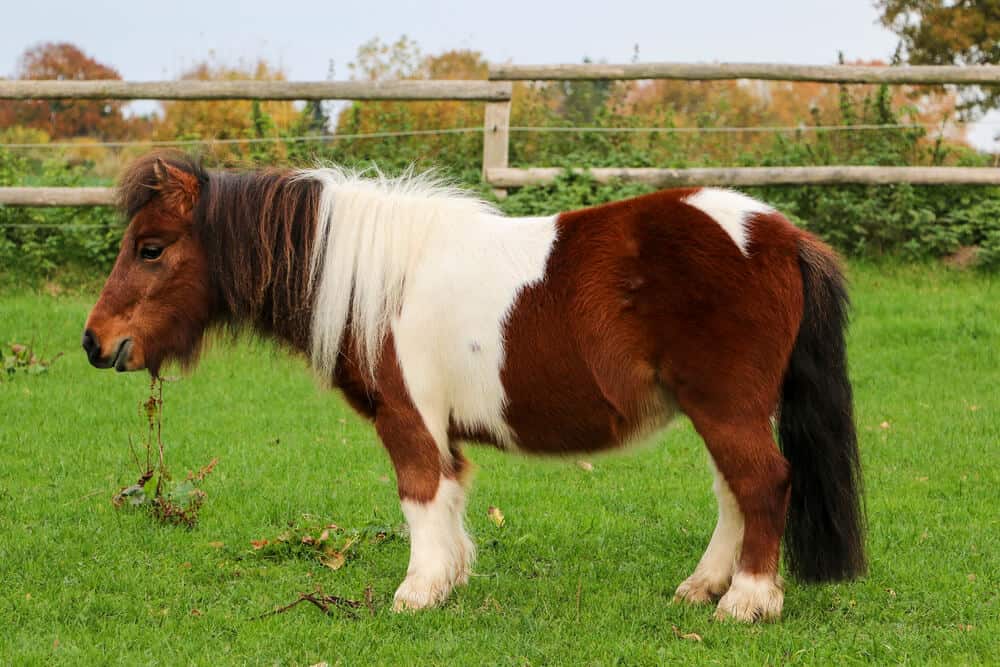
Shetland Pony
Cultural Impact
The cultural impact of Shetland ponies and miniature horses extends beyond their charm. Reflecting how they are treasured by enthusiasts and the media. These equines have garnered a warm spot in the hearts of both fans and industry professionals.
Popularity and Representation
Shetland ponies have long held significance in their native Scottish Isles, though their appeal has spread globally. They are often a favourite at local shows across the UK, celebrated for their hardiness and spirited nature. Miniature horses, while originally bred for the nobility, now enjoy widespread popularity thanks to their size and compatibility in diverse settings—from smallholdings to therapeutic environments.
- Popularity:
- Miniature Horses: Especially favoured for their manageability and affectionate temperament.
- Miniature Pony Breeds: Include Shetland ponies and other miniaturised breeds that charm enthusiasts around the world.
Shetland Ponies and Miniature Horses in Media
In media, these small equines punch above their weight in representation. Shetland ponies enthral audiences with their rugged beauty and have been featured in numerous films, such as The Lord of the Rings, where they were Hobbit mounts. Miniature horses also captivate the public, appearing on television and in advertising, showcasing their suitability as both pets and performers.
Here’s a table listing some notable film and TV appearances of Shetland Ponies and Miniature Horses:
| Title | Year | Type | Description |
|---|---|---|---|
| “The Hobbit: An Unexpected Journey” | 2012 | Film | Miniature horses used as ponies in Hobbiton |
| “The Hobbit: The Desolation of Smaug” | 2013 | Film | Miniature horses used as ponies in Hobbiton |
| “The Hobbit: The Battle of the Five Armies” | 2014 | Film | Miniature horses used as ponies in Hobbiton |
| “The Chronicles of Narnia: The Lion, the Witch and the Wardrobe” | 2005 | Film | Shetland ponies used as magical creatures |
| “Pirates of the Caribbean: The Curse of the Black Pearl” | 2003 | Film | Miniature horse appears briefly in a scene |
| “Game of Thrones” | 2011–2019 | TV Series | Shetland ponies appear in various scenes |
| “Lil’ Sebastian” | 2009-2015 | TV Series | Miniature horse character in “Parks and Recreation” |
| “The Ballad of Buster Scruggs” | 2018 | Film | Shetland pony appears in one of the stories |
Final Thoughts
When it comes to the enchanting world of little equines, the Shetland Pony and the modern miniature horse stand out as two popular small horse breeds that capture the hearts of enthusiasts across the United States. While both may be considered tiny horses or miniature ponies, they exhibit distinct physical characteristics that set them apart from regular horses and each other.
Shetland Ponies, with their roots tracing back to the Shetland Isles, are known for their robust build, including a large head, thicker neck, short legs, and short back. These features make them incredibly strong for their size, often capable of carrying small children comfortably. On the other hand, the American Shetlands, bred by incorporating breeds like Hackney Ponies, have evolved to have a more refined appearance with longer manes and slightly taller adult heights.
Contrastingly, the modern miniature horse, which has gained popularity for its horse phenotype on a smaller scale, presents a more elegant form akin to full-size horses but in a diminutive package. These smaller horses often have a more proportionate frame with a finer bone structure, shorter legs relative to their body, and a more delicate appearance, including the last hair of the mane flowing as gracefully as that of their larger counterparts.
It’s important to note that while both breeds may be suitable for a small child, their care and management are not to be taken lightly. Miniature horses, despite their size, are not baby horses; they are fully grown animals that require the same level of care as full-sized equines.
Shetland Pony vs Miniature Horse
The main differences between these breeds lie not only in their physical attributes—such as the Shetland’s short legs and the miniature horse’s long manes. But also in their history and the roles they’ve played in human society. Whether you’re drawn to the sturdy and resilient Shetland or the refined and graceful miniature horse, both types of horses offer a unique equine experience in a smaller package.
As we appreciate these smaller horses, it’s clear that they are much more than just scaled-down versions of big horses; they are breeds with their own right, each with a rich heritage and a special place in the hearts of horse lovers. Whether you call them little horses, tiny horses, or simply by their breed names, these small equines continue to fascinate and bring joy to those lucky enough to know them!
Thanks for stopping by and reading our post Shetland Pony vs Miniature Horse, I hope the differences are more clearer to you now!
You May Also Like:
- The Ultimate Guide to Magic Pony Names from My Little Pony
- Cute Pony Names: Unique Ideas for Your Adorable New Companion