
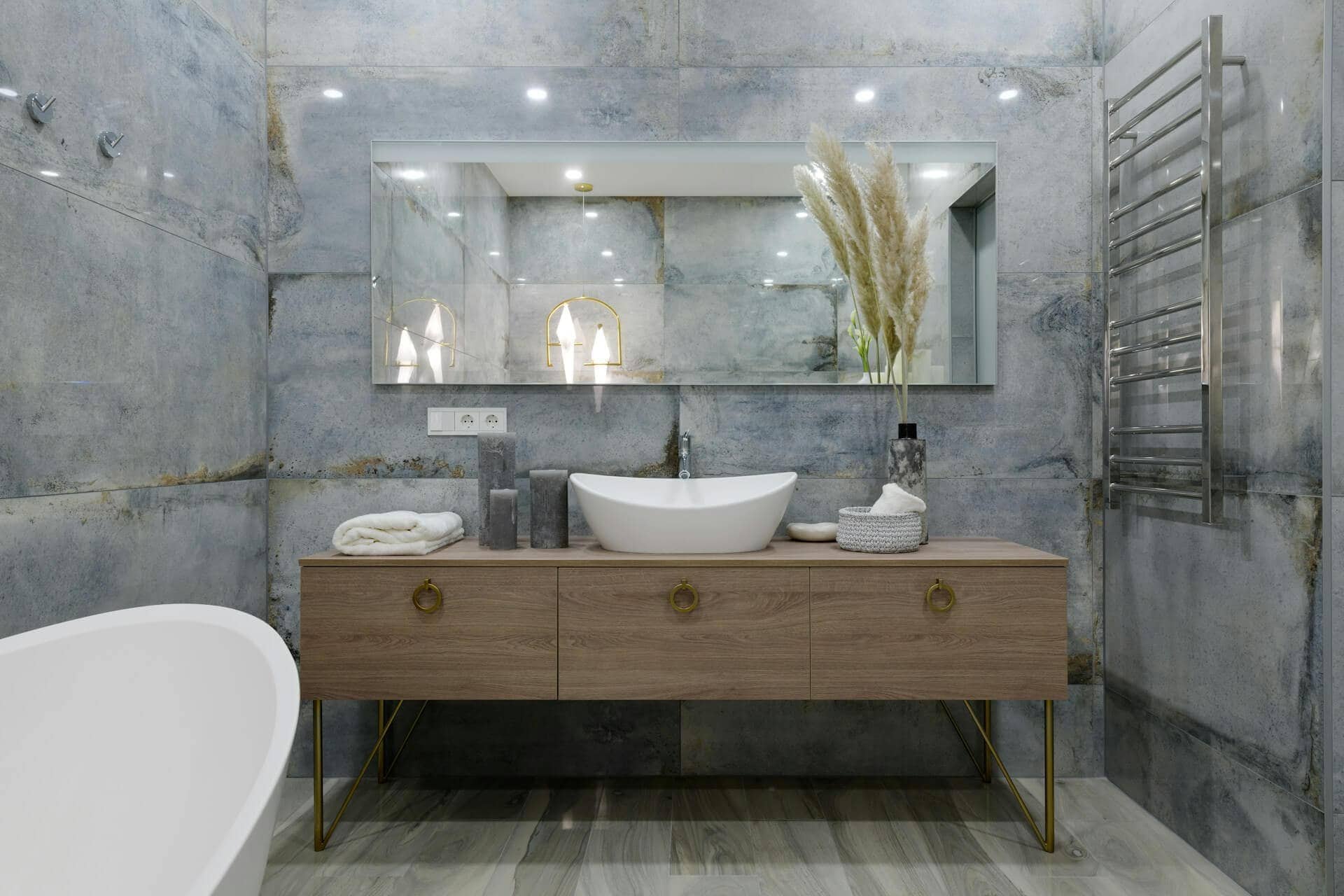
A bathroom can be far more than a practical room used at the beginning and end of the day. With thoughtful design choices, it can become a calm, attractive space that feels considered and inviting. From choosing the right surfaces to introducing warmer details, small changes can make a noticeable difference. Quality finishes, such as those available from Go Tiles, can provide a strong starting point for creating a bathroom that feels both stylish and comfortable.
Start With a Clear Design Direction
Before choosing colours, tiles or accessories, think about how you want the bathroom to feel. A light, airy scheme can make a compact room feel more spacious, while deeper tones can create a cosier, more dramatic atmosphere.
It can help to select two or three main colours and build the rest of the room around them. Neutral shades such as white, beige, grey and soft stone offer flexibility, while muted greens, blues or warmer earthy tones can introduce more character without overwhelming the space.
A clear direction also makes it easier to avoid buying individual pieces that look appealing but don’t work well together.
Give the Walls and Floor More Personality
Tiles strongly influence a bathroom’s overall appearance. They cover large areas, so their colour, shape, texture, and arrangement can completely change the room’s character.
Large-format tiles can create a clean, streamlined appearance, particularly in contemporary bathrooms. Smaller tiles, meanwhile, can introduce texture and visual interest. Metro-style tiles, geometric patterns, and subtly textured finishes can all add personality without requiring a complete redesign.
Do not feel that the same tile needs to be used throughout the room. Combining complementary finishes can help define different areas, such as the shower enclosure or vanity wall, while keeping the overall design cohesive.
Pay Attention to Lighting
Good lighting can transform how a bathroom looks and feels. If possible, make the most of natural light by keeping windows unobstructed and using simple treatments that allow daylight into the room.
Layer artificial lighting rather than relying on one central fitting. Ceiling lights can provide general illumination, while wall lights or carefully positioned fittings around a mirror can make everyday tasks easier.
The warmth of the lighting also matters. Cooler lighting can create a crisp, contemporary appearance, while warmer tones can make the room feel softer and more relaxing. Whichever approach you choose, avoid creating harsh shadows around areas where you need clear visibility.
Introduce Natural-Looking Details
Bathrooms can sometimes feel dominated by hard surfaces, so adding natural materials and organic details can soften the overall look. Wooden accessories, woven storage baskets, stone-inspired finishes, and greenery can bring warmth into an otherwise clinical space.
Plants can be particularly effective where the room gets enough natural light, and the chosen varieties suit humid conditions. Even a small amount of greenery can make the room feel fresher and more lived-in.
If real wood is unsuitable for a particular area, wood-effect finishes can offer a similar look while being more practical in a bathroom.
Make Storage Part of the Design
A beautiful bathroom can quickly feel untidy when toiletries, towels, and cleaning products are left on every available surface. Good storage should be part of the design, not an afterthought.
Wall-mounted units can keep the floor visually clear, while vanity storage can conceal everyday essentials. Open shelving works well for neatly folded towels or decorative pieces, but use it selectively to keep the room from looking cluttered.
Simple storage solutions such as matching containers and trays can also make frequently used products look more organised.
Choose Accessories Carefully
Accessories offer a chance to add personality without committing to permanent changes. Towels, mirrors, soap dispensers, artwork, and small decorative objects can all influence the final appearance.
A large mirror can also serve a practical and visual purpose, reflecting light and helping the room feel more open. Meanwhile, carefully chosen metal finishes on taps, handles, and accessories can create a consistent design thread.
The key is restraint. A handful of well-chosen pieces will generally have more impact than filling every surface with decoration.
Conclusion
A beautiful bathroom does not necessarily require a complete renovation. Often, the difference comes from combining practical decisions with thoughtful design. Consider the colours, surfaces, lighting, storage, and accessories as parts of the same overall picture.
When each element has a purpose and works alongside the others, the bathroom can become a more comfortable and visually pleasing part of the home whether you are updating a few details or planning a larger transformation, focusing on how the space looks and functions can help you create a room that feels enjoyable every day.