

If you’ve ever noticed that the air inside your apartment feels stuffy or stale, you’re not imagining it. Indoor air can actually be more polluted than outdoor air, and as a tenant, you might assume there’s little you can do about it, which is not entirely true.
You don’t need to own your home or spend a fortune to breathe cleaner air. Small, intentional changes to how you live and what you bring into your space can make a real difference in your home’s air quality and your overall health. Continue reading as we walk you through these eco-friendly ways to freshen your indoor air without waiting on your landlord or breaking your budget.
Overview of Indoor Air Pollution
Impact on Everyday Health
Most people assume outdoor air is the bigger pollution concern, but the air inside your home can actually be two to five times more polluted than what’s outside. Everything from cooking fumes and cleaning sprays to synthetic furniture and poor ventilation contributes to this buildup, and you’re breathing it in daily.
Over time, exposure to indoor air pollutants can trigger headaches, fatigue, allergies, and respiratory irritation. For tenants living in older buildings or poorly ventilated apartments, these effects can show up more frequently and feel harder to shake.
However, you don’t need to overhaul your entire living space to see real improvements. Tenants dealing with strange smells coming through the vent should document it and report it to the landlord immediately. Understanding what’s affecting your air is the first step, and from there, even a few targeted changes can noticeably shift how you feel at home.
6 Eco-Friendly Ways to Improve Indoor Air Quality
1. Routine HVAC Maintenance
Your HVAC system works hard to keep your home comfortable, but when filters get clogged with dust, pet dander, and allergens, it recirculates that buildup right back into your air. Regular maintenance keeps the system running efficiently and your air noticeably cleaner. A reputable property management company in Howard County, MD, can coordinate professional duct cleaning and system maintenance.
Your first step as a renter is to know what your lease says about HVAC upkeep. In many cases, filter changes are your responsibility. A good rule of thumb is to replace standard filters every 1 to 3 months, depending on the amount of foot traffic and dust your unit sees. When shopping for replacement filters, look for ones with a high MERV rating as they capture finer particles without forcing your system to work harder. It’s a small habit that pays off in cleaner, fresher air year-round.
2. Use Low-VOC Products
Many everyday household products, such as paints, cleaning sprays, adhesives, and air fresheners, release volatile organic compounds (VOCs) into the air long after you’ve used them. In a small apartment, these chemicals can accumulate quickly and irritate your lungs, eyes, and sinuses.
Switching to low-VOC or VOC-free alternatives is one of the simplest swaps you can make as a tenant. Look for cleaning products labeled non-toxic or plant-based, and choose low-VOC paint if you ever get permission to redecorate. Even replacing synthetic air fresheners with essential oil diffusers or natural odor absorbers such as baking soda can meaningfully reduce your exposure.
3. Regular Cleaning
One of the simplest things you can do for your indoor air is to keep your space consistently clean. Dust, pet dander, and mold spores settle on surfaces and get stirred back into the air every time you move around your home.
Cleaning weekly with a HEPA-filter vacuum, wiping down surfaces with a damp cloth, and washing bedding regularly can significantly reduce airborne particles. Pay extra attention to corners, vents, and upholstered furniture as these spots tend to collect the most buildup. A quick, regular cleaning routine does far more for your air quality than an occasional deep clean ever could.
4. Control Humidity
Excess moisture in your home creates the perfect environment for mold, mildew, and dust mites, all of which seriously compromise your air quality. If your bathroom steams up after a shower or your kitchen feels damp after cooking, humidity is most likely to build up faster.
Keeping indoor humidity between 30% and 50% makes a noticeable difference. A simple hygrometer helps you monitor levels, while a portable dehumidifier tackles problem areas like bathrooms and closets. You can also crack a window when cooking or showering to let moisture escape naturally, a small habit that goes a long way in keeping your air clean and breathable.
5. Add Indoor Plants
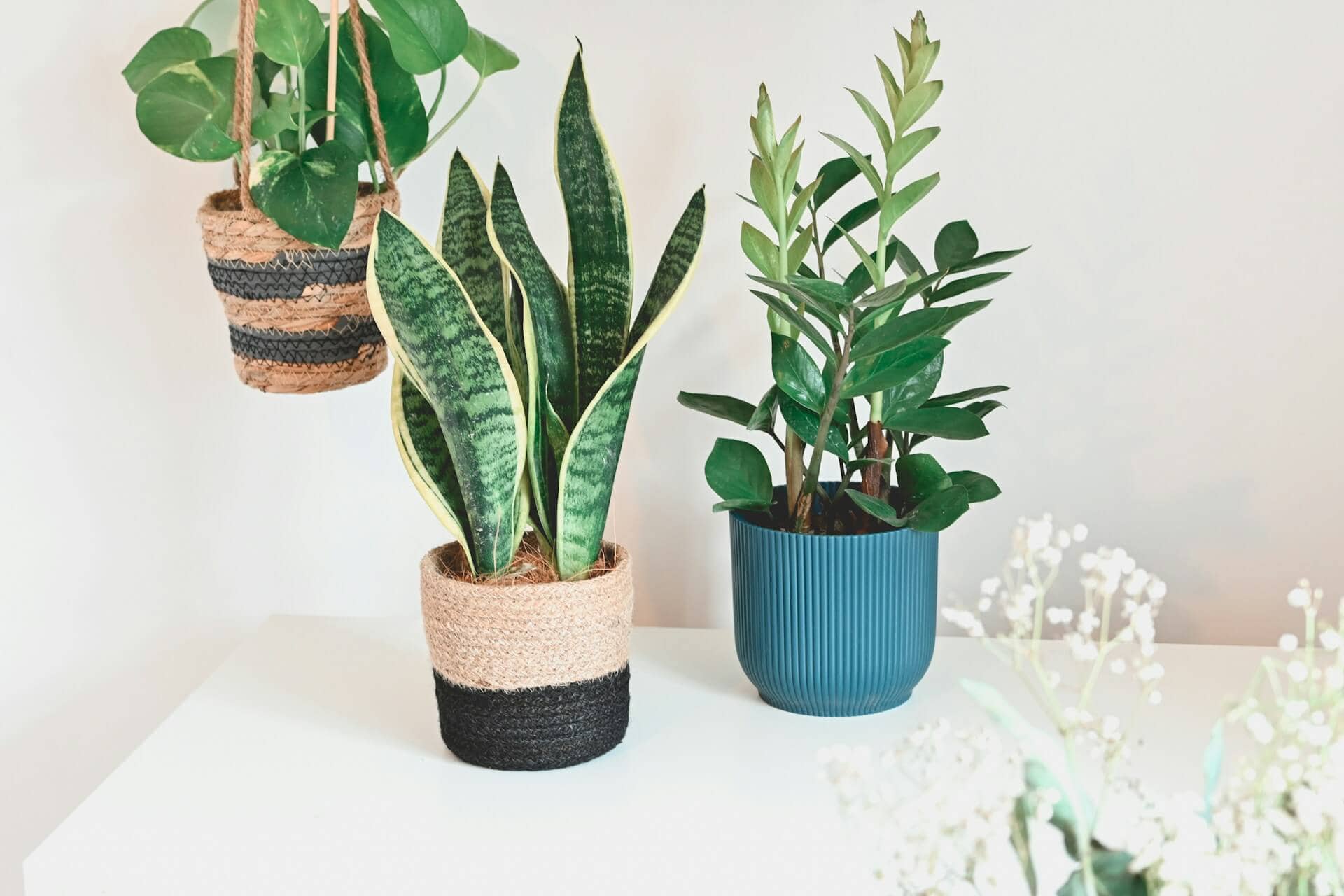
Plants actively work to filter toxins and refresh the air around you. Species such as peace lilies, spider plants, and snake plants are particularly effective at absorbing common indoor pollutants like formaldehyde and benzene.
As a tenant, they’re one of the easiest additions you can make without touching a single wall. Place them near windows or in rooms where air circulation feels weakest, and you’ll notice a genuine difference in how fresh your space feels over time.
6. Adequate Ventilation
One of the simplest things you can do for your indoor air is let it breathe. Opening windows and doors, even if it’s just for 15 to 20 minutes a day, helps flush out stagnant air and brings in fresh air from outside. If your apartment has exhaust fans in the kitchen or bathroom, use them regularly, especially while cooking or showering.
Cross-ventilation works particularly well when you open windows on opposite sides of your space. It creates a natural airflow that moves pollutants out without costing a thing.
Conclusion
Cleaner indoor air doesn’t require a major renovation or your landlord’s involvement. The changes that matter most are often the smallest ones, for example, cracking a window, swapping out a cleaning spray, or adding a plant to a corner that rarely gets airflow.
As a tenant, you have more control over your environment than you might think. Start with one or two manageable adjustments, and build from there. Over time, these habits add up to a home that not only feels fresher but genuinely supports your health every day.