

Hello everyone! Are you curious about some of the most uncommon and fascinating horse breeds that roam the earth? Well, you’re in the right place because we’re about to take a closer look at the rarest horses in the world. These rare horse breeds aren’t your everyday ponies; they’re unique, they’ve got intriguing histories, and they’re absolutely stunning!
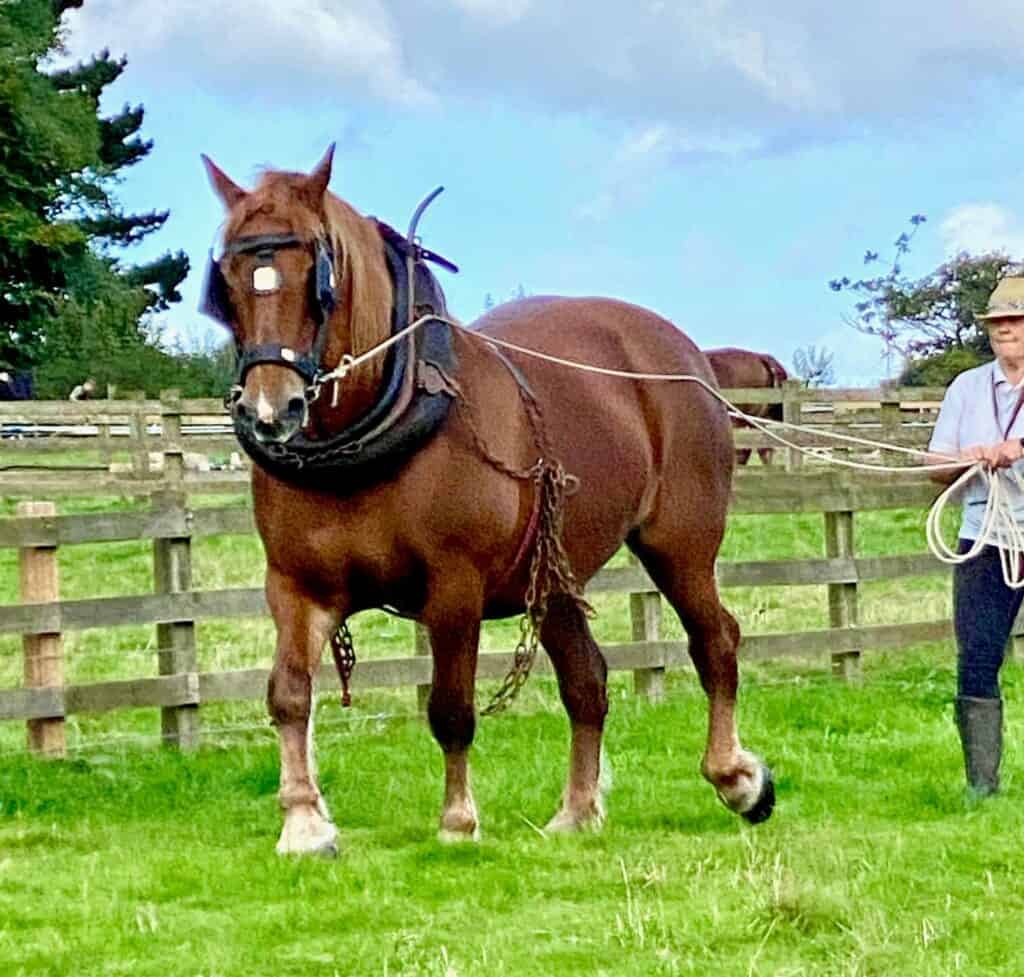
We’re setting out on an exploration to meet these magnificent horses, from the sleek and shiny Akhal-Teke to the strong and steadfast Suffolk Punch. Each breed carries with it a unique personality, a distinct history, and, unfortunately, sometimes a concerning population status.
Despite their diverse origins and characteristics, many rare breeds face common challenges such as habitat loss, changing agricultural practices, and a decrease in breed popularity, which directly impacts their survival.
So, saddle up and get ready to be whisked away on a magical ride through the pages of equine history. We’re about to uncover the hidden gems of the horse world, and I promise, it’s going to be an educational adventure to remember!
History and Origins
Tracing the lineage of the world’s equine breeds reveals a rich tapestry involving human history, geography, and the influence of natural environments on their development. My late dad used to plough with Shire Horses and Suffolk Punches on many farms as a young boy. It’s where my love of these beautiful heavy horses comes from. In this section, I talk about the history and origins of the rarest horses there are.
Ancient Pedigrees
The oldest horse breeds often trace back to ancient civilisations. For instance, the Caspian horse, believed to be among the oldest breeds, has roots in ancient Persia, now Northern Iran. Evidence points to their prominence as far back as 3000 BCE.
Development of New Breeds
New horse breeds have often emerged from selective breeding to fulfil specific human needs. The Cleveland Bay, originating in the 12th century from the United Kingdom, is an example of a new breed developed for both riding and as a carriage horse.
Impact of Historical Events
World Wars had a significant impact on horse populations, with many breeds used as war horses. These periods saw vast numbers of horses lost, and some breeds have not recovered from those decreases.
Regional Development
Regions with extreme climates have shaped breeds able to withstand harsh conditions. For example, the Nez Perce tribe in North America developed the Appaloosa, which is known for its hardiness in both hot summers and harsh winters.
Indigenous Contributions
Ancient civilisations and indigenous populations were pivotal in the development of horse breeds. The Akhal-Teke, from Turkmenistan and also known as the national horse of Turkmenistan, stands testament to this, having been bred by tribesmen for thousands of years.
Rare Breeds Survival Trust
In the United Kingdom, the Rare Breeds Survival Trust (RBST) is instrumental in protecting endangered horse breeds. They monitor breeds with such small populations, ensuring conservation efforts are in place for their survival.
Global Population Changes
The global population of specific horse breeds has fluctuated over time, often as a result of human activity. For instance, many British breeds saw a decline in estimated population and new registrations in recent years.
Official Recognition
Official recognition can contribute greatly to a breed’s preservation. The Akhal-Teke, for example, enjoys status as the national horse of Turkmenistan, aiding its promotion and survival.
Decline and Recovery
Some breeds have experienced a decline due to changing societal needs. The Dales Pony saw its numbers plummet post-industrialisation but has more recently been the focus of recovery efforts.
Adaptations to Environment
These adaptations include resilience to harsh climates such as harsh winters or hot summers, respectively.
Legends and Culture
Many rare and beautiful horse breeds are woven into the fabric of legends and culture. South Africa’s indigenous horse breed, for example, includes the Nooitgedacht, which bears a history interlinked with the region’s cultural narrative.
Characteristics of Rare Breeds
Rare horse breeds often possess extraordinary physical attributes and temperaments that differentiate them from more common varieties. These features range from unique coat colours to specific breed standards that set them apart.
Physical Traits
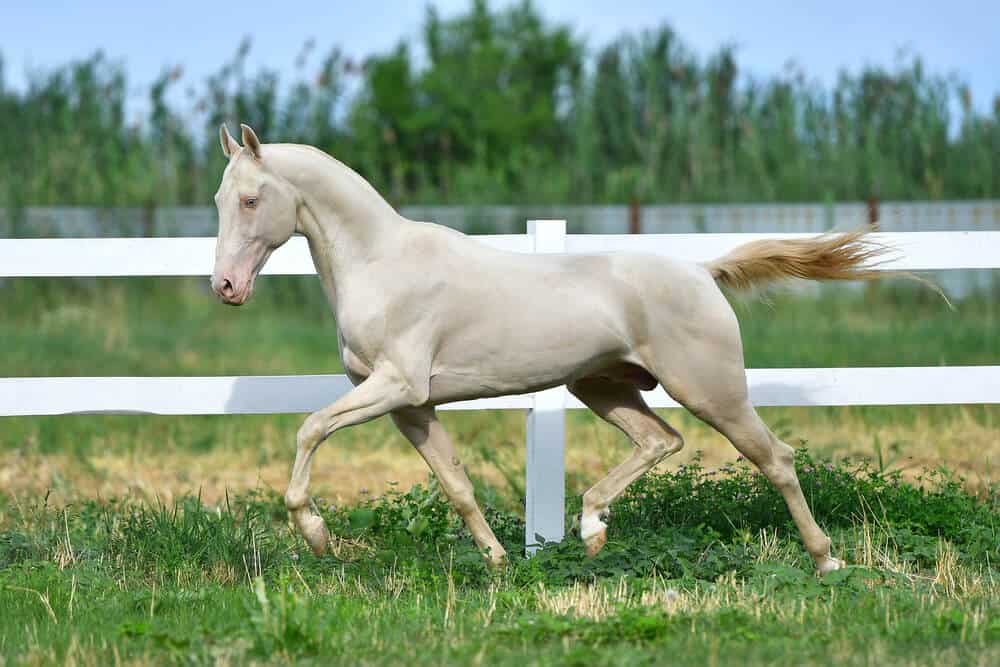
Rare horse breeds, such as the Akhal-Teke, exhibit a metallic sheen in their coat, particularly sought after for its distinctive lustre. Strong legs are another common characteristic that equips these horses for the hardy activities they are often bred for.
Distinctive Coats and Colours
- Akhal-Teke Horse: Known for its shimmering, golden-buckskin coat which appears almost metallic in the sun.
- Camarillo White Horse: As its name suggests, this breed has a pure white coat from birth.
- American Cream Draft Horse: Recognisable by its light cream-coloured coat.
Breed Temperaments
Rare breeds generally display a variety of temperaments:
- Akhal-Teke Horse: Esteemed for loyalty and intelligence.
- American Cream Draft Horse: Often praised for its calm temperament and friendly nature, making it a favourite among breeders.
Unique Breed Standards
Each rare horse breed adheres to its own set of standards. For instance, the Camarillo White Horse must maintain its pure white colour without any other colour marks to meet the breed standard, while exotic horse breeds like the Akhal-Teke have strict standards regarding their sleek physique and coat sheen.
Preservation and Conservation
Preservation and conservation efforts are essential for the survival of endangered horse breeds. These initiatives provide a lifeline for the existence of these rare equines today.
Conservation Programmes
Conservation programmes are at the forefront of efforts to ensure the survival of endangered horse breeds. These schemes often involve carefully structured breeding practices, habitat restoration, genetic studies, and sometimes, the establishment of reserves or sanctuaries. An important player is the Rare Breeds Survival Trust, a UK-based organisation that is dedicated to the conservation of Britain’s native farm animals, including rare horse breeds. The Trust actively supports conservation by monitoring breed numbers, promoting the use of horses in farm work, and raising public awareness.
Breeding Practices
Breeding practices are crucial for maintaining the genetic diversity and vitality of rare horse breeds. Selective breeding programmes aim to manage the gene pool and fortify the health and resilience of the breeds. These practices help avoid the loss of genetic traits and prevent inbreeding, which can lead to a decline in the population. The breeding strategies often prioritise maintaining the breed’s characteristics, ensuring their ongoing utility in various forms of farm work or as riding animals.
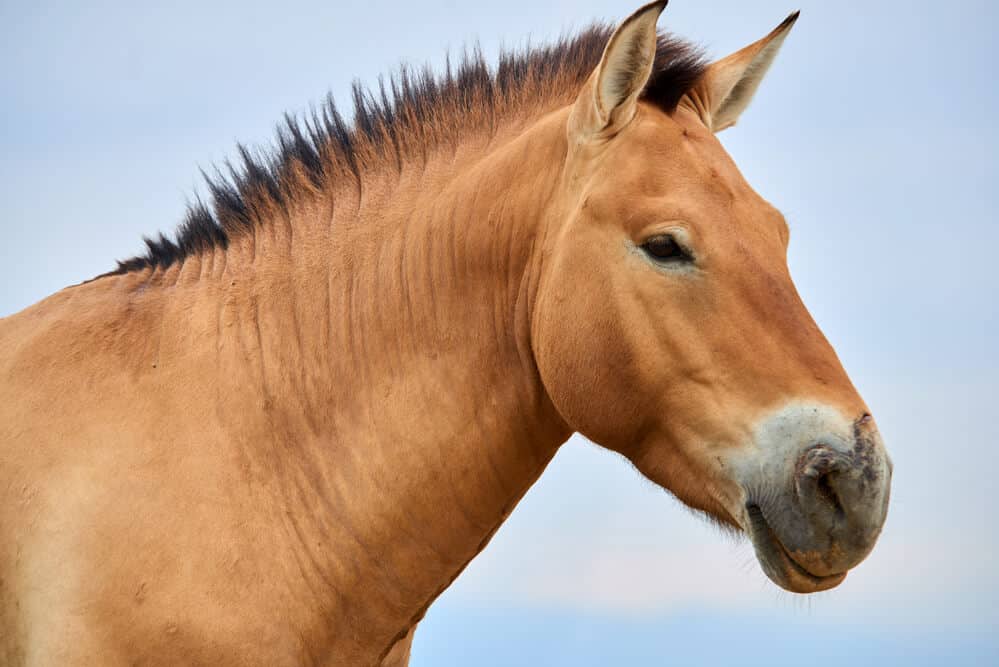
A critically endangered Przewalski’s horse foal was recently born at the San Diego Zoo Safari Park, marking a significant event for the conservation of what is often referred to as the last truly wild horse species. This new addition to the zoo is especially remarkable as the Przewalski’s horse was once categorized as extinct in the wild until 1996 (NBC San Diego).
Work of Nonprofits and Trusts
Nonprofits and trusts play a vital role in the preservation and conservation of endangered horse breeds. They undertake diverse activities, from raising funds for conservation efforts, lobbying for protective legislation, to educating the public about the importance of these rare breeds. The Livestock Conservancy works globally to preserve endangered livestock breeds from extinction. They emphasise the importance of conserving equine breeds, noting their value beyond just their utility and advocating for the enduring presence of these animals in contemporary society.
Rare Horse Breeds Around the World
Exploring the world’s rare horse breeds offers a glimpse into a rich tapestry of history and culture, highlighting horses that are exceptional due to their scarcity, unique characteristics, or historical significance.
European Breeds
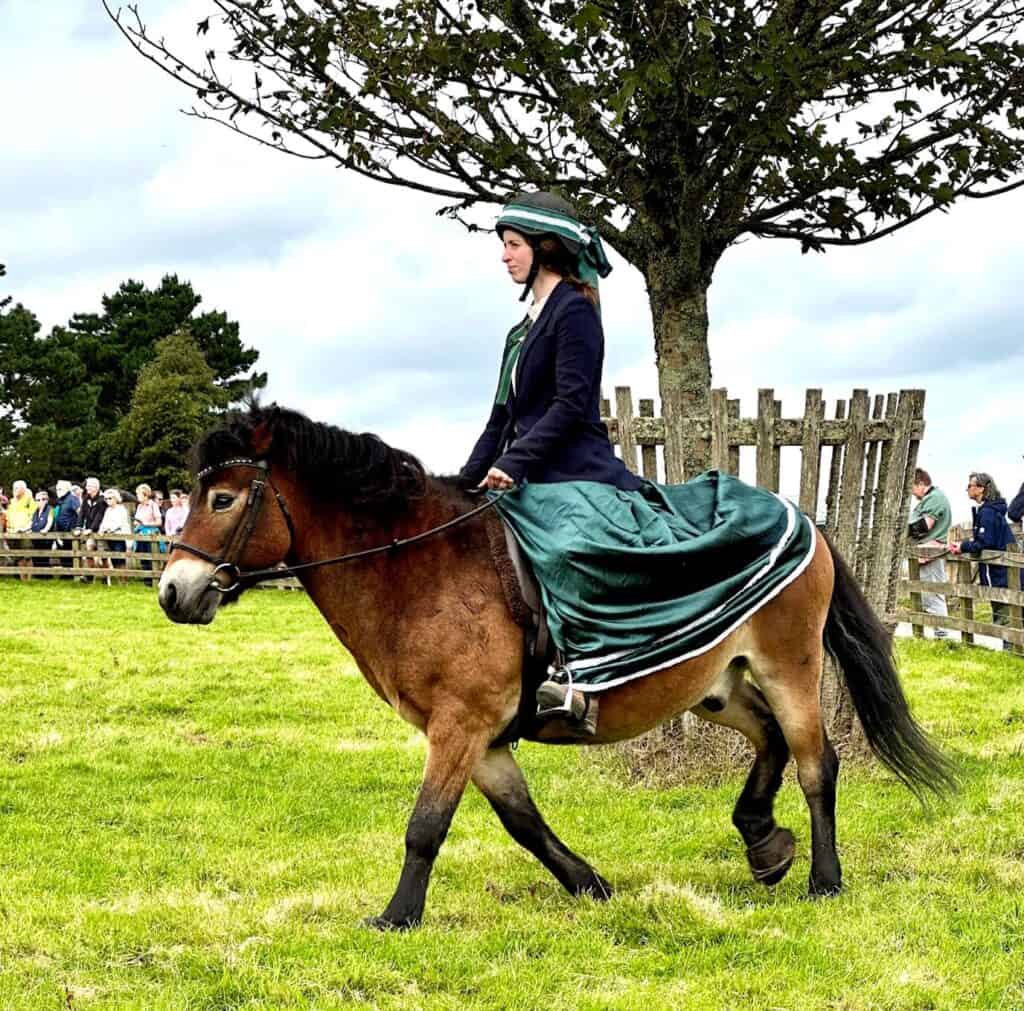
The Exmoor Pony, native to the British Isles, is distinguished by its dark bay colour and steadfastness. They are one of the oldest horse breeds in the UK, and conservation efforts are crucial to their sustained presence.
Dales Ponies are another UK native breed known for their strength and versatility. With a history in lead mining and agriculture, they are recognised for their sturdy frame and calm demeanour.
The Giara Horse is an Italian breed, small yet hardy, found primarily on the island of Sardinia. These horses are valued for their resilience in tough terrains.
Asian Breeds
The Caspian Horse, possibly the oldest horse breed in the world, is small in stature but known for its grace and athleticism. Originating in Iran, this breed has been instrumental in equine history, influencing many other breeds.
The Akhal-Teke, from Turkmenistan, possesses a distinct metallic sheen on its coat, known as the “golden horses.” These horses are noted for their endurance and have a rich cultural significance in their native land.
The Marwari Horse is a rare breed from the Marwar region of India. They are recognisable by their unique inward-turning ear tips and are celebrated for their loyalty and bravery.
North American Breeds
In Canada, the Newfoundland Pony is treasured for its hardiness and multi-purpose utility, especially in harsh climates.
The Nez Perce Horse, originally from the Nez Perce Native American tribe, demonstrates exceptional intelligence and athleticism. This breed has a significant role in North American history.
Despite its popularity, the American Quarter Horse can boast regional rareness for specific lineages. Known for their sprinting prowess over short distances, they are a hallmark of the American West.
Horse Breeds of Africa
African breeds are not as widely documented, but there are rare breeds such as the Nozay Pony that hold importance in local agrarian cultures and traditional ceremonies. More research and conservation efforts are required to ensure these breeds are not lost to time.
Summarising – A Table of Rare Horse Breeds by Region
| Region | Rare Horse Breeds |
|---|---|
| UK | Suffolk Punch, Cleveland Bay, Exmoor Pony, Dales Pony, Eriskay Pony, Shire Horse, Hackney Horse |
| North America | American Cream Draft, Florida Cracker Horse, Nokota Horse, Carolina Marsh Tacky, Newfoundland Pony and Canadian Horse (Canada) |
| Europe | Boulonnais (France), Sorraia (Portugal), Pottok (France/Spain), Skyros Pony (Greece), Murgese (Italy), Sanfratellano (Italy), Převalský Horse (Czech Republic), Fjord Horse (Norway) |
| Asia | Akhal-Teke (Turkmenistan), Caspian Horse (Iran), Mongolian Horse (Mongolia), Marwari Horse (India), Kathiawari Horse (India), Nangchen Horse (Tibet), Taishuh Horse (Japan) |
| Australia | Australian Brumby, Australian Stock Horse, Waler Horse |
| Africa | Basotho Pony (Lesotho), Boerperd (South Africa), Abyssinian Horse (Ethiopia), Barb (North Africa), Namib Desert Horse (Namibia) |
This table includes some of the rare horse breeds from each of these regions. It is important to note that the term “rare” can refer to breeds that have small populations as well as those that are unique to a specific region. Conservation status can vary, and efforts to protect these breeds are critical to prevent their extinction.
Equestrian Sports and Rare Breeds
In the realm of equestrian sports, rare horse breeds often have unique characteristics that can be advantageous in competitions, exhibitions, or as working animals. This section explores their multifaceted roles.
Rare Breeds in Competitive Riding
Rare horse breeds like the American Cream Horse and the Caspian Horse are making their mark in competitive riding. While they may not be as commonly utilised as the American Quarter Horse or Thoroughbred horses, their unique attributes allow them to excel in specific disciplines. These breeds, with limited populations, offer variety to the competitive landscape, often surprising enthusiasts with their agility and competitive spirit.
Show Horses and Exhibitions
At horse shows and exhibitions, uncommon breeds such as the Eriskay Pony and Camarillo White Horse, recognised for their stunning coats and composed demeanour, captivate audiences. Henson horses, with their distinctive golden-shaded coats, add to the roster of beautiful horse breeds that are appreciated not only for their rarity but also for their aesthetics. They are often showcased for their beauty, history, and rarity, drawing attention to the need for conservation and breeding programmes to preserve these living legends.
The Role in Farming and Work
Rare breeds have historically played significant roles in farming and work contexts. For example, the Suffolk Punch, the only draft horse breed developed in Suffolk, is robust and resilient, which made it indispensable in early agricultural society. Today, draught horses like the Suffolk are still celebrated for their strength and gentle nature, though their use has shifted more towards heritage and conservation efforts, with their presence in farming becoming a testimony to traditional practices.
The Future of Rare Horse Breeds
The conservation of rare horse breeds hinges on sustainable breeding practices and scientific advances that ensure genetic diversity. These efforts are crucial for maintaining the existence of these unique breeds today and for the future.
Breeding for Sustainability
Conservationists and breeders are working together to implement strategies that promote the sustainability of rare horse breeds. They select characteristics that enhance the breed’s resilience, ensuring that these horses can adapt to changing environments. The breeding programmes often target not only the preservation but also the refinement of these breeds, balancing the need for purity with health and vitality. Efforts are made to increase public awareness and appreciation for rare breeds, which can sometimes include some of the most expensive horse breeds, as a means of garnering support and resources for these programmes.
- Criteria for Sustainable Breeding:
- Health and fitness prioritisation
- Genetic diversity maintenance
- Adaptability to environment
- Public engagement and education
Science and Genetic Diversity
The role of science is pivotal in maintaining the genetic diversity of the world’s rarest horses. Geneticists analyse DNA to understand the genetic makeup of these breeds, identifying potential risks for inherited diseases and providing insights for breeding strategies. Did you know that new breed development, driven by careful genetic selection, can also emerge from these studies? They map the lineage of breeds like the ancient Caspian horse, ensuring that traits advantageous for survival are conserved. Conservation efforts benefit from advanced reproductive technologies, which can help preserve genetic material from even the most fragile populations.
- Scientific Contributions:
- Genetic disease risk assessment
- DNA-based lineage mapping
- Reproductive technology applications

How to Support Rare Horse Breeds
Supporting rare horse breeds is crucial for maintaining biodiversity and preserving genetic heritage. Through various means such as adoption, education, and activism, people can significantly contribute to the survival of these horses.
Adoption and Ownership
You can support conservation efforts directly by adopting rare horses. The Rare Breeds Survival Trust often has information on how to acquire rare breeds facing extinction. You should consider not only the initial high price but also the long-term care costs before applying.
Education and Outreach
Education about the importance of these breeds raises awareness and fosters support. You could coordinate and participate in seminars or workshops detailing the characteristics of rare breeds, like the only draft breed native to the United States, the American Cream Draft Horse.
Volunteering and Activism
Volunteering time with conservation organisations or participating in activism can lead to great things for the protection of endangered species. Sharing information through social media or writing to policymakers can help bring attention to the needs of rare horse breeds.
Tourism and Visiting Breeding Centres
Visiting farms and centres that house rare horses offers financial support and promotes awareness. I love to plan visits and learn more about the conservation efforts.
Promoting Awareness
Promoting awareness throughout your online community can take the form of organising fundraisers or even crafting educational content. By spotlighting the situation of endangered horse breeds, individuals help to expand the network of support for these animals. I’m so pleased I have this blog so that I can help to promote awareness of rare horses.
Rare Horse Breeds in Pop Culture
Rare horse breeds have often captivated audiences in pop culture through their appearances in films, television shows, and literature. Their unique beauty and historical significance add depth to storytelling.
Horses in Film and Television
Rare horse breeds like the Camarillo White Horse have graced the silver screen with their majestic presence. Known for their brilliant white coats, these horses have symbolised purity and grace in various cinematic productions. In addition to their aesthetic appeal, rare breeds often serve as important characters in period dramas, where authenticity in depicting historical narratives is crucial.
The beautiful Suffolk Punch, for example, has played its part in recreating scenes from the past. They may represent the war horses, known for their strength, that were historically used in battle. The robust build and calm temperament of the Suffolk Punch would make them suitable for depicting military horses, as they reflect the power and resilience needed for such roles.
Literary References
In literature, authors have immortalised rare horse breeds, attributing to them traits that resonate with readers. One example is the Eriskay Pony, an ancient breed native to Scotland. You will see it included in texts due to its hardy nature and historical links to a simpler, pastoral way of life.
These horses, alongside others like the Dales Pony, can become synonyms for endurance and reliability in stories. Authors can use their ancient origins to establish a connection to a time when these horses played a pivotal role in everyday life, be it in agriculture or transport.
Newfoundland Ponies, which are known for their versatility and friendly demeanour, can also be referenced in narratives that call for a horse breed symbolising resilience and adaptability. Their contribution to the communities in Newfoundland reflects their importance, which can translate into a literary symbol of heritage and survival.
40 Rare Horse Breeds List:
1. Akhal-Teke
2. Canadian Horse
3. Suffolk Punch Horse
4. Dales Pony
5. Cleveland Bay Horse
6. Boulonnais
7. Faroese Horse
8. Pónei da Terceira
9. Karabakh Horse
10. Altai Horse
11. Bardigiano
12. Sorraia
13. Exmoor Pony
14. Falabella Pony
15. Black Forest Horse
16. Caspian Horse
17. Knabstrupper
18. Friesian Horse
19. Bashkir Curly
20. Marwari Horse
21. Skyros Pony
22. Newfoundland Pony
23. Gotland Pony
24. Hokkaido Horse (Dosanko)
25. Vyatka Horse
26. Florida Cracker Horse
27. Nokota Horse
28. Gidran
29. Mangalarga Marchador
30. Misaki Horse
31. Sanfratellano
32. Schleswig Coldblood
33. Tersk Horse
34. Sarcidano Horse
35. Spiti Horse
36. Taishuh Horse
37. Namib Desert Horse
38. Giara Horse
39. Pampa Horse
40. Yakutian Horse
In the grand tapestry of the equine world, rare horse breeds are like hidden gems scattered across the globe, each with a sparkle of unique history and beauty. These breeds, from the sleek Akhal-Teke to the sturdy Suffolk Punch, are more than just animals; they are living, breathing pieces of our shared heritage. They remind us of the diversity of nature and the importance of preserving it for future generations to marvel at and learn from. So let’s tip our hats to these magnificent creatures, the rare horse breeds, and continue to support efforts to keep their legacies galloping strong into the future!
Do you have any thoughts on rare horses? I would love to know in the comments below!
Frequently Asked Questions
Which horse breeds are at risk of extinction?
The Cleveland Bay and Hackney Horse are notable examples of breeds facing a risk of extinction. Their numbers are dwindling, making conservation efforts crucial for their survival.
Several horse breeds are at risk of extinction, and conservation efforts are in place to protect these rare and valuable animals. Here are a few horse breeds that have been identified as endangered or at risk:
– American Cream Draft: This is the only draft horse breed that originated in the United States, known for its cream color and amber eyes. It has been listed as critically endangered by various equine conservation organizations.
– Suffolk Punch: This English draft horse breed is known for its strength and chestnut color. The breed has a small population and is considered at risk.
– Cleveland Bay: This is the oldest established horse breed in England, and it is also at risk with a small population size.
– Caspian Horse: An ancient breed that was rediscovered in Iran in the 1960s, the Caspian is small, elegant, and endangered.
– Exmoor Pony: One of the oldest and most primitive horse breeds in Britain, the Exmoor Pony is endangered, with efforts in place to preserve its genetic purity.
– Hackney Horse: Known for its high-stepping gait, the Hackney is at risk due to a decline in popularity and breeding numbers.
These breeds are just a few examples, and there are many other horse breeds worldwide that are considered vulnerable or endangered. Conservation programs are crucial to maintain genetic diversity and to ensure that these breeds do not disappear.
What are some of the most unusual horse breeds?
Breeds like the Akhal-Teke from Turkmenistan are known for their metallic sheen and endurance, making them quite unusual in appearance and capabilities.
Could you highlight some equine breeds that are considered quite scarce?
The Galiceno, originating from Mexico, is considered scarce due to its small size and smooth ride, suited especially for young or petite riders.
Which breeds of horses are famed for their rarity and striking appearance?
The Marwari Horse from India, known for its inward-turning ear tips. Plus the Sorraia from Portugal, a hardy breed with distinctive coat colours, are both renowned for their rareness and striking looks.
You may also like: