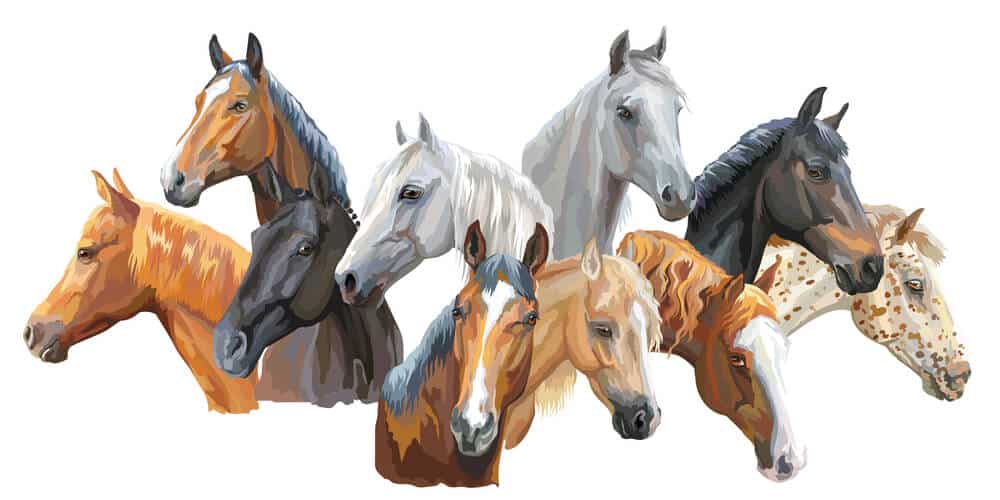
Hey there, fellow horse lovers! Have you ever stopped to marvel at the sheer beauty and grace of horses? These guys have been our buddies for thousands of years, and it’s not hard to see why. Horses are like the Swiss Army knives of the animal kingdom – fast and agile, sure, but they’ve also got some pretty nifty tricks up their… well, hooves! In our blog post today, we are discovering the most amazing horse facts around!
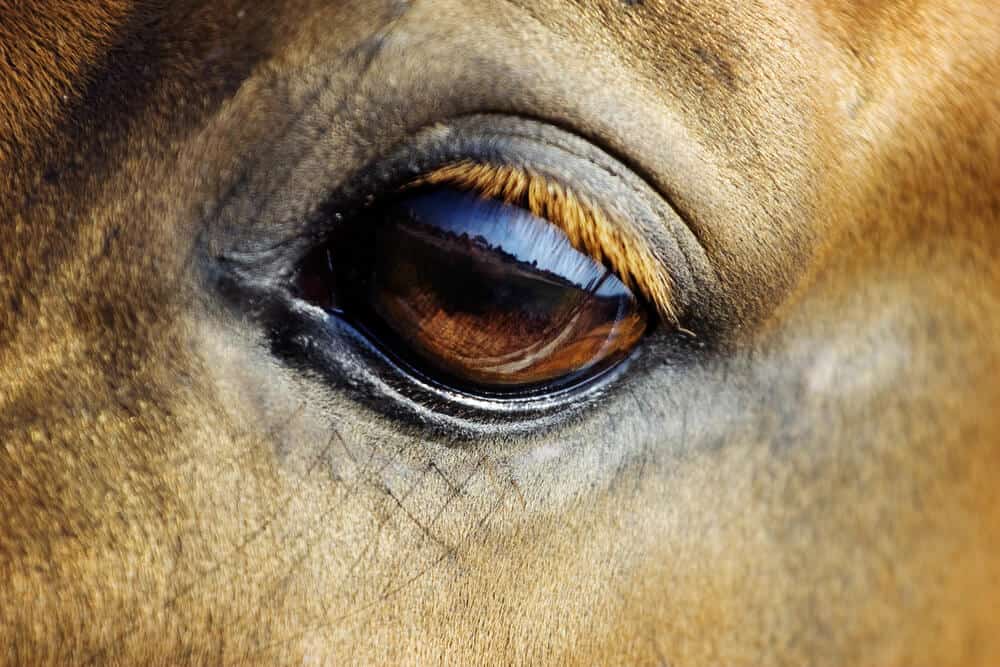
With over 400 different breeds, horses come in all shapes and sizes. They can be your trusty companion on a trail ride or the powerhouse hauling heavy loads on a farm. And talk about a panoramic view – their eyes are set up to give them a near 360-degree look around, which is super handy for spotting anything sneaky creeping up behind them. Plus, those eyes are the biggest of any land mammal. Pretty cool, right?
Magnificent Creatures
But wait, there’s more! Horses have this incredible ability to hear sounds that we humans can only dream of catching. Their ears can pick up noises from 55 all the way to 33,500 hertz. And their bones? They’ve got one less than us, but that doesn’t hold them back. In fact, some breeds, like the stunning Arabian horses, manage with even fewer.
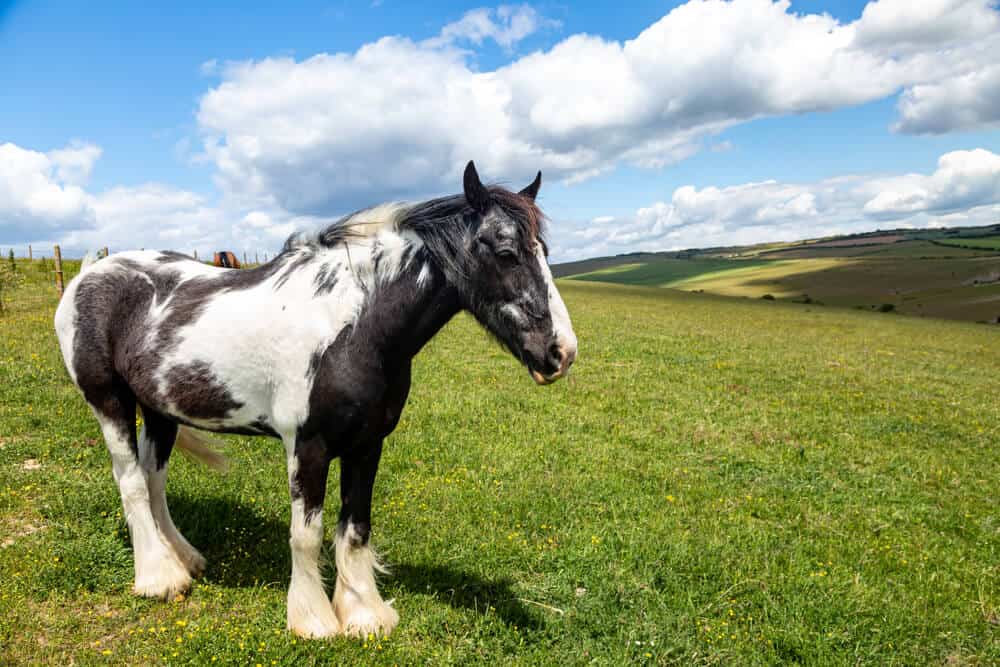
Now, if you’ve ever wondered how old a horse is in “people years,” it’s a bit like this: A 3-year-old horse is like an 18-year-old human, all grown up and ready to take on the world. And a horse that’s hit the ripe old age of 20? Well, that’s like a 60.5-year-old human.
These magnificent creatures can live up to 30 years, and if you’re talking about horse moms, they carry their little ones for almost a whole year before they’re born. It’s no wonder they need a bit of extra TLC!
And did you know that America is pretty much horse heaven? With over 7 million of these majestic animals (latest data from 2016), it’s clear they’ve got a thing for our equine friends. Here in the UK, we have 429761 horses as per the data from the FAO in 2022.
Honestly, we’re just scratching the surface here. Horses are endlessly fascinating, and it’s no surprise they’ve stolen so many hearts around the globe. Stick around, and let’s dive into the world of horses together – trust me, there’s so much more to love about these amazing animals!
Evolution and History
Tracing the lineage of horses reveals a fascinating journey from small forest-dwelling creatures to the modern horses we know today, intertwining with human history through domestication and breeding.
Origin of Species
The earliest ancestor of the horse, Hyracotherium, lived approximately 56 million years ago during the Eocene Epoch. These first horses were dog-sized forest browsers, a stark contrast to today’s species. Through natural selection, driven by a changing climate that favoured grasslands, the horse evolved. For instance, Przewalski’s horse is considered the only truly wild horse species to survive into the modern era.
Historic Milestones
The domestication of horses is believed to have occurred around 4000 BC in the steppes of Central Asia. These animals radically transformed human societies, impacting warfare, agriculture, and sports. The oldest domestic horse known was “Old Billy,” an 18th-century barge horse that lived 62 years. Modern horses, including various breeds of domestic horses, are the result of selective breeding over millennia, nurturing traits like speed, strength, and temperament.
Anatomy and Physiology
Within the study of horses, their anatomical structure and functions present a unique combination of strength and flexibility. This section delves into the details of a horse’s body, including their skeletal frame, muscular system, and distinctive physical features that contribute to their capabilities and health needs.
The skeleton of a horse is a marvel in itself, having fewer bones than a human skeleton. While a human has 206 bones, a horse has around 205, which varies slightly depending on the length of the horse’s tail. Moreover, horses have bigger eyes than any other land mammal, which are placed on their heads in such a way that they have a nearly 360-degree field of vision.
Horse’s Body Structure
A horse’s skeleton is designed to support a considerable body weight, often exceeding half a tonne. The lumbar vertebrae are few in number but robust, enabling the horse to bear weight and maintain stability while in motion. The front legs of a horse are particularly interesting. They absorb great impact when a horse is running, with a structure that’s essential for their well-being. Providing proper care for these components is vital in horse care, including attention to their hooves and soft tissue.
Horse’s teeth are another vital aspect, continuously growing throughout the majority of their life. Regular equine dental care is essential to prevent painful conditions and ensure that the horse can properly process their feed.
Unique Physical Features
Horses possess some extraordinary physiological characteristics. They have only one corpus callosum, which means horses are incredibly adaptive but have a unique way of processing information. Their eyes are the largest of any land mammal in relation to body size, providing an expansive field of vision. However, they do have blind spots directly in front and behind them. To compensate, their ears can rotate nearly 180 degrees, allowing them to capture sounds from various directions and alert them to different things happening in their environment.
In terms of communication, horses utilise their facial expressions by manoeuvring their ears, nostrils, and eyes, much like humans use their facial muscles to convey emotions. A horse’s ear placement on the sides of their head enables them to hear from many directions, which is essential for their survival.
The power horses possess is not only in their muscular build but also in their ability to deliver a powerful kick. This is an example of how their anatomy and physiology combine for both function and defence. Proper care of a horse, taking into account all these anatomical and physiological aspects, is crucial for their health and performance.
Table of Anatomy and Physiology Amazing Facts
| Anatomy & Physiology Aspect | Amazing Fact |
|---|---|
| Eyes | Horses have the largest eyes of any land mammal, granting them nearly a 360-degree field of vision. |
| Hearing | Horses can detect a wide range of frequencies from 55 to 33,500 hertz, far beyond human hearing capabilities. |
| Skeletal Structure | An average horse has 205 bones in its body, which is just one less than a human. |
| Size & Build | With over 400 breeds, horses vary greatly; draft horses can weigh over a ton, with males reaching 18 hands high and females 17 hands high. |
| Digestive System | Horses produce around 10 gallons of saliva each day, aiding in food digestion and preventing gastric ulcers. |
| Sleep Patterns | Horses can sleep both standing up, by locking their leg joints, and lying down to experience REM sleep. |
| Lifespan | Horses have a lifespan that can reach up to 30 years, showcasing their resilience. |
| Gestation Period | A pregnant mare’s gestation period lasts between 320 and 370 days. |
| Population | The United States has the highest number of horses, with over 10 million individuals. |
| Vision | Horses have monocular and binocular vision, allowing them to see different images in each eye simultaneously. |
| Age Comparison | A 3-year-old horse is roughly equivalent to an 18-year-old human in terms of maturity. |
Behaviour and Communication
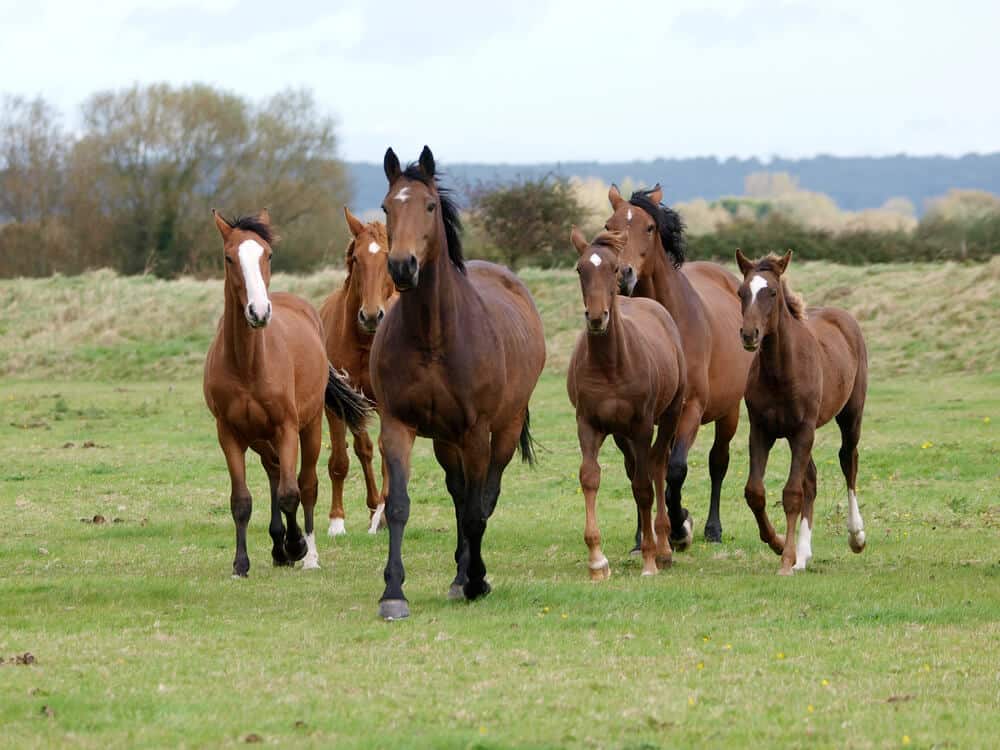
Horses are social animals that communicate effectively with their herd and humans through intricate body language and vocal cues. These signals are crucial for maintaining social structures and reacting to environmental changes.
Social Interactions
Horses establish complex hierarchies within their herd, utilising a range of non-verbal cues to express dominance, submission, or companionship. For example, they may gently nudge each other as a sign of affection or show aggression with pinned ears. Their long faces and eyes placed on the side of their head give them a wide field of vision, allowing them to pick up on subtle movements from other horses.
Flehmen response is another fascinating aspect of equine communication. Horses curl back their upper lip and inhale to expose the vomeronasal organ to scents, helping them to detect pheromones and other chemical signals, which plays a vital role in social interactions, particularly during mating.
Responses to Environment
As prey animals, horses are acutely tuned to their surroundings, ready to react to potential dangers. When a horse switches its tail frequently, it’s often a sign of irritation or unease, possibly due to insects or environmental stressors. Ears that are alert and pointing towards a sound or action can indicate curiosity or alertness, whereas ears laid back can signify fear or annoyance.
Their unique abilities to sense a storm approaching or detect subtle changes in their human handler’s mood reflect their deep connection with the world around them. The gag reflex in horses is almost absent, which means they don’t vomit, making it important for them to avoid consuming toxic substances as part of their environmental response. The term ‘gentle giant‘ often refers to horses’ generally docile and calm demeanour despite their size and strength, attributing to their reputation as trustworthy companions in work and play.
Breeds and Types
The world of horses is incredibly diverse, with a myriad of breeds each possessing unique characteristics. From the majestic Arabian horses to tiny miniature horses, breed variations cater to the needs, preferences, and purposes of horse enthusiasts around the globe.
Diversity Among Breeds
In the tapestry of horse breeds, Arabian horses stand out for their endurance and are often noted for their distinctive head shape and high tail carriage. The countless breeds of horses come in all colours and sizes, each with their own histories and special qualities. Whilst breeds like the Przewalski’s horse remind us of the horse’s ancient and undomesticated past, others have been bred for work, sport, or companionship.
For example, adult male horses (stallions) and female horses (mares) of draft breeds are often larger and sturdier, historically used for heavy labour. Comparatively, young horses, or foals, display a vast range of growth patterns depending on their breed. Newborn horses (foals) can stand and run shortly after birth, a trait that is typical to nearly all breeds of horse, allowing them to flee from predators in the wild.
Notable Examples
The size range among breeds is remarkable. The largest horse breed, the Shire, is a gentle giant, some of which can stand as tall as 19 hands high. This means they can tower over an average human. Conversely, miniature horses can be as small as 5 hands high, which is approximately the height of an average dog.
| Breed | Height | Unique Trait |
|---|---|---|
| Shire | Up to 19 hands | Known as the tallest breed |
| Miniature Horses | As small as 5 hands | Comparable in size to large dogs |
| Arabian | Varies | Esteemed for endurance |
Equine enthusiasts celebrate the diverse forms and functionalities of these beautiful creatures, from the spirited young males to the strength and grace of every adult horse. The variety found within the different breeds and types of horses is not only a testament to their adaptability but also to the rich relationship shared between equines and humans throughout history.
Horse Records and Extremes
Within the equestrian world, records and extremes showcase the remarkable capabilities and historic achievements of horses. This section delves into the most notable records and historic moments that have left a mark in horse history.
Noteworthy Records
Fastest Horse: The Thoroughbred breed holds the title for the fastest recorded sprinting speed, with a top speed of 70.76 km/h achieved during a race.
Longest Tail: A record for the longest tail goes to a horse with a tail that measures over 4 metres in length, a testament to genetic diversity and meticulous grooming.
Most Expensive Horse: Among draught horses, a Belgian stallion named McEllrath’s Captain Jim set a record when he was purchased for £90,000 at a public auction.
Longest Jump: A horse was recorded to clear a distance of 8.40 metres in a single leap, demonstrating their powerful hindquarters and agility.
Highest Jump: The highest jump achieved by a horse is 2.47 metres, a testament to the incredible athleticism of these animals.
First Cloned Horse: The birth of the first cloned horse, which aimed at preserving top genetics, marked a breakthrough moment in equine science and breeding.
Tallest Horse: The tallest horse ever recorded was a Shire named Sampson, who stood at an impressive height, while the smallest horse ever was a tiny horse of only a few hands high.
Historic Moments in Horse History
Fastest Horse in History: Thoroughbreds, known for their speed, have dominated horse racing events, with a few becoming legendary for their unbeatable velocity on the track.
Beginnings of Cloning: The inception of horse cloning technology revolutionized the equine breeding industry, offering the potential to preserve and replicate superior equine genetics.
These accomplishments not only reflect the physical prowess of horses but also the deep-seated human fascination with equine potential. From setting remarkable records to creating history with scientific milestones, the legacy of these extraordinary animals continues to evolve.
Horse Care and Management
Caring for horses involves meticulous attention to their nutritional needs and health, coupled with an appropriate regime of training and exercise. These factors are pivotal in ensuring the wellbeing and longevity of these majestic animals.
Nutrition and Health
A horse’s diet must be balanced and rich in nutrients. They typically require 2-2.5% of their body weight in feed per day, which should be a mix of forage like hay and concentrates such as grain. Horses have a rather small stomach, so they eat little and often, preferably grazing throughout the day.
- Water: It’s vital for horse owners to know that a horse should drink 38 to 45 litres (8 to 10 gallons) of water daily, more if the weather is hot or if they are exercising.
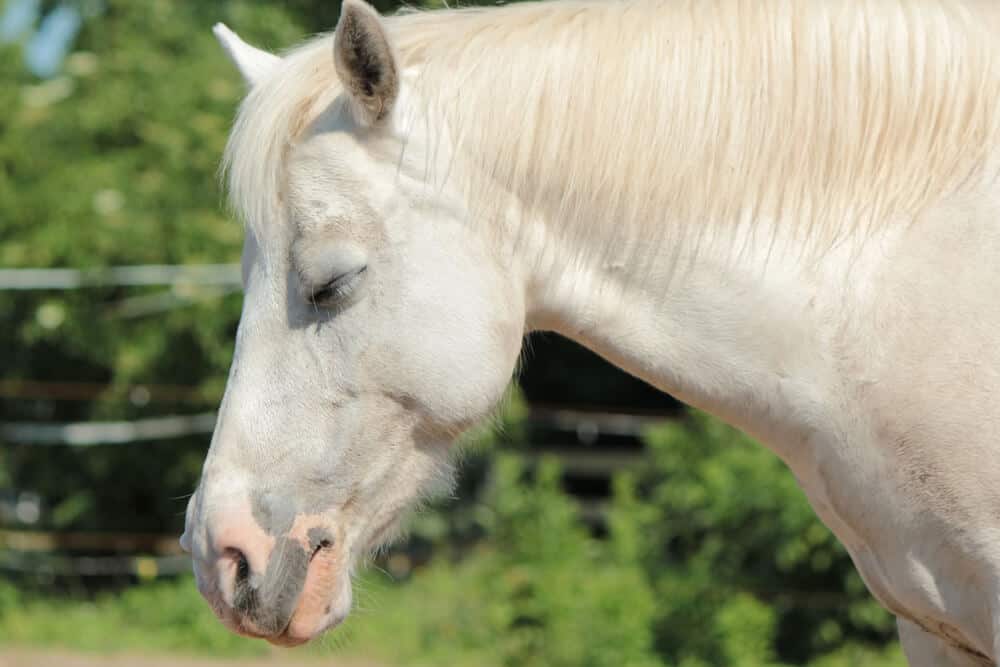
- Sleep: Horses also need a small amount of deep sleep, around 3-4 hours per night. They can sleep standing up, but they require lay down for the REM stages of sleep.
- Monitoring Health: Regular health checks are essential to identify any early signs of illness or distress, such as sleep deprivation, which can severely impact a horse’s well-being.
Training and Exercise
Training and exercise are essential for maintaining a horse’s physical health and emotional well-being. Young horses or those new to training require a gentle approach, scaling up the intensity and duration of exercise as they grow and develop.
- Exercise Routine: A structured routine with a mix of activities prevents boredom and ensures all muscle groups are engaged.
- Rest Days: Incorporating rest days is crucial for recovery and overall health.
Proper care of horses by conscientious horse lovers ensures that numerous populations of domestic horses lead fulfilling and healthy lives. Through dedicated management, these beloved animals can thrive and foster a deep bond with humans.
Cultural Impact and Human Interaction
Horses have long been regarded as incredible animals with significant roles in various cultural and social contexts throughout history.
Horses in Society
Since their domestication, horses have been valued partners in the fabric of human society. They have shouldered burdens, ploughed fields, and carried soldiers into battle, embedding themselves as stalwarts in human advancement. These magnificent animals have also played a pivotal role in North America, contributing to exploration, trade, and the very shaping of civilisation. The presence of wild horses, with their beauty and spirit, continues to captivate and symbolise freedom and untouched nature, often featuring within National Geographic documentaries that reach audiences across the globe.
- Work: Horses were indispensable in agriculture and transport for a long time.
- Symbolism: They often represent power and freedom in cultural narratives.
Horses and Entertainment
Horses have always been a source of entertainment, from traditional equestrian shows to modern-day horse racing, which draws crowds by the thousands. Races like those held by Coolmore Stud have become a cultural phenomenon, offering excitement and even employment to many. Beyond the race tracks, horses have entranced audiences in circuses, parades, and classical music performances, elevating the experience with their grace and poise.
- Horse Racing: A sport that has turned horses into stars on the track.
- Performing Arts: Horses are often associated with elegance in ballets and orchestral performances.
The relationship between horses and humans is deeply woven into the culture and continues to be a source of fascination and admiration.
Fun Horse Facts
Horses are not just splendid creatures but also bear some quite intriguing characteristics. For example, an Arabian horse typically has fewere bones than other breeds, normally having around 203 due to one less rib, one fewer lumbar vertebra, and occasionally a missing tail bone.
They also have a remarkable number of ear muscles. Horses have ten ear muscles which allows their ears to rotate up to 180 degrees. This ear movement isn’t just for show; they communicate with their peers through ear positioning.
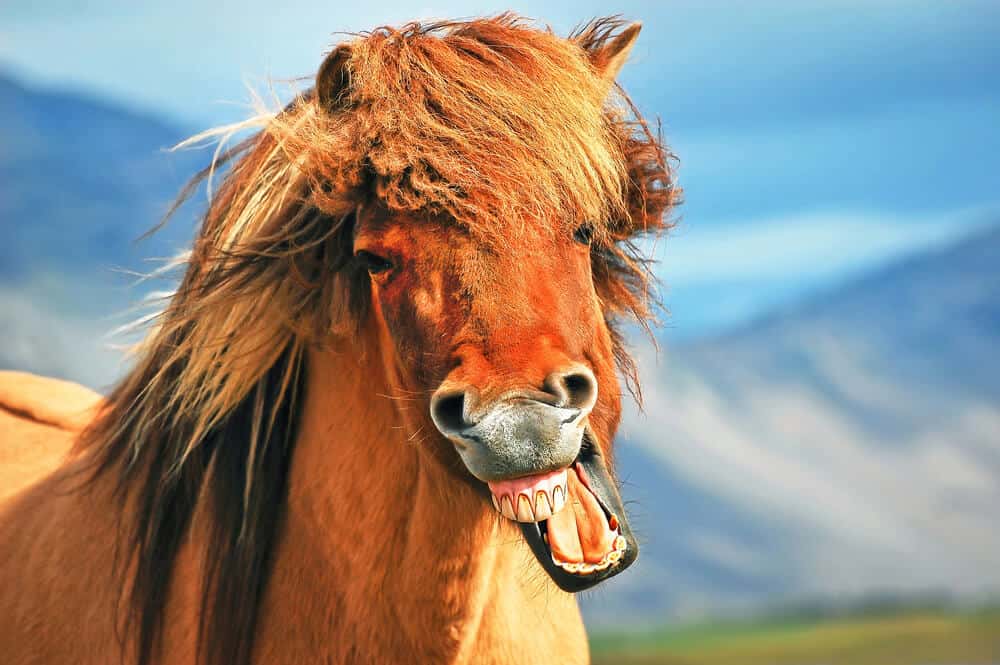
Horses vary in size and lifespan. Generally, a horse can grow to a height between 14 to 18 hands (a hand is a unit of measurement equal to 4 inches). Their lifespan can stretch up to about 30 years, reflecting the care and environment they are provided with.
When it comes to weight, the average horse tips the scales at approximately 1200 pounds. Despite this heft, they are capable of delivering a powerful kick in a mere 0.3 seconds.
Interestingly, horse sweat contains a substance known as latherin. This natural detergent helps to spread the sweat over their coat, aiding in heat dissipation.
Finally, the phobia of horses is called hippophobia. It’s a rare condition, but as with all phobias, it can be quite distressing for those who experience it.
Equine Curiosities
Horses are marvellous creatures, and they never cease to amaze equestrians and animal lovers alike with their unique characteristics. One must truly admire how horses possess almost a 360-degree field of vision due to their eyes being set on the sides of their heads. This wide range of vision, however, leaves them with two blind spots — directly in front and behind them, shaping their perception of the world quite differently compared to humans.
Interestingly, horses have one bone less in their skeleton than humans — with 205 bones horses are just shy of the human count by one. It’s an astounding fact that adds to the complexity of these noble animals. Additionally, their upper lip is incredibly tactile and capable of performing various tasks with surprising dexterity.

Excellent Hearing
When it comes to senses, horses showcase an excellent hearing ability. They can hear frequencies that humans often miss, which is beneficial for detecting predators or recognizing human commands. Moreover, the binocular vision of a horse is quite exceptional, allowing it to judge distance while they graze or navigate their environment.
For those who cherish a deep sleep, horses might seem like enigmas. These animals are capable of sleeping both standing up and lying down, but interestingly, they can only achieve REM sleep when in a lying position. REM sleep is a cycle associated with deep sleep, which is essential for overall well-being.
Regardless of one’s favourite breed, whether it’s the majesty of white horses or the strength of a thoroughbred, these equine curiosities undoubtedly deepen the bond between horses and their admirers. Horse enthusiasts might be fascinated to learn that horses’ tails and manes are made of the same substance as human hair — keratin.
The diversity and richness of the horse world continue to be a source of wonder and enjoyment for equine enthusiasts everywhere.
More Amazing Horse Facts!
What is a female horse called?
A female horse is called a mare once she turns four years old; before that, she is referred to as a filly. Baby horses, known as foals, are incredibly precocious and can stand and walk shortly after birth. This quick development is a trait of many prey animals, as it is vital for their survival.
Can Horses Sleep Standing Up?
Yes, they certainly can! Horses sleep standing up by locking their leg joints. This feature is especially handy in the wild, allowing them to swiftly escape predators. They do, however, also lie down for short periods to achieve REM sleep, which is essential for a restful slumber.
What’s an Interesting Fact About Horses’ Age?
One can compare a horse’s age to human years to some extent. For instance, a 3-year-old horse might act similarly to an 18-year-old human, while a 20-year-old horse could be likened to a 60.5-year-old person.
Are There Fun Facts Specific to South African Horses?
South Africa boasts a rich equestrian history. A fun fact is that they have their own unique horse breeds, like the Nooitgedacht pony, which is known for its sure-footedness and amiable temperament.
Do Horses Have Good Memories?
They do indeed. Horses possess excellent memories, allowing them to remember individuals and places they haven’t encountered in years.
How Fast Can a Horse Run?
The top recorded speed of a horse is held by a horse named Winning Brew, which reached 43.97 mph.
How Many Bones Does a Horse Have?
A typical horse has 205 bones. However, Arabian horses often have one fewer rib and lumbar vertebra, and occasionally a missing tail bone, reducing their count to approximately 203.
Do Horses Dream?
As horses experience REM sleep, it is highly likely that they dream, though we can’t ascertain what gallops through their minds in their slumber.
Can Horses See in Different Directions?
With their eyes on the sides of their heads, horses have a broad field of vision, enabling them to see in different directions and spot potential threats.
Who is the oldest horse on record?
When it comes to longevity, the oldest horse on record was “Old Billy,” who lived until he was 62. This is quite exceptional, as the exact age of a horse can usually be determined by its teeth, and most horses live between 25 to 30 years.
What is the fastest recorded speed of a horse?
The fastest recorded sprinting speed of a horse was an astonishing 55 mph!
Final Thoughts on our Amazing Horse Facts
Isn’t it just incredible to think about how horses have been by our side for thousands of years? They’re not just animals; they’re friends, athletes, workers, and so much more. Their sheer strength and elegance have carved out a special place for them in our hearts and our history, from ploughing fields to racing across finish lines.
And get this, their ears are like super-powered antennas, picking up sounds from 55 to 33,500 hertz. That means they can hear things we can’t even imagine. Imagine being able to hear a whisper from way across a field – that’s a horse for you!
Their eyes are something else, too. They’ve got the biggest peepers of any land critter, giving them a view of the world that’s almost a full circle. It’s like they’ve got their own built-in security system, always on the lookout for anything sneaky coming their way.
Size!
Now, let’s talk size. These beauties can be HUGE. We’re talking about some draft horses that are like the gentle giants of the horse world. A grown lady draft horse can stand 17 hands tall and weigh as much as a small car. And the gents? Even taller and heavier!
Oh, and did you know they’re saliva-making machines? Yep, they churn out about 10 gallons of the stuff every single day. It’s super important for them, helping all that hay slide down smoothly and keeping their tummies happy.
And when it’s time for a snooze, horses are pretty flexible. They can catch their Zs standing up, locking their knees to take a quick nap without tumbling over. But for the deep, dreamy sleep, they’ll lie down and maybe even dream about galloping in wide-open fields.
So there you have it. Horses are not just remarkable; they’re downright fascinating. With their mix of raw power, keen senses, and gentle hearts, it’s no wonder we’ve been smitten with them for so long. They’re truly one of nature’s finest, and we’re so lucky to have them trotting along in our lives.
Do you know of any amazing horse facts? I’d love to hear them in the comments below!