
Vintage Chinese decor brings a sense of timeless elegance and cultural richness to any space. From intricately carved wooden furniture to delicate porcelain vases, these pieces offer a glimpse into China’s rich artistic heritage.
Authentic vintage Chinese decor spans thousands of years, with items dating from the Han Dynasty through to the Qing Dynasty, each era contributing its unique aesthetic and craftsmanship.
Collectors and enthusiasts are drawn to the allure of antique Chinese furniture and home accents. These treasures often feature exquisite details like hand-carved motifs, lacquered finishes, and traditional symbols that tell stories of Chinese history and mythology. Popular items include ornate chests of drawers, armoires with light natural finishes, and decorative abacuses that serve both functional and aesthetic purposes.
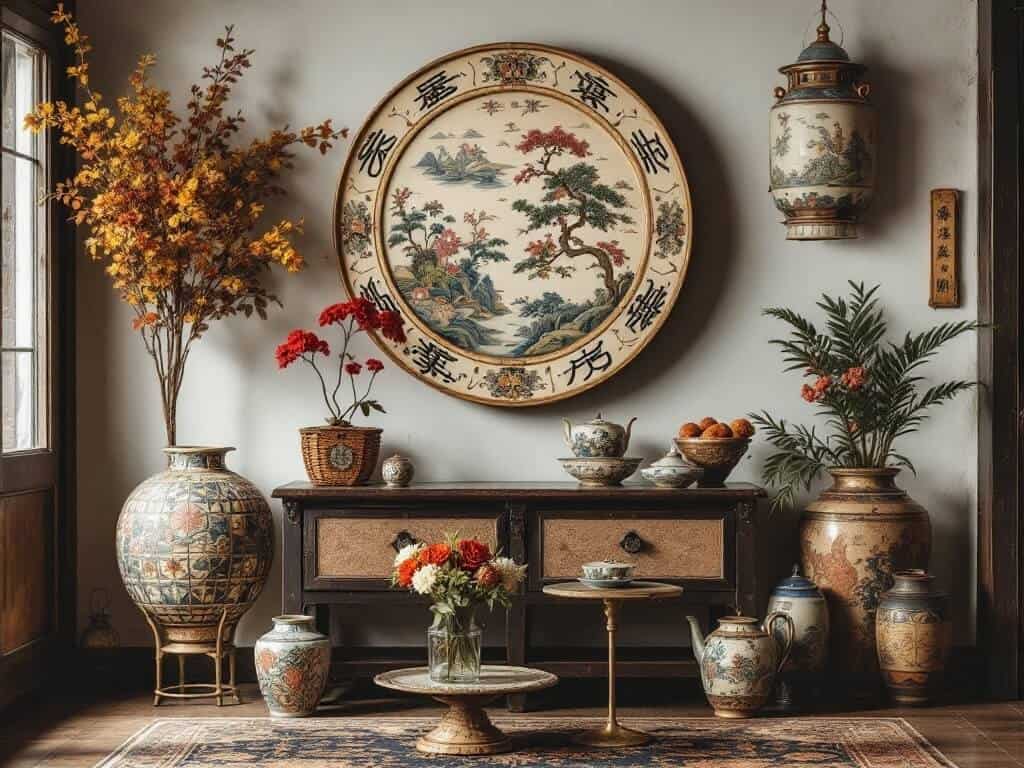
The beauty of vintage Chinese decor lies in its versatility. Whether incorporated into a fully themed Oriental room or used as statement pieces in a modern setting, these antiques add depth and character to interiors. As interest in Asian-inspired decor continues to grow, many are discovering the joy of bringing a touch of ancient Chinese artistry into their homes. Let’s explore this fascinating theme more.
The Essence of Vintage Chinese Decor
Vintage Chinese decor captures the timeless elegance and rich cultural heritage of China’s artistic traditions. It blends intricate craftsmanship with symbolic motifs, creating spaces that exude tranquillity and sophistication.
History of Chinese interior design
Chinese interior design has evolved over thousands of years, influenced by philosophy, religion, and social customs. The principles of feng shui guided room layouts, emphasising harmony and balance.
Ancient Chinese homes featured minimal furniture, with pieces serving multiple functions. Screens and room dividers were popular for creating flexible spaces.

Decorative elements like calligraphy, paintings, and porcelain added artistic flair. Natural materials such as bamboo, wood, and silk were prevalent, reflecting a deep connection to nature.
Historical Significance of Chinese Antiques
Chinese antiques hold immense cultural and historical value, offering glimpses into past dynasties’ artistic achievements. Many pieces showcase a rich history and exceptional craftsmanship passed down through generations.
Porcelain vases, bronze vessels, and jade carvings often feature in vintage Chinese decor. These items tell stories of ancient rituals, beliefs, and daily life.
Collectors prize Ming and Qing Dynasty furniture for its elegant designs and superior construction techniques. Antique lacquerware, with its lustrous finish and intricate decorations, exemplifies Chinese artistic mastery.
Chinese Furniture Through the Dynasties
Chinese furniture styles evolved distinctly across different dynasties, each leaving its unique mark on design history.
Han Dynasty (206 BC – 220 AD): Simple, low-lying furniture with straight lines. Tang Dynasty (618-907): Increased use of decorative elements and more elaborate designs. Song Dynasty (960-1279): Refined aesthetics with a focus on natural forms and minimalism. Ming Dynasty (1368-1644): Classic period for Chinese furniture design. Elegant, restrained forms with emphasis on joinery techniques. Qing Dynasty (1644-1912): More ornate styles, incorporating carved decorations and inlay work.
Each era contributed to the rich tapestry of vintage Chinese decor, offering a wealth of styles for modern enthusiasts to incorporate into their homes.
Identifying Authentic Chinese Antiques
Discerning genuine Chinese antiques requires a keen eye and knowledge of key characteristics. From furniture craftsmanship to rare ceramics, each piece tells a unique story of China’s rich artistic heritage.
Characteristics of Authentic Chinese Antique Furniture
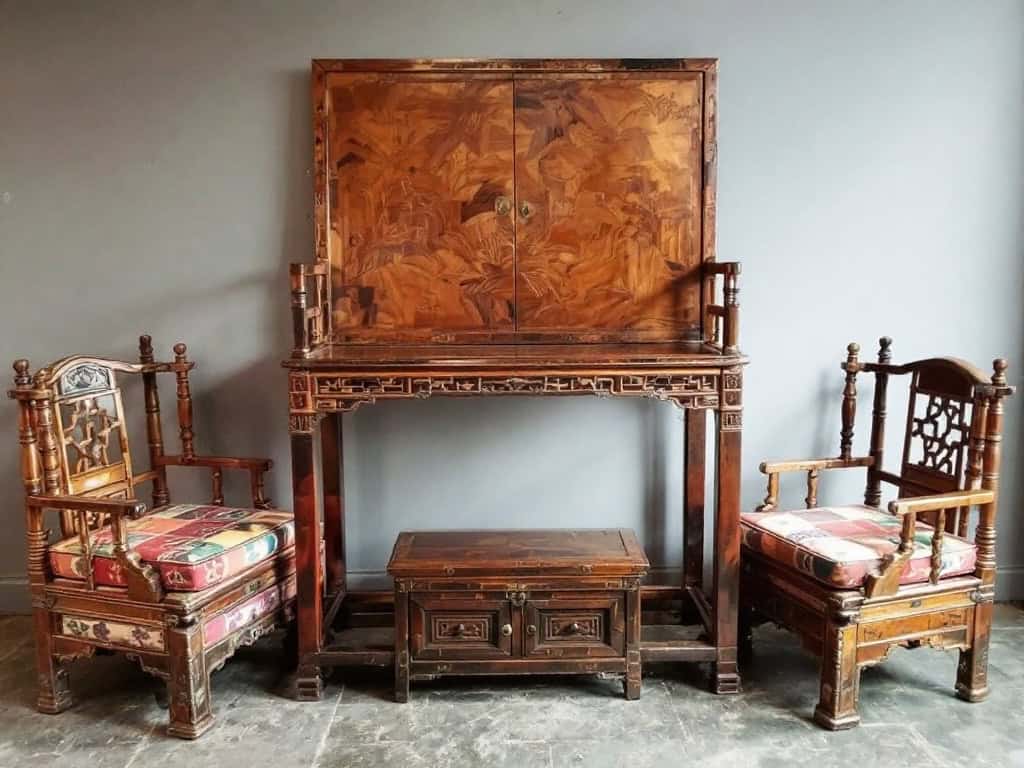
Authentic Chinese antique furniture often features solid elm wood construction, prized for its durability and beautiful grain. Look for dovetail joints and mortise-and-tenon connections, hallmarks of traditional joinery techniques.
Original hardware, such as brass fittings or decorative hinges, should show signs of age-appropriate wear. Patina develops naturally over time, giving authentic pieces a distinctive character.
Examine the overall condition carefully. While some wear is expected, excellent condition pieces command higher value. Beware of furniture that appears too pristine, as it may indicate a modern reproduction.
The Search for Unique Pieces
Hunting for unique Chinese antiques can be a thrilling adventure. Various places like flea markets, estate sales, and specialised antique shops are treasure troves for one-of-a-kind finds.
Research is crucial. Familiarise yourself with different styles and periods of Chinese furniture. Ming Dynasty pieces, for example, are known for their simple elegance and minimal ornamentation.
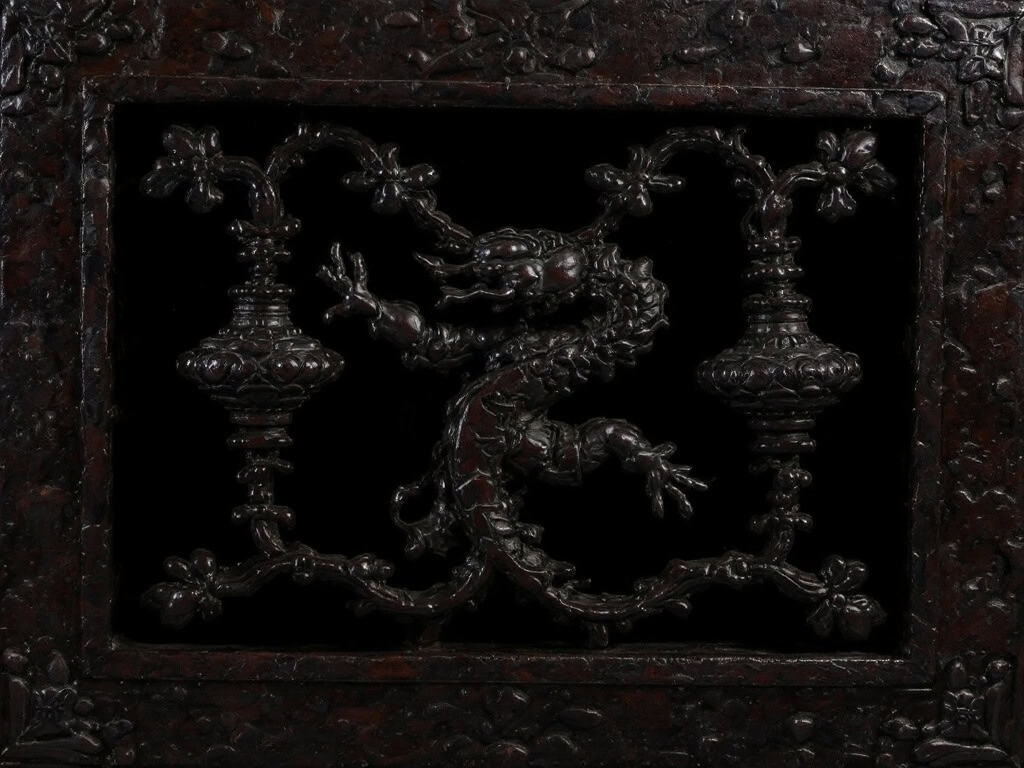
Don’t hesitate to ask sellers about an item’s provenance. A well-documented history can boost authenticity and value. Remember, true antiques often bear marks of their age, such as slight asymmetry or gentle warping.
Rare Chinese ceramic collectibles
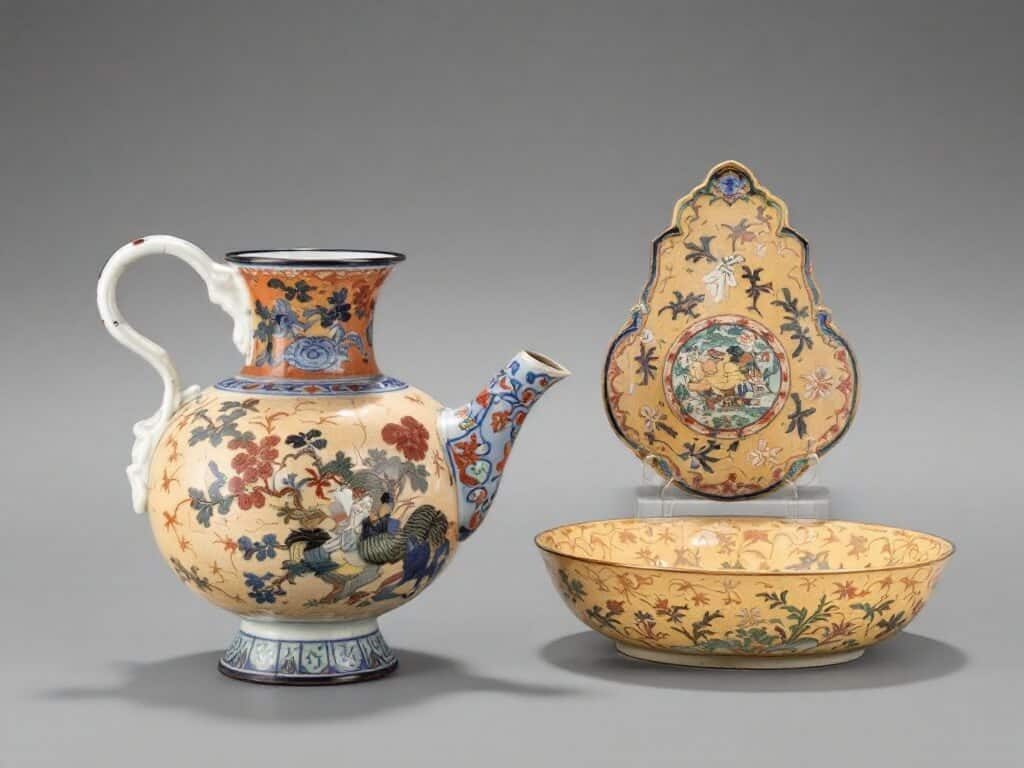
Chinese ceramics are highly sought-after for their exquisite craftsmanship and historical significance. Porcelain from the Qing Dynasty, particularly pieces from the Qianlong period, are especially prized by collectors in their original condition.
Pay close attention to reign marks, often found on the base of ceramic pieces. These can provide valuable information about the item’s age and origin. However, be aware that some marks may be later additions or reproductions.
Celadon, with its distinctive jade-like glaze, and delicate Famille Rose porcelain are among the most coveted styles. Look for intricate hand-painted designs and subtle glaze variations that indicate authentic craftsmanship.

Feng Shui and Aesthetic Appeal in Decor
Feng shui principles blend harmoniously with aesthetic appeal in Chinese home decor, creating spaces that are both visually pleasing and energetically balanced. The careful placement of furniture and thoughtful use of colour symbolism play key roles in achieving this harmony.
The Placement of Furniture for Harmonious Living
In feng shui home design, furniture arrangement is crucial for promoting positive energy flow. The main seating area should face the door, but not be directly in line with it.
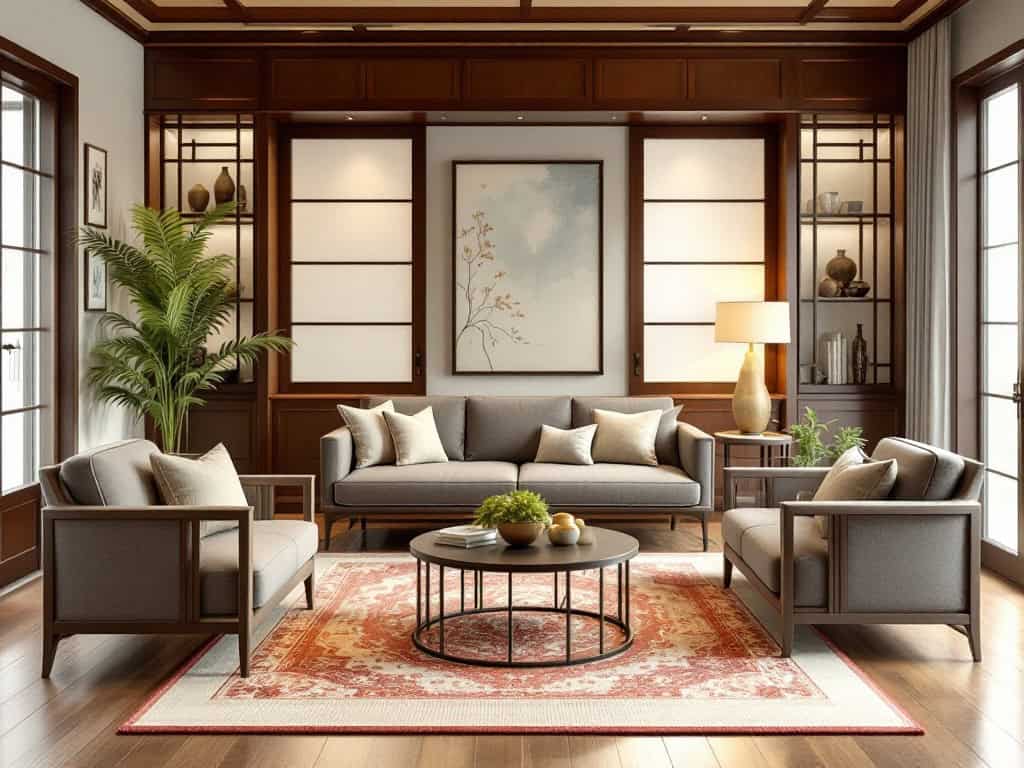
Large pieces like sofas are best positioned against solid walls to create a feeling of stability. Avoid placing furniture in sharp angles or blocking pathways, as this can disrupt the flow of energy.
Mirrors are used strategically to expand spaces and reflect light, but should not face the front door or bed. Round or oval tables are preferred over sharp-cornered ones to encourage smooth energy circulation.
Colour Symbolism and Design in Chinese Decor
Colours play a vital role in Chinese decor, each carrying specific meanings and energies. Red symbolises good fortune and is often used in accents or statement pieces. Gold represents wealth and is frequently paired with red for a classic look.

Green brings growth and vitality, making it ideal for living areas. Blue and black should be used sparingly, as they represent water elements which can dampen fiery energy.
White, whilst associated with mourning, can be used to create a sense of spaciousness and purity when balanced with warmer tones. Earth tones like brown and beige promote stability and grounding.
Incorporating these colours thoughtfully can enhance both the aesthetic appeal and the energetic balance of a space, creating a harmonious and inviting atmosphere.
Incorporating Chinese Decor in Modern Homes
Chinese decorative elements can bring a touch of elegance and history to contemporary living spaces. Blending traditional Asian aesthetics with modern design creates a unique and sophisticated atmosphere.

How to decorate with Chinese antiques
Chinese antiques add character and depth to modern interiors. Placing a Ming dynasty cabinet against a neutral wall creates a striking focal point. Antique screens serve as room dividers or statement pieces, their intricate designs contrasting beautifully with clean, modern lines.
Display smaller items like porcelain vases or jade carvings on floating shelves or in glass cabinets. These precious objects tell stories of China’s rich cultural heritage.
When selecting antiques, focus on quality over quantity. A single exquisite piece can have more impact than multiple lesser items. Look for authentic craftsmanship and patina that speaks to the object’s age and history.
Mixing Traditional and Contemporary Elements
The key to successful integration lies in balance. Pair a sleek, minimalist sofa with ornate Chinese side tables. Hang traditional brush paintings in simple, modern frames.

Use colour to bridge old and new. Rich reds, deep blues, and jade greens from Chinese art complement contemporary neutral palettes. Introduce these hues through textiles like cushions or rugs.
Incorporate bamboo and wood accents to add warmth and texture. A bamboo floor lamp or wooden room divider can soften the hard edges of modern furniture.
Consider updating traditional Chinese motifs. Wallpaper with stylised cloud patterns or modernised dragon designs offers a fresh take on classic themes.
Decorative Pieces that Enhance the Home’s Ambience
Chinese porcelain vases are versatile decorative elements. Use them as standalone pieces or fill with bamboo stems for a natural touch. Blue and white ginger jars add a pop of colour to shelves or mantels.

Introduce tranquillity with a small indoor water feature inspired by Chinese gardens. The gentle sound of flowing water creates a calming atmosphere.
Lantern-style light fixtures cast a warm glow and interesting shadows. Choose designs that blend traditional shapes with contemporary materials.
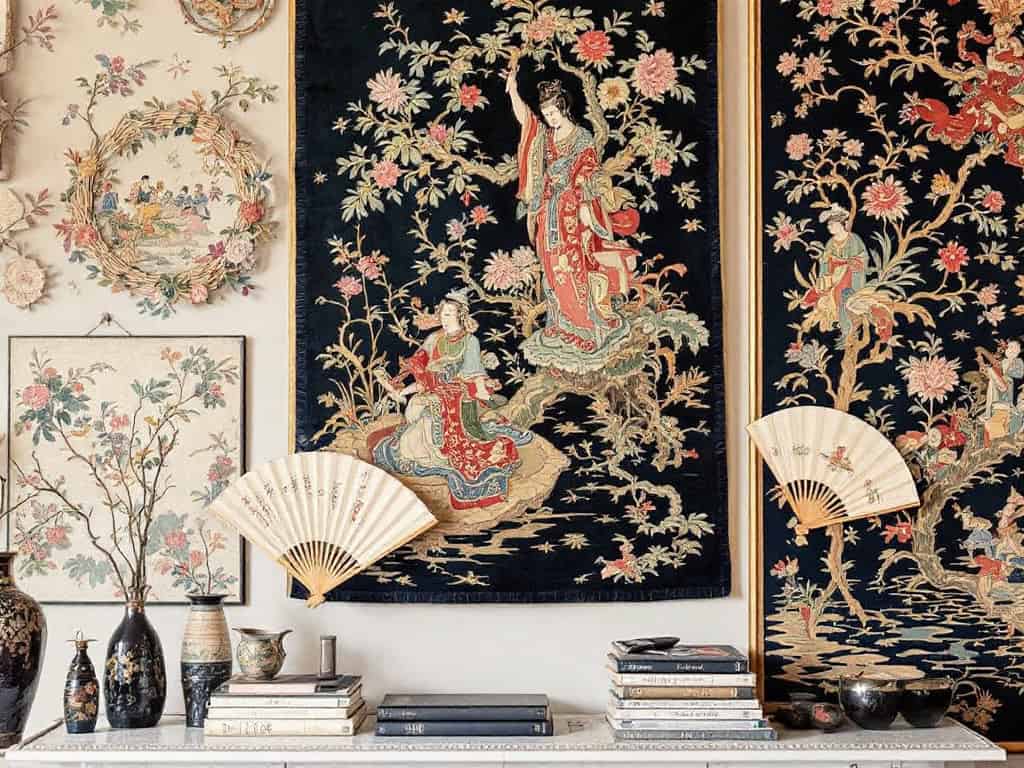
Decorative fans or scrolls hung on walls provide texture and visual interest. Select pieces with calligraphy or landscapes for an authentic Chinese feel.
Key Elements of Chinese Vintage Decor
Chinese vintage decor blends timeless elegance with cultural significance. It encompasses distinctive furniture, artistic traditions, and symbolic motifs that create a rich, atmospheric ambience.
Signature Furniture Pieces
Chinese vintage furniture often features exquisite craftsmanship and symbolic designs. The altar table, a narrow console traditionally used for ancestral offerings, makes a striking entryway piece. Door cabinets, with their ornate brass hardware, add storage and visual interest.
Coffee tables crafted from reclaimed wood or adorned with intricate carvings serve as focal points. Rattan-top side tables bring a touch of natural texture. Look for pieces with lacquer finishes in deep reds, blacks, or rich browns.
Antique Chinese chairs, often featuring horseshoe backs and carved splats, add authenticity. Consider mixing vintage finds with modern elements for a balanced look.

Best vintage Chinese furniture styles
Ming Dynasty-inspired pieces are prized for their clean lines and minimalist aesthetic. Qing Dynasty furniture tends to be more ornate, with elaborate carvings and inlays.
Chinese Art Deco, popular in the early 20th century, blends Eastern and Western influences. These pieces often feature geometric patterns and luxurious materials like rosewood.
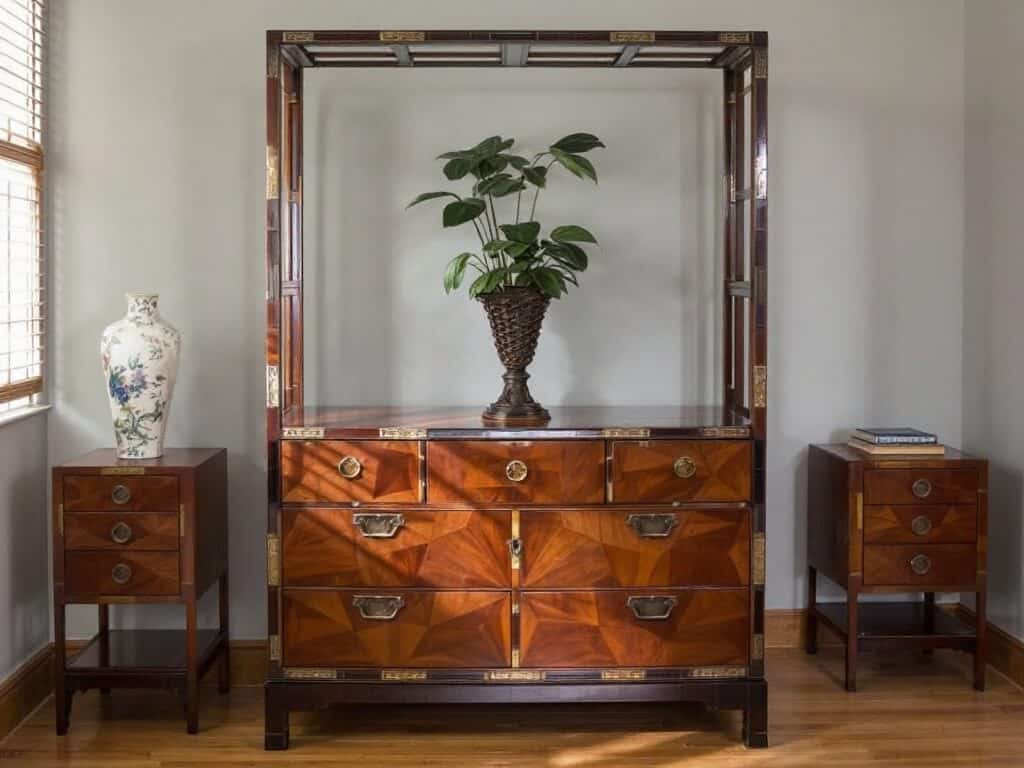
Provincial styles vary by region. Shanxi furniture is known for its painted details, while Fujian pieces often incorporate rattan or bamboo.
When selecting vintage Chinese furniture, look for signs of age and craftsmanship. Dovetail joints, hand-carved details, and original hardware indicate quality and authenticity.
Accentuating with Chinese Artistic Traditions
Chinese calligraphy art adds a sophisticated touch to any space. Frame antique scrolls or contemporary works featuring auspicious characters or poetic phrases.
Incorporate Chinese lacquerware for pops of colour and shine. Decorative boxes, trays, or screens with intricate designs bring depth and visual interest.
Porcelain vases and ginger jars, adorned with traditional blue and white patterns or vibrant famille rose palettes, make striking accents.
Display vintage textiles like embroidered silk panels or hand-painted fans. These pieces add texture and tell stories of Chinese craftsmanship and symbolism.
Where to Find and How to Care for Vintage Chinese Decor
Discovering and preserving vintage Chinese furniture and decor can be a rewarding journey. With the right knowledge and resources, collectors can find unique pieces and maintain their beauty for years to come.
Where to buy vintage Chinese furniture
Antique shops, estate sales, and online marketplaces are excellent sources for vintage Chinese furniture. Many speciality shops focus on Asian antiques, offering a curated selection of pieces. Online platforms like Etsy and 1stDibs connect buyers with sellers worldwide, expanding the range of available items.
Auction houses often feature Chinese antiques, providing opportunities to acquire rare and valuable pieces. For those new to collecting, local flea markets and charity shops can yield surprising finds at more affordable prices.
When shopping online, look for detailed descriptions and clear photos. Reputable sellers should provide information on the item’s age, condition, and provenance.
Navigating the Market for Asian Antiques
Understanding the market for Asian antiques is crucial for making informed purchases. Research different styles, periods, and makers to recognise quality pieces. Books, museums, and antique fairs are valuable resources for developing this knowledge.
Be wary of reproductions masquerading as antiques. Authentic pieces often bear marks or signatures that can help verify their origin. When in doubt, consult an expert or appraiser specialising in Asian furniture.
Pricing can vary widely based on age, condition, and rarity. Establish a budget and be prepared to negotiate, especially at markets or with individual sellers. Building relationships with trusted dealers can lead to better deals and access to unique items.
Maintenance and Preservation of Antiques
Proper care is essential to maintain the beauty and value of vintage Chinese furniture. Dust regularly with a soft, dry cloth to prevent buildup. Avoid harsh chemicals or excessive moisture, which can damage delicate finishes.
Control the environment where antiques are displayed. Keep pieces away from direct sunlight and heat sources to prevent fading and warping. Use humidity controls to maintain a stable environment, ideally between 45-55% relative humidity.
Apply a thin coat of high-quality furniture wax annually to protect wood surfaces. For lacquered pieces, use a specialised lacquer polish. Handle items with clean, dry hands to avoid transferring oils that can harm finishes.
Restoring antique Chinese furniture
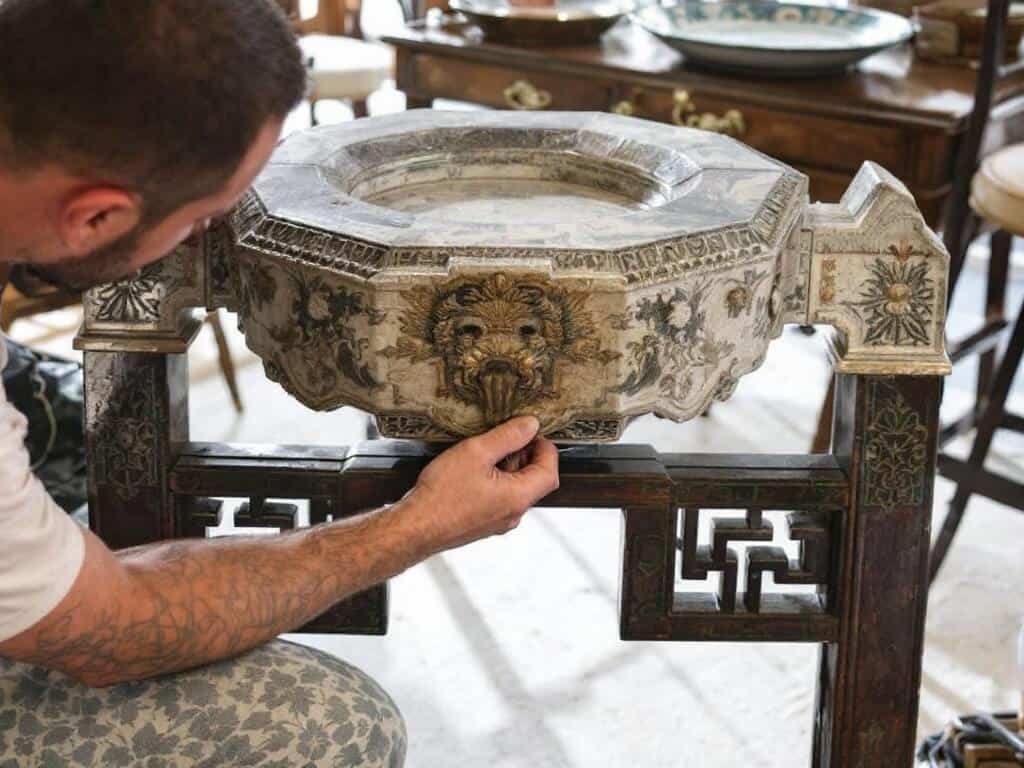
When restoration is necessary, seek professional help to maintain the piece’s integrity and value. Experts can address issues like loose joints, damaged veneers, or chipped lacquer without compromising the antique’s character.
For minor repairs, use period-appropriate materials and techniques. Traditional Chinese joinery often relies on precise fit rather than nails or screws. Respect these methods when making repairs.
Avoid over-restoring, as patina and signs of age can add value to antiques. Focus on stabilising and preserving rather than making pieces look new. Document any restoration work for future reference and to maintain the item’s provenance.
Innovative Ideas for Chinese Themed Spaces
Chinese-inspired décor offers endless possibilities for creating unique and captivating spaces. From traditional motifs to modern interpretations, these ideas blend Eastern aesthetics with contemporary design sensibilities.

Designing with Iconic Chinese Motifs
Incorporate classic Chinese symbols and patterns to infuse spaces with cultural richness. Use stylised cloud motifs on wallpaper or upholstery for a subtle touch. Add dragon or phoenix designs on cushions or wall art for a bold statement.
Decorative screens featuring intricate fretwork patterns. These versatile pieces can divide rooms or serve as striking wall accents. Lacquered furniture with mother-of-pearl inlay adds a luxurious feel.
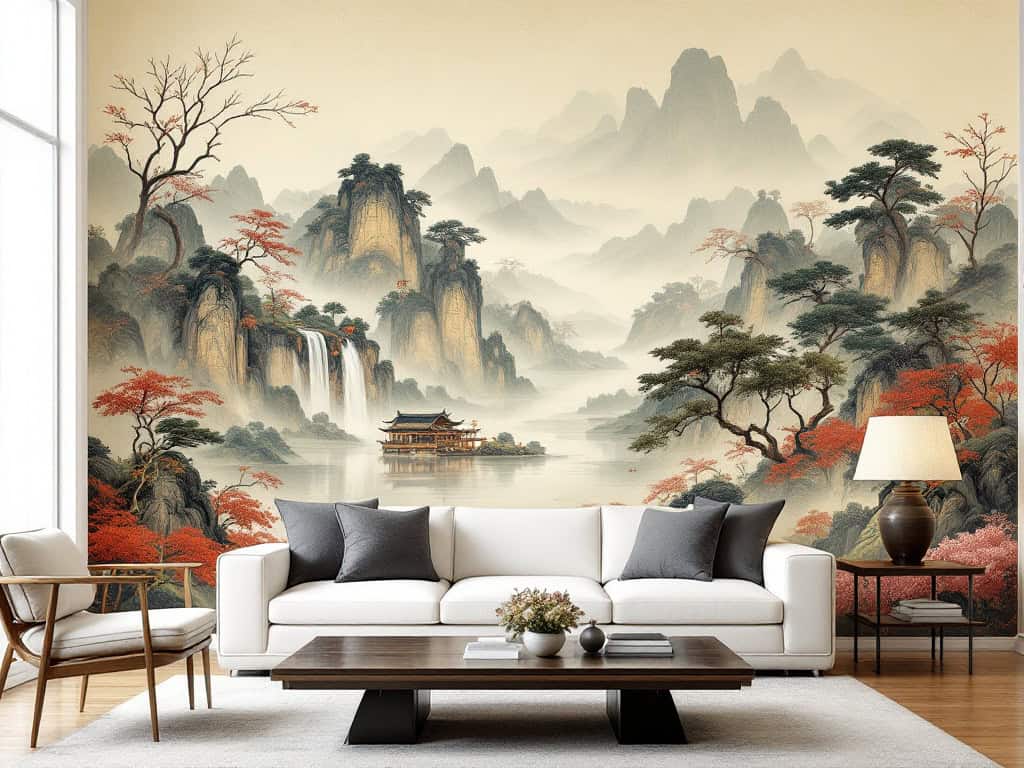
For a modern twist, opt for oversized wall murals depicting Chinese landscapes or calligraphy. Pair these with sleek, minimalist furniture to create an intriguing contrast between traditional and contemporary styles.
Creating an Inviting Atmosphere with Lighting
Lighting plays a crucial role in Chinese-themed spaces. Lanterns are quintessential elements that add warmth and character. Hang paper lanterns in varying sizes and colours for a festive ambience.
For a more refined look, choose silk lanterns with intricate embroidery or painted designs. Place table lamps with ceramic bases adorned with blue and white patterns for a classic touch.
install dimmer switches to create a cosy atmosphere reminiscent of traditional tea houses. Use warm, amber-toned bulbs to enhance the inviting glow. Incorporate candles in brass or ceramic holders for additional soft lighting.
Incorporating Chinese decor in modern homes
Blend Chinese elements seamlessly into contemporary interiors. Choose furniture with clean lines and Asian-inspired details, such as cabinets with decorative hardware or chairs with bamboo-like frames.

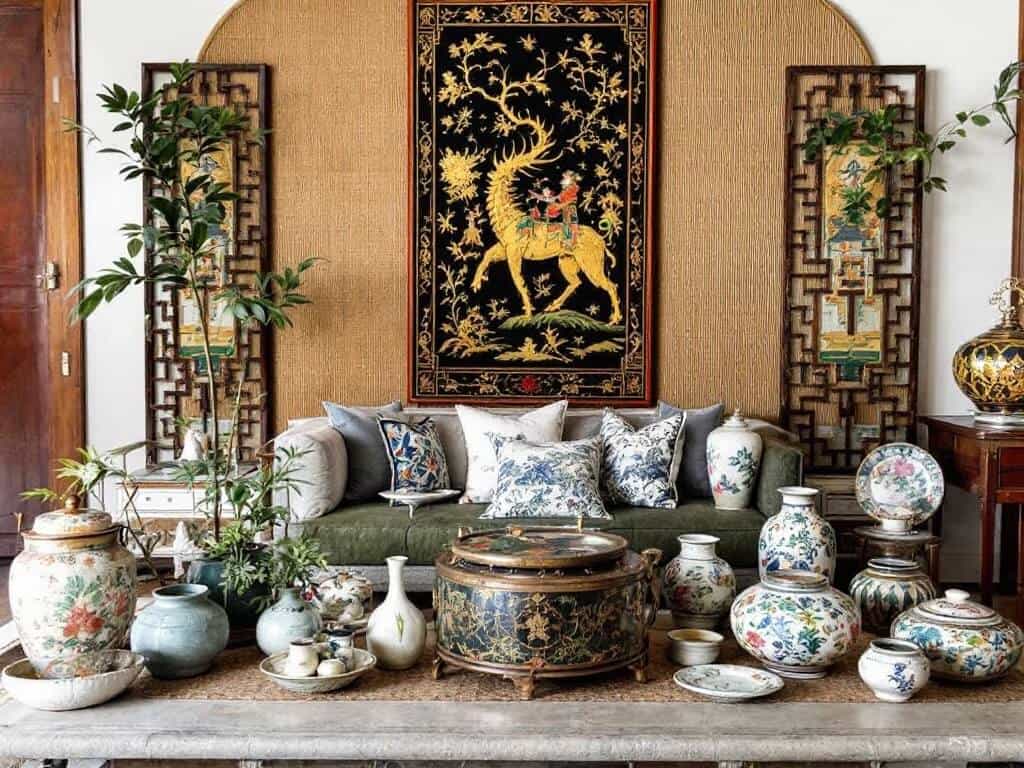
Display a curated collection of Chinese ceramics on floating shelves or in glass cabinets. Mix antique pieces with modern interpretations for an eclectic look. Use vibrant red accents sparingly to add energy without overwhelming the space.
Introduce natural elements like bamboo or cherry blossom branches in sleek vases. Hang abstract artworks inspired by Chinese calligraphy or landscapes for a subtle nod to the theme.
Chinese-inspired minimalist home design
Embrace the principles of simplicity and balance found in Chinese philosophy. Opt for a neutral colour palette with occasional pops of red or gold. Keep furnishings minimal, focusing on quality materials and craftsmanship.
Choose low-profile furniture with simple, elegant lines. Incorporate natural materials like wood, stone, and bamboo. Use shoji screens or translucent curtains to create flexible living spaces and diffuse light.

Add interest with textural elements such as grasscloth wallpaper or woven bamboo blinds. Display a single, striking piece of Chinese art or sculpture as a focal point in each room.
Affordable Chinese antique decor ideas
Create a vintage Chinese look without breaking the bank. Scour charity shops and flea markets for inexpensive ceramic vases, plates, or figurines. Group similar items together for a curated display.
Repurpose vintage silk scarves as wall hangings or cushion covers. Frame pages from old Chinese books or calendars for unique wall art. Use bamboo placemats as wall décor or tray liners.
Paint plain furniture in lacquer-like finishes or add Chinese-inspired hardware for an antique look. Create your own ‘antique’ screens by decoupaging plain room dividers with vintage-style wallpaper or fabric.
Thanks for stopping by today, I hope you’ve found this post on vintage Chinese decor helpful in your home design.