

Hey there, horse lovers! Are you ready to pick out the perfect name for your new Shire buddy? It’s such a fun part of welcoming your gentle giant into the family. These Shire horses are something special, aren’t they? With their impressive size and sweet nature, they deserve a name that’s just as awesome as they are. Whether you go for something classic or totally out-there, the name you choose is a big deal. It’s like the cherry on top of their already sparkling personality! I’ve put together this rather large guide on shire horse names. It’s been so much fun!
Think about what makes your Shire horse the apple of your eye. Is it their shiny coat, those dreamy eyes, or the way they trot around with such elegance? Maybe you’ve noticed they’re as brave as a knight in shining armor or as chilled out as a lazy Sunday afternoon. That’s your clue for picking a name that suits them to a T!
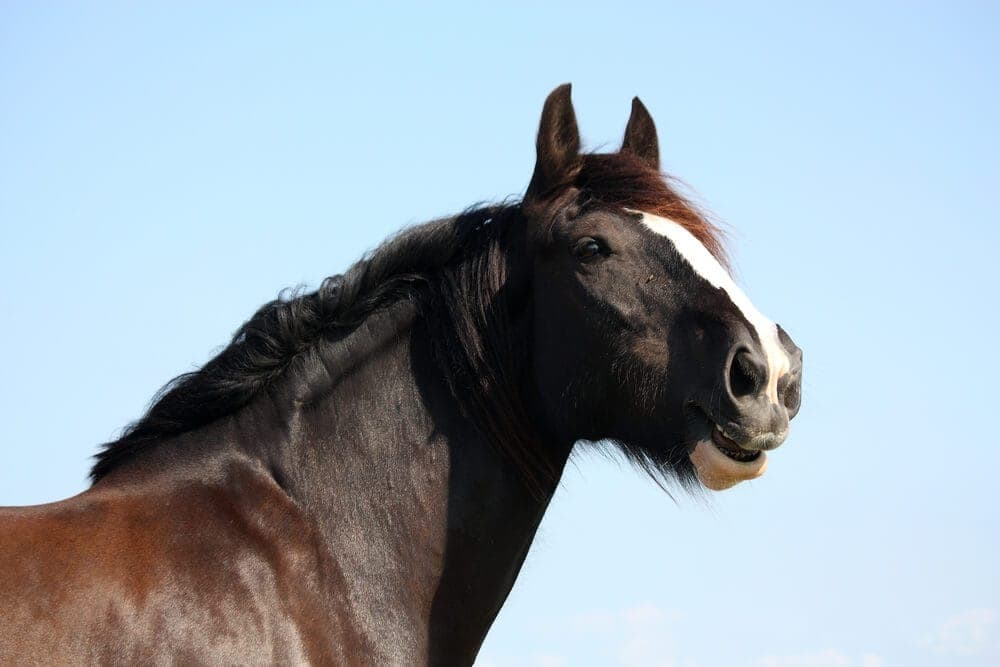
There’s a whole world of names out there, from the tried-and-true to the wonderfully wacky. You might find inspiration in their color, a little quirk they have, or even a horse hero from a storybook. Choosing a name that’s easy to holler out when you’re out in the fields is pretty handy, too. When you find that perfect match, it does more than just sound good, it builds a special connection between you and your horse that makes every day together even more magical. Let’s explore some great shire horse names and learn a little about the breed along the way.
History and Origins
The Shire horse carries a lineage steeped in the agricultural and war-torn history of Great Britain, tracing back to its medieval ancestors and evolving through selective breeding and registry efforts. I remember my late dad saying that during World War II his dad was in charge of looking after the war draught horses for the area. These strong horses were able to pull the heavy artillery with ease.
Development of the Breed
The progenitor of the Shire horse is believed to be the English Great Horse, which was highly valued during the reign of King Henry VIII for its strength in war. In medieval times, these massive equines were essential in carrying knights clad in full armour into battle, leading to their moniker as the war horse. Over time, the breed’s role transitioned from military to utilitarian, as they became the powerhouse behind farming and canal transport across British shires. In the early 1900s, the breed’s prominence in farm work peaked, reflecting the agrarian heart of Great Britain.
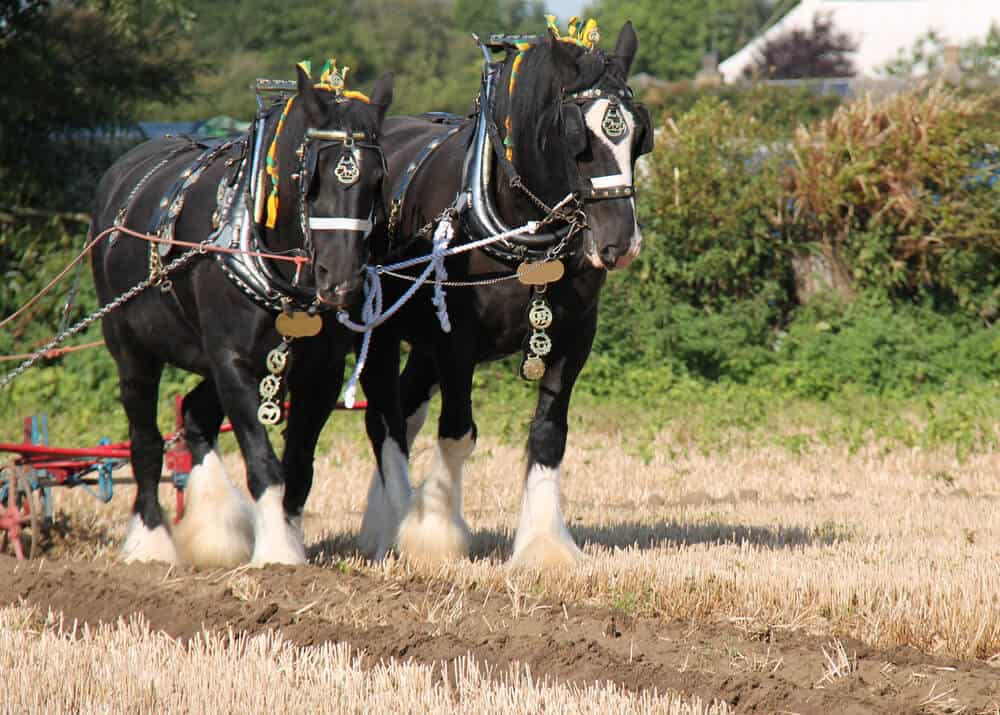
With the industrial revolution and the advent of mechanised farming, the breed’s numbers dwindled; however, thorough selective breeding, the Shire horse maintained its status not only as a draught horse but also as a symbol of bygone eras.
Shire Horse Society and Registry
The Shire Horse Society began its work in 1878 originally under the name English Cart Horse Society. This organisation was pivotal in the breed’s preservation and formal recognition. It not only established a breed standard but also began the meticulous recording of pedigrees. The first volume of the Society’s Stud Book was published in 1879, cataloguing the lineage of the Shire horse. This initiative ensured the breed’s continuity, allowing the Shire horse to retain its characteristics of a tall, solidly built draft horse, known for its capability to pull significant weight. The Society played a critical role in maintaining the breed’s quality and promoting its use across Great Britain, supporting both the rural and historical identity of the English Shire.
Breed Characteristics
The Shire horse is renown for its majestic stature and mild temperament, standing as one of the largest horse breeds worldwide.
Identifying Features
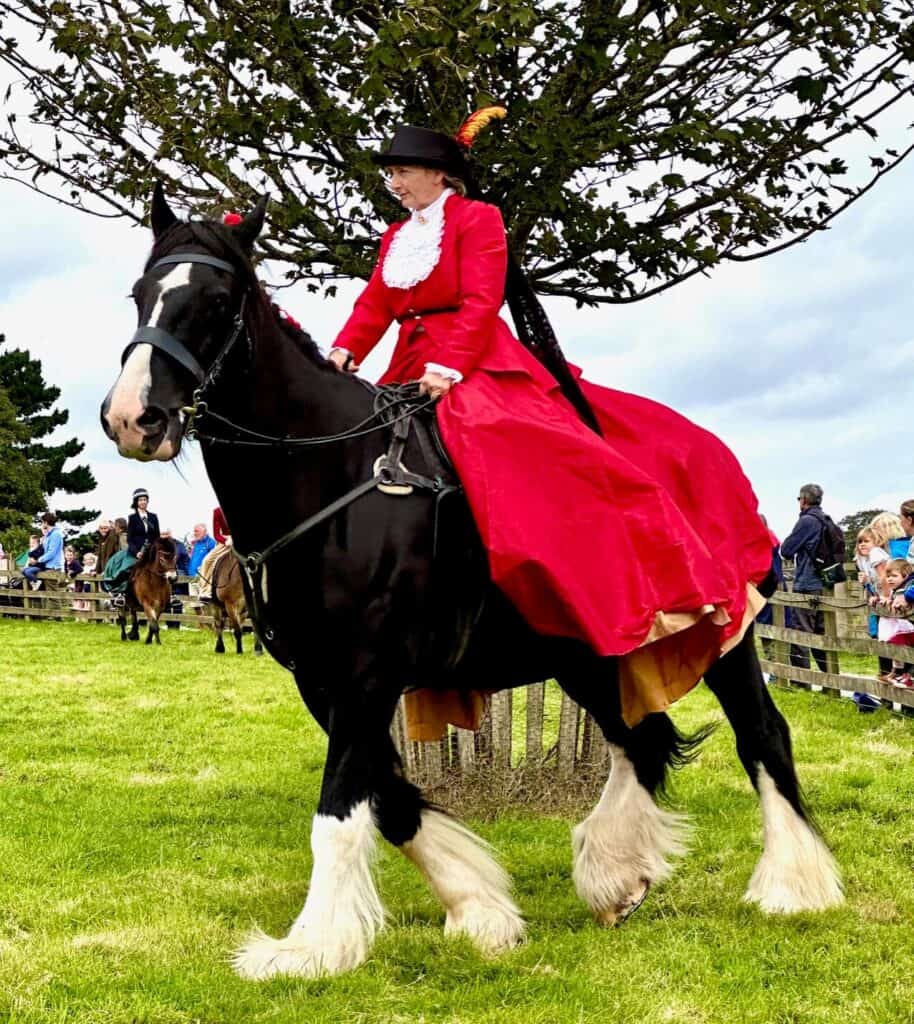
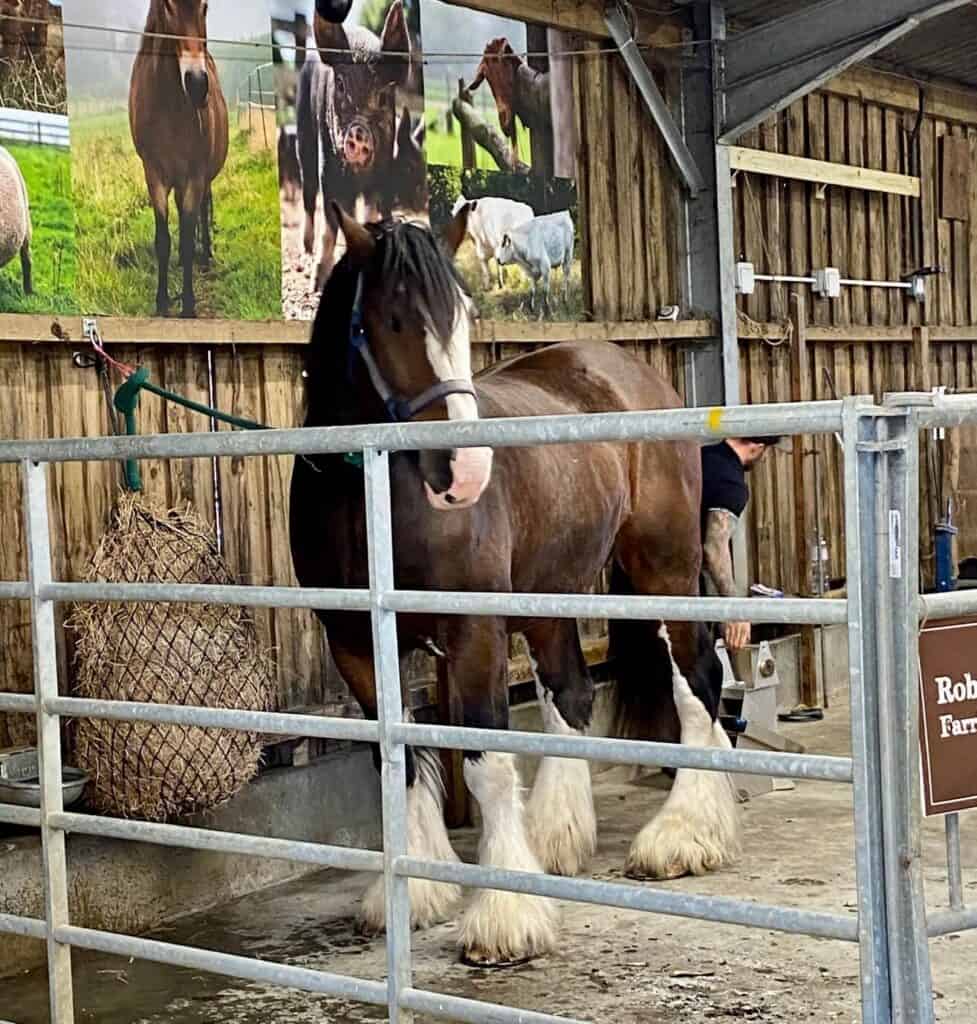
Shire horses are easily recognisable by their considerable size often classed as the largest horse breed. These gentle giants commonly stand at an average of 17 hands, with their height ranging from 16 to 18 hands. It is not unusual to find individuals stretching even taller. They predominantly exhibit solid coat colours such as black, bay, or grey. One can spot distinct features like the broad forehead and fine head which contribute to their noble appearance. Many Shires possess a white blaze on their face, which, along with long hair on their lower legs, known as ‘feathering’, distinguish them from other heavy breeds.
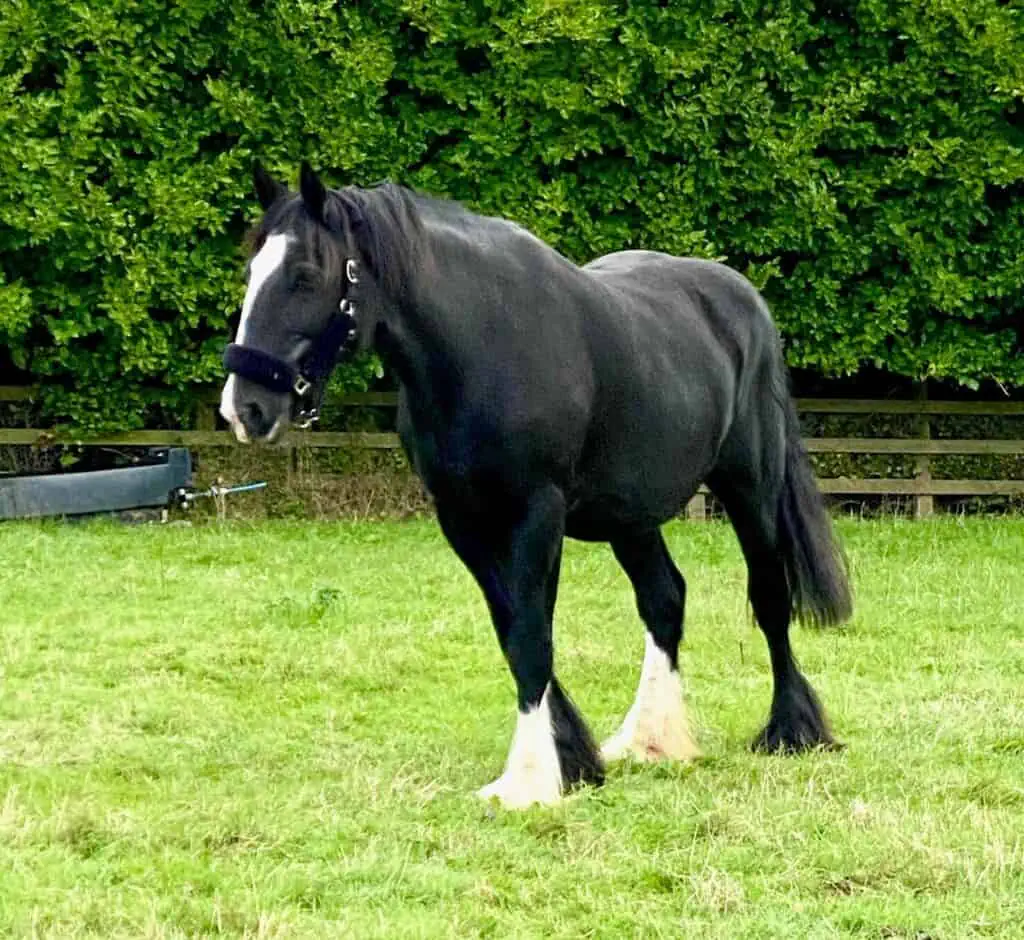
A Shire horse may come across as a white horse if it has excessive white markings, though it’s mostly a black Shire horse one will encounter. The breed’s sheer size and strength mark it not only as one of the largest but also as one of the premier draft horses.
Behavioural Traits
Shire horses demonstrate gentle behavior, one of the characteristics that endear them to humans. Despite their imposing size, they embody the moniker ‘gentle giants’ with their calm and amiable nature. They were historically used for demanding draft work, proving their ability to not only show remarkable power but also maintain an even-tempered demeanour. Their reliability and steady disposition make them suitable for various types of heavy work and interaction with people.
Naming Conventions
When choosing a name for a Shire horse, the decision involves a mixture of personal preference, cultural influences, and the horse’s characteristics. Recognising the impact of these factors helps ensure that the chosen name reflects the horse’s identity.
Factors Influencing Names
Several factors weigh in when naming a Shire horse. They include:
- Physical Attributes: A horse’s colour, size, and markings often inspire names. For example, a name like “Blanche” might suit a light-coloured mare well.
- Personality: A calm and gentle mare might be graced with a name like “Celestia”, invoking a sense of elegance and serenity.
- Heritage: Many owners consider a horse’s lineage when naming. Ancestors’ names may influence the selection, aiming to preserve a legacy.
- Use: A Shire used in shows may have a more distinguished show name, while its barn name might be simpler and more colloquial for daily use.
- Gender: Tradition may dictate certain names for mares and others for stallions or geldings.
Popular Names Through History
Shire horses often receive names that have stood the test of time, while others gain new names reflecting modern trends. A brief look at historic and popular names includes:
- Historic Influence: Names like “Harriet” might be inspired by notable figures such as Harriet Tubman, reflecting traits of bravery and determination.
- Trend-Inspired Names: Modern names can arise from popular culture or current events, giving the horse a contemporary identity.
- Uniqueness: Unique names are derived from various sources, setting a horse apart from its peers. These might include rare gemstones or literary references.
- First Horse: The first horse in a lineage or the first horse owned by a person can often receive a particularly significant or thoughtful name.
- Recognition: Some owners opt for names that are easy to recognise or call out in a herd, seeking both practicality and memorability.
Naming a Shire horse can be as much an art as a science, with the ideal name often being one that suits the individual horse perfectly, from its physical appearance and personality to its heritage and role in an owner’s life.
Ownership Essentials
When one takes on the role of a Shire horse owner, understanding the essentials of care and management is crucial. This large breed requires specific attention to maintain their health and natural beauty.
Caring for Shires
Shire horses, with their striking size and coat, demand regular grooming to keep their long strands of hair free from tangles and debris. Regular brushing is a must, especially for new owners, as it not only maintains the coat’s sheen but also allows for bonding. Owners should pay close attention to the horse’s colour, ensuring that any products used do not cause discolouration or harm to their distinct coats. Additionally, cleaning their hooves is essential to prevent issues, and considering their size, owners must be diligent and thorough.
- Grooming Checklist for Shire Horses:
- Daily brushing
- Weekly mane and tail care
- Hoof cleaning and inspection
Training and Management
Training and handling Shire horses, especially for inexperienced owners or a pair of Shires, can be an adventure due to their large size. It’s important to expose these gentle giants to a variety of experiences, including loud noises and rough roads, to prepare them for various environments, whether for farm work or leisure riding. Shire stallions, in particular, require confident and consistent management to ensure they respond well to commands and handling.
- Key Management Points:
- Exposure to varied environments
- Consistent training routines
- Understanding individual temperament for tailored training approaches
Cultural Significance
The cultural significance of Shire horse names is deeply anchored in various facets from their depiction in modern media to their symbolic resonance with the public. These names reflect not only the horse’s magnificent stature but also the affectionate nuances linked to their gentle behaviour and natural beauty.
Shires in Modern Media
In modern media, Shires have carved out a niche for themselves. They serve as a bridge between the fantastical elements of the stories and the grounding, reminiscent charm of English countryside tradition.
- Examples in Media:
- Beauxbatons’ carriage horses in the Harry Potter series are reminiscent of Shires in their majesty and power. However, they are magical made-up horses called Abraxan’s with the colour of Palomino’s and were bred by Madame Olympe Maxime!
- TV Shows that often portray period dramas like Victorian Farm have also included Shires, thus influencing audience perceptions and name choices.
Symbolism and Public Perception
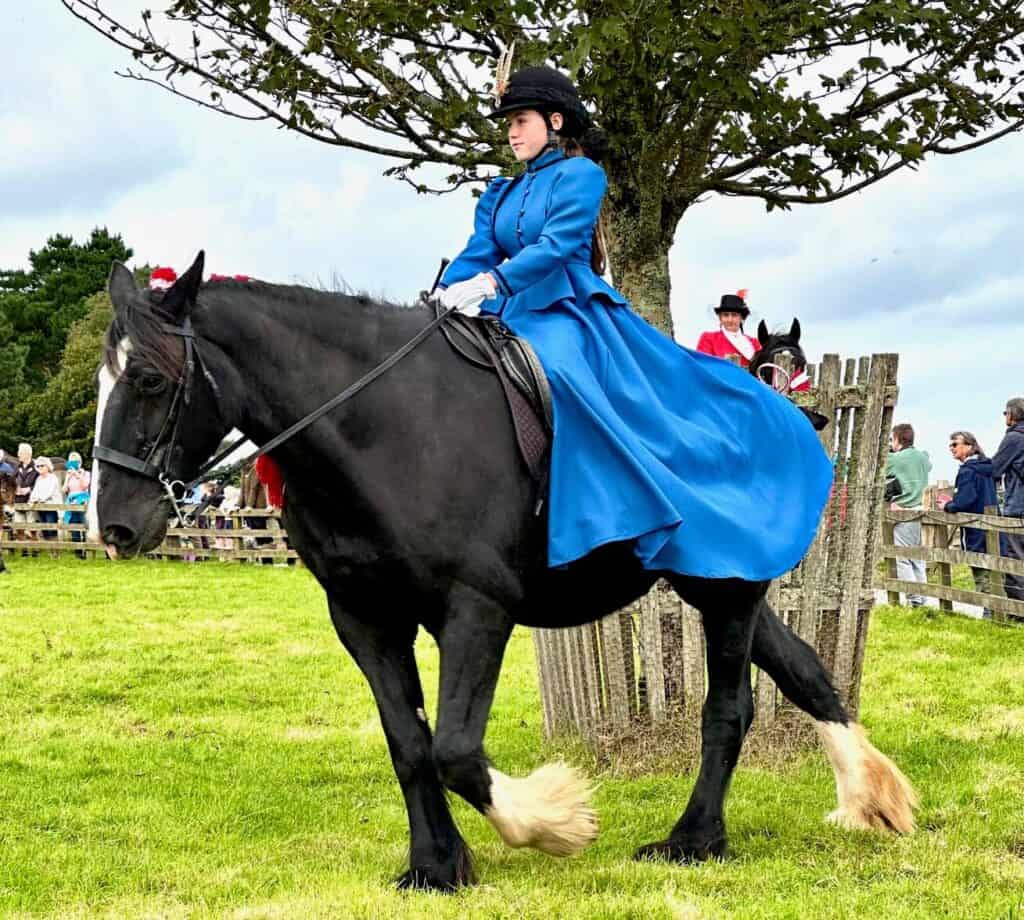
Public perception of Shires often centres around their majestic and gentle behaviour which is frequently mirrored in the names they’re given. Pubs in the UK have sometimes been named after these iconic horses, recognising their role in historical transport and agriculture, and thus symbolising a link to tradition and heritage. There is a place called The Shire Inn near me, that serves great food!
- Symbolism in Names:
- Gentle giants: Names often reflect the Shire’s large size and equable temperament.
- Natural beauty: The names may draw from the Shires’ striking physical traits such as their flowing manes and feathered hooves.
Table 1: Examples of Symbolic Shire Horse Names
| Name | Symbolism Reflecting Gentle Behaviour | Symbolism Reflecting Natural Beauty |
|---|---|---|
| Dulcet | Suggests sweetness and a soothing nature | |
| Oakheart | Sturdy and dependable personality | |
| Sapphire | Mirrors the captivating beauty of their coats | |
| Thistle | Resilience and natural connection to the UK flora |
By incorporating elements of cultural and historical significance along with perceivable character traits, Shire horse names often serve as a touchstone to the past and a testament to their endearing place in the present.
Breeding and Lineage
The Shire horse, often celebrated as a British great horse, stands as a magnificent example of equine heritage. Renowned for being the tallest horse breed, the Shire’s impressive stature is a sight to behold, often towering over other breeds with a commanding presence. Although there are other heavier breeds, the Shire combines both height and mass like few others can, showcasing a blend of strength and grace. The roots of this gentle giant can be traced back to its ancestor, the Old English Black Horse, which was a key foundation in the development of the Shire horse. This lineage contributes to the Shire’s reputation as a living testament to Britain’s history of breeding extraordinary draft horses. The Shire’s distinguished history and its role in agricultural and industrial work solidify its status as a true British great horse.
When selecting names for Shire horses, recognising the importance of breeding and lineage is crucial. These factors not only contribute to the horse’s traits but also carry historical significance.
Famous Shire Lineages
Some lineages have gained recognition for their outstanding contribution to the breed:
- The lineage of Arclid Adonis, a renowned Shire stallion bred in the United Kingdom and imported to Australia, has made a significant impact on the breed, particularly in Australian Shire breeding.
- Female Shire horses, often referred to as mares, are pivotal in contributing to the genetic diversity and quality of the breed. Famous mare lineages are cherished for their ability to produce exceptional offspring.
Notable lineages are preferred as they often demonstrate the pinnacle of the breed’s standards in both aesthetics and workability, influencing the breed across continents.
Registering Shire Horses
When registering Shire horses, owners must adhere to specific standards set by breed registries to obtain a certificate of ownership and naming. These documents affirm the horse’s purebred status and lineage.
Breed Registries and Standards
The American Shire Horse Association (ASHA) and the Shire Horse Society are the primary governing bodies that manage the breed standards and registration processes for Shire horses. To maintain breed integrity, they set forth comprehensive guidelines that must be followed.
- ASHA: This registry requires the official ASHA Certificate of Registration, which is a large, colourful document with a gold embossed seal.
- Shire Horse Society: Based in the UK, this society plays a significant role in preserving the breed standard across Europe.
A consistent registry process ensures that the heritage and quality of the breed remain intact.
Certificate of Ownership and Naming
After a Shire horse meets the breed standards, the next step is obtaining a certificate of registration.
- Certificate Details: This document should include the horse’s name, pedigree, and owner’s details. For an older horse, this may be a larger document, often 11.5″ x 14″ or more, in red/pink, white, and blue with a raised gold seal on the bottom left.
- Naming Conventions: The chosen name is a crucial part of the horse’s identity and is recorded on the certificate. It is important to select a name that is not only meaningful but also adheres to any naming guidelines set by the breed registry.
The name and registration serve as a verified record of the horse’s lineage, ensuring its eligibility for breed-specific competitions and breeding programs.
Comparative Analysis
In exploring the realm of naming Shire horses, one must consider how the breed compares to other draft types in both physicality and temperament, as these traits may inspire fitting names.
Shires Versus Other Draught Breeds
Shire horses stand out among draught breeds for their extraordinary size and strength. Typically, a Shire horse towers between 16 to 18 hands (64 to 72 inches) at the shoulder, compared to:
- Clydesdale horse, which stand usually around 16 to 17 hands (64 to 68 inches).
- Percheron horse, often ranging from 15 to 17 hands (60 to 68 inches).
In terms of weight, Shires can weigh a substantial 1,800 to 2,400 pounds, often outweighing other breeds like the Flemish horse which has a lower average weight range.
Physical and Temperamental Differences
Physically, Shire horses not only exhibit greater height and weight, but they also have unique feathering on their legs, broad backs, and powerful hindquarters which differentiate them from breeds such as Percherons or Clydesdales.
Temperamentally, they are known for their gentle and docile nature. For example:
- Clydesdale: Notable for being active and friendly.
- Percheron: Renowned for their intelligence and willingness to work.
- Shire: Praised for their calmness and good-nature, making them excellent for names that reflect serenity and strength.
These physical and temperamental characteristics are essential in inspiring names that reflect the spirit and stature of these magnificent horses.
Selecting a Shire
When looking to acquire a Shire horse, potential owners must consider various aspects that go beyond the horse’s majestic size. They must look for a suitable match that aligns with their experience and the horse’s unique attributes.
Purchasing Considerations
When purchasing a first horse, particularly a Shire which is known for its large size, there are critical factors to bear in mind:
- Health: A thorough veterinary check can ensure the Shire is in good health.
- Temperament: Assessing the horse’s personality traits is crucial as it should match the owner’s ability to handle and care for such a large horse.
- Purpose: Deciding whether the Shire will be used for riding, showing, or work influences the choice, as does the potential of owning shire stallions.
Matching Horse and Owner
Finding the perfect fit in a Shire involves considering the compatibility in personality traits and experience levels. Here’s how potential owners can match with their Shire:
- Owner’s Experience: A new owner might prefer a Shire with a more relaxed and forgiving nature.
- Horse’s Personality: A horse should be selected based on whether its personality – be it gentle or spirited – complements the owner’s lifestyle and expectations.
- Compatibility: Both the shire and the owner should feel comfortable with each other to foster a strong bond.
Naming Tools and Generators
When it comes to choosing a name for a Shire horse, owners are often looking for something that reflects the strength and noble character of this magnificent breed. Thankfully, there are several naming tools and generators available online that make finding the perfect moniker a breeze.
Name Generators: These online tools provide a creative way to find names suited to the unique traits of your Shire horse. By entering information such as the horse’s gender, colour, and distinctive features, the generator offers a list of potential names that match these characteristics. For example:
- Shire Horse Name Generator: This interactive tool ensures users can find a name that feels tailored to their horse. It often requires inputs like gender and horse’s color to curate a list of names.
- Female Shire Horse Name Generator: Specifically designed for mares, this generator helps in discovering names that might reflect the grace or strength typical of a female Shire horse.
Why Not Try Out My Shire Horse Name Generator?
Lists of Names: Comprehensive lists provide a selection of curated names that owners can browse through. Some lists may include meanings, making it easier to find a name with the desired connotation. These might range from the best name inspired by gemstones to those of historical figures or warriors, highlighting qualities like bravery and resilience.
50 Shire Horse Names
Here is a list of good names that are inspired by various themes such as strength, nature and mythology:
1. Titan
2. Willow
3. Hercules
4. Thunder
5. Eclipse
6. Avalon
7. Baron
8. Merlin
9. Sapphire
10. Goliath
11. Storm
12. Duchess
13. Knight
14. Forest
15. Majesty
16. Luna
17. Atlas
18. Sierra
19. Apollo
20. Breeze
21. Samson
22. Juniper
23. Odin
24. Misty
25. Duke
26. Raven
27. Griffin
28. Autumn
29. Thor
30. Meadow
31. Caesar
32. Dahlia
33. Galahad
34. River
35. Ares
36. Clover
37. King
38. Starlight
39. Vulcan
40. Ivy
41. Lancelot
42. Sky
43. Jupiter
44. Blossom
45. Admiral
46. Fern
47. Phoenix
48. Rose
49. Spartacus
50. Hazel
The Future of Shires
In recent years, there has been a renewed interest in the Shire horse, leading to critical discussions on their conservation and roles in modern contexts.
Conservation and Population Trends
The Livestock Conservancy has recognised the Shire horse as a breed in need of careful conservation due to dwindling numbers. Through dedicated breeding programmes and public awareness campaigns, there is hope to see a rise in their population. The Kangaroo Valley in Australia is one such place where the conservation efforts for these majestic horses have been remarkable, reflecting the global sentiment towards preserving this historical breed.
The Role of Shires in Modern Society
The modern Shire has seamlessly transitioned from a draft horse to a versatile breed, showcasing its prowess beyond just farm work. They’re increasingly celebrated as successful show horses, delighting audiences with their impressive size and gentle temperament. As farm horses, Shires continue to inspire a sense of nostalgia, while also serving in therapeutic and educational capacities, proving their adaptability and relevance in today’s society.
Resources and Further Reading
When searching further for the perfect name for a Shire horse, enthusiasts can explore an array of resources. Notable among these is the Shire Horse Society, which provides invaluable information about the heritage and history of the breed. Their insights can inspire names that reflect the noble lineage of these horses.
The American Shire Horse Association is another hub for breeders and owners. It offers a wealth of knowledge about Shire horses in the United States and can be a useful reference for names imbued with historical significance from across the pond.
For those in the Southern Hemisphere, the Australian Shire Horse Stud Book lists registered names and pedigrees, aiding owners in choosing a name that is unique and hasn’t already been claimed by another horse in the community.
Final Thoughts
Here are some listed names that capture the essence of this majestic breed and are my favourite!
| For Stallions | For Mares |
|---|---|
| Duke | Anuk |
| Zeus | Celestia |
| Tomas | Storm |
| Vicente | Raven |
| William | Duchess |
And just like that, we’re at the end of our name-choosing adventure! Remember, picking out the perfect name for your new horse is your chance to highlight their unique personality and the special bond you share. Whether you’ve settled on a name that’s as majestic as a castle or as cozy as your favorite pair of socks, it’s all about celebrating the joy and friendship that your first Shire brings into your life.
Have fun with it, and don’t rush—the right name might just come galloping into your heart when you least expect it. Imagine calling it out and seeing your horse’s ears perk up; that’s when you’ll know you’ve nailed it. Here’s to the wonderful memories you and your Shire will create together, each time you call their name with love. Happy naming, and happy trails to you and your gentle giant!