
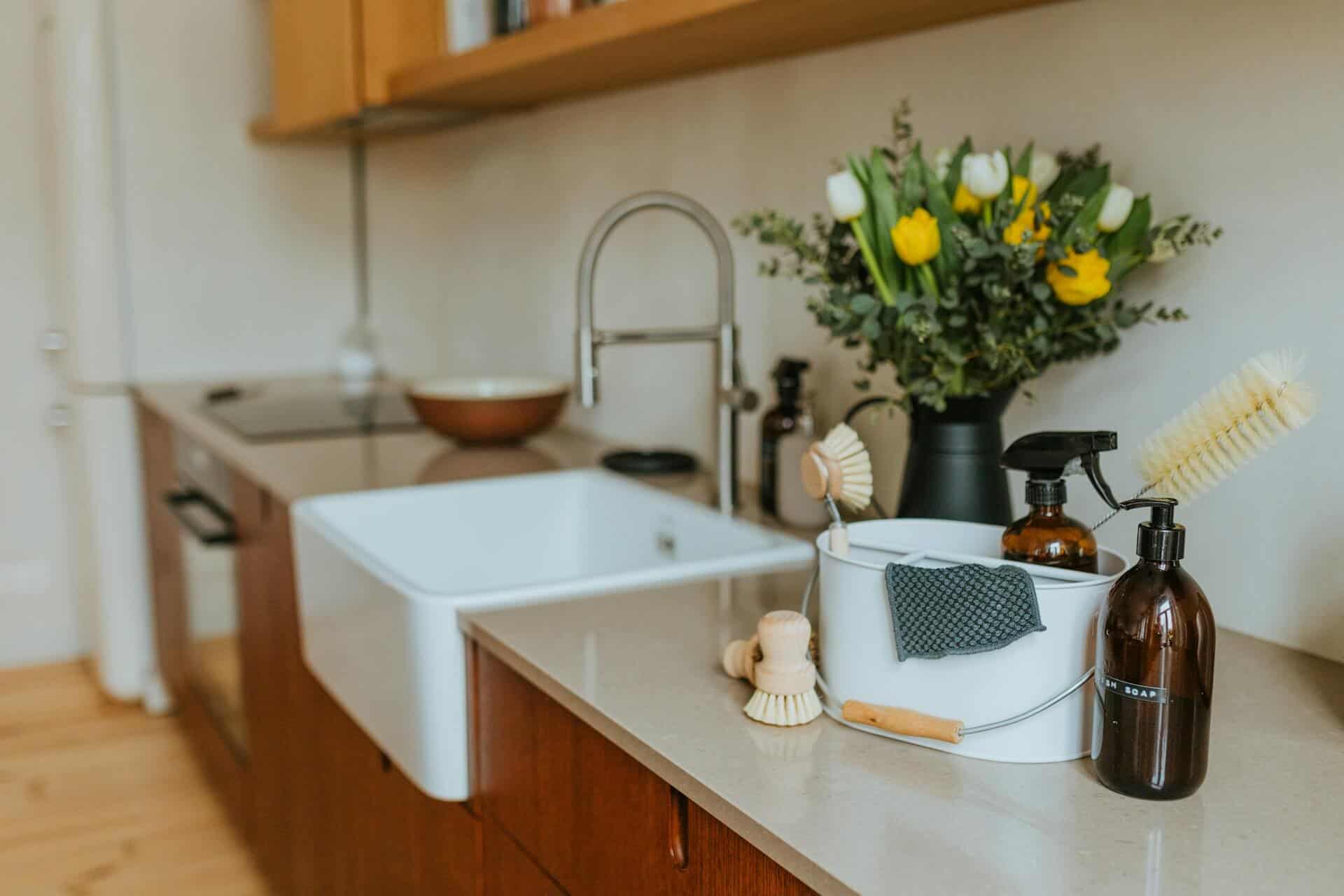
A pest-free home starts with removing the food, moisture and shelter that attract unwanted visitors. Eco-friendly prevention focuses on changing those conditions before reaching for stronger treatments. This protects indoor air quality, reduces unnecessary chemical use and supports a healthier garden. It also helps to understand why pests invade homes and how to successfully stop them, since even a tidy property can offer hidden access to warmth and water.
Understanding common entry points and the attractants that draw these unwanted guests is key to effective pest control, ensuring your home remains a sanctuary, not a haven for pests.
Natural Deterrents and Home Remedies
Start with simple deterrents in places where you’ve noticed activity. Ant trails can often be interrupted with warm soapy water, which removes the scent markers guiding the colony. A light dusting of food-grade diatomaceous earth may help in dry, inaccessible cracks, though you should follow label directions and avoid breathing in the powder.
Some natural pest solutions also use biological controls and carefully selected plant-based products. Outdoors, healthy plants are less vulnerable, so water them at soil level, remove damaged growth and avoid overfeeding. Home remedies still need sensible testing. Essential oils can irritate people and pets, while homemade sprays may mark painted or polished surfaces.
The Importance of Regular Cleaning
Clean kitchens and utility areas on a steady schedule, paying attention to the spots that daily wiping misses. Crumbs collect beneath appliances, grease settles beside cookers and pet food may remain available overnight. Store dry goods in sealed containers, empty indoor bins regularly and wipe shelves before returning packets.
Moisture deserves equal attention. Fix dripping taps, dry the area beneath sinks and check that bathroom fans clear humid air effectively. If droppings, repeated trails or growing numbers continue after cleaning, professional pest control may be appropriate, especially when the source is hidden in a wall or roof space. Vacuum visible insects and debris, then dispose of the vacuum contents outside so the problem isn’t moved elsewhere indoors.
Sealing Entry Points Effectively
Inspect the outside of your home in daylight, beginning around doors, windows, vents and pipe openings. A gap of only a few millimetres can admit small insects, while damaged screens make an easy route indoors. Fit door sweeps, repair flyscreens and use a suitable exterior sealant around fixed gaps. Larger openings around pipes may need mesh before sealing.
Look higher as well. Trim branches that touch the roof, clear blocked gutters and replace damaged vent covers. Indoors, check behind cabinets and around skirting boards for cracks that connect with service cavities. Don’t seal an opening if animals may already be nesting inside, as this can trap them. Monitor suspicious gaps with removable tape or a non-toxic tracking method before completing the repair.
Integrated Pest Management Principles
Integrated pest management, often shortened to IPM, combines inspection, prevention, monitoring and targeted treatment. Begin by identifying the species because similar-looking pests can have very different food sources and nesting habits. Record where and when you see activity, then look for a pattern. Two ants beside a window after rain call for a different response from a steady trail leading into a pantry.
Set a practical action threshold too. One isolated sighting may only need monitoring, while repeated evidence over several days calls for intervention. Review the results after a week and adjust the method if activity hasn’t declined.
Eco-friendly prevention works best as a household routine, not an emergency response. Keep a small note of recurring problem areas and inspect them at the change of each season. A dry sink cupboard, an intact screen and a sealed food container can remove the exact conditions that allowed the previous problem to take hold.