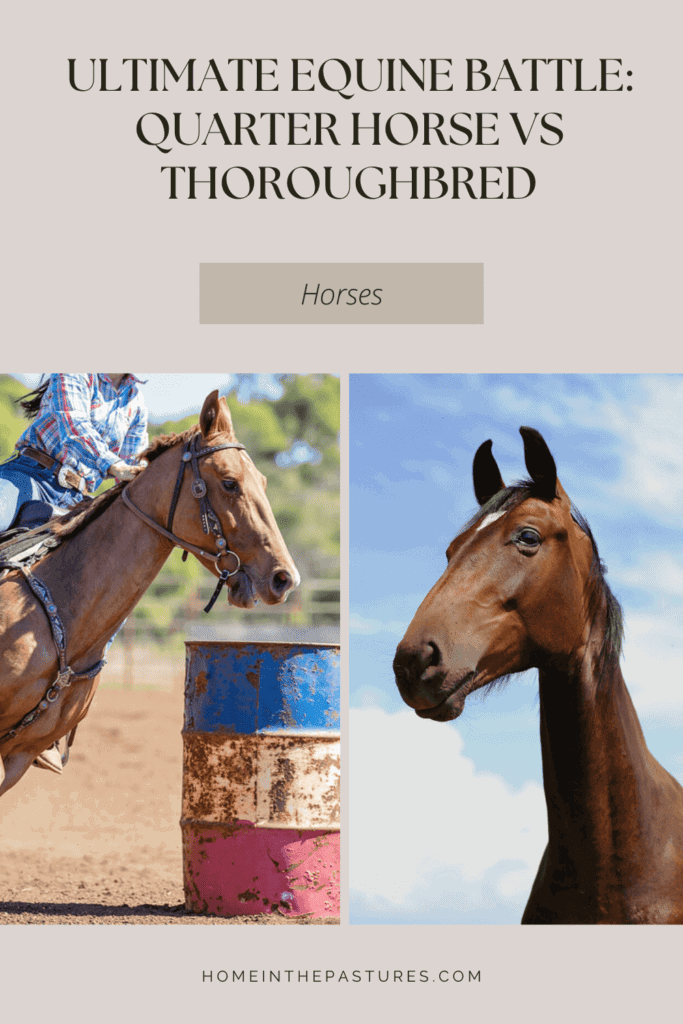
When it comes to the world of equine athleticism, the Quarter Horse and Thoroughbred are two standout breeds that have captured the hearts of horse enthusiasts everywhere. Each breed has its unique characteristics, making them suitable for different types of racing and events. In this blog post today, I’m going to thoroughly explore the Quarter Horse vs Thoroughbred so you can decide which horse breed is the one for you. But first here are my thoughts on these two beautiful breeds.
My Thoughts
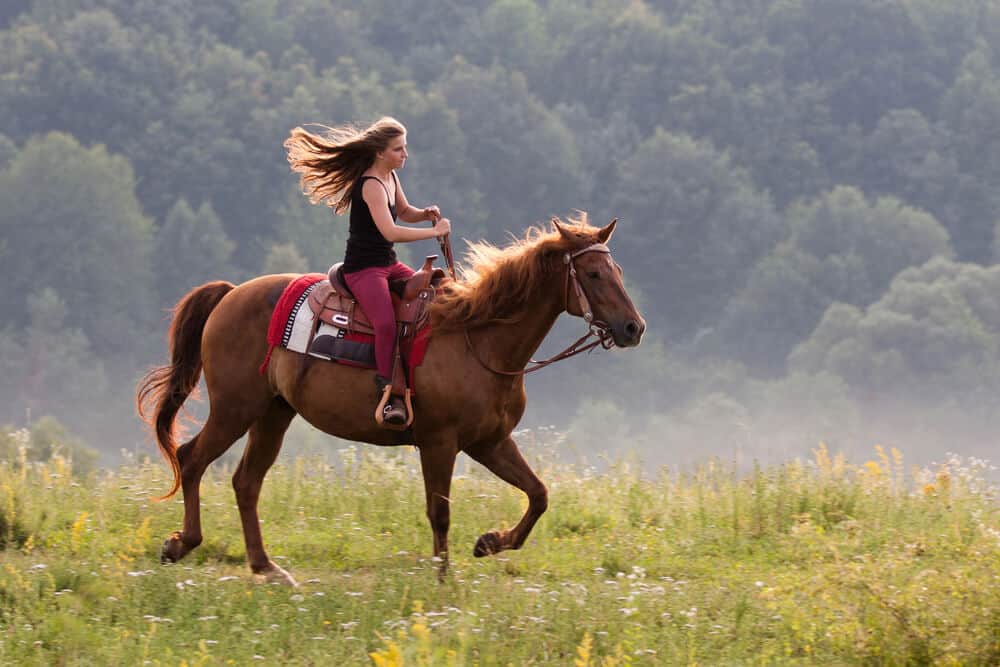
The Quarter Horse breed, known for its exceptional performance in short races, is a descendant of Spanish horses. Renowned for its ability to sprint over shorter distances. This breed’s name itself hints at its speciality: the quarter mile is where these horses shine, often leaving competitors in the dust with their explosive speed. The American Quarter Horse racing scene is a testament to the breed’s popularity, with the Quarter Horse being one of the most popular breeds in the United States. These races often end with a winning horse that exhibits not only speed but agility and a powerful muscle cell structure that provides quick acceleration.
Darley Arabian Horse
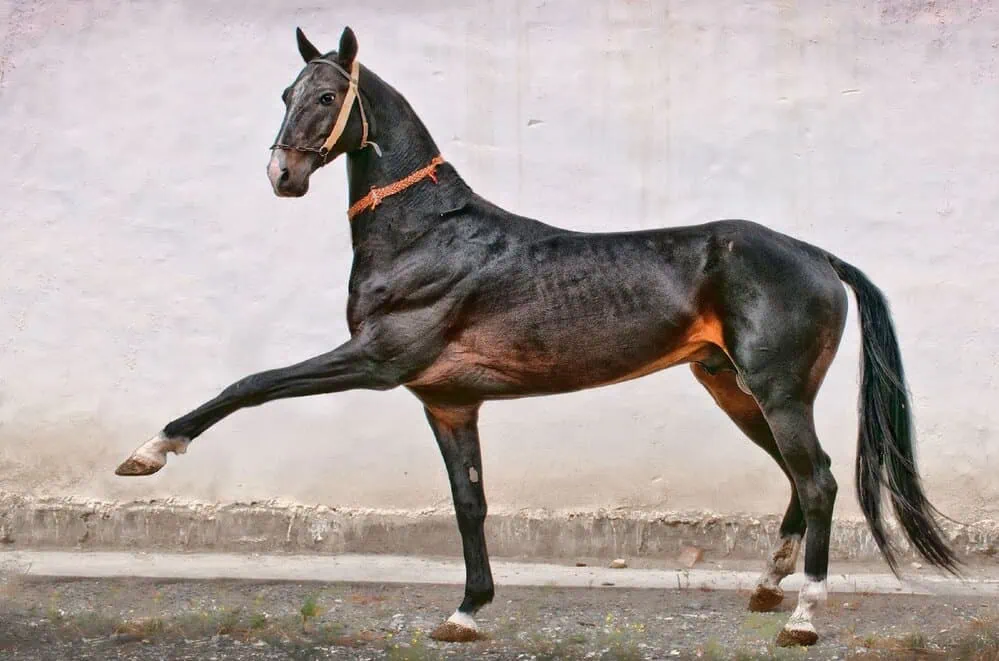
On the other hand, the term “Thoroughbred” refers to a breed of horse known for its grace, long stride length, and endurance over longer race distances. The Thoroughbred breed, which includes the legendary son of the Darley Arabian, is revered for its elegant and sometimes delicate heads. A trait that contrasts with the typically small head of the Quarter Horse. Thoroughbred horses have been a common practice in the racing type known as flat racing, where they can sustain high speeds over distances that would tire out many other breeds.
The Darley Arabian horse has contributed to the breed’s endurance over many generations and is known for its large lung capacity and low fertility. Both the Quarter Horse and Thoroughbred have different breeds of horses in their lineage, but it’s the Arabian’s influence that has been significant over a long time, dating back to colonial times.
When comparing the Quarter Horse parent to the Thoroughbred breed, you will notice that Quarter Horses tend to have short leg bones, which contribute to their ability to quickly reach top speeds. These kind of horses are ideal for Quarter Horse racing events, which require a quick burst of speed rather than the sustained pace seen in Thoroughbred races.
Long Head – Short Head?
It’s also interesting to note that while Thoroughbreds typically have a more elongated head, known as a “long head,” Quarter Horses can have a “short head,” which reflects their overall more compact conformation. This is just one of the many physical differences that help distinguish these common horse breeds.
Regardless of the racing type, one important thing to consider is the physical build and the speeds of these breeds. Quarter Horses, with their powerful hindquarters and compact build, excel at quick bursts of speed, making them the preferred choice for short distances in Quarter Horse races (QH races). In contrast, the Thoroughbred’s leaner physique and longer legs give them a longer stride length, which is a significant advantage in races that cover more ground.
When it comes to racing, the end of races often sees Thoroughbreds maintaining their speed and stamina, while Quarter Horses are more about the explosive start and early dominance. This wonderful difference in racing style is a reflection of the breeds’ histories and the purposes for which they were originally developed.
In American Quarter Horse racing, the breed’s versatility is also on display. While they are most known for their prowess in quarter mile races, they are also used in rodeo events, working ranches, and even as show horses. This is thanks to their calm disposition and ability to perform a variety of tasks.
The Quarter Horse’s ancestry includes influences from different breeds of horses brought over during colonial times. Which has actually been refined over the years to produce the Quarter Horse breed we know today! This breed’s ability to excel in short races is not just a result of selective breeding for speed but also for the ‘cow sense’ that makes them invaluable for cattle work.

Popular and Distinguishable
When it comes to horse breeds, the Quarter Horse and the Thoroughbred are among the most popular and distinguishable. Both breeds have been bred for specific qualities that serve different purposes, making them favourites for various activities. Quarter Horses are renowned for their impressive bursts of speed over short distances, which is how they came by their name, referring to the quarter-mile races they excel in! They are versatile workhorses, known for their calm demeanor and muscular build, making them well-suited to both ranch work and sports like rodeo events and Western riding competitions.
In contrast, Thoroughbreds, which originated from stock in the British Isles, are the epitome of speed and endurance over longer distances, making them the preferred breed for horse racing. Their slim, athletic bodies, broad chests, and long, elegant necks contribute to their distinctive silhouette on the racetrack. While both breeds can live into their late twenties, Quarter Horses often have slightly longer lifespans than their Thoroughbred counterparts.
Despite their different specialisations, both Quarter Horses and Thoroughbreds have proven themselves to be adaptable, excelling in disciplines outside their initial breeding purpose. Thoroughbreds, for example, have shown aptitude in show jumping and dressage, while Quarter Horses also perform well in English riding events. Their differences and capabilities make each breed exceptional in its own right, and understanding these aspects can help horse enthusiasts choose the right companion for their equestrian pursuits.
Now you have heard my thoughts, here we go on to explore more about the history and development of the two breeds:
History and Origins
Come and discover the incredible story of our beloved Quarter Horses and Thoroughbreds. It’s like a grand adventure through American history, where the majestic Spanish steeds meet the refined English chargers. These beautiful breeds have come a long way, each carving out their own special place in the racing world!
Development of Breeds
The American Quarter Horse traces its lineage back to 17th century colonial North America. This breed evolved from the interbreeding of English horses, brought to Virginia around 1610, with native Iberian (Spanish) horses already present. The resulting horse was prized for its versatility and sprinting abilities, especially over short distances.
The Thoroughbred, on the other hand, emerged in the late 17th and early 18th centuries when three Middle Eastern sires – the Byerley Turk, Darley Arabian, and Godolphin Arabian – were bred with English mares. These horses were bred primarily for endurance and speed over longer distances, which contributed to their prominence in racing.

Influence of Spanish and Arabian Horses
- Spanish horses: Brought to the Americas by Spanish explorers, these horses significantly influenced many North American breeds. Their genes are particularly evident in the physical characteristics and temperament of the American Quarter Horse.
- Arabian horses: Renowned for their stamina and spirit, Arabian horses contributed immensely to the genetics of the Thoroughbred. The breed’s endurance qualities are attributed to this Middle Eastern influence.
Racing Heritage
The racing heritage of these breeds is as distinct as their bloodlines. The American Quarter Horse earned its name from its unmatched acceleration in quarter-mile races, an event that became a popular pastime in colonial America. This breed’s agility and speed became the cornerstone of American sprint racing. Thoroughbreds became synonymous with classic horse racing, competing in mile-long tracks and establishing a global reputation. Their heart and stamina have drawn crowds for centuries, their legacy etched in the annals of equine racing history.
Breed Characteristics
In exploring the unique aspects of Quarter Horses and Thoroughbreds, you will find distinctive differences in their physical attributes and temperaments.
Physical Attributes
Quarter Horse
- Height: Typically 14.3 to 16 hands (approx. 147 to 163 cm)
- Build: Muscular with a short back and powerful hindquarters
- Profile: Broad chest, large eyes, and a straight profile with a wide forehead
Thoroughbred
- Height: Generally around 16 hands (approx. 163 cm)
- Build: Slimmer with a short back and high withers
- Profile: Broad chest, delicate head with a long neck, and a more refined appearance
Breed Temperament
Quarter Horse: Renowned for their calm and mild temperament, Quarter Horses are considered friendly and adaptable, making them excellent companions for both work and leisure.
Thoroughbred: These horses are spirited and lively, displaying boldness and enthusiasm. Their temperament makes them ideal for competitive horse racing and show jumping, requiring an experienced hand.
Racing and Performance
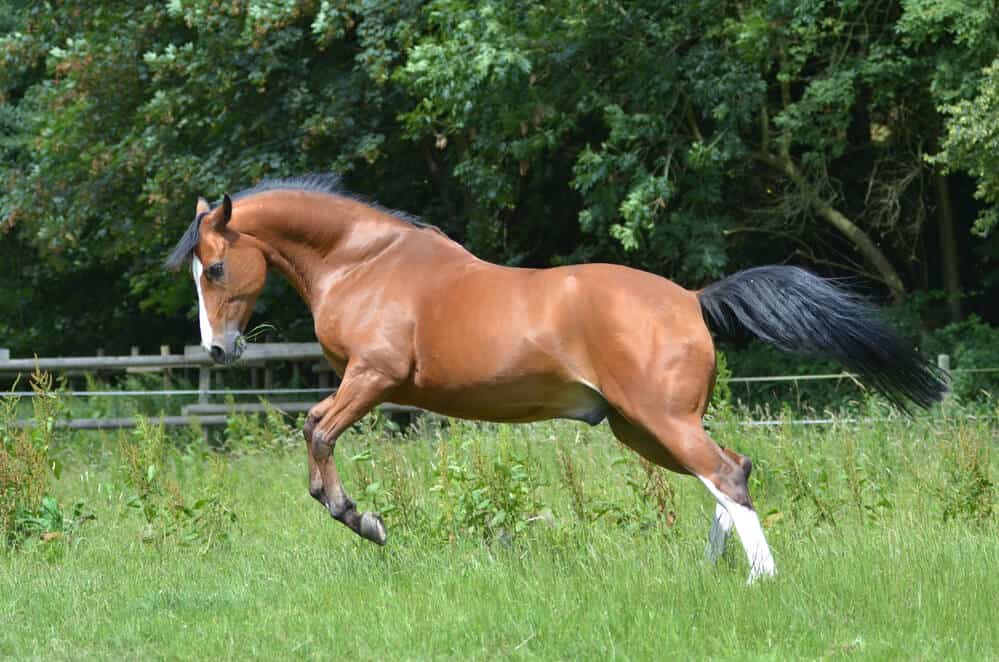
The distinctive racing types and inherent speed and agility exhibited by Quarter Horses and Thoroughbreds are what sets them apart. Both breeds demonstrate an exceptional ability to perform at the race track, yet they excel in different aspects of racing due to their unique physiology and breeding.
Racing Types and Disciplines
Quarter Horse Races typically happen over short distances, often not more than a quarter mile. The American Quarter Horse excels in these short sprints, showcasing their explosive speed from a standing start. In contrast, Thoroughbred Racing involves longer distances on race tracks, usually ranging from 5 furlongs to over 2 miles, testing the horses’ endurance and sustained speed.
Speed and Agility
Quarter Horses reach higher speeds over short distances, capable of hitting speeds up to 55mph, while Thoroughbreds usually achieve a maximum speed of around 44mph. The training of Quarter Horses revolves around maximising their acceleration, crucial for the quick burst of speed required at the start of races. Thoroughbreds, although not the fastest breed, still demonstrate remarkable agility and maintain high speeds over extended periods, a testament to their conditioning and training.
Training and Handling
Quarter Horse trainers focus on honing their horses’ ability to burst out of the starting gates and hit top speed quickly. This is crucial for success in the short, intense races they compete in. Thoroughbred trainers, on the other hand, work on building their horses’ stamina for a strong ‘run-up’—that’s the part of the race that allows the horse to build momentum before the timing starts, which is key for longer-distance racing.
Handlers and trainers adjust their strategies based on each horse’s individual strengths and needs. They prepare Quarter Horses for the explosive energy needed in sprints, while they train Thoroughbreds to maintain their speed and power through the more grueling parts of extended races.
Breed Associations and Registries
In the world of equine sports and breeding, associations and registries serve as crucial cornerstones for maintaining the pedigree, breed standards, and lineage documentation of horses. Two primary organizations stand out when discussing Quarter Horses and Thoroughbreds: the American Quarter Horse Association (AQHA) and The Jockey Club.
American Quarter Horse Association
The American Quarter Horse Association (AQHA), established in 1940, is the principal breed registry for American Quarter Horses. As the largest breed registry globally, the AQHA is responsible for recording the pedigrees of American Quarter Horses and ensures the horses meet breed standards. The Association also offers a range of services to its members, from educational programs to competitive events.
- Founded: 1940
- Location: United States
- Purpose:
- Pedigree registry for American Quarter Horses.
- Promotion of breed standards and welfare.
- Organisation of competitive events and programs.
The Jockey Club and Appendix Registry
On the other hand, The Jockey Club oversees Thoroughbred horses, maintaining the American Stud Book since its foundation in 1894. The Jockey Club keeps records of all purebred Thoroughbreds and is pivotal in the horse racing industry. Additionally, an Appendix Registry, managed by AQHA, allows for the registration of horses that are a cross between an American Quarter Horse and a Thoroughbred. These horses, known as Appendix Quarter Horses, have their own registry within the AQHA system.
- The Jockey Club:
- Founded: 1894
- Location: United States
- Function:
- Pedigree registration for Thoroughbreds.
- Regulation and promotion of horse racing.
- Appendix Registry:
- Affiliation: American Quarter Horse Association
- Function:
- Records for crossbred horses (Quarter Horse x Thoroughbred).
- Offers path to earn full AQHA registration.
Cultural and Recreational Impact
The American Quarter Horse and the Thoroughbred have both had significant influences in equestrian sports and practical applications. They excel in different arenas due to their unique attributes and have become staples in cultural and recreational activities associated with horses.
Equestrian Sports
The American Quarter Horse is renowned for its agility and speed over short distances, making it a top choice for competitive events like barrel racing. In equestrian sports, this breed exhibits its quickness and nimbleness, often outperforming others in events that require sudden bursts of speed and rapid changes in direction.

On the other hand, Thoroughbreds are revered for their cardiovascular endurance, which makes them well-suited to long-distance racing. This breed’s influence extends beyond the racetrack; Thoroughbreds often transition into other equestrian disciplines such as dressage and show jumping, showcasing their versatility and athletic prowess.
Ranch Work and Practical Uses
When it comes to ranch work and practical uses, the American Quarter Horse outshines as a ranch horse. Their intelligence and ability to manoeuvre through tough terrain make them excellent cow horses, adept at handling cattle and performing various tasks around the ranch. Here’s a brief overview:
- American Quarter Horse: The go-to choice for cowboys and cowgirls; exceptional at herding cattle and reliable for day-to-day ranch operations.
- Thoroughbred: Though not typically associated with ranch work, they may be crossbred to enhance other breeds’ capabilities.
Both breeds play a crucial role in their respective fields, whether it’s a fast-paced rodeo or the stately disciplines of classical equestrianism. They each shape the cultural landscape of horse-related activities, carrying legacies that underscore their importance in both sports and practical ventures.

Comparison of Quarter Horse and Thoroughbred
When considering the best-suited horse for specific activities, it’s essential to understand the distinctive traits and tendencies of the Quarter Horse and the Thoroughbred. These breeds exhibit notable differences, particularly in purpose and usage, as well as physical and performance characteristics.
Purpose and Usage
Quarter Horse:
- Predominantly known for its agility in short distances, the Quarter Horse excels in activities like rodeo events, working on ranches, and show competitions. They are a stock type with a strong reputation for having a level-headed temperament, making them suitable for riders of all experience levels.
Thoroughbred:
- The Thoroughbred, a well-known breed within the racing sector, is designed for longer distances and high-velocity competition. This type of horse has a deep-rooted association with horse racing and is frequently sought-after for its endurance and top speed.
Performance Differences
Quarter Horse:
- Weight: 1,000 to 1,200 pounds (453.6 to 544.3 kilograms)
- Notable for a stockier build, broad chest, and powerful hindquarters
- Renowned for bursts of great speed over short distances
- Exhibits more muscle cells well-suited for sprinting
Thoroughbred:
- Weight: 800 to 1,200 pounds (362.9 to 544.3 kilograms)
- Slimmer, more athletic build with longer legs and high stamina levels
- Can reach impressive top speeds, ideal for races over more considerable distances
- Selective breeding for racing can lead to lower fertility in some lines
The Quarter Horse and the Thoroughbred are two of the most common and popular breeds, each with unique abilities shaped by their purpose-driven lineage. While the Quarter Horse is versatile and suited to a range of equestrian disciplines, the Thoroughbred stands out in the racing world. Their differences in physique and performance make each breed distinctive and valuable within their respective spheres.
Ownership and Care
When deciding between a Quarter Horse and a Thoroughbred, prospective owners should consider the distinct care requirements and the suitability of each to their needs. Selecting the right horse and maintaining its health is critical to having a fulfilling equestrian experience.
Selecting a Horse
Prospective horse owners must assess whether they are seeking a winning racehorse or a reliable and adaptable companion for different riding disciplines. Thoroughbreds, with their slim, tall physique, are built for speed and excel in races and jumping events. They typically have longer leg bones, which contribute to their extensive stride and performance on the track. In contrast, Quarter Horses are renowned for their muscular build and short burst speed, making them ideal for short-distance racing and western riding events.
Health and Maintenance
Quarter Horses tend to live between 25 and 30 years, usually possessing a calmer and steadier temperament than Thoroughbreds, which have a lifespan ranging from 22 to 28 years. Owners must commit to regular health checks and maintenance to ensure longevity and quality of life for their horses. For both breeds, basic care involves a balanced diet, dental check-ups, vaccinations, and hoof care. The musculature of Quarter Horses demands particular attention to their powerful hindquarters, while Thoroughbreds’ slender legs require monitoring for stress and injury due to their intense racing careers.
Influence on Popular Culture
The American Quarter Horse and the Thoroughbred have distinctly marked their territories in popular culture, predominantly through their remarkable racing performances. Enthusiasts often collect videotapes of races featuring these magnificent animals, which serve not only as a historical archive but also inspire current and future generations of equestrian fans.
The Quarter Horse, with its explosive speed, is a staple in the short-distance racing sphere. These races are particularly popular in certain regions and can often be found on broadcast schedules. Their agility and athleticism make them highly suitable for rodeo events, too, impressing audiences with their quick manoeuvres and impeccable cow sense.
On the other hand, Thoroughbreds dominate the long-distance racing world with prestigious events like the Epsom Derby and Grand National, where they showcase their incredible stamina and speed. These events attract wide public attention, transcending the equestrian community and entering mainstream conversations and entertainment.
Performance groups also play a significant role in celebrating these equine athletes:
- Equestrian theatre shows often feature skilled Thoroughbreds and Quarter Horses in choreographed acts, emphasizing their grace and allowing them to captivate audiences in a non-competitive context.
- Documentary series and sports programmes highlight the athletic feats of these breeds, further cementing their status in pop culture.
As emblems of equine excellence, both the Quarter Horse and Thoroughbred continue to influence various forms of media, from print to digital, making an indelible mark on popular culture.
Impact on Modern Racing
The Quarter Horse and Thoroughbred have both played pivotal roles in shaping the landscape of modern racing, with their attributes leading to advancements in technology and strategic approaches to the sport.
Technological Advancements in Racing
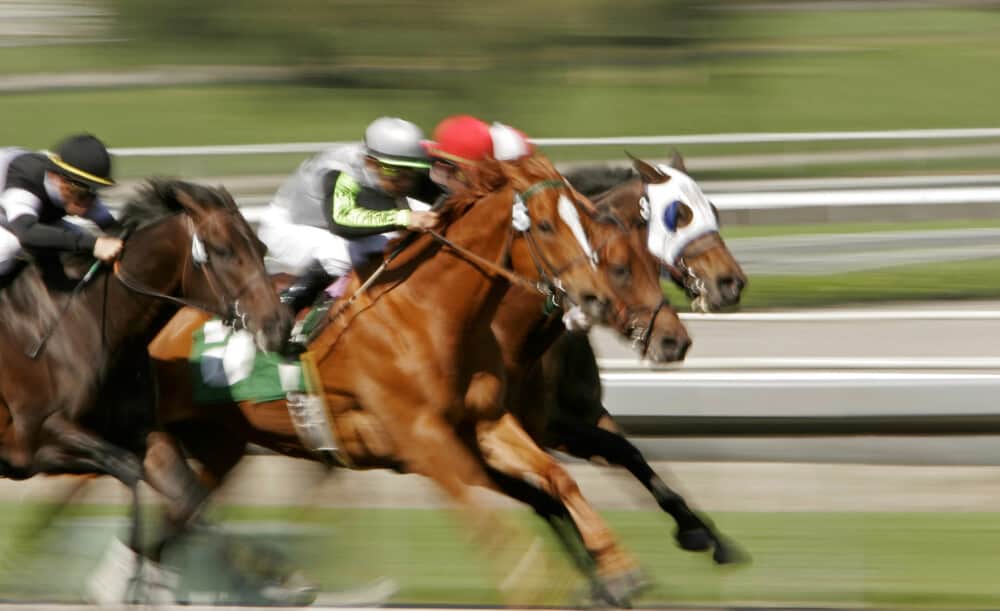
Technological progress has been instrumental in catering to the strengths of racehorses. Thoroughbreds, known for their faster speeds over long distances, have benefitted from improvements in track surfaces, designed to reduce injury and enhance performance. In contrast, Quarter Horses excel in quick starts, necessitating starting gates that can accommodate their explosive power. Advancements in timing systems allow for more accurate measurement of slowest times and record-breaking performances, which are critical in a sport where milliseconds can determine the outcome of a race.
- Track Surfaces: Tailored for different breeds; softer for endurance, sturdy for sprinting.
- Starting Gates: Reinforced to endure the strength of Quarter Horses’ launch.
- Timing Technology: Ultra-precise systems to track records and performance.
Evolution of Racing Strategies
Racing strategies have evolved to accentuate the natural capabilities of each breed. The Quarter Horse’s muscular build allows these short-distance horses to dominate in races that are typically a quarter-mile, where the entire race is often won by the quality of the start and the first few seconds of burst speed. Strategic training focuses on muscle development to optimise their initial acceleration. Meanwhile, Thoroughbred trainers place significant importance on developing stamina and speed through breeding, often seeking the ideal mix of Thoroughbred blood for peak athletic prowess.
- Quarter Horse Strategy: Concentrates on maximising the quick start and explosive speed.
- Thoroughbred Strategy: Emphasises endurance training and selective breeding to sustain high speeds over longer distances.
By harnessing these advances and insights, trainers and jockeys emphasise the importance of aligning their race day tactics with the inherent strengths of their horses, ensuring that both Quarter Horses and Thoroughbreds continue to play an important role in the future of racing.
Future Prospects and Breeding Strategies
Breeding strategies for Quarter Horses and Thoroughbreds often pursue distinct goals due to the inherent characteristics of each breed. Breeders of Quarter Horses may emphasise the enhancement of ‘cow sense’, an instinctual ability to anticipate and react to cattle, which is essential in disciplines like cutting. Cutting Quarter Horses (QHs) are especially prized for this ability.
The creation of Appendix Horses, a cross between Thoroughbred and Quarter Horse parents, aims to blend the speed and stamina of Thoroughbreds with the agility of Quarter Horses. This crossbreeding results in animals fit for a variety of competitive disciplines, often showing notable versatility.
Breeding Goals for Distinct Breeds:
- Quarter Horse:
- Enhance ‘cow sense’ for herding and cutting disciplines.
- Improve agility and quick bursts of speed.
- Thoroughbred:
- Focus on endurance and sustained speed, suitable for racing.
- Maintain breed purity for racing eligibility.
When considering future breeding strategies, it’s crucial to observe that the only difference between the fastest Quarter Horses and the slowest may come down to breeding for specific traits. Strategic breeding aims to produce horses that not only excel in their respective disciplines but also contribute genetically to future generations’ success.
With ongoing research and technological advancements, breeders can make informed decisions, ensuring the health and viability of both breeds. The integration of meticulous record-keeping and DNA analysis furthers the potential for breeding programs, securing a bright future for both Quarter Horses and Thoroughbreds.
Quarter Horse vs Thoroughbred Checklist
| Feature | Quarter Horse | Thoroughbred |
|---|---|---|
| Specialization | Excels in short-distance races, particularly the quarter mile. | Bred for endurance and speed over longer race distances. |
| Conformation | Stocky, muscular build with powerful hindquarters, compact body, small head. | Tall, lean, and athletic build with longer legs and a more elongated head. |
| Height | Typically stands shorter, ranging from 14.3 to 16 hands. | Average around 16 hands, often taller and more slender frame. |
| Speed | Known for rapid acceleration and quick bursts of speed. | Capable of sustaining high speeds over extended distances. |
| Versatility | Used in rodeo events, ranch work, and as show horses, in addition to racing. | Primarily used for flat racing but also show jumping, dressage, and eventing. |
| Temperament | Generally calm and good-natured, suitable for riders of all levels. | Known for their spirited and bold nature. |
| Ancestry | Descended from Spanish horses with influences from different breeds. | Developed from native English mares and three key Arabian stallions. |
| Racing Events | Dominates in quarter horse races (QH races) and other short races. | Excelling in races that test stamina, such as the classic mile and longer races. |
| Endurance | Less suited for long distances compared to Thoroughbreds. | High endurance levels suitable for longer races, with a stride length that supports sustained speed. |
Final Thoughts
Whether you’re at a Quarter Horse racing event or watching Thoroughbreds stride elegantly around a track, the diversity and specialization of these breeds are a testament to the rich history and careful breeding practices that have shaped the world of horse racing. From the son of Darley Arabian influencing the Thoroughbred breed to the Spanish horse ancestry of the Quarter Horse, each breed brings its unique attributes to the racing world.
I hope you have enjoyed my blog post on two of my favourite horse breeds. If you think I’ve missed anything or have any comments, please let me know below.
Frequently Asked Questions on the Quarter Horse vs Thoroughbred Debate:
What distinguishes the temperaments between Quarter Horses and Thoroughbreds?
The lovely Quarter Horses are known for their calm and mild temperament, making them suitable for all riders. Thoroughbreds, on the other hand, are often more spirited and lively, requiring an experienced hand.
How do the weights of Quarter Horses compare with those of Thoroughbreds?
Quarter Horses can be just as heavy or even heavier than Thoroughbreds due to their muscular build, even though Thoroughbreds tend to have a leaner physique.
Are there size differences between Quarter Horses and Thoroughbreds?
Yes, Quarter Horses typically stand shorter, with heights ranging from 14.3 to 16 hands, while Thoroughbreds average around 16 hands and often possess a taller and more slender frame.
What is the common name for a crossbreed between a Quarter Horse and a Thoroughbred?
Did you know a cross between a Quarter Horse and a Thoroughbred is commonly referred to as an Appendix Quarter Horse?
Can Quarter Horses outpace Thoroughbreds, and under what conditions might this occur?
Quarter Horses can outpace Thoroughbreds in short-distance sprints, particularly in races up to a quarter mile, where their quick acceleration is a significant advantage.
Why are Quarter Horses considered unique in the equestrian world?
Quarter Horses are unique for their versatility, excelling in a variety of equestrian disciplines due to their strength, agility, and calm disposition.