
Indoor air can collect moisture, dust, cooking fumes and chemicals released by everyday household products. Although no home will be completely free from pollutants, simple habits can reduce their concentration and make rooms feel fresher. The best results usually come from combining source control with regular ventilation, suitable filtration and careful choices about what you bring indoors.
Understanding Indoor Air Pollutants
Common indoor pollutants come from several sources. Frying food can release fine particles, damp areas may encourage mould and scented sprays can add volatile organic compounds to the air. Dust mites, pet dander and pollen may also affect people with allergies or sensitive lungs.
Start by checking where problems occur. Condensation on bedroom windows suggests excess moisture, whilst persistent smells near a cupboard may point to a leak or hidden damp. Keep indoor humidity around 30 to 50 per cent where possible. Use extractor fans during cooking and showering, repair water leaks promptly and keep cardboard or fabrics away from damp walls.
The Power of Houseplants
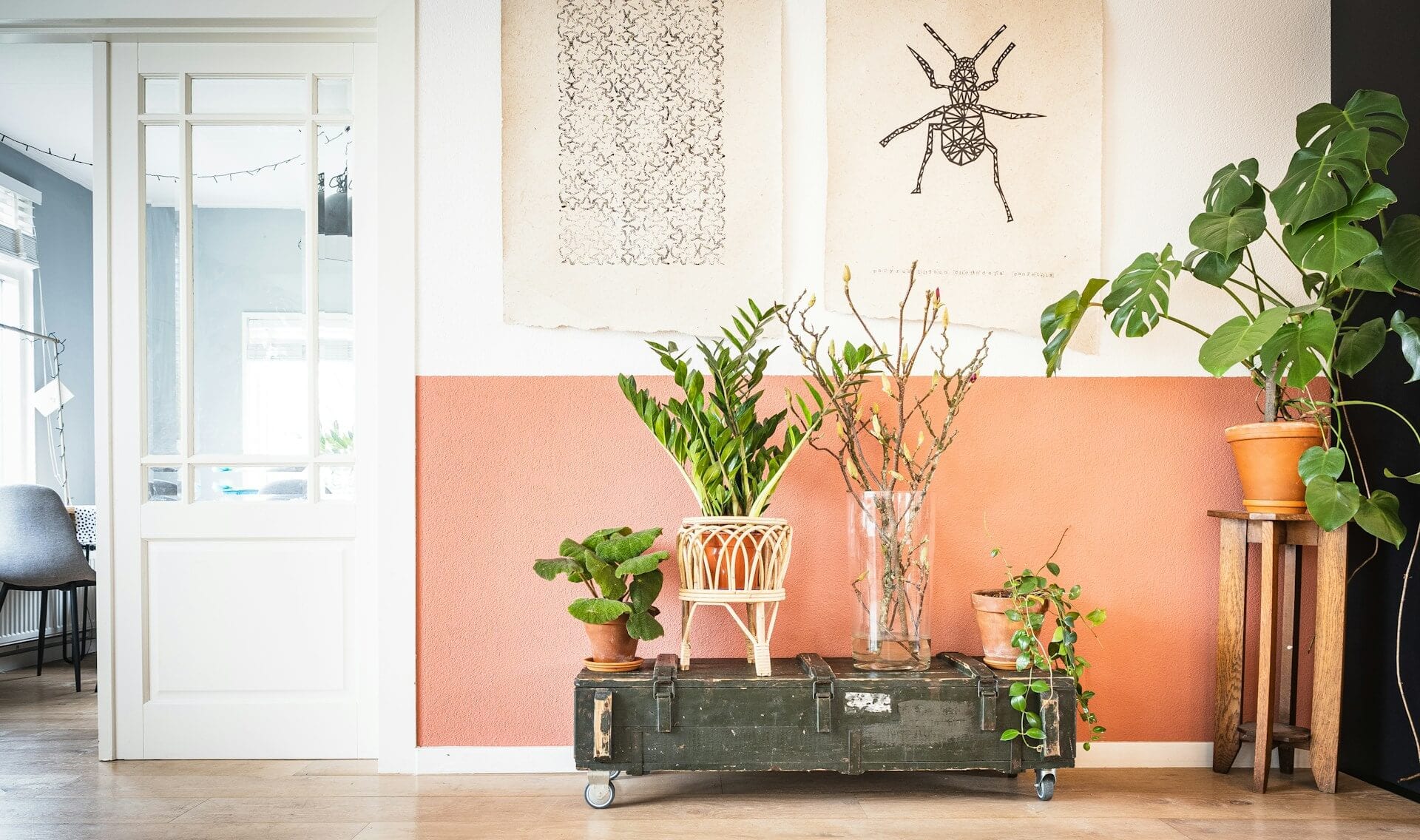
Houseplants bring colour indoors and may support wellbeing, but they shouldn’t replace ventilation or filtration. The American Lung Association explains why houseplants don’t clean air effectively under normal household conditions. Laboratory studies often place plants in small sealed chambers, which bear little resemblance to a busy kitchen or living room.
Plants still have plenty to offer. They can make a room feel calmer and encourage you to pay attention to humidity, light and general care. Cornell’s guidance on houseplants and indoor air also discusses sensible plant selection and upkeep.
If you enjoy indoor growing, a mushroom grow kit offers another compact edible project. Follow its care instructions closely and keep the growing area clean.
Ventilation and Filtration Strategies
Fresh outdoor air helps dilute pollutants produced indoors. Open windows on opposite sides of the home for five to ten minutes when outdoor conditions are suitable, particularly after cooking, cleaning or decorating. Short, focused airing periods can work well during colder weather without leaving rooms chilled for hours.
Extractor fans should vent outdoors and remain on long enough to clear steam. Clean their covers regularly, since grease and dust reduce airflow. For mechanical filtration, choose a unit sized for the room and follow the manufacturer’s filter replacement schedule. A clogged filter may move less air and perform poorly.
These measures work best alongside the practical guidance in this article on improving indoor air quality with moisture control and routine maintenance.
Growing Edibles Indoors for a Fresher Home
Indoor herbs, salad leaves and edible fungi add life to a kitchen, but growing projects need careful moisture management. Place pots and containers on washable trays, avoid overwatering and remove dead leaves before they decay. Basil, mint and chives suit a bright windowsill, whilst microgreens can be harvested within a few weeks.
Keep growing containers away from soft furnishings and leave space around them for air circulation. Check compost and surfaces for unusual odours or visible growth, then clean spills straight away. Edible plants won’t purify a room, yet they can support a low-waste household by providing small harvests close to where food is prepared. Wash hands, tools and trays between growing cycles to keep the area hygienic.
Eco-Friendly Cleaning Habits
Regular cleaning removes settled dust before footsteps or vacuuming can send it back into the air. Wipe hard surfaces with a damp microfibre cloth and use a vacuum fitted with an effective particle filter, especially in bedrooms and carpeted areas. Wash reusable cloths after each cleaning session and let them dry fully.
Choose unscented products when possible and never mix cleaning solutions. Often, warm water and a small amount of washing-up liquid will handle routine marks without filling a room with fragrance. Store all products in their original labelled containers and air the room during use.
A weekly routine can stay simple: damp-dust exposed surfaces, vacuum slowly and check moisture-prone areas. Clean air depends on consistent housekeeping, and a dry bathroom corner or grease-free extractor cover is a useful sign that those small habits are working.