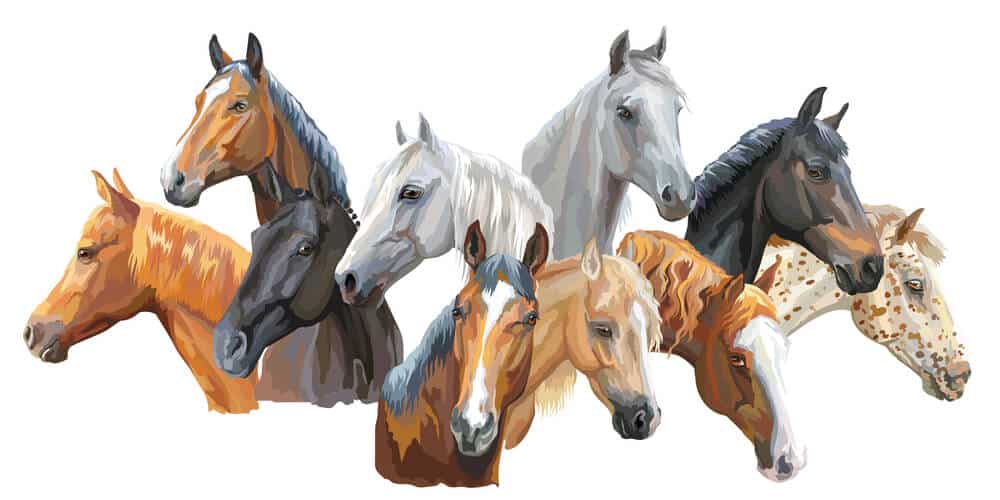

Hello! I’m back today with Viking horse names! They’re like this awesome mix of strength, mystery, and history. Imagine naming your horse something powerful like “Ragnar” or mysterious like “Runa.” It totally brings to mind the Viking Age when horses were a big deal in battles and everyday life. Plus, picking a Viking name for your horse is a neat way to tap into that rich Nordic heritage.
Icelandic horses are especially linked to Viking history because of their stamina and unique traits. Their names often reflect traits like bravery and wisdom, and they even pull from Norse mythology. Just think about a horse named “Fenrir,” after the mythical wolf, or “Saga,” which makes you think of epic adventures and heroism.
These Viking and Nordic names are deeply rooted in history and myth. Whether you’re into mythological names like “Frey,” a Norse god, or something more descriptive like “Orvar,” meaning arrow, there’s definitely a name out there that captures the spirit of your horse. It’s such a cool way to honor the special bond between you and your horse. So come on and explore the best Viking horse names with me!
The Significance of Names in Viking Culture
Did you know that Viking names were more than just labels? They were packed with meaning and conveyed a lot about a person’s identity, heritage, and qualities.
Old Norse names were often descriptive, reflecting the traits and virtues that Vikings valued. For example, names like Ingrid, meaning “beautiful,” and Jotun, meaning “giant,” give us a peek into what the Norse people admired.
Vikings also pulled names from their rich mythology, like from the Prose Edda and Poetic Edda. These collections are full of stories about gods, heroes, and legendary creatures. A child’s name might honor a divine figure or an admired ancestor.
Take Freya, for instance. She’s the Norse goddess of love, beauty, and fertility, and naming someone after her symbolized strength and grace. Then there’s Thor, son of Odin and a chief god, whose name was all about power and protection. Thor was known as a mighty warrior, so his name carried a lot of weight.
Names also had symbolic meanings that reflected a person’s role or destiny. Leaders and warriors often had names that depicted power, bravery, or nobility. Sometimes, a name was chosen based on a notable event or even a vision from a shaman.
So, to sum it up, choosing a name in Viking culture was a big deal. It wasn’t just about what sounded good – it was about preserving their beliefs, stories, and values. Each name carried a piece of their rich cultural heritage.
Origins and History
Viking horse names are deeply embedded in the rich history and culture of the Norse people. They arise from their traditions, languages, and mythology, reflecting their values and societal norms.
First Icelandic Horse and Nordic Legacy
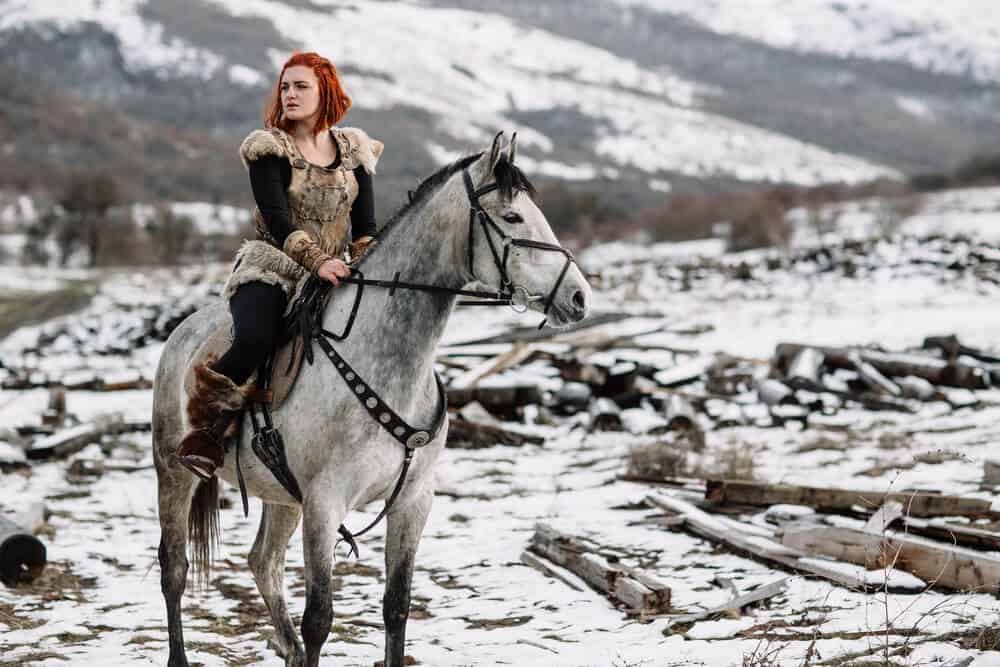
The Icelandic horse is a direct descendant of the horses brought to Iceland by Norse settlers in the 9th century. These sturdy and versatile horses were integral to Viking life, helping with transport, farm work, and even in warfare.
Harald Fairhair, the first king to unify Norway, is often linked with the spread of these robust horses across the North Atlantic. Icelandic horses became symbols of status and prowess, maintaining a unique legacy in Norse culture that persists to this day.
The Old Norse Language and its Evolution
The Old Norse language was the vernacular of the Viking Age, flourishing between the 8th and 11th centuries. It evolved from Proto-Norse and significantly influenced the Scandinavian languages spoken today. Names for horses often carried specific meanings, derived from this rich linguistic heritage.
Words like “Mjolnir” (Thor’s hammer – a great Old Norse name!) and “Fenrir” (the monstrous wolf) derive from Old Norse, reflecting both the language’s depth and the cultural significance of these terms. The evolution of Old Norse played a crucial role in shaping the identities and traditions of Viking societies.
Old Norse Language Horse Names and Meanings
Here is a table showcasing some Old Norse horse names and their meanings:
| Horse Name | Meaning |
|---|---|
| Mjolnir | Thor’s hammer |
| Fenrir | Monstrous wolf |
| Orvar | Arrow |
| Runa | Secret lore |
| Saga | Seeing |
Intertwining With Myth and Legend
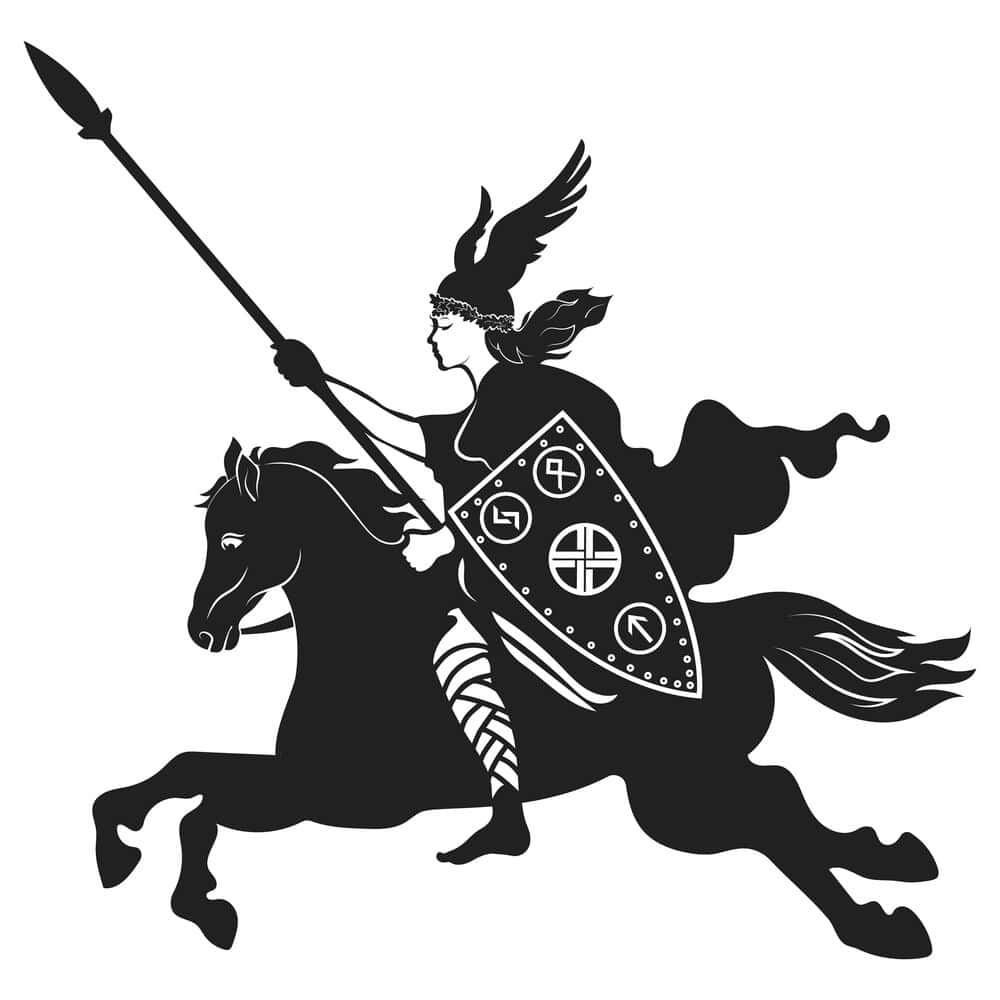
Viking mythology is filled with tales of gods, heroes, and mythical creatures, many of which are reflected in horse names. Horses like Sleipnir, Odin’s eight-legged steed, embody the mystique and power valued by the Vikings.
Norse legends often featured horses with extraordinary abilities, serving as companions to gods and warriors alike. Harald Bluetooth, another significant Viking figure, was known for his affinity for horses, further cementing their place in Viking lore.
Viking myth and legend horse names
Below is a table of notable Viking mythological and legendary horse names:
| Horse Name | Legend/Deity |
|---|---|
| Sleipnir | Odin’s steed |
| Gullfaxi | Horse of Hrungnir |
| Grani | Sigurd’s horse |
| Hófvarpnir | Gná’s horse |
| Tjaldari | Horse of the sea |
The Spread Beyond the Viking Realm
Viking expeditions and settlements extended the influence of their culture, including their horse-naming traditions, far and wide. By the time Norse explorers reached places like North America in the 10th century, their cultural practices had already spread throughout Europe.
In modern times, the legacy of Viking horse names continues, with many enthusiasts in the United States and beyond adopting these storied names for their steeds. This enduring cultural footprint reflects the timeless appeal and historic significance of Viking traditions.
Characteristics of Icelandic Horses
Icelandic horses are known for their unique physical traits, robust nature, and adaptability to various terrains. These characteristics make them distinct and enduring, especially under harsh conditions.
Physical Attributes and Horse’s Personality
Icelandic horses are typically smaller, often pony-sized, but they are classified as horses. They have a sturdy build, featuring short legs and a heavy coat which provides them with insulation in cold weather.
Despite their size, these horses are strong and capable of high speed over long distances.
Personality-wise, Icelandic horses are known for being friendly and willing. Their calm and cooperative nature makes them suitable for both beginners and experienced riders.
Strong Viking Horse Names
Below is a table of strong Viking horse names inspired by Norse mythology and historical figures:
| Name | Meaning |
|---|---|
| Thor | Norse god of thunder |
| Ódinn | Chief of the gods |
| Loki | Trickster god |
| Freya | Goddess of love |
| Sleipnir | Odin’s eight-legged horse |
| Gyðja | Goddess or fairy |
These names reflect the rich cultural heritage and powerful legacy associated with Viking history.
Selecting the Perfect Viking Horse Name
Choosing a Viking horse name requires a blend of tradition, personal touch, and a nod to Norse mythology. These names not only carry historical significance but also reflect the horse’s characteristics.
The Art of Horse Naming
Naming a horse is an art that captures its essence. A perfect name often combines the horse’s traits with elements of Norse culture. For instance, a swift horse might be named “Orvar”, meaning “arrow”. Looking into Icelandic sagas offers a rich pool of options. Incorporating a personal touch makes the name uniquely fitting.
Popular Viking Horse Names Past and Present
Here’s a table showcasing a variety of popular names, reflecting their meanings and cultural significance:
| Name | Meaning | Characteristics |
|---|---|---|
| Ingrid | Beautiful | Stunning Mare |
| Jotun | Giant | Large and Powerful |
| Kari | Wind | Swift and Graceful |
| Mjolnir | Thor’s Hammer | Powerful and Protective |
| Fenrir | Monstrous Wolf | Ferocious and Brave |
| Ragnar | Strong Warrior | Bold and Courageous |
| Runa | Secret Lore | Mysterious and Enigmatic |
| Saga | Seeing | Wise and Perceptive |
Recent years have seen a resurgence in these popular names, echoing the timeless appeal of Viking lore.
Inspiration from Norse Mythology and Sagas
Norse mythology and sagas are treasure troves of inspiration. Names like “Fenrir”, after the fearsome wolf, and “Mjolnir”, after Thor’s hammer, embody power and mystique. Icelandic sagas weave tales of bravery and adventure, offering names that reflect these narratives. Exploring these stories helps find a name that resonates with the horse’s spirit and the owner’s preferences.
In sum, selecting the perfect Viking horse name is a blend of tradition, personal touch, and inspiration from myths and stories, resulting in a name that honours the horse’s qualities.
Norse Mythology Horse Names
| Name | Meaning/Association |
|---|---|
| Sleipnir | Odin’s eight-legged steed, considered the best horse. |
| Freyfaxi | Named after the horse of the god Freyr. |
| Gulltoppr | Belonged to the god Heimdallr. |
| Blóðughófi | Another horse associated with Freyr. |
| Skinfaxi | Represents the day, has a shining mane. |
| Hrimfaxi | Represents the night, has a frosty mane. |
These horses each have distinctive characteristics and stories tied to their names. For instance, Sleipnir is known for its unmatched speed and number of legs, making it a fascinating creature in Viking tales. In contrast, Freyfaxi and Blóðughófi are connected to the prosperity and beauty of the god Freyr’s domain.
Gulltoppr, associated with Heimdallr, is known for its golden mane. Meanwhile, Skinfaxi and Hrimfaxi are counterparts representing day and night, pulling the chariots of Dagr and Nótt respectively.
These names encapsulate the enchanting and powerful essence of Norse mythology, reflecting the attributes and stories of the gods and heroes they are tied to.
Horse Names Inspired By Skaldic Poetry
| Horse Name | Meaning/Origin |
|---|---|
| Eir | Goddess of healing |
| Hrafn | Raven, often seen as a symbol of wisdom and war |
| Skald | Poet or bard |
| Drengr | Warrior or brave man |
| Valdr | Ruler or king |
| Svanr | Swan, symbolizing grace and beauty |
| Sigurd | Legendary hero from Norse sagas |
| Bragi | God of poetry |
| Gunnr | Battle |
| Alfr | Elf, a being from mythology |
| Gorm | He who worships God |
| Yrsa | She-bear, a strong and fierce name |
| Vidar | Norse god associated with vengeance and silence |
| Hildr | Battle or war |
| Einarr | Lone warrior |
| Jorunn | Horse lover |
| Asmund | Divine protection |
| Skogul | One of the Valkyries |
| Kappi | Champion or hero |
| Thora | Thunder, related to Thor |
A Guide to Naming Themes
Choosing the right Viking horse name involves exploring rich themes drawn from mythology, nature, and traits that make the names both meaningful and memorable.
Warriors and Deities
Viking culture is filled with legendary warriors and powerful deities, making it a great source for strong and inspiring horse names. Ragnar is ideal for a bold and courageous horse, reminiscent of the heroic Viking chieftain. Names like Odin or Thor suggest might and wisdom, suitable for a horse with an imposing presence. Deities like Freyja, the goddess of love and fertility, offer feminine yet powerful options for mares. These names carry a sense of history and legend, granting a majestic flair to your steed.
Viking Warrior Horse Names
| Name | Meaning | Suitable for |
|---|---|---|
| Ragnar | Strong warrior | Bold and courageous horses |
| Odin | Chief of the gods | Wise and imposing horses |
| Thor | God of thunder | Mighty and powerful stallions |
| Freyja | Goddess of love and fertility | Graceful and fertile mares |
| Vali | Vengeance | Fast and tenacious horses |
| Einar | One who fights alone | Independent and strong-willed horses |
Nature and the Elements
Nature and elemental forces also play a big role in Norse culture. Names inspired by these themes capture the wild and untamed spirit of the Norse world. Kari, meaning wind, suits a swift and agile horse. Fenrir, a mythical wolf symbolising ferocity, is fitting for a fierce and dominant horse. Similarly, Mjolnir, Thor’s powerful hammer, represents strength and protection. These names not only highlight the horse’s physical attributes but also hint at deeper mystical connections to the natural world.
Traits and Characteristics
Personal traits and characteristics provide another rich area for naming. A horse with a Golden Mane might be named Sif, evoking the wife of Thor known for her golden hair. Orvar, meaning arrow, is perfect for a swift and accurate horse. Names like Saga, meaning seeing, can suit a perceptive and wise animal. Such names reflect the unique qualities of your horse, ensuring that its name is not just a label but a true representation of its spirit and personality. Names like Runa, meaning secret lore, suggest a mysterious or enigmatic aura, perfect for a horse with an elusive or secretive personality.
Cool Viking Horse Names
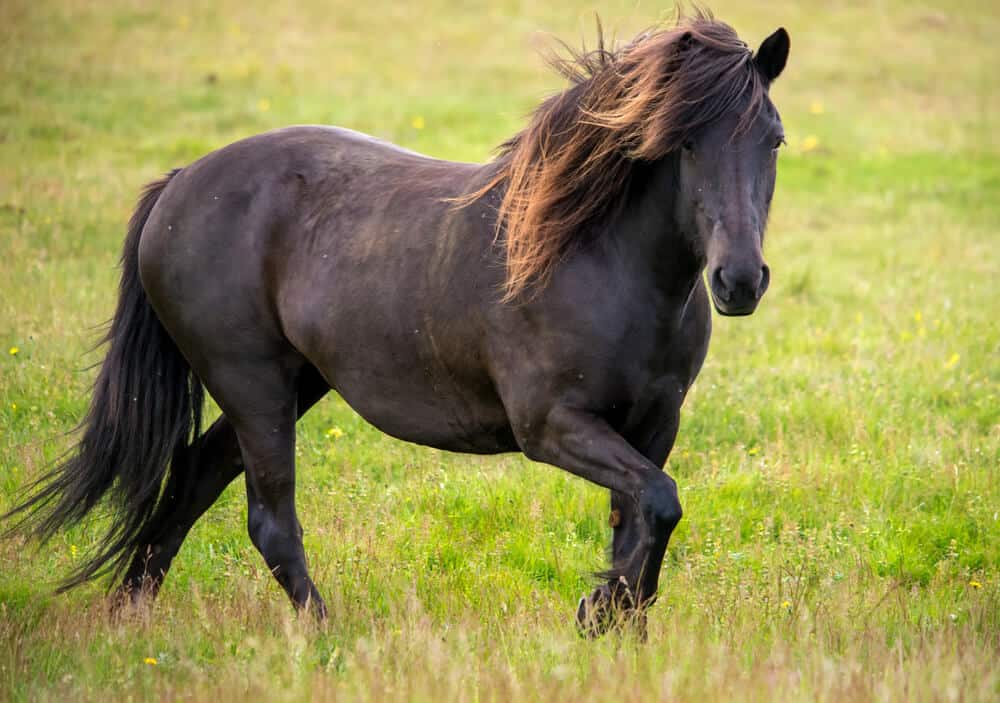
Choosing a cool Viking name for your horse can be fun! Here are some, complete with their meanings.
| Name | Meaning |
|---|---|
| Sleipnir | Odin’s eight-legged steed |
| Freyfaxi | Horse of the god Freyr |
| Gulltoppr | Horse belonging to Heimdallr |
| Magni | Mighty |
| Njal | Champion |
| Ragnar | Strong warrior |
| Kari | Wind |
| Leif | Heir or descendant |
| Orvar | Arrow |
| Runa | Secret lore |
| Saga | Seeing |
| Skogsmus | Wood mouse |
| Månestråle | Moonbeam |
| Fjellrev | Mountain fox |
| Havfrue | Mermaid |
Cute Viking Horse Names
When choosing a Viking name for a charming and lovable horse, it’s fun to pick names that reflect their adorable nature while still honouring Viking heritage. Here’s a handy table of some cute Viking horse names:
| Name | Meaning |
|---|---|
| Kari | Wind |
| Leif | Heir or Descendant |
| Njal | Champion |
| Runa | Secret Lore |
| Saga | Seeing |
| Skogsmus | Wood Mouse |
| Månestråle | Moonbeam |
| Fjellrev | Mountain Fox |
| Havfrue | Mermaid |
Female Viking Horse Names
Giving your horse a Viking-inspired name can add an extra touch of power and mystique. Below is a collection of female Viking names, along with their meanings.
| Name | Meaning |
|---|---|
| Freyja | Goddess of love, beauty, and fertility |
| Sif | Goddess with beautiful golden hair |
| Eir | Goddess of healing |
| Runa | Means “secret lore” |
| Saga | Refers to “seeing,” fitting for a wise horse |
| Ingrid | Means “beautiful” |
| Astrid | Means “divine strength” |
| Vigdís | Means “war goddess” |
| Yrsa | Means “she-bear,” fitting for a strong horse |
| Brynhildr | Legendary Valkyrie and shieldmaiden |
| Geirrid | Means “spear rider” |
| Gunhild | Means “battle maiden” |
| Hervor | Means “army guard” |
| Sigrun | Valkyrie and name meaning “victory rune” |
Whether she’s mighty like Eir or graceful like Freyja, there’s a Viking name to suit every mare.
Male Viking Horse Names
| Horse Name | Meaning |
|---|---|
| Sleipnir | Slippery one (Odin’s eight-legged horse) |
| Hrimfaxi | Frost mane (horse of the night in Norse mythology) |
| Gullfaxi | Golden mane (horse given to the hero Hrungnir) |
| Blóðughófi | Bloody-hoof (horse of the hero Freyr) |
| Falhofnir | Hair-mane (one of the horses of the gods) |
| Gulltopp | Golden tuft (horse of the god Heimdall) |
| Skinfaxi | Shining mane (horse of the day in Norse mythology) |
| Arvakr | Early riser (one of the horses that pulls the sun’s chariot) |
| Alsviðr | All swift (the other horse that pulls the sun’s chariot) |
| Léttfeti | Light-footed (another horse of the gods) |
The Impact of Names on Identity
A horse’s name plays a crucial role in shaping its identity and the bond it shares with its owner. The right name can reflect your horse’s unique qualities, such as its personality, appearance, or heritage.
For Viking horses, names held even more significance. These noble steeds were more than just working animals with heavy loads; they were war companions and symbols of strength and courage.
Names like Skalm and Sleipnir evoke a deep connection to Norse mythology and important historical events. Such names resonate with any horse’s powerful spirit and legacy.
Giving your horse a meaningful name can enhance its role in your life. It becomes a bridge between past and present, celebrating the animal’s significance in history while highlighting its unique attributes.
Names in Modern Context
Viking horse names have found a renewed interest today, influenced by popular culture and emerging trends among horse enthusiasts. These names carry historical value and cultural significance, celebrating a rich heritage in the equestrian world.
Influence on Popular Culture
Viking names have become a trendy choice largely due to their depiction in films, series, and literature. Shows like Vikings and The Last Kingdom have popularised several Norse names, making them appealing for naming modern horses.
These names evoke images of strength, adventure, and nobility. Characters like Bjorn, Lagertha, and Ragnar have inspired horse owners to choose similar names.
Many modern forms of media continue to draw from ancient Norse legends, further embedding these names in popular consciousness. By choosing a Viking name, horse owners tap into a well of rich mythological connotations.
Naming Trends in the Equestrian World
In the equestrian world, the trend of naming horses after Viking figures or elements has seen a rise in recent years. Horse owners often select names that signify traits such as bravery, strength, or grace.
Names like Freya, Thor, and Odin are frequently chosen for their powerful meanings and unique sounds.
Swedish Viking horse breeds, known for their resilience, are often given historically inspired names to honour their lineage. The use of such names adds a layer of depth and history to the identity of these horses, reflecting their noble heritage.
Horse naming has evolved, and Viking names now represent a blend of ancient tradition and contemporary admiration for Norse culture. This modern adaptation ensures the ongoing legacy of these powerful, memorable names.
A list of 100 Viking Horse Names
Here’s a list of the best 100 Viking horse names:
- Sleipnir – Odin’s eight-legged steed
- Freyfaxi – Named after the horse of the god Freyr
- Gulltoppr – Belongs to the god Heimdallr
- Kari – Meaning “wind”
- Leif – Meaning “heir” or “descendant”
- Magni – Meaning “mighty”
- Njal – Meaning “champion”
- Orvar – Meaning “arrow”
- Ragnar – A strong warrior name
- Runa – Meaning “secret lore”
- Saga – Meaning “seeing”
- Skogsmus – Meaning “wood mouse”
- Månestråle – Meaning “moonbeam”
- Fjellrev – Meaning “mountain fox”
- Havfrue – Meaning “mermaid”
- Elding – Meaning “thunderbolt”
- Bláinn – Meaning “blue”
- Frigg – Named after the goddess Frigg
- Hrafn – Meaning “raven”
- Bjorn – Meaning “bear”
- Fenrir – Named after the mythical wolf
- Loki – Named after the trickster god
- Thor – Named after the god of thunder
- Eira – Meaning “healing”
- Alf – Meaning “elf”
- Eyra – Meaning “gravel bank”
- Geri – One of Odin’s wolves
- Ulf – Meaning “wolf”
- Vidar – Meaning “forest warrior”
- Jarl – Meaning “noble”
- Yrsa – Meaning “she-bear”
- Odin – Chief of the gods
- Sif – Wife of Thor
- Tyr – God of war
- Balder – God of beauty
- Hermod – Messenger of the gods
- Skadi – Goddess associated with winter
- Kara – Meaning “wild storm”
- Astrid – Meaning “divine strength”
- Erling – Meaning “nobleman’s son”
- Freyja – Goddess of love and fertility
- Sigrid – Meaning “victory”
- Inga – Meaning “guarded by Ing”
- Ketill – Meaning “cauldron”
- Hildr – Meaning “battle”
- Svein – Meaning “young warrior”
- Yrsa – Legendary Swedish queen
- Birka – Viking trading centre
- Roskva – Servant of Thor
- Skrymir – A giant from mythology
- Egil – Meaning “edge of a sword”
- Gudrun – Meaning “god’s secret lore”
- Harald – Famous Viking king
- Sigurd – Legendary hero
- Gunnar – Meaning “warrior”
- Astrid – Meaning “divine beauty”
- Brynhildr – Warrior maiden
- Aud – Meaning “wealth”
- Thora – Feminine form of Thor
- Bodvar – Meaning “fighter”
- Hogni – Legendary warrior
- Dag – Meaning “day”
- Arnbjorg – Meaning “eagle protection”
- Stein – Meaning “stone”
- Olaf – Famous Viking king
- Gjallar – Meaning “yelling”
- Kvist – Meaning “twig”
- Ing – Fertility god
- Tove – Meaning “dove”
- Hvitserk – Meaning “white shirt”
- Snorri – Meaning “attack”
- Vigdis – Meaning “battle goddess”
- Alva – Meaning “elf”
- Yr – Meaning “yew tree”
- Astrid – Meaning “divine beauty”
- Embla – First human female in Norse mythology
- Bruni – Meaning “brown one”
- Gerd – Fertility goddess
- Hakon – Meaning “chosen son”
- Jormungandr – Serpent around the world
- Kvasir – Poet-god
- Lif – Meaning “life”
- Modi – Son of Thor
- Nanna – Goddess associated with the moon
- Osk – Meaning “wish”
- Ran – Sea goddess
- Sigrun – Meaning “victory rune”
- Veborg – Legendary shieldmaiden
- Einarr – Meaning “warrior”
- Frodi – Meaning “wise”
- Gisli – Meaning “ray of light”
- Helgi – Meaning “holy”
- Ingolf – Viking settler of Iceland
- Ketil – Meaning “kettle”
- Liv – Meaning “protection”
- Solveig – Meaning “sun strength”
- Taran – Meaning “thunder”
- Una – Meaning “one”
- Ymir – Primordial being
- Zephyrus – Meaning “west wind”
This diverse list contains a variety of strong, mystical, and historically significant names, perfect for giving your horse a touch of Viking heritage.
Final Thoughts
So there you have it! This is the ultimate blog post on Viking horse names. These names can embody qualities like strength, courage, mystery, and wisdom, making them perfect for capturing the essence of your horse’s character.
Choosing a name such as Leif or Ragnar can highlight your horse’s strong and fearless nature, while names like Saga and Runa reflect an enigmatic or wise presence. For those drawn to mythic elements, names like Mjolnir and Fenrir evoke legendary tales and mythical creatures.
If you prefer something simple yet powerful, consider names like Njal, meaning “champion,” or Magni, meaning “mighty,” which evoke power and legacy. Elegant names like Månestråle, translating to “moonbeam,” are perfect for gentle and calming horses, while Havfrue, meaning “mermaid,” can highlight grace and elegance.
Here’s a quick recapof my favourite Viking Horse Names:
– Leif: Strong and fearless
– Ragnar: Bold and heroic
– Saga: Wise and enigmatic
– Runa: Mysterious
– Mjolnir: Mythic and powerful
– Fenrir: Legendary and fierce
– Njal: Champion
– Magni: Mighty
– Månestråle: Gentle and calming
– Havfrue: Graceful and elegant
Ultimately, selecting a Viking name is about more than just the sound; it’s about embodying the spirit of the Vikings and their storied past. It’s a thoughtful way to honor history while giving your horse a memorable and meaningful name. Happy Naming!