
Construction projects can seem rather complex and overwhelming. However, once you understand the basics, it can make the process much simpler.
In this article, we’ll help you navigate the world of construction. From the initial planning stages to the final touches, we’ll break down each step, providing a clear and concise overview of how construction projects come to life.
Whether you’re a homeowner looking to renovate, a student curious about the industry, or just someone who’s interested in how buildings are made, this guide will give you a solid foundation. By the end, you’ll have a clear picture of what goes into creating the structures we live and work in every day.
Let’s begin.
1. Assessment and Planning
The first step in any construction project is assessment and planning. This crucial phase involves understanding the project’s goals and requirements.
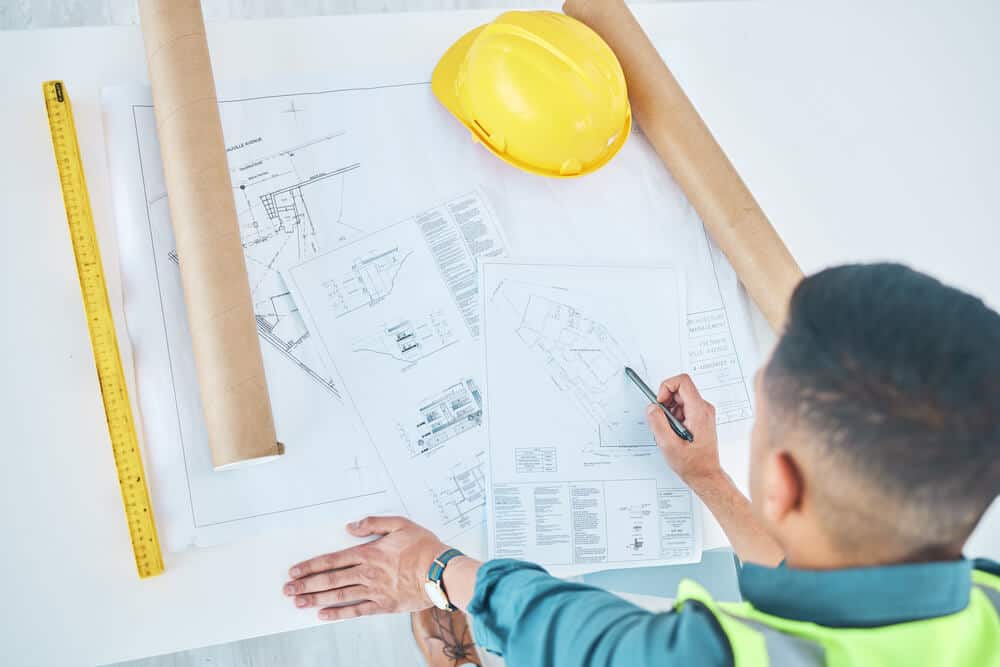
It starts with evaluating the site, considering factors like location, terrain, and existing structures. Next, a detailed plan is developed, outlining the project’s scope, timeline, and budget. Then, architects, engineers, and planners will collaborate to create blueprints and design plans, ensuring everything aligns with local regulations and safety standards.
This stage sets the foundation for a successful project. Thorough assessment and careful planning help avoid potential issues and ensure that the project stays on track from start to finish.
2. Budgeting and Financing
Budgeting and financing are essential parts of every construction project. This phase involves determining the total cost of the project and securing the necessary funds.
After estimating expenses, including materials, labour, permits, and unexpected expenditures, a proper budget will be created to cover all these costs. Once the budget is set, financing options are explored, which may include loans, grants, or investments.
The company handling the project needs to ensure adequate funding, as it guarantees that the project can proceed smoothly without financial interruptions. Proper budgeting and financing help keep the project on track and prevent delays or issues related to funding shortages.
3. Contracting and Procurement
The next important step in a construction project is contracting and procurement. This usually involves everything from hiring the necessary concrete and asphalt contractors to purchasing materials from brick and aggregate suppliers.
First, contracts are drafted and signed with builders, architects, and other professionals who will work on the project. These agreements specify the scope of work, timelines, and payment terms. Next, the procurement process begins, which involves sourcing and purchasing all the required materials and equipment.
This step ensures that everything needed for the project is available and delivered on time. Efficient contracting and procurement are essential for maintaining the project’s schedule and ensuring that all resources are properly managed.
4. Government Permits and Regulations
Another important step in construction projects is obtaining government permits and adhering to regulations. This ensures that the project complies with local laws and safety standards.
It begins with submitting plans and applications to relevant authorities, such as building departments and zoning boards. These applications are reviewed to ensure that the project meets all codes and regulations. All the necessary permits, like building, electrical, and plumbing permits, are then issued.
Following the rules and regulations ensures that the construction is safe and legal, preventing costly fines or delays. As long as the construction company has secured the proper permits, the project can progress smoothly and lawfully.
5. Health and Safety On-Site
When it comes to construction projects, one of the steps that cannot be overlooked is ensuring the health and safety of all workers on-site. This is crucial for protecting workers and maintaining a safe environment.
Beyond providing welfare cabins and other essential facilities, a comprehensive safety plan also needs to be created, including guidelines for using equipment, handling materials, and emergency procedures. Regular safety training has to be provided to all workers to keep them informed about potential hazards and safe practices. Moreover, safety gear, such as helmets, gloves, and harnesses, is mandatory.
Ongoing site inspections and risk assessments also help identify and mitigate dangers. By prioritising health and safety on-site, accidents and injuries can be prevented, ensuring a safe and productive construction process.
6. Design and Architecture
In construction projects, the design and architecture stage involves transforming ideas into detailed plans and blueprints. This is where architects and designers work closely with clients to create functional and aesthetically pleasing designs that meet the project’s goals.
They’ll consider factors such as space utilisation, materials, and environmental impact. They’ll also develop detailed drawings and 3D models to visualise the final structure. These plans will then guide the construction process, ensuring that everything is built according to specifications.
Overall, effective design and architecture are crucial for creating structures that are both beautiful and practical. They have to not only align with the client’s vision but also meet all regulatory requirements.
7. Foundations and Framework
In a construction project, the foundations and framework phase involves building the essential support structures of the project.
It starts with laying the foundation, which provides a stable base for the entire building. Depending on the design, this can include concrete slabs, footings, or piers. Once the foundation is set, the framework is constructed. This skeleton of beams and columns supports the walls, floors, and roof.
Properly constructed foundations and framework ensure the building’s stability and strength, forming the core upon which the rest of the project will be built. This step is crucial for the structural integrity of the construction.
8. Implementation and Construction
Implementation and construction is the final step, which involves executing the plans and building the actual structure. This is where skilled workers, including carpenters, electricians, plumbers, and masons, all come together to bring the design to life.
They follow the blueprints to construct walls, install electrical systems, lay plumbing, and finish other essential tasks. Throughout this process, supervisors will also ensure that the work is done correctly and safely. Regular inspections are conducted to maintain quality and adherence to codes.
With effective implementation and construction, the project’s well-laid plans will be turned into reality, resulting in a finished structure ready for the final touches and occupancy.

To Sum Up
Understanding the construction process from start to finish can demystify what might seem like a complex and challenging task. From initial assessment and planning to the final stages of construction and finishing touches, each step is crucial for a successful project.
By following the mentioned steps methodically—you can achieve a well-built, safe, and functional structure.
Whether you’re taking on a small renovation project or a large-scale build, having a clear roadmap of the construction process will ensure that your project runs smoothly and efficiently.