
Hello horse lovers! Today we are talking all about Greek horse names! So we all know that finding the perfect name for your horse can be a fun yet tricky task. But if you’re into Greek mythology and ancient Greek culture, you’re in luck because it’s full of cool and unique names. Think about the mighty legendary Pegasus, the winged horse, or Bucephalus, Alexander the Great’s trusty steed. These names carry a rich legacy. Imagine naming your horse Apollo if it’s graceful and splendid, or Athena for a wise and strategic mare. It adds a touch of ancient mystique to your stable, and each name tells a story, giving your horse a meaningful identity.
Picking a name isn’t just about how it sounds. It’s about connecting to history, mythology, and culture. If you want your horse’s name to have a timeless resonance, Greek names are an exciting and fulfilling choice to explore.
The Significance of Horse Names in Greek Mythology
Horse names in Greek mythology carry profound meaning, often highlighting the attributes and stories of legendary horses. These names reflect the culture, beliefs, and values of ancient Greece, resonating with beauty, strength, and mythical connections.
Mythological Influence on Naming
Names like Pegasus and Balios are derived from transformative tales. Pegasus symbolises nobility and freedom with its wings and graceful form, springing from Medusa’s blood. Balios, one of Achilles’ immortal horses, underscores loyalty and valour in warfare.
Alexandros called his horse Bucephalus, renowned for its unmatched bravery. The Horses of Ares—Phlogeus and Aethon—represented fearsome and commanding presences in battle, embodying the deity’s fierce nature.

Alexander the Great on his horse “Bucephalas”
Common Themes and Motifs
Many Greek horse names feature themes like divinity, nature, and heroism. Divine names such as Aethon (Helios’ horse) imply immortality and celestial ties, while heroic names like Euryalus connect to narratives of combat and kingship.
The theme of natural elements is evident in names like Zephyros (meaning “west wind”), drawing from the Anemoi. A black horse named Draco, meaning “dragon”, invokes power and ferocity.
These themes enhance the mythical allure and historical context, reflecting the profound connection between horses and mythology in ancient Greece. Their names continue to inspire and captivate, offering insight into a world where animals were revered and their names held deep significance.
Celebrated Horses of Greek Legends
Greek mythology is replete with legendary horses that left significant marks on the myths and tales of ancient Greece. These celebrated equines played vital roles in the stories of gods, heroes, and epic battles.
Immortal Horses of Achilles
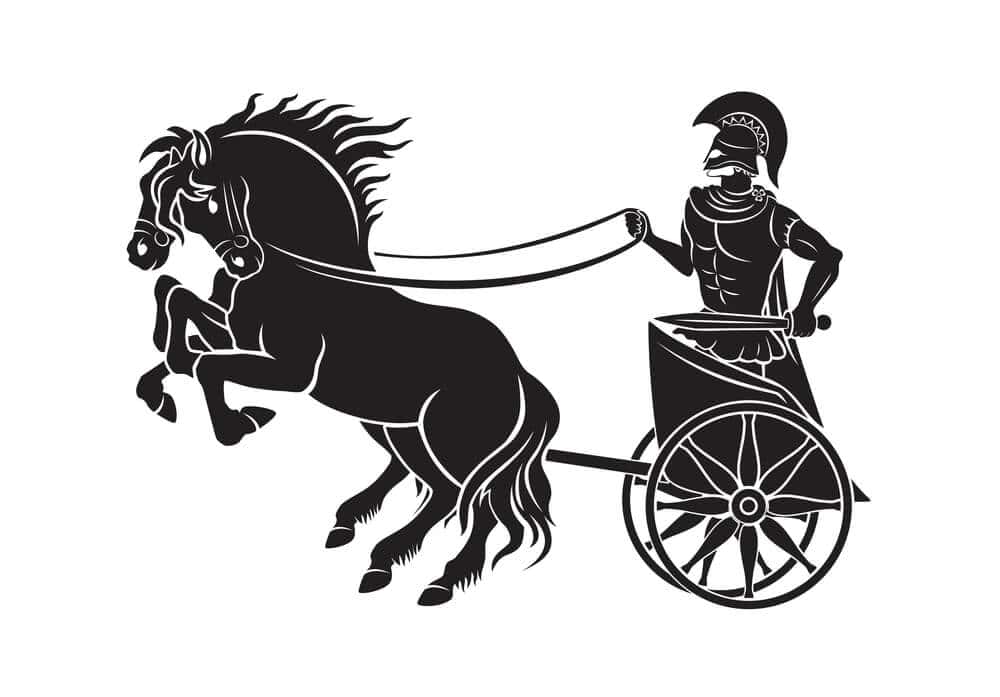
Achilles, the famed Greek hero of the Trojan War, possessed two extraordinary horses named Balios and Xanthos. These immortal steeds were gifted to Peleus, Achilles’ father, by the god Poseidon.
Balios and Xanthos were known for their exceptional speed and strength, attributes that set them apart on the battlefield.
According to the Greek epic “The Iliad”, Balios and Xanthos were instrumental during significant battles. These horses had divine parentage, being born to the harpy Podarge. Their unmatched abilities and divine origin made them standout figures in Greek mythology.
Pegasus: The Winged Wonder
Pegasus, the winged horse, is a well-known figure in Greek legends. Born from the blood of the Gorgon Medusa when she was slain by Perseus, Pegasus was a remarkable creature.
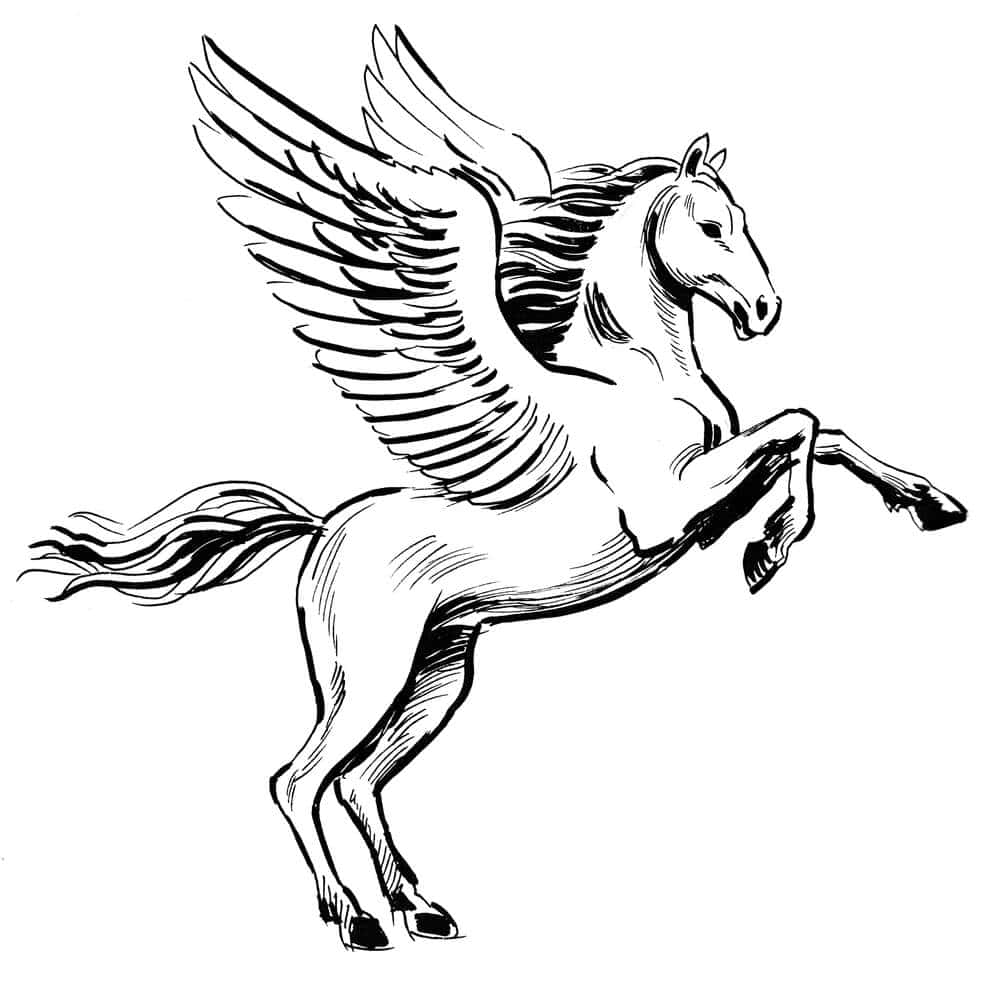
Pegasus’s ability to fly and his involvement in mythological narratives distinguished him from other mythical horses. He played a key role in the exploits of the hero Bellerophon, aiding him in defeating the monstrous Chimera.
Pegasus also served Zeus, carrying his thunderbolts and becoming a constellation in the sky as a reward for his service. Pegasus’s iconic status as a symbol of inspiration and beauty endures to this day.
Horses in Homeric Epics
Horses abound in the epic poems of Homer, notably “The Iliad” and “The Odyssey”. One distinguished horse within these epics is Aethon, the fiery horse of the sun god Helios.
In the “Iliad”, the horses of heroes played critical roles in combat scenes, demonstrating strength and loyalty. Euryalus, the horse of Adrastus, a king mentioned in the Trojan War narratives, is another notable example.
Quintus Smyrnaeus, a later poet, extended these Homeric stories, further detailing the noble steeds and their heroic riders. These horses often symbolised the nobility and grandeur of their riders, adding depth to the Homeric tales.
The celebrated horses of Greek legends reflect the importance of equines in ancient narratives, symbolising strength, divinity, and heroic companionship. Their stories form an integral part of Greek mythology, illustrating their pivotal roles in the myths of gods and heroes.
The Art of Selecting a Perfect Name
Choosing a fitting name for your horse involves understanding its personality, breed, and appearance. These factors contribute to ensuring that you pick a name that not only suits your horse but also creates a meaningful connection.
Factors to Consider
When naming a horse, personality is crucial. A calm horse might be called Serenity, while a fast horse could be named Zephyr. The horse’s breed can also inspire the name. For instance, a Greek Andros might suit a robust, noble breed.
Appearance should not be overlooked. Bay horses, with their reddish-brown coat, might inspire names like Rusty. Likewise, the gender of the horse plays a role, with classic names like Athena for female horses.
The origins of names can add depth. Biblical names, Greek words, and Latin names provide a rich source of inspiration, offering a blend of tradition and uniqueness. Names like Apollo (Greek god) or Solomon (Biblical king) add a touch of legacy to your horse’s identity.
Tips for Happy Naming
To ensure happy naming, start by observing the horse. Watch how it moves and behaves. Is it calm or energetic? A high-speed horse could bear a name reflecting swiftness, like Hermes.
Selecting short, easy-to-pronounce names can make communication clear and effective. Names like Echo or Neo are memorable and straightforward, improving the bond between the horse and rider.
Involve personal preferences. If you have an affinity for mythology or history, names like Pegasus or Hades might resonate more with you. This personal connection makes the naming process more enjoyable.
Experiment with names before deciding. Call out different names and see how the horse responds. This interaction helps identify which names the horse seems to react positively to, ensuring a happier association.
Global Influence and Variations
Greek horse names have left a significant imprint on cultures worldwide. They have influenced a variety of naming traditions across different mythologies, modern adaptations, and even popular culture, each adding its own distinctive flavour.
From Norse to Celtic Echoes
In Norse mythology, horses like Sleipnir, Odin’s eight-legged steed, mirror the grandeur and mysticism of Greek mythological horses. Norse and Greek mythological naming traditions share a deep reverence for these loyal animals. Similarly, Celtic mythology values horses as sacred creatures. Names like Rhiannon, a powerful horse goddess, reflect a blend of spiritual and mythical significance, akin to the Greek reverence for figures like Pegasus or Areion.
Mythological Names Beyond Greece
Greek mythological horse names are not confined to Greece. In Roman mythology, for instance, the influence is seen in equines like Epona, a goddess and protector of horses, integrating traits of Greek deities. Ancient Persian and Chinese mythologies also feature noble horses, symbolising power and grace. Ancient Persia’s Rakhsh, the horse of the hero Rostam, and Chinese mythological figures like Chollima, a swift horse, all reflect the timeless value of horses in cultural lore.
Modern Adaptations and Pop Culture
In modern times, Greek horse names have transcended mythology and entered popular culture. Films like Star Wars and Lord of the Rings echo this tradition by referencing mythological themes. Horses in TV shows and literature, like Katniss Everdeen’s ride in Hunger Games or the steeds in Marvel Comics, often carry names that evoke a sense of ancient lore and strength, much like the famed stallions of Greek legend.
Cute Greek Horse Names
Below is a selection of endearing Greek horse names, that encapsulate beauty, strength, and charm:
| Name | Meaning |
|---|---|
| Calix | Beautiful and symmetrical form |
| Echo | Memorable as the nymph’s haunting voice |
| Neo | New and revolutionary spirit |
| Phae | Derived from Phaethon, meaning ‘shining’ |
| Selene | Named after the goddess of the moon |
| Iris | Named after the goddess of the rainbow |
| Thalia | Blossom, also the Muse of comedy and idyllic poetry |
| Zephyros | West wind, one of the Anemoi |
These names offer both historical depth and a touch of sweetness, ideal for modern horse owners seeking a link to the rich tapestry of Greek mythology.
Historical and Cultural Context
The significance of Greek horse names lies deeply within the rich tapestry of ancient Greek culture and mythology. Exploring this context reveals a lot about the landscapes, legendary figures, and mythical tales that have shaped these names.
The Ancient Greek Landscape
Ancient Greece is characterised by its diverse and dramatic geography. Mountainous terrain and coastal regions defined much of the landscape, influencing the lives of its inhabitants.
Mount Olympus, towering as the mythical home of the gods, highlights the importance of these natural features. The place name Arcadia is often depicted as a pastoral paradise, inspiring many to name their horses after such idyllic settings.
Specific trees like oaks and olives, sacred to gods like Zeus and Athena, also appear in names, reflecting their cultural importance. Horses thrive in these rugged terrains, contributing to their value and prominence in Greek society.

Eponymous Figures and Places
Many Greek horse names are derived from illustrious figures and places in mythology and history. Names like Helen and Achilles, associated with the Trojan War, are prominent. Helen represents beauty and conflict, while Achilles signifies strength and heroism.
The King of the Gods, Zeus, lends his name to powerful and dominant horses. Similarly, names like Hera, queen of the gods, convey majesty.
Place names such as Corinth, Sparta, and Athens are also popular, reflecting the cultural and historical significance of these cities. They were centres of power, wisdom, and athletic prowess, ideal attributes for a noble steed.
Mythological References in Literature
Greek literature is replete with incredible stories involving horses. The immortal steeds of Helios and Achilles, Aethon and Balios, embody the mythical essence. The winged horse Pegasus, born from the blood of the Gorgon Medusa, is a symbol of inspiration and flight.
Curse tablets from ancient times often called upon divine retribution, sometimes targeting or involving horses, showing their integral role in society.
The Golden Fleece journey also includes mentions of exceptional horses, emphasising their significance in heroic quests. Valerius Flaccus’ works often detailed these mythical narratives, showcasing the depth of Greek mythology regarding horses.
Horses in Greek Mythology
| Horse Name | Owner/Association | Attributes |
|---|---|---|
| Pegasus | Perseus, later Bellerophon | Winged horse, inspiration, flight |
| Aethon | Helios | Fiery mane and tail, immortality |
| Balios | Achilles | Speed, immortality |
| Areion | Poseidon and Demeter | Remarkable speed and agility |
| Xanthus | Achilles | Immortality, prophetic abilities |
| Lampos | Eos | Speed and brilliance |
| Podarge | Harpies | Swiftness, part of the divine Harpies’ team |
| Cyllarus | Castor | Beauty, belonged to one of the Dioscuri |
These names and their rich stories deeply resonate with the enduring legacy of Greek culture, highlighting the esteemed place horses held in mythology and daily life.
Meanings Behind the Names
Greek horse names are rich in history and cultural significance. They often derive from ancient Greek language and mythology, each carrying a unique etymology and symbolic meaning.
Deciphering Ancient Greek Etymology
Many Greek horse names have roots in ancient Greek words. For instance, the name “Archos” can be traced to the Greek word for “chief” or “leader,” often signifying a horse of noble stature. The name “Aristos” comes from the Greek word for “best,” indicating a horse of exceptional quality or superiority.
Some names have uncertain etymology but remain popular. Names such as “Aetos” meaning “eagle” can depict a horse with speed and majesty. Greek horse names like “Pyrros” (fiery red) suggest a physical attribute or personality trait.
Symbolism and Allegories
Greek mythology heavily influences horse names, often with rich allegorical significance. Names like “Pegasus”, the mythical winged horse, evoke imagery of freedom and strength. Horses named “Hippolytus”, meaning “horse released,” are often seen as symbols of liberation.
Sometimes, names symbolise characteristics or elements. “Anti” in Greek could mean “against” or “opposite,” used in names to signify a horse’s distinctive nature. “Theron” meaning “hunter”, might be suitable for a swift and agile horse. Names like “Dionysus”, after the god of wine, may be chosen for horses known for their spirited nature.

Greek Mare Names
Here is a list of elegant and meaningful Greek names for mares, celebrating their strength and beauty.
| Name | Meaning |
|---|---|
| Athena | Named after the Greek goddess of wisdom and warfare |
| Calypso | The nymph who enchanted Odysseus in Greek mythology |
| Echo | The nymph whose voice was taken away, leaving only echoes |
| Hera | The queen of the gods, wife of Zeus |
| Iris | The goddess of the rainbow and a messenger for the gods |
| Selene | The queen of the gods, the wife of Zeus |
| Artemis | The goddess of the hunt, wilderness, and wild animals |
| Demeter | Goddess of the harvest and fertility of the earth |
| Pandora | The first woman created by the gods, known for her curiosity |
| Nyssa | Derived from “Nysa,” a mythical mountain |
| Charis | One of the Charites (Graces), embodying beauty and charm |
| Persephone | The queen of the underworld and daughter of Demeter |
| Penelope | The faithful wife of Odysseus |
| Theia | A Titaness, mother of the sun, moon, and dawn |
| Hestia | Goddess of the hearth and home |
Each of these names carries a piece of ancient Greek lore and mythology, perfect for a mare with a presence as grand as her name. The choices range from goddesses to nymphs, ensuring there’s something for every majestic mare.
Greek Gelding/Stallion Horse Names
When choosing a name for a gelding or stallion, selecting from Greek mythology and history can lend a sense of grandeur and timelessness. Here are some great options to consider, each imbued with rich meaning.
| Name | Meaning |
|---|---|
| Aethon | This means “west wind,” representing the gentle and refreshing breeze. |
| Balios | One of Achilles’ immortal horses, famed for its speed and strength. |
| Euryalus | The horse of King Adrastus, who took part in the Trojan War. |
| Areion | A legendary horse born from Poseidon and Demeter, known for its unmatched speed. |
| Draco | Derived from the Greek word for dragon, perfect for a strong and powerful horse. |
| Calix | Ideal for a horse with a beautiful and symmetrical form. |
| Apollo | Named after the god of the sun, music, and poetry, exemplifying wisdom and beauty. |
| Hermes | Messenger of the gods, renowned for speed and agility. |
| Zephyros | The powerful black horse of Hades, is perfect for an imposing black stallion. |
| Pegasus | The famous winged horse, symbolising freedom and grace. |
| Alastor | The powerful black horse of Hades, perfect for an imposing black stallion. |
These names reflect the grandeur and mystique of ancient Greek legends, making them ideal for horses with a strong and noble presence. Each name carries a story that adds to the cultural richness associated with Greek mythology.

Skirian horse in Greece
Unique Greek Horse Names
Here are some unique Greek horse names, complete with their meanings:
| Name | Meaning |
|---|---|
| Apollo | Named after the Greek god of the sun, music, and poetry. |
| Athena | Named after the Greek goddess of wisdom and warfare. |
| Hermes | Named after the messenger of the gods, known for his speed. |
| Zephyros | Means “west wind,” one of the Anemoi (wind gods). |
| Draco | Derived from the Greek word for dragon, symbolising strength. |
| Calix | Ideal for a horse with a beautiful and symmetrical form. |
| Echo | For a horse whose presence is as memorable as the nymph’s voice. |
| Neo | A modern twist on the Greek word for ‘new’. |
Horses have always held a special place in Greek culture. Naming them after gods, heroes, and mythical creatures underscores their importance and revered status.
Popular Greek Horse Names With Ancient Greek Name Meaning
| Greek Horse Name | Meaning |
|---|---|
| Pegasus | Winged horse |
| Bucephalus | Ox head |
| Apollo | God of music, arts, and prophecy |
| Athena | Goddess of wisdom and war |
| Arion | Immortal, swift horse |
| Balius | Dappled, swift horse of Achilles |
| Xanthos | Yellow or golden horse |
| Aithon | Fiery, burning |
| Hippocampus | Sea horse |
| Arete | Excellence, virtue |
| Artemis | Goddess of the hunt |
| Alastor | Avenging spirit |
| Chaos | Primordial void |
| Chiron | Wise centaur |
| Aether | Upper sky, pure air |
| Balius | Dappled, swift horse |
| Phaethon | Shining, radiant |
| Electra | Shining, bright |
| Nyx | Night |
| Eos | Dawn |
Black Greek Horse Names
| Name | Meaning |
|---|---|
| Nyx | Goddess of the night |
| Erebus | River in the underworld personified as a goddess |
| Hades | God of the underworld |
| Thanatos | Personification of death |
| Melaina | Meaning “dark” or “black” |
| Achlys | Personification of the mist of death |
| Eris | Goddess of strife and discord |
| Morpheus | God of dreams |
| Cerberus | Three-headed dog guarding the underworld |
| Orpheus | Legendary musician who ventured into the underworld |
| Hypnos | God of sleep |
| Keres | Female spirits of violent death |
| Acheron | River of woe in the underworld |
| Styx | River in the underworld, personified as a goddess |
| Persephone | Queen of the underworld |
| Nemesis | Goddess of retribution |
| Hecate | Goddess of magic and witchcraft |
| Lyssa | Spirit of mad rage and frenzy |
| Adrestia | Goddess of revolt and equilibrium |
| Empusa | Demigoddess of shape-shifting and darkness |
White Greek Horse Names
| Name | Meaning |
|---|---|
| Pegasus | Winged horse, symbol of wisdom and poetry |
| Arion | Immortal, extremely swift horse |
| Balius | One of Achilles’ immortal horses |
| Xanthos | Another of Achilles’ immortal horses |
| Alastor | Avenger |
| Aether | Personification of the upper sky |
| Apollo | God of the sun, light, and music |
| Selene | Goddess of the moon |
| Eos | Goddess of the dawn |
| Helios | God of the sun |
| Leukippos | Meaning “white horse” |
| Phaethon | Son of Helios, associated with the sun |
| Hyperion | Titan god of heavenly light |
| Astraeus | Titan god of the dusk and stars |
| Hesperus | Evening star |
| Leto | Mother of Apollo and Artemis |
| Hecate | Goddess of magic and witchcraft |
| Eurynome | Wide-ruling, oceanid |
| Euphemia | Well-spoken, goddess of praise and good omen |

The Ultimate List of 100+ Greek Horse Names With Meanings
- Pegasus – Winged horse
- Bucephalus – Ox head
- Apollo – God of music, arts, and prophecy
- Athena – Goddess of wisdom and war
- Arion – Immortal, swift horse
- Balius – Dappled, swift horse of Achilles
- Xanthos – Yellow or golden horse
- Aithon – Fiery, burning
- Hippocampus – Sea horse
- Arete – Excellence, virtue
- Artemis – Goddess of the hunt
- Alastor – Avenging spirit
- Chaos – Primordial void
- Chiron – Wise centaur
- Aether – Upper sky, pure air
- Phaethon – Shining, radiant
- Electra – Shining, bright
- Nyx – Night
- Eos – Dawn
- Zephyr – West wind
- Hades – God of the underworld
- Hermes – Messenger of the gods
- Hera – Queen of the gods
- Demeter – Goddess of the harvest
- Persephone – Queen of the underworld
- Ares – God of war
- Hephaestus – God of fire and metalworking
- Dionysus – God of wine
- Hestia – Goddess of the hearth
- Gaia – Earth
- Chronos – Time
- Eris – Discord
- Hypnos – Sleep
- Thanatos – Death
- Eros – Love
- Selene – Moon
- Helios – Sun
- Iris – Rainbow
- Nemesis – Retribution
- Tyche – Fortune
- Nike – Victory
- Pan – God of the wild
- Leto – Mother of Apollo and Artemis
- Hecate – Goddess of magic and witchcraft
- Echidna – Mother of monsters
- Cerberus – Three-headed dog of the underworld
- Hydra – Multi-headed serpent
- Medusa – Gorgon with snakes for hair
- Chimera – Fire-breathing monster
- Cyclops – One-eyed giant
- Sphinx – Mythical creature with a human head and lion’s body
- Griffin – Mythical creature with the body of a lion and the head and wings of an eagle
- Minotaur – Half-man, half-bull
- Satyr – Half-man, half-goat
- Centaur – Half-man, half-horse
- Triton – Messenger of the sea
- Poseidon – God of the sea
- Amphitrite – Sea goddess, wife of Poseidon
- Nereus – Old man of the sea
- Proteus – Shape-shifting sea god
- Oceanus – Titan god of the ocean
- Tethys – Titan goddess of the sea
- Thetis – Sea nymph, mother of Achilles
- Calypso – Nymph who detained Odysseus
- Circe – Enchantress who transformed men into animals
- Orpheus – Legendary musician and poet
- Eurydice – Wife of Orpheus
- Achilles – Greatest Greek warrior in the Trojan War
- Hector – Trojan prince and warrior
- Paris – Trojan prince who abducted Helen
- Helen – Most beautiful woman, caused the Trojan War
- Odysseus – Hero of the Odyssey
- Penelope – Faithful wife of Odysseus
- Telemachus – Son of Odysseus and Penelope
- Agamemnon – King and leader of the Greek forces in the Trojan War
- Clytemnestra – Wife of Agamemnon
- Menelaus – King of Sparta, husband of Helen
- Ajax – Greek warrior known for his strength
- Patroclus – Close friend of Achilles
- Cassandra – Trojan prophetess
- Andromache – Wife of Hector
- Priam – King of Troy
- Hecuba – Queen of Troy
- Aeneas – Trojan hero, ancestor of Romans
- Nestor – Wise old Greek king
- Diomedes – Greek hero of the Trojan War
- Icarus – Flew too close to the sun
- Daedalus – Master craftsman, father of Icarus
- Theseus – Slayer of the Minotaur
- Ariadne – Helped Theseus defeat the Minotaur
- Perseus – Slayer of Medusa
- Andromeda – Rescued by Perseus
- Heracles (Hercules) – Hero known for his strength
- Eurystheus – King who assigned Heracles his labors
- Jason – Leader of the Argonauts
- Medea – Sorceress, wife of Jason
- Atalanta – Swift-footed huntress
- Orion – Giant huntsman
- Antigone – Daughter of Oedipus.
- Euryale – Far-roaming, one of the Gorgons
- Stheno – Strong, one of the Gorgons
- Pallas – Maiden, epithet of Athena
- Hyacinth – Flower, beloved of Apollo
- Adonis – Handsome youth loved by Aphrodite
- Phobos – Fear, personification of fear
- Deimos – Terror, personification of terror
- Harmonia – Harmony, goddess of harmony and concord
- Eileithyia – Goddess of childbirth
- Pandora – All-gifted, first woman created by the gods
- Lachesis – One of the Fates, measurer of life thread
- Atropos – One of the Fates, cutter of life thread
- Clotho – One of the Fates, spinner of life thread
- Eurydice – Broad justice, wife of Orpheus
- Eurynome – Wide-ruling, oceanid
- Hesperia – Evening star, one of the Hesperides
- Astraea – Star-maiden, goddess of justice
- Thalassa – Sea, primordial sea goddess
- Eurybia – Wide-force, goddess of the mastery of the seas
- Euphemia – Well-spoken, goddess of praise and good omen
Final Thoughts
In conclusion, diving into the world of Greek horse names opens up a treasure trove of fascinating stories and rich history. Whether you’re inspired by a majestic horse from Greek myths, a fearsome horse from Ancient Greece, or Alexander’s horse, Bucephalus, these names bring a strong presence to your stable. Imagine naming your graceful horse after a mythological figure or a famous horse from the mythology of ancient Greece.
Here’s a quick list of some of my favourite Greek horse names and what they represent:
| Name | Meaning/Background |
|---|---|
| Draco | Dragon |
| Calix | Beauty and form |
| Echo | Memorable presence |
| Neo | New and modern |
| Pegasus | Winged horse, loyal to Zeus |
| Bucephalus | Alexander the Great’s horse, meaning ‘ox-head’ |
From the commanding presence of a wild horse to the elegance of a white horse, the best horse names often carry a unique horse name with a deep connection to history. Whether your horse is a bay horse, light brown, or one of the many brown horses, there’s a cool Greek name out there that fits perfectly.
Exploring ancient Greek horse Myths
Exploring ancient Greek horse names not only adds a touch of ancient mystique but also connects your horse to the rich tapestry of Greek myths, Arthurian legend, and even biblical names. The good news is that there’s no shortage of inspiration, from the upper body of a horse in mythical creatures to the queen of the Amazons.
So, whether you’re looking for a name with possible origins in the Roman Empire, a name of many characters from Greek epics, or even a name inspired by Chinese mythology or Irish mythology, you’ll find that Greek horse names offer some of the best names with a happy ending. Your horse, with its strong presence and high speed, will carry a name that resonates through time, just like the ancient Greek name meanings that have stood the test of time.
In the end, giving your horse a name rooted in the mythology of ancient Greece is a wonderful way to celebrate its beauty, power, and grace. Whether it’s a name with elements of aristos or archos, or something inspired by The Great Gatsby or a popular TV show, your horse’s name will surely stand out. So go ahead, choose a name that reflects your horse’s majestic nature and enjoy the journey through history and mythology.
Happy Naming!
You May Also Like:
- The Best Black Horse Names: Capturing Their Beauty and Power
- Unique Icelandic Horse Names Inspired by Norse Mythology
- Charming and Unique: White Horse Names You’ll Love!
- From the Savannah to the Stable: Unique African Horse Names