
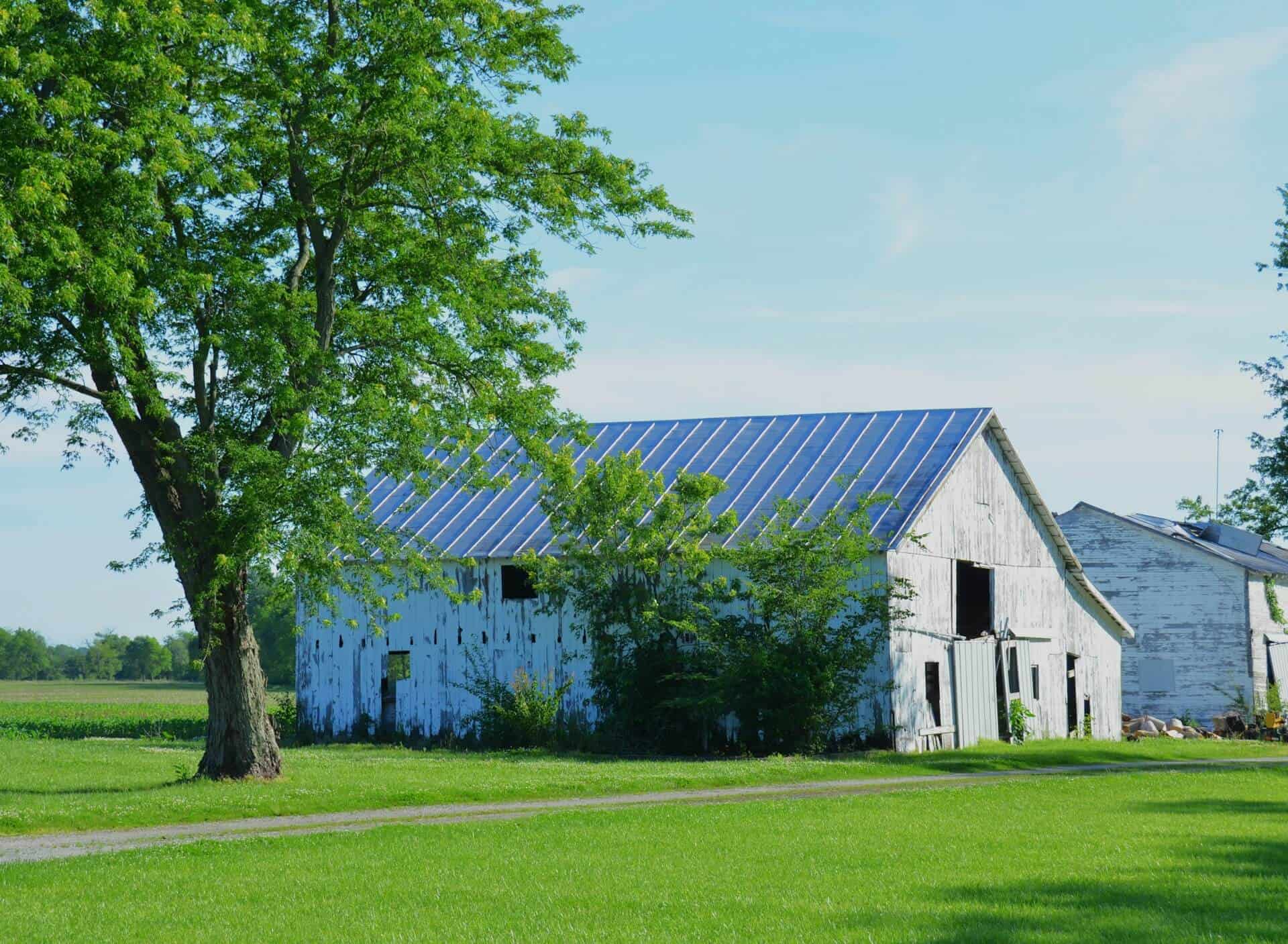
A well-built green walkway keeps daily traffic around barns and stables cleaner, safer and easier to manage. Grass alone often struggles where animals, carts and maintenance vehicles repeatedly follow the same route.
The best results come from treating the walkway as a small construction project, with drainage, a stable base and turf suited to the expected wear.
The Problem with Muddy Stable Lanes
Stable lanes collect water for several reasons. Roof runoff may discharge beside the path, compacted soil drains slowly and repeated traffic wears away protective ground cover. Once shallow ruts form, they hold even more water and the problem grows after every wet spell.
Mud also travels. It sticks to boots and hooves, then ends up in grooming spaces, storage areas and buildings. Start by watching the site during steady rain. Mark puddles, note where water leaves downpipes and identify low points. Common barn design mistakes include overlooking drainage until construction is complete, when correcting levels becomes far more disruptive.
Base Preparation for Heavy Load Paths
Remove soft topsoil from the planned route before installing a heavily used path. The required excavation depth depends on soil conditions and traffic, but the finished surface should sit slightly above nearby ground and slope gently toward a safe drainage area.
Place geotextile fabric over unstable soil, then add compacted crushed stone in layers. Each layer should be level and firm before the next goes down. Edge restraints can stop the base from spreading into adjacent beds or paddocks. For routes that regularly carry loaded carts or small vehicles, cellular stabilization panels may help distribute weight. These ground stabilization methods show how a reinforced base can reduce rutting in busy areas.
Invest in Commercial Turf Supplies
Choose turf after deciding how the lane will be used. A decorative strip beside a low-traffic barn needs different grass from a broad access route exposed to sun and frequent foot traffic. Check the site’s light, soil drainage and expected wear before ordering.
For properties on the NSW South Coast, locally grown turf supplies can include Kikuyu or Palmetto Buffalo turf for residential and commercial landscaping projects. Kikuyu generally suits sunny areas where vigorous growth and recovery are useful. Palmetto Buffalo can be considered where a softer appearance and some shade tolerance are priorities.
Order enough turf to cover the measured area plus a small allowance for trimming around corners, drains and posts. Install it promptly after delivery so the rolls don’t dry out.
Irrigation and Routine Maintenance
New turf needs consistent moisture while roots establish. Water soon after installation, making sure moisture reaches the soil beneath the rolls. During the first couple of weeks, inspect exposed edges and sunny sections because they can dry faster than the center of the path. Adjust watering to rainfall and avoid leaving the ground saturated.
Keep animals and wheeled equipment off the new walkway until the turf resists gentle lifting. Once established, mow at a suitable height and repair thin sections before bare soil expands. Clear leaves and sediment from drains, redirect damaged downpipes and check the path after heavy rain.
Pay special attention to gateways and barn entrances. A small reinforced apron at these pressure points can protect the turf beyond it, leaving the green section firm, tidy and ready for everyday stable traffic.