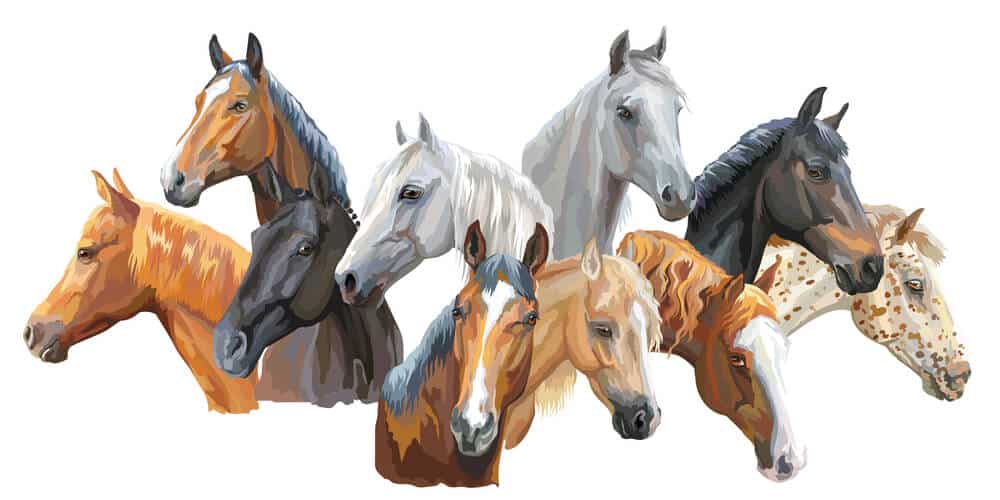
Hey horse lovers! If you’ve ever been captivated by the elegant leaps and bounds of a Hanoverian horse, you know these beauties are something special. Born and bred in the lush fields of Germany, Hanoverians are like the royalty of the horse world. Their names? Oh, they’re not just random words picked out of a hat – they’re a little piece of history, a whisper of where they’ve come from, and a proud flag they carry into the show ring!
When you’re in the loop, you’ll notice that a Hanoverian’s name is a bit like a secret handshake. It’s a mix of a fancy prefix that gives a hat tip to the breeder’s name – kind of like saying, “Hey, I come from the cool kids at this stable.” Then there’s the suffix that’s all about the details – it might tell you when they were born or if they’re a strapping stallion or a noble maiden.
Let’s say you wander into a barn and meet a mare with a name like “Hofgut Marengo 2015”. That’s not just a name; it’s a mini-biography! This way of naming isn’t just for kicks; it’s a deep bow to the Hanoverian’s impressive family tree.
Equestrian world
In the equestrian world, where tradition and function trot along together, these naming rituals are super important. They’re not just about sticking to the rules; they’re about celebrating each horse’s unique story and the incredible community that’s all about raising champions. Whether they’re prancing to victory in dressage or soaring over hurdles in show jumping, a Hanoverian’s name is more than just a label – it’s a symbol of their awe-inspiring talent and the rich heritage that’s been nurturing these majestic creatures for generations. So next time you hear a Hanoverian’s name, listen closely – it’s telling you a wonderful tale of grace, strength, and a dash of horse-world glamour!
Now let’s get into the nitty-gritty of the Hanoverian horse and choosing the best name for this breed of horse! I will touch on the history and origin before getting onto naming trends and then an epic list for you to pick your favourite name!
The Hanoverian Horse Breed
The Hanoverian Horse is a world-renowned breed from Germany, celebrated for its success in sports and distinguished by its physical and temperamental traits.
History and Origin
Originating from the region of Lower Saxony in Germany, the Hanoverian horse has been a prominent figure in equine circles since the 18th century. Initially bred for military and agricultural purposes, the breed gained prominence thanks to a dedicated breeding programme implemented by the Hanoverian Verband. This selective breeding was focused on creating a versatile, strong, and responsive horse, capable of excelling in various equestrian sports.
Physical Traits
Hanoverian horses are known for their robust and muscular build, typically standing between 15.3 and 17.2 hands high and weighing approximately 1200-1400 pounds. They possess:
- Deep chests: Enhancing lung capacity.
- Strong backs: Supporting the rider’s weight and facilitating movement.
- Well-proportioned frames: Offering a blend of power and agility.
Their coat colour ranges broadly, but they often sport a gleaming horse’s coat with the possibility of a white mane, adding to their distinct characteristics.
Temperament
Hanoverian horses display a remarkable temperament, which contributes to their performance in competitive disciplines. They are known for being:
- Intelligent: Easily trained and responsive to commands.
- Good-natured: Amiable with handlers and riders, making them well-suited to various riders.
- Athletic: Showcasing versatility in dressage, showjumping, and eventing.
These horses have adapted well to the demands of modern equestrian sports, becoming a favourite among riders seeking well-trained horses that can excel at the highest levels, including the Olympics.

Naming Traditions for Hanoverians
Hanoverian horses have unique naming traditions that reflect their heritage and lineage. These practices emphasise the importance of breeder recognition and the influence of bloodlines on the horse’s name.
Traditional Naming Practices
The Hanoverian naming system often utilises a prefix which is typically associated with the breeder or current owner. This is followed by a suffix that may indicate the horse’s year of birth and gender. The traditional approach ensures that a horse’s name can provide some insight into its background. For example:
- Prefix: Denotes the breeder’s stud farm (e.g., ‘Hofgut’)
- Horse’s Name: A unique name given by the breeder (e.g., ‘Marengo’)
- Suffix: The year of birth (e.g., ‘2015’)
Therefore, a mare born in 2015 from the Hofgut stud might be called ‘Hofgut Marengo 2015’.
In addition to the breeder’s designation, German Names are often selected to retain the connection to the breed’s origins. Names that start with the Same First Letters as the sire or dam’s name are common, strengthening the link between generations.
Influence of Bloodlines
The naming of Hanoverians also pays homage to the horse’s bloodlines, including notable attributes of the Dam’s Name and the Sire’s Name. This is key to understanding the pedigree and the qualities inherited from their ancestors.
The Hanoverian horse’s bloodlines play a crucial role in determining not just its name but also its potential for success in various equestrian sports. Breeders often include elements from the names of prominent sires and dams for this reason. For instance, horses with a lineage from influential Thoroughbreds may incorporate aspects of these names into their own to denote their superior ancestry.
When considering the Popular Names within the breed, those which include references to celebrated ancestors often rise to prominence. This serves to help breeders and enthusiasts quickly identify and associate specific Hanoverian horses with their distinguished bloodlines, celebrating both their competitive achievements and breeding pedigree.
Choosing the Perfect Name
Selecting the right name for a Hanoverian horse involves considering both the uniqueness of the name and the personality of the horse. A well-chosen name can reflect the horse’s individuality as well as adhere to any personal preferences for naming.
What To Think About When Naming Your Best Friend
When naming a Hanoverian horse, one should think about various factors that contribute to the suitability of the name. Personal Preferences play a significant role in the decision-making process. Owners might have specific sounds or themes they are drawn to. The Horse’s Personality is a critical consideration; an energetic horse might suit a lively name, while a more serene name could better represent a calm horse. Additionally, the Horse’s Colour can inspire names that complement their appearance, like ‘Chestnut’ for a red-brown horse.
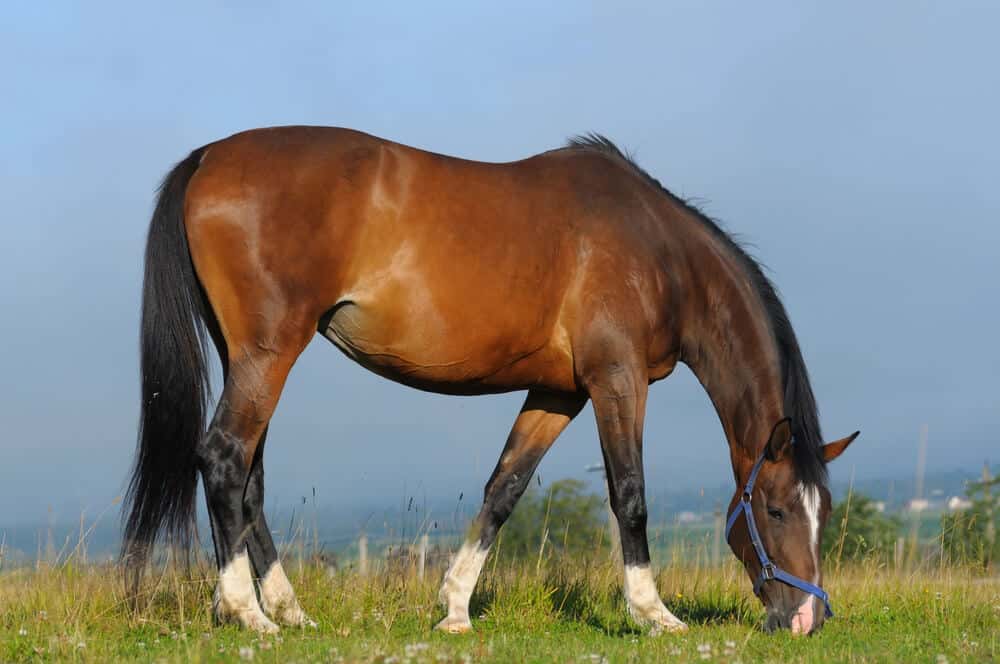
Another important aspect to think about is whether to choose a Popular Name or a Unique Name. A popular name might have a well-known significance or be easily recognisable in the equestrian community. In contrast, a unique name can make a horse stand out and might better match its unique traits.
When it comes to naming a Hanoverian horse, you may want to consider a name that reflects the horse’s elegant and strong characteristics, as Hanoverians are one of the oldest and most prominent horse breeds. A great name for a new horse should feel like a perfect fit, as if it was meant for them all along. For a black horse, you might think of a bold name that captures the horse’s color, such as “Midnight Majesty” or “Eclipse.”
Strong Hanoverian Horse Names
| Mares | Stallions | Names |
|---|---|---|
| Valkyrie | Titan | Phoenix |
| Athena | Maximus | Stormbringer |
| Elektra | Spartan | Maverick |
| Isolde | Conqueror | Blitz |
| Seraphina | Warlord | Riptide |
| Zephyra | Ironwill | Everest |
If you’re looking for an elegant name for a female horse, the German language offers a wealth of regal names that would be suitable for a breed with such noble roots. Names like “Anastasia” or “Katarina” can carry that sense of elegance and strength.
For those who own horses with aspirations of them becoming a top stallion prospect, you might consider strong names that famous names have carried in the equestrian world. Names like “Valiant,” “Sovereign,” or “Majestic” could be a wonderful name for a horse with a commanding presence.
Spanish or Belgian
If you have a passion for Spanish horse breeds, such as the Andalusian horse or the Spanish Mustang, you may lean towards names that pay homage to their heritage, like “Esperanza” or “Cortez.” These names not only reflect the breed but also carry a certain gravitas that is associated with these majestic animals.
For those with a Belgian horse, you might want to find a name that is as big and bold as they are. With enough nicknames and creative names out there, you could opt for something like “Goliath” or “Titan” to reflect their impressive stature.
In the horse show circuit last year, some of the best horse names were those that stood out on a long list, offering a creative twist or a charming nod to the horse’s characteristics. Whether you have a dark horse with mysterious allure or a gray horse with a dignified air, the name should be an honest reflection of their persona.
When it comes to Lipizzaner horses, with their regal and historic background, noble maiden names such as “Aria” or “Vienna” can be a perfect fit, highlighting both their beauty and their storied past.
Hanoverian Foal Names
For those with new foals, a short name can often be a friendly name, easy for the horse to recognize and for announcers to call during horse shows. A name like “Bella” or “Luna” can be a beautiful name that grows with them for a long time.
Cool Hanoverian Horse Names
If you’re looking for a really cool name or a charming name for your equine friend, consider the horse’s coat color and any white markings as inspiration. For example, a gray horse might suit the name “Sterling,” while a horse with distinct white markings could be named “Patches” or “Blaze.” Here are some more in the table below:
| Mares | Stallions | Unisex |
|---|---|---|
| Aurora | Titan | Phoenix |
| Celestia | Knightshade | Stormchaser |
| Luna Mystique | Valiant | Eclipse |
| Sapphire | Sovereign | Zenith |
| Velvet Rose | Ironclad | Nebula |
| Starlight Wish | Dark Sentinel | Whisperer |
For a horse with a friendly demeanor, an ideal name might be something warm and approachable like “Amber” or “Cody.” On the other hand, if you’re naming a horse that has a more stoic and reserved nature, a name like “Guardian” or “Sentinel” might be more appropriate.
When it comes to popular stallions, borrowing from the names of legendary horses can be a good way to continue the legacy. Names like “Seabiscuit” or “Man O’ War” are not just famous names but evoke a sense of history and achievement.
In considering a horse’s coat color, a dark horse might inspire names such as “Onyx” or “Shadow,” while a white horse could be named “Ghost” or “Alabaster” to reflect their pristine and striking appearance.
For female horses, female names that are both strong and beautiful are often a good choice. Names like “Selena,” “Athena,” or “Diana” can convey both power and grace.
When brainstorming for a horse name, there’s no better way than to compile a long list of potential names and then narrow it down to the one that seems like a perfect fit for your horse’s personality and physical attributes.
Popular Names Versus Unique Names
Horse Enthusiasts often favour Popular Names for their familiarity and historical significance.
- Popular Classic Names: Such as ‘King’, ‘Prince’, or ‘Lady’.
- Popular Culture-Inspired Names: Reflecting famous horses in literature or film, like ‘Shadowfax’.
On the other hand, Unique Names encourage individual expression and might include:
- Inventive Combos: Merging two words that hold special meaning to the owner.
- Thematic Names: Naming a horse after a particular theme, such as Greek mythology or celestial bodies.
Choosing between a popular choice or a unique name boils down to what the owner feels best represents their Hanoverian horse. Each has its merits and can be equally fitting when chosen thoughtfully.
Show Names Versus Barn Names
When selecting a name for a Hanoverian horse, one should distinguish between the formal show name and the more casual barn name, each serving a unique purpose in the horse’s life.

Understanding Show Names
Show names are formal monikers used in competitive events and official registries. These names possess a character limit which varies by registry, and often reflect a horse’s lineage, characteristics, or breeder’s identity. Hanoverian show names might include a prefix associated with the breeder, alongside a name reflecting the horse’s lineage or qualities. For example, a mare born in 2015 might be registered as Hofgut Marengo 2015, following Hanoverian convention. Show names are typically more elaborate and can hold significant meaning or history.
- Registered Name: A Hanoverian’s legal identification for competitions and breed registries.
- Show Name: May differ from the registered name; used in the show ring.
- Character Limit: Subject to the rules of specific registries.
The Role of Barn Names
In contrast, barn names are used for everyday interactions and are often simpler or shorter for ease of use. These names tend to be more personal and are typically chosen based on the horse’s personality or appearance. Rather than lineage. Barn names do not have the formal requirements or restrictions that show or registered names have. Providing owners with greater creative freedom.
- Barn Name: A colloquial, everyday name used around the stables.
- Everyday Use: For informal, day-to-day interactions with the horse.
International Naming Trends
Hanoverian horses, celebrated for their achievements in international competitions, often carry names that reflect their heritage and the regions they come from.
Naming in the United States
In the United States, Hanoverian horse naming draws inspiration from various sources. With a notable influence from the American Quarter Horse nomenclature that tends towards short, powerful names. Championship titles or notable traits may also shape the naming process.
- Influences:
- Championship titles.
- Notable characteristics.
- Combinations of breeder’s name with these influences.
Naming in Europe
Europe, especially the United Kingdom and Germany, tends to adhere to traditional naming customs. For instance, German horse names often include a prefix related to the breeder’s location or name. Fused with individual flair reflective of the horse’s lineage or hopes for its future success.
- Characteristic Traits:
- Breeder’s prefix.
- Lineage-based features.
- Aspirations for the horse’s sports career.
Naming in Oceania
In regions like New Zealand, names are a blend of traditional European influence with local trends. This can result in names that celebrate both the horse’s origins and distinctive local characteristics or cultural references.
- Naming Style:
- A mix of European traditions.
- Local cultural references.
- Eponymous names reflecting geographic locations or landmarks.
Registered Naming Process
The registered naming process for Hanoverian horses involves specific requirements set by the breed registry. With distinct protocols for indicating ownership and the horse’s lineage.
Breed Registry Requirements
The Hanoverian Verband, which is the organisation responsible for the breed registry, has particular rules for naming. Registered names of Hanoverian horses tend to start with the same letter as the sire’s name. For instance, if a sire’s name begins with the letter “S,” all of his offspring would have names that start with “S.” There is also a character limit for the names to ensure compliance with database systems and registration documents.
Names reflect a combination of the breeder’s identity and the horse’s lineage. This practice not only honours the breeder’s contribution but also helps in cataloguing horses within the breeding program. For stallions, the name is especially critical, as they are often central to a breeder’s program.
- Example: A stallion owned by the breeder “Hofgut” may have offspring with names like “Hofgut Stefan.”
Naming Rights and Ownership
The right to name a Hanoverian foal typically belongs to the private stallion owner or the breeder at the time of birth registration. Owners must adhere to the registry’s rules while also encapsulating their breeding program’s essence within the given name.
Show horses may earn renown for their registered names, making the choices both a branding and a legacy decision. It is an opportunity for the breeder or owner to leave a lasting imprint on the Hanoverian lineage. They must select names with care, often aiming to reflect the qualities they seek to propagate within their breeding program.
Hanoverian Horse Names For Mares and Stallions With Unisex Options
| Mares | Stallions | Unisex |
|---|---|---|
| Anneliese | Alaric | Aspen |
| Bella Donna | Balthazar | Blaze |
| Contessa | Caspian | Dakota |
| Danika | Donatello | Phoenix |
| Elara | Eldorado | River |
| Fiorella | Falken | Sage |
| Giselle | Gunther | Shadow |
| Helena | Heinrich | Sterling |
| Isadora | Ivanhoe | Storm |
| Julianna | Jupiter | Taylor |
| Katarina | Klaus | Valentine |
| Lorelei | Leopold | Windsor |
| Mirabella | Maximus | Zephyr |
| Natalia | Nikolai | Quinn |
| Octavia | Oberon | Reese |
| Priscilla | Percival | Morgan |
| Quintessa | Quirin | Skyler |
| Rosalind | Raphael | Jordan |
| Seraphina | Siegfried | Avery |
| Tatiana | Tristan | Bailey |
| Ursula | Ulysses | Cameron |
| Valentina | Valentino | Devon |
| Wilhelmina | Wolfgang | Harper |
| Xiomara | Xander | Kendall |
| Yvette | Yorick | Riley |
| Zelda | Zacharias | Taylor |
| Amara | Augustus | Casey |
| Bianca | Benedict | Jamie |
| Clarissa | Conrad | Finley |
| Delilah | Damian | Jordan |
| Esmeralda | Erasmus | Mackenzie |
| Felicity | Fabian | Parker |
| Gabriella | Gregor | Rowan |
| Henrietta | Horatio | Sky |
| Ivanna | Isidore | Spencer |
| Josephine | Julius | Tyler |
| Kristina | Kiefer | Emerson |
My Final Thoughts
And there you have it, my fellow equine enthusiasts – a little trot through the world of Hanoverian horse names. Picking out a suitable name for your four-legged friend is more than just a fun exercise; it’s a way to honor their breed, their story, and the bond you’ll share.
Whether your Hanoverian is a jet-black beauty that gallops like the wind or a dappled darling with a jump as high as the sky, their name can be a reflection of their spirit and your shared journey. So take your time, let those creative juices flow, and when you’ve found that one name that just clicks, you’ll know it’s the one – a name as special as the hoofbeats of your best friend.
So go ahead, choose a name that’s as delightful and unique as your equine companion. Whether it’s at horse shows, during those peaceful trail rides, or just hanging out at the stable, your Hanoverian’s name will resonate with the love and respect you have for these magnificent animals. Here’s to finding the perfect fit – a name that’s as grand, joyful, and full of life as the Hanoverian horses we so adore. Happy naming, and happy riding!