
As we step into June, the start of summer brings warm weather and longer days, making it the perfect time to get active in the garden. There’s always something to do, and keeping up with your June gardening jobs now will ensure a beautiful and bountiful outdoor space.
Tip: June is a great month to plant out tender vegetables and sow half-hardy annuals directly into the ground.
Watering is key during these warmer days, especially for vegetables and fruits growing in containers. Regularly checking for pests like snails during damp evenings can help keep them at bay. For those of us growing cane fruits like blackberries and raspberries, now’s the time to tie in new shoots to support growth.

Aside from planting and pest control, there are also harvesting tasks to keep up with, especially in the allotment. The long days of June mean we have plenty of daylight to enjoy our gardening. Whether we’re planting courgettes or tomatoes, there’s never a dull moment. Let’s get our hands dirty and make the most of this productive month!
General Gardening Tasks
In June, maintaining our garden requires focusing on watering, weeding, mulching, pest control, and lawn care. These tasks help our plants thrive in the hot weather and dry spells.
Watering and Conserving Moisture
Keeping our garden hydrated is vital in June. We need to water vegetables and fruit in containers regularly. During hot weather and dry spells, we should ensure that water reaches the roots and not just the surface.
Early morning or late evening is the best time for watering. This helps reduce water loss due to evaporation. Using a mulch layer around plants conserves moisture and keeps the soil cool.
Collecting rainwater from gutters and storing it in barrels can provide an extra water source during dry periods.
Weeding and Mulching
Weeding is essential to prevent unwanted plants from absorbing nutrients meant for our garden plants. Regular weeding keeps our garden looking neat and our plants healthy.

Applying a layer of mulch around plants helps suppress weeds. Mulch preserves soil moisture by reducing evaporation rates and adding organic material to the soil.
We can use straw, grass clippings, or compost as mulch. It’s important to apply mulch evenly and not too close to the plant stems to avoid rot.
Pest and Disease Control
Checking for pests and diseases is crucial to keeping our garden healthy. We should regularly inspect plants for signs of trouble, such as yellowing leaves or holes in leaves.
Snail and slug hunts are effective, especially on damp evenings. Handpicking them helps reduce their population.
Using natural predators such as ladybirds can help control aphid numbers. If necessary, we can use organic pesticides as a last resort, ensuring they’re safe for our plants and beneficial insects.
Lawn Care
June is a great time to focus on lawn care. Mowing regularly ensures our grass stays neat and healthy. We should keep blades set to a higher setting during hot weather to avoid stressing the grass.
Watering the lawn deeply but less frequently encourages deeper root growth. Aerating the lawn helps water, air, and nutrients reach the grass roots more effectively.
We can also apply a balanced fertiliser to promote healthy growth. Remember to water it in well to avoid burning the grass and ensure it’s utilised effectively. By staying on top of these tasks, we keep our lawns lush and green throughout summer.
Plant Care
Caring for plants in June is crucial for ensuring healthy growth and beautiful blooms. Here’s how we can look after our plants to keep them thriving throughout the summer.
Pruning and Deadheading
Pruning is vital for plant health. In June, we should focus on thinning out old stems on spring-flowering shrubs like weigela. This helps increase air flow and light penetration. To do this, use secateurs to cut the base of weak or damaged stems.
Deadheading, or removing spent blooms, is another important task. This encourages plants to produce more flowers and prevents them from setting seed too early. For plants in full bloom, regularly check and snip off wilted flowers to keep them looking their best.

Staking and Supporting
As plants grow taller and fuller, they may need extra support. Tender plants and tall perennials, like delphiniums and peonies, often require staking to prevent them from flopping over. We can use garden stakes, bamboo canes, or purpose-made plant supports.
Secure the stems gently with twine or plant ties. Be sure to check the supports regularly and adjust as needed, especially after heavy rain or strong winds.
Feeding and Fertilising
June is an ideal time to feed our plants. Leafy greens, fruit trees, and flowering plants all benefit from regular fertilising. We can use a balanced, slow-release fertiliser for most garden plants. For specific needs, like boosting blooms, use a high-potassium feed.
Water in fertilisers well and follow package instructions to avoid over-fertilising. Liquid feed is also great for giving a quick boost to plants in pots or hanging baskets.
Planting and Transplanting
This month is perfect for planting and transplanting. We can plant half-hardy annuals directly into the garden. If we need to move any plants, do it now before the hottest weather arrives. Ensure the new planting positions have well-prepared soil with good drainage.
For new transplants, water thoroughly and mulch around the base to keep the soil moist. Keep an eye on their progress and provide additional water during dry spells.
Garden Maintenance
June is a busy month for garden maintenance. We need to focus on composting, repairing and building structures, ensuring our tools are in good shape, and planning for future gardening tasks.
Composting
Creating and maintaining a compost heap or bin is crucial. During the warmer months, compost breaks down faster, creating rich soil for our garden. Add a mix of green and brown materials, like kitchen scraps and dried leaves.

Turn the compost regularly to aerate it and speed up decomposition. Keep the compost moist but not soggy. This helps the microorganisms do their job. Make sure to monitor the temperature, aiming for a balance that heats up enough to break down materials without becoming too hot.
Repairing and Building Structures
June is a great time for repairing fences, trellises, and other garden structures. A sturdy fence keeps out pests, while a well-maintained trellis can support grape vines or climbing roses. Look for signs of wear and tear and fix them promptly.
Building new structures could also be a good idea. Raised beds or new garden paths make planting and accessibility easier. Consider using weather-resistant materials to extend the lifespan of these structures. Safe, reliable structures help our gardens flourish.
Tool Maintenance
Garden tools need regular care to work effectively. In the warmer months, we’re using tools more often, so they get dirty and can rust easily. Cleaning them after each use with water and a brush is essential. Dry them thoroughly to prevent rust.
Sharpening blades on tools like pruners and shears ensures clean cuts, reducing damage to plants. Oiling metal parts and handles will prolong the life of our tools. Proper tool maintenance makes gardening more efficient and enjoyable.
Garden Planning
Planning is key to a successful garden. Take time this month to map out what we want to grow the rest of the year. Rotate crops to prevent soil depletion and reduce pests. This year’s beans can give way to next year’s tomatoes in the same spot.
Consider seasonal flowers and vegetables that thrive in our specific climate. We can draw up plans for new planting beds or rearrange existing ones for better sunlight exposure. Thoughtful planning now makes our garden more productive throughout the year.
Vegetable and Fruit Garden
In June, our vegetable and fruit gardens come to life. This month, we focus on harvesting early crops, planting new ones, thinning out overgrown plants, and giving our fruit trees the care they need. Let’s dive into the specifics to ensure a bountiful harvest.
Harvesting Early Crops
Now is the perfect time to harvest early potatoes and broad beans. Early potatoes are usually ready when the plants flower, and we can dig them out gently to avoid bruising. Broad beans should be picked when the pods are full but still tender.

Salad crops like lettuce, radishes, and spring onions are also ready to be picked. Regular harvesting encourages more growth, ensuring a steady supply of fresh vegetables. It’s a satisfying time of year as we get to enjoy the fruits (and vegetables) of our labour.
Sowing and Planting
June is ideal for sowing and planting a variety of crops directly into the soil. We should plant tomato plants and sweet peas now for a productive summer garden. Tomato plants thrive in warm weather and will benefit from being staked and supported as they grow.
We can also sow summer salad crops, such as lettuce and cucumbers. These crops grow quickly and provide a continuous supply of fresh produce for our salads. Don’t forget to water them regularly, especially during dry spells.
Thinning Out and Pinching Back
Thinning out is crucial to prevent overcrowding and to promote healthy growth. In the vegetable garden, we should thin out seedlings of carrots and beetroot to ensure each plant has enough space to develop. This process may seem tedious, but it leads to healthier, larger harvests.
Pinching back involves removing the growing tips of certain plants to encourage bushier growth. For instance, tomato plants benefit from having their side shoots pinched out, which helps direct energy to the main stem and fruit production.
Fruit Tree Care
Our fruit trees also need attention this month. It’s important to thin out excess fruit to prevent branches from breaking under the weight. Thinning allows the remaining fruit to grow larger and ripen better, and it also helps in preventing diseases.
For trees like apple and pear, we should remove any fruit that is damaged or misshapen. This helps the tree focus its energy on producing high-quality harvest. Regularly checking for pests and diseases is also essential to maintain healthy fruit trees throughout the growing season.
By following these tips, we can ensure that our vegetable and fruit gardens thrive in June. From harvesting early crops to caring for fruit trees, these tasks are key to a successful and abundant garden.
Flower Beds and Borders
June is the perfect time to focus on your flower beds and borders. This month, we can encourage new growth, manage existing plants, and prepare for colourful displays later in the year.

Deadheading and Cutting Back
Deadheading is essential to keep our gardens looking fresh and tidy. Removing spent blooms from annual flowers and perennials helps direct the plant’s energy into producing more flowers and healthier foliage. Use sharp secateurs or garden scissors for this task.
Cutting back plants that have finished their first flowering will often result in a second flush of flowers. This is particularly true for herbaceous perennials like geraniums and hardy salvias. Trim back by half and water well.
Watch for any diseases or pests while you’re deadheading. It’s a good chance to keep an eye on the overall health of the plants. Removing any damaged or diseased parts early can prevent bigger problems later.
Dividing and Spreading
Dividing clumping perennials every few years keeps them healthy and prevents overcrowding. Plants like hostas and daylilies benefit from being split up. Dig up the clump and gently tease apart the roots. Replant the divisions with space to grow in fresh soil.
We often end up with more plants than we need. This is a great opportunity to expand our garden or share with friends. When planting the new divisions, ensure they’re well-watered and mulched to help them establish quickly.
Spreading ground covers can also help fill out our beds and borders. Plants such as creeping thyme and ajuga spread naturally and can cover bare patches. This not only looks great but also helps reduce weeds.
Sow Biennials and Perennials
June is a good time to sow biennials and perennials directly into the garden. Biennials like foxgloves and wallflowers will grow leaves this year and flower next year. Sow them in a seedbed and then transplant them into their final positions later.
When sowing, it’s important to keep the soil moist but not waterlogged. Thin out seedlings as they grow to avoid overcrowding. Using a light mulch can help retain moisture and reduce weed competition.
For perennial seeds, we can plant them according to the instructions on the seed packets. Some may need a cold period to germinate, while others will sprout quickly. Prepare beds with well-drained soil and make sure the young plants are protected from pests.
Propagation
In June, we can focus on techniques like taking cuttings, collecting seeds, and layering and division to help our garden thrive. These methods are essential for creating new plants and maintaining garden health.
Taking Cuttings
Taking cuttings is a popular way to propagate new plants. We often use softwood cuttings during this time of year.
First, select a healthy plant and choose a non-flowering, softwood stem. Cut a section about 10 cm long just below a leaf node. Remove the lower leaves, leaving a few at the top. Dip the cut end in rooting hormone, which helps promote root growth.
Place the cutting in a small pot filled with moist compost. Cover it with a clear plastic bag to keep humidity high. After a few weeks, the cutting should develop roots, ready to be transplanted.
Collecting Seeds
Collecting seeds in June is great for ensuring we have plenty of seedlings for the next growing season. Look for plants with mature seeds. These are often found in dried seed pods or berries.
Carefully extract the seeds and let them dry for a few days. Once they are dry, store them in labelled envelopes in a cool, dry place. Remember to include the date and plant name to avoid confusion later.
When we sow seeds, it’s crucial to use a seed tray filled with fine compost. Lightly press the seeds into the soil and cover them with a thin layer of compost. Water gently and place the tray in a warm, bright spot.
Layering and Division
Layering and division are effective for certain shrubs and perennials. For layering, we bend a long stem down to the ground and cover a section with soil while leaving the tip exposed. Securing the stem with a U-shaped pin can help keep it in place.
We typically see roots developing after a few months. When the stem has rooted, we can cut it from the main plant and transplant it to another spot in the garden.
For division, we dig up the plant and carefully separate the root ball into smaller sections. Each section should have a healthy portion of the main stem and roots. Replant these sections in prepared soil beds, water them well, and they’ll establish themselves quickly, ensuring healthy new growth.
Wildlife and Biodiversity
June is a busy month for our gardens as birds, insects, and other wildlife thrive. There are some key tasks to focus on that will help support and attract a variety of beneficial wildlife to your garden.
Attracting Beneficial Insects
Beneficial insects like bees, butterflies, and ladybirds are crucial for pollination and pest control. To attract these helpful creatures, we should plant native flowers such as foxgloves and borage. These flowers provide nectar and pollen.
Another great tip is to create a good drench by mixing compost with water and pouring it around the base of plants. This not only nourishes the soil but also attracts earthworms, which improve soil health.
Positioning wildflower meadows or sections of your garden left a bit wild can also draw beneficial insects.
Bird and Bee Garden Care
Birds and bees are busy in June, and ensuring they have a thriving environment is essential. Birds are often seen foraging for caterpillars to feed their chicks. We should keep bird baths topped up with fresh water, especially during warmer days.
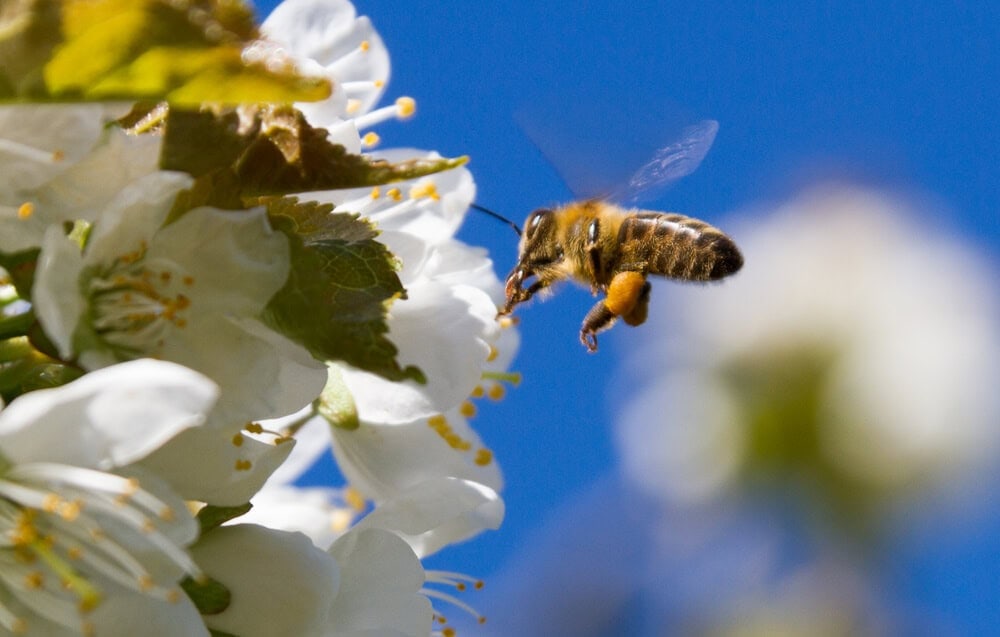
For bees, planting bee-friendly plants like lavender and sunflowers will provide plenty of nectar. Also, consider adding some bush varieties that flower in June to offer bees a diverse range of food.
We can even set up bee houses in sunny spots of the garden to offer them a safe place to nest.
Pond Maintenance
If we have a pond, it’s important to maintain it well. Regularly removing blanket weed and other debris can prevent the water from becoming stagnant. Adding native aquatic plants can help oxygenate the water and create a balanced ecosystem.
Checking water levels often is crucial, especially in dry spells, to ensure wildlife like frogs and newts can thrive.
Creating shaded areas around the pond with plants can also keep the water cooler, making it more hospitable for aquatic life.
By focusing on these tasks, we can create a vibrant, wildlife-friendly garden that flourishes throughout June.
Gardening by Region
June brings different gardening tasks depending on where we live. Let’s explore what to focus on in Mediterranean, temperate, and cool climates.
Mediterranean Climates
In places like Southern California, we enjoy warm, dry summers. It’s crucial to keep our gardens hydrated without wasting water. Early mornings are the best for watering.
We can plant drought-tolerant plants like lavender and succulents. Prune spring-flowering shrubs to encourage new growth. Keeping an eye out for pests, especially in the warmth, is also important.
Common tasks:
- Mulching to conserve moisture.
- Harvesting early summer vegetables like tomatoes and peppers.
- Maintaining robust irrigation systems.
Temperate Climates
For those of us in temperate regions like the Pacific Northwest, June provides longer, sunnier days and moderate temperatures. Rainy days are common, so it’s a good month for planting.
We should thin out crops like carrots and beetroot to help them grow better. It’s also a great time to prune fruit trees and plant summer flowers like marigolds and zinnias.
Common tasks:
- Weeding and mulching beds.
- Tying in climbing plants as they grow.
- Checking for signs of pests and diseases.
Cool Climates
In cooler climates, daytime temperatures are mild, and nights can still be chilly. June is perfect for transplanting tender plants such as tomatoes and peppers.
We should start mulching to retain soil moisture and warmth. Harvesting early crops like lettuce and spinach keeps our gardens productive. Keeping an eye on nighttime temperatures helps to protect our plants from unexpected frost.
Common tasks:
- Sowing seeds for autumn harvests.
- Watering regularly but not excessively.
- Providing floating row covers for extra warmth on cold nights.
Quick List Of Gardening Jobs For June
June is a busy month for gardeners. Let’s keep our gardens looking great with these simple tasks.
Pruning
- Prune spring-flowering shrubs. Focus on removing old, damaged, and weak stems.
- Deadhead roses and other flowers to encourage new blooms.
Planting and Sowing
- Plant summer vegetables like tomatoes, sprouts, cauliflower, and leeks.
- Sow seeds for later harvests. This includes beans, carrots, and beetroots.
Harvesting
- Harvest early crops like asparagus and early potatoes.
- Thin out crowded seedlings to give them room to grow.
General Maintenance
- Watering: Ensure our plants stay hydrated, especially during dry spells.
- Feeding: Fertilise lawns, flowers, and vegetable plants regularly.
- Weeding: Keep weeds at bay with regular weeding.
Special Tasks
- Lawn care: Mow the lawn regularly and trim the edges.
- Support: Stake tall plants and climbing flowers to prevent them from falling over.
- Mulching: Add mulch around plants to retain moisture and suppress weeds.
As we approach the longest day of the year, June is a glorious month for gardeners, marked by warmer temperatures and sunny days that bring our gardens into full swing. Early June is the perfect time to assess your flower beds and ensure your flowering positions are optimized for maximum bloom. Don’t forget to check your compost bin and water butt to make sure you have ample organic matter and water sources for the drier weather ahead.
During these summer months, it’s essential to water your garden thoroughly, providing at least an inch of water per week to keep your plants healthy. Pay special attention to vulnerable plants and long stems that may need additional support. Feeding your roses and other flowering plants with peat-free compost will help them produce a greater number of flowers.
As you tend to your garden, keep an eye out for signs of powdery mildew and other pests like vine weevils, especially on small trees and house plants. Thin fruits on your kitchen garden trees to prevent overcrowding and encourage better growth, a process known as the natural June drop. Deadhead spent flowers and remove dead foliage to promote new growth and prepare for autumn planting.
Late June is an excellent time to plant summer bedding and patio pots, ensuring they have enough time to establish before the peak of summer. Additionally, consider planting spring-flowering bulbs and tulip bulbs now for a vibrant display the following year. Beech hedges and other native plants will also benefit from a little extra care during this period.
In conclusion, June is a month of hard work but also one of great rewards in the garden. By staying on top of your flower care, ensuring adequate water and nutrients, and preparing for the next season, you’ll enjoy a beautiful and bountiful garden all summer long. Happy gardening!