
Keeping a yard in good shape requires a lot of work. This is particularly true for properties with large yards and numerous landscape features. Clearing debris (including pine needles, leaves, twigs, and trash) is one of the most essential year-round maintenance tasks. It also keeps grass healthier by giving it more oxygen and sunlight.
However, even with regular debris removal, maintaining optimal yard health often requires more specialized attention, especially when dealing with excess water. For properties prone to water accumulation, hiring property drainage contractors can be a crucial step. These professionals can design and implement drainage solutions that prevent water from pooling, thereby protecting your landscape from erosion and other water-related damage.

Weeding
Weeds are plants that grow in places they aren’t wanted, such as between garden beds or on lawns. They compete with desired plants for water and nutrients which can cause them to slow down or die. In addition, they can spread diseases and harbor pests that can attack the desired plants in the garden or lawn. A healthy, low-maintenance garden and lawn requires thoughtful design and preparation, excellent planting and seeding, and diligent weeding. Even with these best practices, weeds will sprout in unexpected locations. Whether you are a homeowner, a landscape company, or a professional Bay Area landscape maintenance crew, getting out there and tackling those pesky weeds is essential. Pulling weeds is more accessible when the soil is wet, so it is a good idea to do your weeding right after rain or watering. Be sure to get the entire weed and the root so it can’t come back. It is also helpful to have some mulch on hand to prevent weeds from growing. Mulch is also good for the soil and helps retain moisture.
Mowing
A healthy, well-manicured lawn is beautiful and has excellent curb appeal for your home. It’s also a great space to entertain friends and family, and if you ever plan on selling your property, it will help it to stand out against the competition. Mowing is the most obvious way to keep your lawn looking its best. Maintaining a consistent cutting schedule for both health and appearance is essential. Slicing grass growth to a uniform level allows the yard to absorb resources evenly.
Over time, this helps the grass grow healthy and strong. Additionally, mowing the grass regularly removes the clippings, which reduces the amount of thatch in your yard and keeps it healthier. The grass clippings are also a great source of organic matter, an excellent addition to the soil. Over time, compacted soil makes it difficult for water and air to seep in, which makes the grass weak and stunted. Regular mowing and blowing off the grass clippings, whether performed manually with a petrol or battery lawn mower or automatically by a robotic lawn mower, will loosen the soil, allowing for better drainage and helping the roots to gasp for air. This combination of practices helps to loosen the soil, improve water infiltration, and enhance air circulation around the roots, all of which contribute to a stronger, more resilient lawn.
Pruning
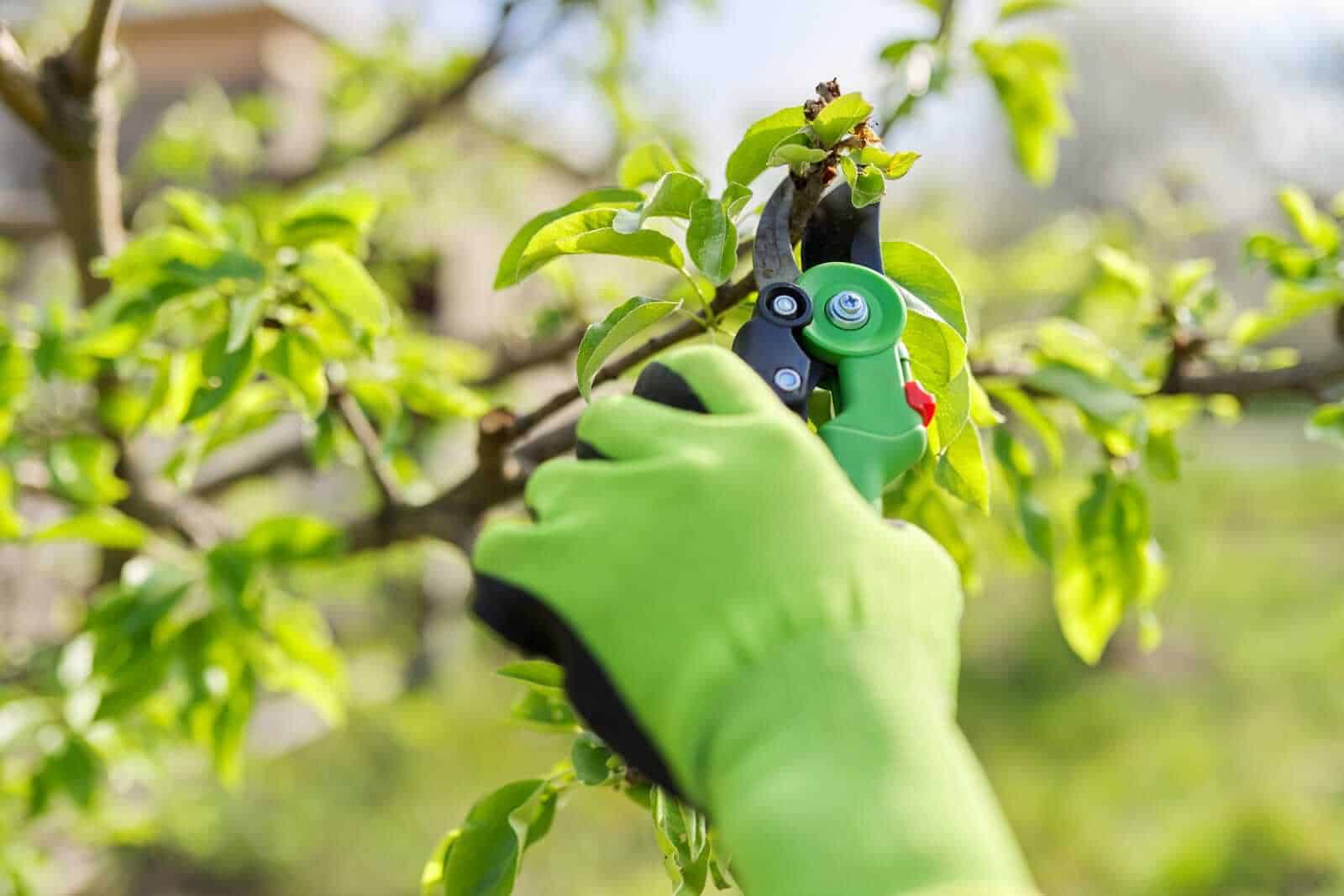
Pruning removes plant parts, such as branches and stems, to manipulate a plant’s shape, health, landscape effect, and value. Responsible pruning removes only the desired portions of a tree or shrub and never more than necessary. When performed correctly, pruning is a very effective and relatively simple maintenance practice for most trees, shrubs, and ornamental grasses. In addition to aesthetic concerns, pruning is essential for the health of your trees and their ability to produce flowers, fruit, and foliage. Pruning eliminates dead limbs and improves air circulation throughout the canopy.
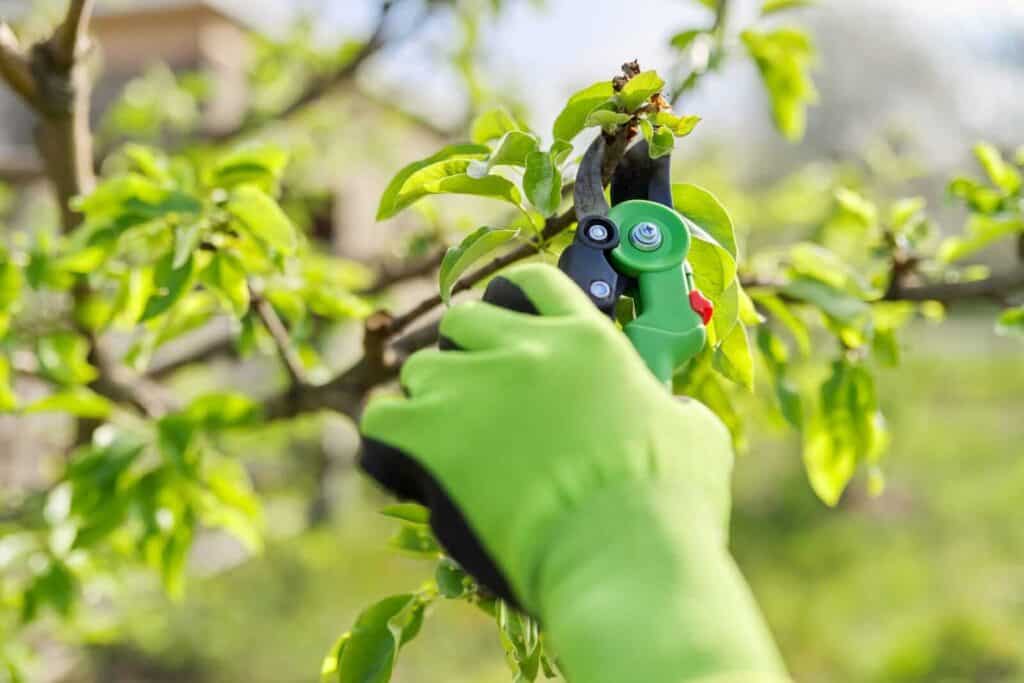
It also reduces disease risk by removing infected or insect-infested limbs and branch stubs. It helps to establish a strong central leader and eliminates suckers, water sprouts, and other undesirable side shoots. Pruning can seem daunting, and it must be left to professionals with the proper equipment and training to perform this essential landscape maintenance. A well-planned pruning program can significantly enhance the landscape beauty of your property and help prevent various costly and hazardous problems.
Fertilization
Lawns, trees, and shrubs require certain nutrients for good health. Fertilizing helps the soil retain those nutrients and prevents them from being washed away by rain or lost to weeds and pests. Grass, flowers, and trees benefit from balanced fertilization to provide nitrogen, phosphorous, and potassium (NPK). Nitrogen promotes leaf growth, keeps the grass a vibrant green color, and stimulates root development. Phosphorous helps the plant absorb and use energy, while potassium enhances overall plant health, disease resistance, and drought tolerance. Many fertilizers are available in organic and inorganic forms. Organic means the product is plant or animal-based, while inorganic refers to chemically derived nutrients from mineral sources. A balanced fertilizer with a ratio of 4-1-2 or 3-1-2 is preferred for lawns because it supplies nutrients closest to the plant’s needs. For best results, apply the first fertilization in spring once the grass grows green. Then apply fertilizer every six to eight weeks throughout the summer and into fall. Use granular fertilizers that can be applied with a spreader.
Thatch Removal
A thick layer of thatch, composed of dead grass stems, roots, and lateral weed growth, inhibits air, water, and fertilizer from reaching the soil. Thatch may also harbor insects and diseases, weakening the turf and making it more vulnerable to stress and extreme temperatures. Thatch occurs naturally in warm season lawns because of their way of growing by runners (technically stolons or rhizomes). A thin layer of thatch, less than one-half inch, is standard and does not cause any problems. However, dethatching is required when thatch grows faster than it can be broken down. A regular program of dethatching and core aeration can prevent thatch buildup to the point where it needs to be removed mechanically. Aeration opens small holes in the thatch layer, allowing water, compost, and oxygen to penetrate. The microorganisms inherent in our Soil3 compost then break down the thatch, allowing nutrients to be absorbed by the turf root zone. This will reduce thatch and promote a healthier, greener lawn. Thatch is exacerbated by compact soil, so an annual aeration plan should also be part of your maintenance program.