
Hey there, fellow green thumbs! As we wave goodbye to the chilly snaps and welcome the gentle, sunny embrace of May here in the UK, it’s like our gardens are throwing open their arms, ready for a bit of TLC. So I’ve come up with a detailed list of May gardening jobs to get stuck into!
May is when our gardens really start to come alive – from the fresh, vibrant greens to the first dazzling splashes of colour from early bloomers. It’s a crucial time for us gardeners, mixing up a bit of planting, sowing, and good old garden upkeep to keep our little patches of paradise looking fabulous.
With the days stretching out before us and the evenings just a touch warmer, it’s the perfect moment to get cracking on planting a whole variety of veggies and flowers.
Now’s the time to get those outdoor tomatoes in the ground, post-frost, to give them a fighting chance to bask and grow in the summer sun. And let’s not forget about our friends the cucumbers and courgettes, along with those tomatoes we’ve got started in the greenhouse – they’ll need a steady supply of water and a bit of support as they reach for the sky.
Speaking of greenhouses, they need a bit of love too. It’s not just about the plants; we’ve got to keep an eye out for any cheeky pests that might want to set up shop. A regular patrol for aphids and other little critters will go a long way to keeping your plants in tip-top condition.
And while we’re on the subject of critters, remember that our gardens are more than just a pretty space – they’re a haven for wildlife. By inviting in the good bugs and creating cosy spots for them to hang out, we help keep everything in natural harmony. Here’s to a buzzing, blooming May in our gardens! Now that’s enough waffling from me, let’s dive in, there is lots of work to be done!
Understanding the Season
As May ushers in the heart of spring, you must be mindful of the potential for late frosts while also taking advantage of the tempering climate.
Longer days and typically warmer weather certainly influence the gardening tasks at hand.
Assessing The Risk of Frost
The risk of frost during this time of the year can vary depending on the region.
It’s prudent for a gardener to know the average last frost date in their area to safeguard tender plants.
May is a tricky month where frost still lurks, especially during early mornings. To prevent damage:
- Monitor weather forecasts regularly.
- Employ frost protection methods like cloches or fleece if temperatures plummet.
Appreciating the Warmer Weather
The warmer weather characteristic of May encourages robust plant growth.
Delight in the longer days that stimulate photosynthesis and plant development. With this seasonal shift, you should:
- Increase watering schedules for thirsty crops such as tomatoes and cucumbers.
- Transition plants outdoors if they were started inside, making sure to harden them off properly.
Planting and Sowing
May is an ideal time to get vibrant summer bedding plants started and to sow a variety of kitchen garden staples.

Take advantage of the warmer temperatures to establish young plants and sow garden seeds for a bountiful season.
Starting Summer Bedding Plants
May provides the perfect conditions to plant summer bedding plants. These include tender annuals like petunias and marigolds, which are ready to turn gardens into a riot of colour.
Before transferring new plants outdoors:
- Harden off young plants: Gradually acclimatise them to outdoor conditions over 7-10 days.
- Prepare the soil: Ensure beds are weed-free, aerated, and rich with compost.
- Spacing: Plant with adequate room for growth; usually 10-15 cm apart for small varieties, and up to 30 cm for larger types.
Hearty annuals like sunflowers can now be sown directly into beds. Consult seed packets for exact spacing instructions, as these can vary widely between species.
Sowing Kitchen Garden Favorites
The kitchen garden comes to life in May, with a focus on sowing:
- French beans: These can be sown directly into the ground. Space them around 15 cm apart in rows 45 cm apart. They enjoy a sunny spot and well-drained soil.
- Runner beans: Now’s the time to erect runner bean poles. Sow runner beans at the base of each pole, planting two to three seeds per pole.

Herbaceous perennials can also be sown now, either in pots or directly where they are to flower.
For climbers like sweet peas, now is a great time to sow directly at the base of their support structures.
Don’t forget to consider sowing hardy annuals directly into the soil this month. For success with garden seeds:
- Sow thinly: This prevents overcrowding and reduces thinning out later on.
- Follow seed depth guidance: Typically, seed packets will recommend specific sowing depths.
Fruits and vegetables to plant outside in May for the UK and the USA
| UK Planting | USA Northern States Planting | USA Southern States Planting |
|---|---|---|
| Beetroot | Carrots | Okra |
| Carrots | Peas | Southern peas |
| Courgettes (Zucchini) | Lettuce | Sweet potatoes |
| French and runner beans | Spinach | Peppers |
| Lettuce | Swiss chard | Eggplant (Aubergine) |
| Peas | Beets | Cucumbers |
| Potatoes | Radishes | Lima beans |
| Rocket (Arugula) | Broccoli | Watermelon |
| Spring onions (Scallions) | Kale | Cantaloupe (Muskmelon) |
| Turnips | Potatoes | Pumpkins |
| Sprouting broccoli | Tomatoes | Squash |
| Tomatoes | Cucumbers | Sweetcorn |
| Squash | Tomatoes | |
| Melons | ||
| Pumpkins |
*US gardeners: For the Northern States, the focus is on crops that can withstand the cooler spring temperatures, while the Southern States can plant heat-loving crops that thrive in warmer temperatures. It’s important to consider local frost dates and climate conditions when planting. Gardeners in the Northern States should wait until the threat of frost has passed before planting frost-sensitive plants, while those in the Southern States can often plant these earlier in the spring.
Garden Maintenance
As May arrives, focus on nurturing your plants through appropriate feeding, vigilant weeding, and regular pruning.
Feeding and Watering
A garden in May benefits greatly from the application of slow-release fertiliser, which ensures a steady supply of nutrients for plant growth.
You should apply a small amount around the base of plants, following package directions to avoid over-fertilisation.
Watering plants is also crucial during this time, particularly for those in well-drained soil that may dry out faster.
In the mornings or evenings of a dry day, water at the base of plants to keep the soil moist but not waterlogged.
For pots and hanging baskets, considering using water-retaining granules to help maintain moisture levels.
Weeding and Mulching

Regular weeding keeps gardens looking their best and reduces competition for resources.
It’s important to remove the top of weeds before they have a chance to flower and set seed.
Applying a good amount of compost as mulch not only suppresses weed growth but also adds nutrients and helps maintain moist soil.
Mulch should be spread around plants, leaving some space around the stems to prevent rot.
Pruning and Trimming
After spring-flowering shrubs finish blooming, gardeners should prune them to maintain shape and encourage new growth.
Cut back spent flowers and any dead or diseased wood.
Trimming topiary and other formal shapes in the garden should be done on a dry day to prevent the spread of plant diseases. For the best results, use sharp tools and make clean cuts to protect plant health.
Specific Gardening Jobs
As May unfolds, gardeners find themselves at a crucial time for wrapping up early spring tasks and preparing for the summer ahead and those beautiful warm days.
Last Chance Tasks
May is often seen as the ideal time to complete any outstanding gardening jobs that herald the end of spring and the onset of summer. Gardeners should consider this period as a perfect time for:
- Pruning early-flowering shrubs to encourage new growth and prepare them for next year’s blooms. This helps prevent overcrowding and promotes a vibrant display of flowers for late summer.
- Planting summer-flowering bulbs if one hasn’t done so already. It’s a good time to get bulbs like gladioli and dahlias into the ground for colour in the later months.
Preparing for the Coming Months
As you approach late May, focus should shift towards tasks that will set the foundation for a thriving garden in early June and beyond. This involves:
- Enriching soil with organic matter, such as well-rotted compost or manure, which is crucial for healthy plant growth during the summer months.
- Providing plant supports for climbers and tall plants, such as sweet peas and tomatoes. Setting up these supports now is a great time to manage new shoots and prevent damage from wind or heavy rain.
- Sowing seeds of fast-growing plants directly into the soil includes beans, squashes, and sweet pea plants. Doing so can ensure a lush garden as the season progresses.
Lawn and Ground Care
April showers have set the stage for May, presenting the perfect opportunity to enhance your lawns. Whether you are repairing or creating new spaces, now is the time to focus on lawn care and the establishment of wildflower areas to boost biodiversity.
Repairing and Sowing Lawns
Seize May’s mild weather to mend any bare patches or lay new lawns.

If you notice bare spots on your lawn, it’s imperative to reseed promptly. The process is straightforward:
- Preparation: Gently rake the area to loosen the soil.
- Sowing: Sprinkle grass seed evenly across the patch, following the recommended rate on the seed package.
- Care: Ensure the newly sown areas are kept moist, but take care not to over-water which can wash away the seeds.
For creating new lawns from scratch, you should:
- Clear the area of any weeds and debris.
- Cultivate the soil to a fine tilth.
- Level the ground carefully and firm it down.
- Sow the grass seed following the seed supplier’s guidelines.
Creating Wildflower Spaces
Wildflower meadows and patches not only provide an aesthetic appeal but also serve as vital habitats for beneficial insects.
Incorporating wildflower areas into the garden could start with choosing a sunny, less-trafficked spot. Here’s how you can forge a wildflower haven:
- Site Selection: Pick an area that receives ample sunlight. Wildflowers thrive in open, sunny areas.
- Soil Preparation: Wildflowers prefer nutrient-poor soil, so avoid adding fertilisers or rich compost.
- Seeding: Sow a wildflower seed mix specifically designed for UK climates to ensure a diverse array of species.
- Maintenance: These areas require minimal maintenance. However, one should cut the meadow once a year in late summer or early autumn to prevent grasses from dominating.
In turning part of their lawn into a wildflower patch, you will give nature a helping hand, encouraging local wildlife to visit and flourish.
Tending to Containers and Beds
In May, you can begin populating the flower beds and containers with tender bedding plants.

Container Plants:
For those working with container plants, including hanging baskets and window boxes, it’s crucial to select quality compost that will retain moisture and provide ample nutrients.
Regular watering and feeding with a balanced liquid fertiliser encourage healthy growth. You should also make a habit of deadheading to promote further blooming.
- Planting Tips:
-
- Use peat-free compost to fill containers.
- Arrange plants for visual appeal and growth space.
- Water evenly, avoiding waterlogged soil.
Window Boxes:
Window boxes add charm and colour to any façade. They should be lined with moisture-retentive liner and filled with compost before planting.
Use trailing plants at the edges and taller varieties in the centre for a tiered effect.
- Maintenance:
-
- Keep the soil moist.
- Remove faded flowers to stimulate new ones.
Bedding Plants:
Tender bedding plants can be planted out once the risk of frost has passed. They should be acclimatised, or “hardened off”, to outdoor conditions over 7-10 days to prevent shock.
Afterwards, plant them out in well-prepared beds with plenty of organic matter to aid water retention and drainage.
- Care for Young Plants:
-
- Support with stakes if necessary.
- Protect from slugs and pests with natural deterrents.
Harvesting Early Crops
May is a delightful time, as you begin to reap the rewards of your early plantings. Among the first to be ready for harvest are spring onions, adding a crisp, fresh flavour to salads and stir-fries. Gently pull these from the soil, taking care not to damage the tender bulbs and roots.
Radishes also make an appearance and are usually ready for picking when they’re about the size of a marble.
Check the firmness and colour of radishes; bright, solid roots are a signal that it’s time to harvest.

Here’s a short list of some other crops that might be ready for harvest in early May:
- Lettuce:
-
- Look for full, leafy heads. It’s best picked in the cool of the morning.
- Peas:
-
- Pods should be plump but not bulging. Harvesting regularly encourages more pods to form.
- Spinach:
-
- Should be harvested when leaves are tender and bright green.
When harvesting, you should use sharp scissors or secateurs to cut the produce cleanly, which helps prevent damage to the plant and promotes further growth.
It’s essential to wash all produce thoroughly before consumption to remove any soil or garden residue.
Remember to harvest only what they need to prevent waste, as many of these early crops are best when fresh. Any excess can be shared with friends, family, or neighbours, making the joys of early harvest a communal pleasure.
Planning and Preparing for Features
When May arrives with spring in full swing, gardeners often look to enhance their outdoor spaces with new features that can provide both aesthetic appeal and functional use.
Key to the success of these additions is careful planning and preparation, ensuring that any installed structures or water features blend harmoniously with the existing garden design.
Installing Garden Structures
Garden structures, such as arbours, pergolas, and gazebos, may be on one’s list to install during this season.
- Selecting the right location:
-
- Choose a spot that complements the garden’s layout and offers the desired amount of sunlight or shade.
- Preparing the site:
-
- Clear the area of debris and ensure the ground is level. It may be necessary to lay a foundation or paving stones to provide stability.
Setting Up Water Features
Water features can transform a garden into a tranquil retreat, but require thoughtful positioning and installation.
Garden furniture should be arranged to take advantage of the soothing sounds and views.
- Picking the perfect feature:
-
- From simple birdbaths to intricate fountains, options abound at garden centres. Consider the size and maintenance needs of the water feature before purchasing.
- Installation essentials:
-
- Ensure there is a nearby water source and electrical supply if required. The water feature needs to be on level ground and may need additional plumbing or electrical setup.
Looking After Young Plants
In May, gardeners need to pay close attention to young plants, especially those for the upcoming summer.
Summer plants such as courgettes and runner beans, commonly sown earlier, require steady attention as they begin to establish themselves.
For plants in the greenhouse, consistent watering is vital.
Ensure that tomatoes, cucumbers, and courgettes receive ample moisture as temperatures start rising.
It’s beneficial to tie the stems of these plants to canes, supporting their growth and preventing any wind damage.

Here is a simple checklist for looking after young plants:
- Watering:
-
- Keep the soil evenly moist, water young plants in the early morning or late evening.
- Support:
-
- Use stakes or trellises for climbing or vining plants.
- Temperature:
-
- Monitor the greenhouse temperature to prevent overheating.
- Pests:
-
- Inspect both indoor and outdoor plants frequently for signs of pests on the shoot tips and undersides of leaves.
Young plants may also need a careful application of fertiliser to encourage healthy growth. However, one must be cautious not to overfertilise, which can cause damage.
As young plants are vulnerable to drastic weather changes, gardeners should consider providing a shade cloth during extremely sunny days to prevent scorching and place a fleece blanket over sensitive plants if a late frost is forecasted.
Gardening Wisdom
As the month of May unfolds, embrace specific techniques to ensure plants receive the best care. One such method is the Chelsea Chop, a timely and strategic cutting that stimulates growth and extends flowering.
Chelsea Chop and Plant Care
The Chelsea Chop, named after the famous RHS Chelsea Flower Show, is a pruning technique used to tailor the flowering period of herbaceous perennials.
Implemented towards the end of May, this method involves cutting back one-third to one-half of a plant’s stems.
Gardeners often execute the Chelsea Chop on sedums, phlox, and heleniums to encourage a more bushy growth, prevent legginess, and delay flowering—resulting in a more vibrant display later in the season.

- Use clean, sharp secateurs to make clean cuts
- Prune selectively, focusing on plants that benefit from later flowering
- Manage expectations, as not all species respond similarly
- Monitor and provide additional care, such as watering and staking, as necessary
Plant care during May also includes regularly monitoring pests and supporting taller plants. You should consider:
- Installing supports for plants like peonies and delphiniums to prevent damage from wind or heavy rain
- Consistent watering during dry spells to ensure deep root development
- Applying mulch to retain soil moisture and suppress weed growth
Garden Enjoyment
The month of May brings a wealth of growth in the garden, providing ample opportunity for you to enjoy the fruits of your labour and the serene beauty of blooming flowers.
Enjoying the Bounty
In May, gardeners can begin to enjoy the fresh, crisp taste of home-grown salad leaves. You should consider sowing batches every few weeks to ensure a continuous supply.
Create a dedicated ‘salad garden’ area, where a variety of leaves like rocket, lettuce, and baby spinach can flourish.
It’s both practical and aesthetically pleasing to see a lush patch of mixed greens ready for the picking.
- Salad Leaves to Sow in May:
- Rocket
- Lettuce
- Baby spinach
- Watercress
Relaxing Among Favourite Flowers
This time of the year is ideal for immersing amongst favourite flowers as they come into bloom.
May is the perfect moment to introduce a sensory experience with a selection of fragrant blooms that provide both visual and olfactory pleasure.
Plant a mixture of perennials and annuals to ensure a variety of scents and sights throughout the season.
- Fragrant Flowers for May:
-
- Roses
- Lavender
- Peonies
- Sweet peas
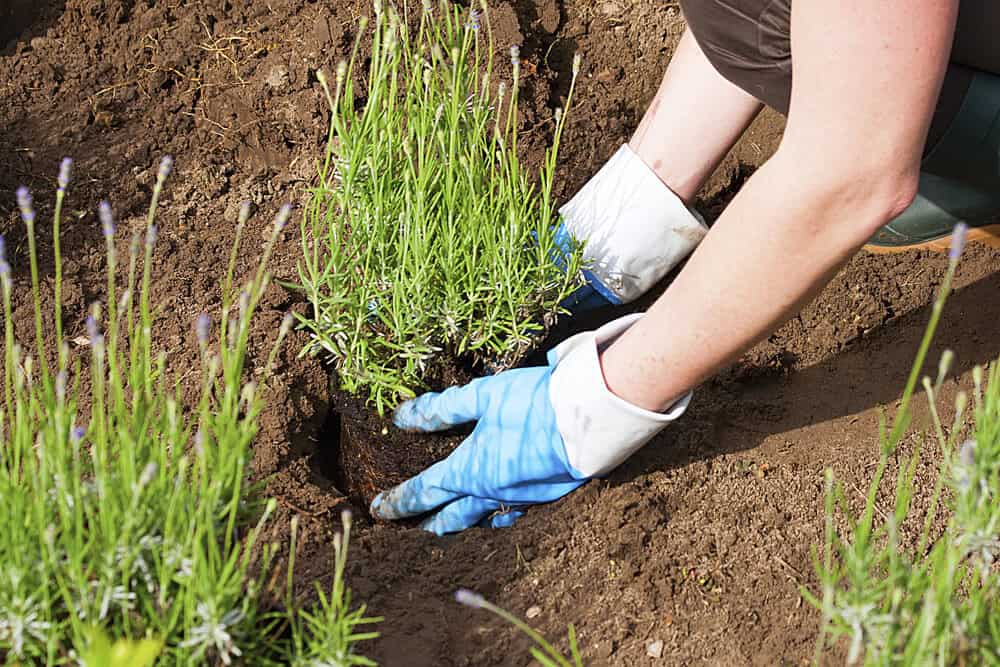
Invite a palette of colours and fragrances into the garden by combining these flowers in beds, borders, or even in containers for a closer, more personal enjoyment.
Seasonal Tips and Advice
As May unfolds, gardeners must pivot their focus to accommodate the changing weather patterns, which can include both dry spells and heavy rain. Consistent monitoring and the correct maintenance chores are key to a thriving garden.
Coping with Dry Spells
During extended periods without rain, one’s garden can suffer from drought conditions. It’s crucial to conserve water and prioritise which plants receive watering.
- Early morning or late evening watering helps reduce evaporation.
- Mulching helps retain soil moisture and keep roots cool.
- Establish a rainwater harvesting system to make good use of any rainfall.
Readying for Rainy Days
Conversely, preparing for rainy days involves ensuring your garden can manage excess water without damaging plants.
- Clear drainage channels to prevent waterlogging.
- Elevate pots from the ground to encourage better drainage.
- Check gutters and downspouts on sheds and greenhouses to redirect rainwater away from plant bases.
Final Thoughts
May is the busiest month for the avid gardener as the garden bursts into life. It offers the last chance to complete specific tasks and sets the stage for the upcoming summer display.
Gardeners must take advantage of the longer days to get gardening jobs done.
| Task | Action |
|---|---|
| Watering | Water plants in the early morning or late evening |
| Weeds | Regularly hoe around plants |
| Pests | Check plants meticulously for early signs |
| Lawn Care | Apply weed killer or let some areas grow for wildlife |
By tackling these May gardening jobs, you can ensure the garden remains a friendly, thriving haven throughout the impending summer days!
Happy Gardening!

You may also like: