
When July rolls around, gardens across the UK are bustling with activity, and gardeners need to stay on top of their game to ensure a healthy and vibrant space. With the high summer heat in full swing, there are a few essential July gardening jobs that can make a world of difference for your plants and flowers. Ensuring your garden is well-watered and pruned this month can help it thrive despite the rising temperatures.
From planting autumn bulbs to maintaining soil health, July presents the perfect opportunity to prepare for the upcoming seasons while enjoying the current summer blooms. Tackling tasks like feeding and deadheading summer bedding can prolong the flowering season, giving your garden a fresh and colourful look well into late summer.
Adding to the list are crucial jobs such as sowing autumn vegetables and managing composting processes to foster robust soil health. Whether you’re an experienced gardener or just keen to keep your outdoor space looking its best, focusing on these July gardening jobs can lead to a more bountiful and beautiful garden.
Assessing Your Garden in Midsummer
Midsummer is a crucial time for gardeners to ensure that their gardens are thriving in the heat. Key tasks include monitoring water levels, managing weeds and pests, and maintaining the lawn.
Checking Water Levels
During the hot weather in July, regular watering is essential. Container plants, in particular, require close attention as they can dry out quickly. It’s important to check if plants have enough water by feeling the soil with your fingers.
Water features should also be refilled regularly, especially in dry weather. Setting up a schedule for watering early in the morning can help conserve water and ensure that plants benefit before the day’s heat intensifies. Remember to water deeply to encourage strong root growth.

Tackling Weeds and Pests
Weeds can quickly take over garden beds in midsummer, so hand-weeding borders is a main task. Adding a thick layer of mulch can help suppress weed growth and retain soil moisture.
Pest management is just as important. Keep an eye out for common July pests such as lily beetles, which can decimate lilies, or diseases like apple scab and powdery mildew. Removing infected plant parts and applying organic pest control methods can help keep these problems at bay. Consider adding affected plants to your compost heap to recycle nutrients.
In the hottest months of the year, plants can be more susceptible to pests and diseases. Regularly check for signs of issues like clematis wilt. The best defence is to maintain healthy plants through proper watering, feeding, and pruning.
Mowing and Lawn Care
Lawn care in July focuses on keeping the grass healthy during the intense summer heat. Mow the lawn regularly but avoid cutting it too short; setting the lawn mower blades to a higher level can protect the lawn from scorching. It’s best to mow first thing in the morning or late in the evening when temperatures are cooler.
Sharpening mower blades can result in cleaner cuts, promoting healthier grass growth. Also, consider leaving the grass clippings on the lawn to act as a natural fertiliser. Long grass can help shade the soil, reducing moisture loss and keeping the lawn lush.
Plant Care During Warm Days
In July, warm days require extra care for plants to thrive. It’s the perfect time to nourish and support your garden through the summer heat, ensuring they remain healthy and vigorous.
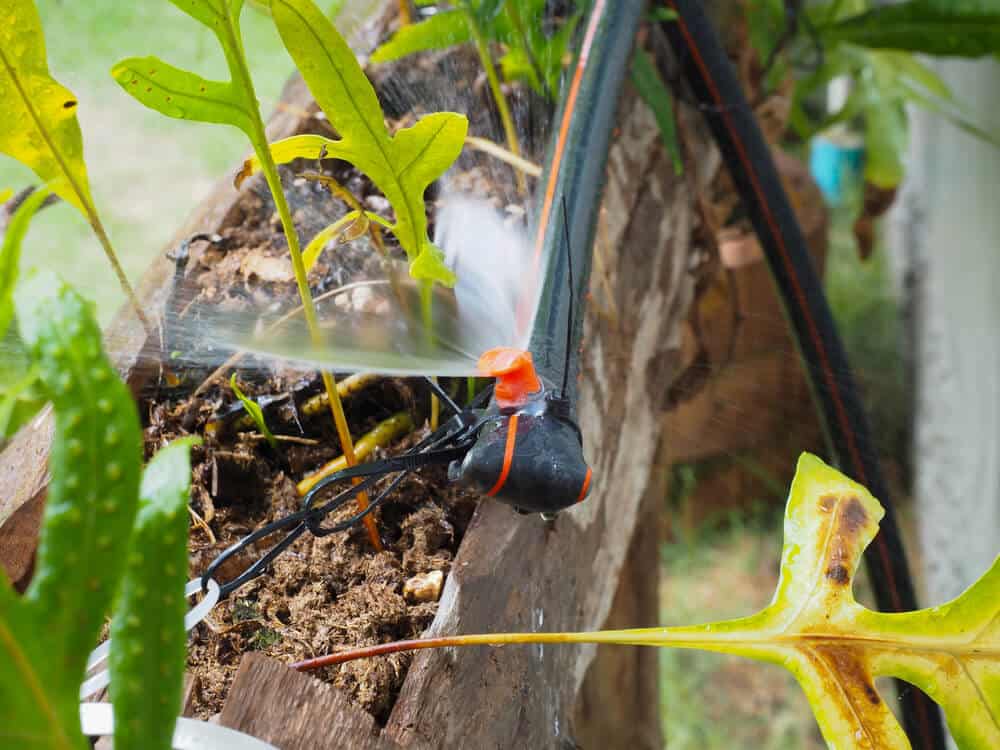
During the hottest months of the year, it’s crucial to manage thirsty plants effectively. Use drip irrigation systems or soaker hoses to provide little water consistently, ensuring that it reaches the base of the plant. This method is one of the best ways to conserve water and keep your garden hydrated.
Enhancing Garden Fragrance
July is the best time to enjoy the best fragrance from plants like lavender and jasmine. These plants thrive in the hot summer weather and can fill your garden with delightful scents. Prune them lightly to encourage more blooms and maintain their shape.
Nourishing Your Plants
Warm weather means plants get thirsty quicker. Watering on a regular basis is crucial. Early mornings or late evenings are the best times for this to prevent evaporation.
Opt for a liquid feed to give your plants a nutrient boost. Apply feeds to the root zone to encourage new growth. Container plants especially will benefit as frequent watering can wash away nutrients.
Deadhead flowers and remove any spent blooms. This encourages them to produce more flowers and stay healthy. Pay attention to young plants as they are particularly vulnerable to stress and need consistent care.
Supporting and Training Plants
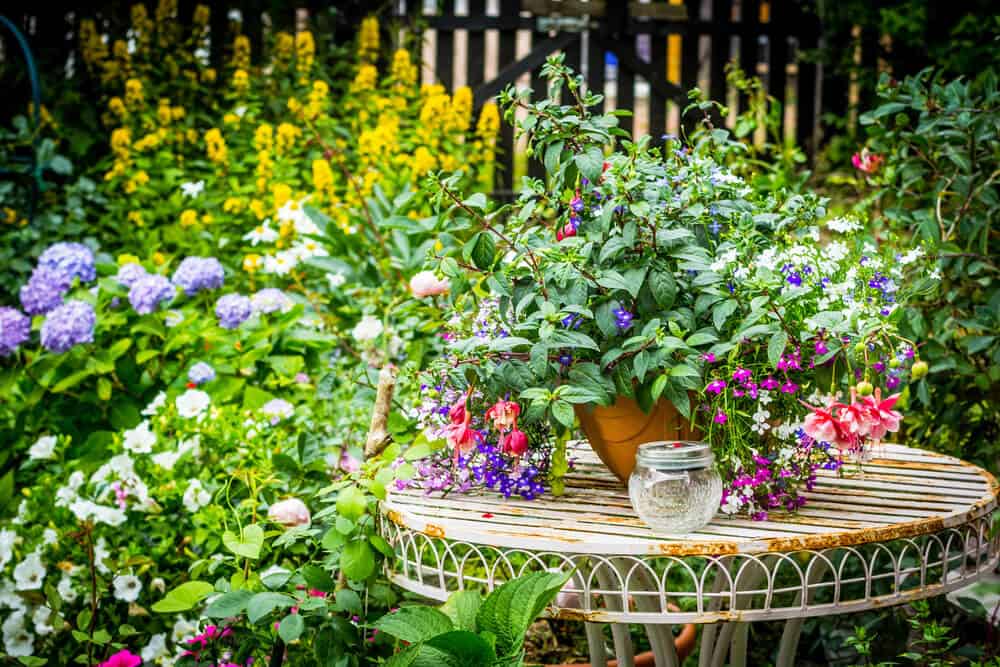
Support plants with long stems and runner beans. Tie them to stakes or trellises to keep them upright and prevent damage from wind.
Trim side shoots from tomato plants and remove any lower leaves to improve air circulation. This practice helps in preventing fungal disease which can thrive in warm, humid conditions.
Providing shade to delicate plants can also be a good idea, especially during the hottest part of the day. This is important for tender new shoots and flower beds. Floating row covers or shade cloths can work well to shield them from harsh sunlight while still allowing good airflow.
Caring for Fruits and Vegetables
July is a prime time for both harvesting existing crops and sowing seeds for future seasons. Gardeners need to balance their tasks between maintaining fruit trees and summer vegetables while also planning for late summer and autumn harvests.
Harvesting and Maintaining
Fruit Garden Care
July is the best time to care for your fruit garden. Soft fruits like strawberries and raspberries are in full production. Ensure your fruit plants are well-watered and protected from pests. This is also the last chance to thin out heavy crops of apples to ensure better fruit production. For fruit trees like apples and pears, gardeners may notice a natural shedding of immature fruits. This process, called ‘June drop,’ helps trees focus their energy on ripening the remaining fruits.

For vegetables, regular picking of beans (French beans, dwarf beans, broad beans) ensures continued production. Sweet peas also need attention; removing seed pods and picking flowers every few days prolong their blooming period. Keeping up with tasks such as watering and feeding ensures plants remain healthy during the hot July weather.
Planting for Future Seasons
July is also a good time to sow seeds for late summer and autumn crops. Cabbage, broccoli, and other biennials should be sown now to ensure they are established before the cooler weather arrives. These plants will be ready for harvest in the autumn. For those looking ahead, sowing salad leaves and beans from mid-July to mid-August can result in fresh produce in about 55-70 days.
It’s also the last chance to plant autumn bulbs like nerines and colchicums in pots and borders. This helps maintain garden colour and interest in the later parts of the year. Careful planning and timely sowing can lead to a bountiful and prolonged harvest season.
While it may seem early, July is a great time to start planning for the next year. Consider what worked well in your garden and what didn’t. This reflection will help you make better choices for the next planting season. Sow biennials now to ensure a beautiful display next spring and summer.
Flowers and Ornamentals Focus
July is a great month to tend to your flowers and ornamentals, ensuring they look their best and are well-prepared for the coming months. Key tasks include pruning and deadheading to promote new growth and planning for bulbs to bloom next season.
Pruning and Deadheading
Pruning and deadheading are essential for maintaining the health and appearance of your garden. Dead head flowers should be removed regularly to encourage further blooming. When you see brown or spent flowers, simply trim them off just above the next new bud or leaf using secateurs, pruning shears, or scissors.
By deadheading, not only do you improve the aesthetic of your garden, but you also stimulate the plants to produce more blooms. The first flush of flowers often has already blossomed, and removing spent flowers ensures that the plants focus their energy on producing new shoots and flower spikes.
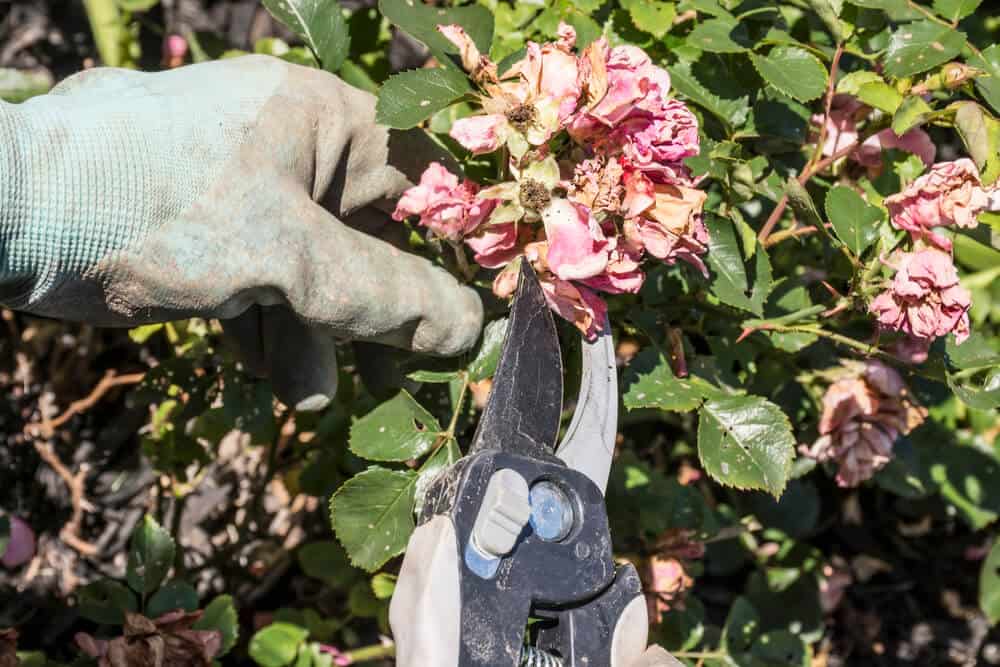
Pruning is another vital task, focusing on shaping the plants and removing any diseased or dead branches. It’s also a good time to take softwood cuttings from bedding plants, which can be used to propagate new plants.
Planning Bulbs
July is the perfect period to plan for your spring-flowering bulbs, even though it seems far off. Start by selecting which bulbs you want to plant, such as tulips, daffodils, or alliums. Preparing the garden beds now ensures that you have a good time for actual planting later.
Although planting typically begins in late summer or early autumn, getting your bulbs ready now helps you stay organised. Make sure to order your bulbs from reputable suppliers. Also, consider your garden’s layout — mix and match different bulb varieties to ensure a continuous display of flowers from early spring onwards.
This month is also ideal for reviewing areas where last month’s blooms have faded, and making decisions on what new bulbs would work well in those spots. Take care of any weeding and soil preparation now to give your spring bulbs the best start possible.
Keep in mind that a well-planned bulb garden will reward you with vibrant and colourful displays, making the effort you put in during July truly worthwhile.
Water Garden Maintenance
In July, maintaining a healthy water garden requires attention to algae control, cleanliness, and creating a supportive environment for aquatic life. By focusing on specific tasks, you can ensure a thriving water garden all summer long.
Managing Algae and Cleanliness
During warm weather, algae, particularly blanket weed, can become a major issue. Algae not only looks unsightly but can suffocate water plants, like water lilies, and reduce water quality.
Key steps include:
- Removing debris daily. Fallen leaves and organic matter decompose and feed algae.
- Algae treatments: Use eco-friendly treatments to manage algae growth effectively.
- Shading: Install shade sails or plant floating plants to limit sunlight reaching the water.
- Filtration: Ensure filters are clean and working well to remove suspended particles.
Ensuring a Healthy Habitat
Hot spells can stress aquatic life, so they need special attention. Ensure bird baths are clean and filled with fresh water.
Ways to maintain a healthy habitat:
- Water quality testing: Regularly check pH levels and other parameters to ensure optimal conditions.
- Aeration: Use fountains or waterfalls to improve oxygen levels.
- Plant care: Trim and divide water plants to prevent overcrowding.
- Feeding fish: Avoid overfeeding, as uneaten food pollutes the water.
- Bacteria supplements: Add beneficial bacteria to break down waste naturally.
By taking these steps, a water garden remains a vibrant and healthy oasis.
Prepping For The Summer Holiday Season
As summer holidays approach, gardeners must ensure their plants receive the care they need during this wonderful time. Focus on setting up your garden for easy maintenance and maintaining plant health while you’re away.
Setting Up for Easy Care
Preparing your garden for the holidays starts with automation. Install an automatic watering system to maintain regular watering schedules. This helps prevent plants from drying out, especially during heat waves.
Ensure house plants are also accounted for; placing them in shaded, less sun-exposed areas can reduce watering demands.
Ask a neighbour or a friend to keep an eye on your garden. A helping hand can be invaluable in spotting issues you might miss while away.
Ensuring Plant Health While Away
Before leaving, trim any yellowing leaves or deadhead flowers to promote healthy growth. This not only tidies the garden but also minimises pests’ attraction. Feeding your plants a slow-release fertiliser gives them a nutrient boost to last through your holiday.
Keep an eye on temperature forecasts. Mulch around base plants to retain moisture and regulate soil temperature.
For an extra care boost, consider using water-retaining gels in pots and hanging baskets. Check any shoots of tall varieties and ensure they are sturdy and supported. This prep work leaves your beloved garden in good shape till you’re back.
Checklist of July Gardening Jobs
July is a bustling month for gardeners with many tasks to keep the garden thriving.
Watering & Feeding
- Water plants regularly, especially those in pots and hanging baskets.
- Feed summer bedding plants to encourage continuous blooming.
- Keep roses well-fed and deadhead to promote further flowering.
Pruning & Deadheading
- Cut back early summer perennials like hardy geraniums and delphiniums after they’ve flowered.
- Regularly deadhead flowers to extend their blooming period.
Planting & Sowing
- Beans: Sow from mid-July to mid-August for an autumn harvest.
- Broccoli: Plant from mid-July to mid-August; it will be ready in about 60 to 70 days.
- Cabbage: Sow early July to mid-August for an autumn harvest.
General Maintenance
- Regularly mow the lawn to keep it looking neat.
- Shape and clip topiary; ensure shears are sharp for a clean cut.
- Take softwood cuttings from shrubs such as pyracantha, Cotinus, hydrangeas, and spiraea.
Beat the Heat
- Provide shade for vulnerable plants during heatwaves.
- Mulch soil to retain moisture and reduce weeds.
Enjoy Your Garden
- Take some time to sit out and enjoy the beauty of your hardworking efforts.
If you have any July gardening jobs you think I’ve missed, feel free to let me know below!
You May Also Like:
- Top 6 Gardening Tools Every Gardener Needs
- June Gardening Jobs: How to Keep Your Flower Beds Blooming
- Get Growing: Key May Gardening Jobs for Every Gardener
- April Gardening Jobs: What to Plant, Prune, and Prepare