
Do you want to elevate your garden from good to great? You could boost its health by doing specific activities in July, or focus strategically on your lawn. Imagine stepping out of your door to be greeted by a sea of vibrant green, lush grass. In this article, we’ll help you cultivate a thick, healthy turf that’s the envy of your neighborhood.
The Importance Of Maintaining A Healthy Lawn
Having a healthy lawn can contribute to the overall appearance and well-being of your property. It can provide essential ecosystem services like oxygen production, carbon sequestration, and erosion control. A well-maintained lawn enhances biodiversity, creating habitats for beneficial insects, birds, and other wildlife.
Grass helps filter pollutants from rainwater before they reach water bodies. Additionally, it contributes to cooling the air through transpiration. Caring for your lawn can beautify your space while playing an active role in promoting environmental sustainability.
Selecting The Right Grass Seed
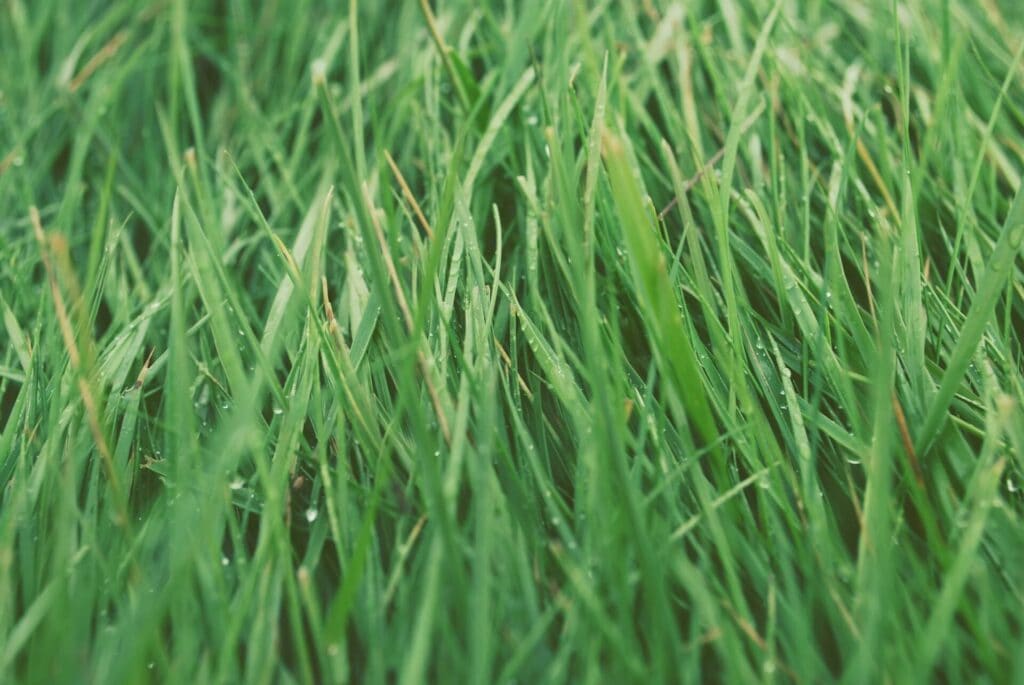
Consider factors such as sunlight exposure and climate when choosing a seed variety. For cooler regions, opt for cool-season grasses like Kentucky bluegrass or fescue. Alternatively, warm-season varieties such as Bermuda grass flourish in hot climates. You’ll find that sir grange grass thrives in extreme heat and has a high shade tolerance once established. It requires 75% less nitrogen than other common turf varieties and up to 50% less mowing.
It’s also essential to determine the level of foot traffic your lawn will receive. This way, you can choose a seed that can withstand heavy use if required. Also, don’t overlook the importance of understanding your soil’s pH levels and nutrient content. Conduct a soil test to identify any deficiencies, and select a seed blend that complements your soil composition. You should be mindful of any potential pests or diseases prevalent in your area. In turn, you can choose disease-resistant grass varieties to mitigate these risks.
Preparing The Soil And Planting Wisely
Aeration plays a key role in loosening compacted soil. It allows roots to push lower and access essential nutrients. This promotes healthier growth, improves overall water absorption, and reduces the risk of runoff during watering. You can also add organic matter such as compost or peat moss. This will help enrich the soil with valuable nutrients and promote microbial activity that benefits plant health. Different plants thrive in soil that has varying pH ranges. You should therefore test your soil and adjust as needed (using lime or sulfur). By fully preparing your soil for planting, you can help your turf be more resilient to environmental stressors like drought or disease.
Ensure your soil is fertile and free from debris that could hinder growth. Space out your seeds or seedlings appropriately. This will allow ample room for roots to spread and plants to thrive. Consider using a grid pattern for even distribution and optimal coverage. For an added boost of nutrients, try layering organic mulch over the planted area. This retains moisture and enriches the soil as it decomposes – providing essential minerals for healthy growth.
Watering Techniques
Rather than simply following a set schedule, observe the soil and plants to determine their needs. Overwatering can lead to shallow root systems and disease. Underwatering can initiate dry patches and stressed grass. Consider investing in a moisture meter to accurately gauge the moisture level of the soil. Watering sporadically but deeply encourages deep-root growth and drought tolerance.
Additionally, watering early in the morning helps reduce evaporation loss. This minimizes the risk of diseases from prolonged wetness during the night. Different areas of your lawn may have varying water requirements, based on sunlight exposure, soil type, and slope. You should therefore adjust your watering techniques accordingly. This will ensure that each part of your turf receives adequate hydration for optimal growth.

Fertilizing Methods
Traditional granular fertilizers are popular for their ease of application and long-term effects, gradually releasing nutrients into the soil. If you’re looking for a quicker nutrient boost, try liquid fertilizers. They offer rapid absorption by the grassroots, which is ideal for addressing immediate deficiencies.
For those embracing environmentally friendly practices, purchase organic fertilizers. They provide a natural alternative that promotes soil health and sustainable growth, without chemical additives. Composting is another effective method that enriches the soil with nutrients and improves its structure and water retention capabilities.
Weed And Pest Control Methods
Try mulching with organic materials like straw or wood chips. This method helps suppress weed growth by blocking sunlight. It also adds valuable nutrients to the soil as it breaks down over time. Hand weeding can be labor-intensive. However, it allows for targeted removal of unwanted plants, without the use of chemicals. Regularly mowing your lawn at the correct height can help prevent weeds from taking root and competing with your grass for resources. While traditional chemical pesticides have been commonly used for pest control, more environmentally friendly options are gaining popularity.
Integrated pest management (IPM) focuses on using a multidisciplinary approach to manage pests sustainably. This strategy involves taking preventive measures (such as regular monitoring of pests, and encouraging beneficial insects that prey on harmful pests. Selective pesticides are only used when necessary. Natural predators (like ladybugs and praying mantises) can be introduced to combat common garden pests, without harming beneficial insects or plants.
Mowing Tips
Vary the direction of your mowing pattern each time you cut the grass. This prevents it from leaning in one direction. It also promotes more even growth throughout your lawn, resulting in a uniform appearance. Always use sharp lawnmower blades because dull ones tear at the grass rather than cutting cleanly. This can stress the plants and make them more susceptible to disease.
Don’t forget to adjust your mower’s height based on the season. You’ll want to help shade the roots from harsh sun exposure during the summer.
Growing a lush turf requires careful attention, from selecting the right seeds to nurturing the sprouts as they develop. By following these tips, you can create a vibrant and healthy lawn that enhances your outdoor space. It will be a joy to your household and an inspiration to any visitors.