
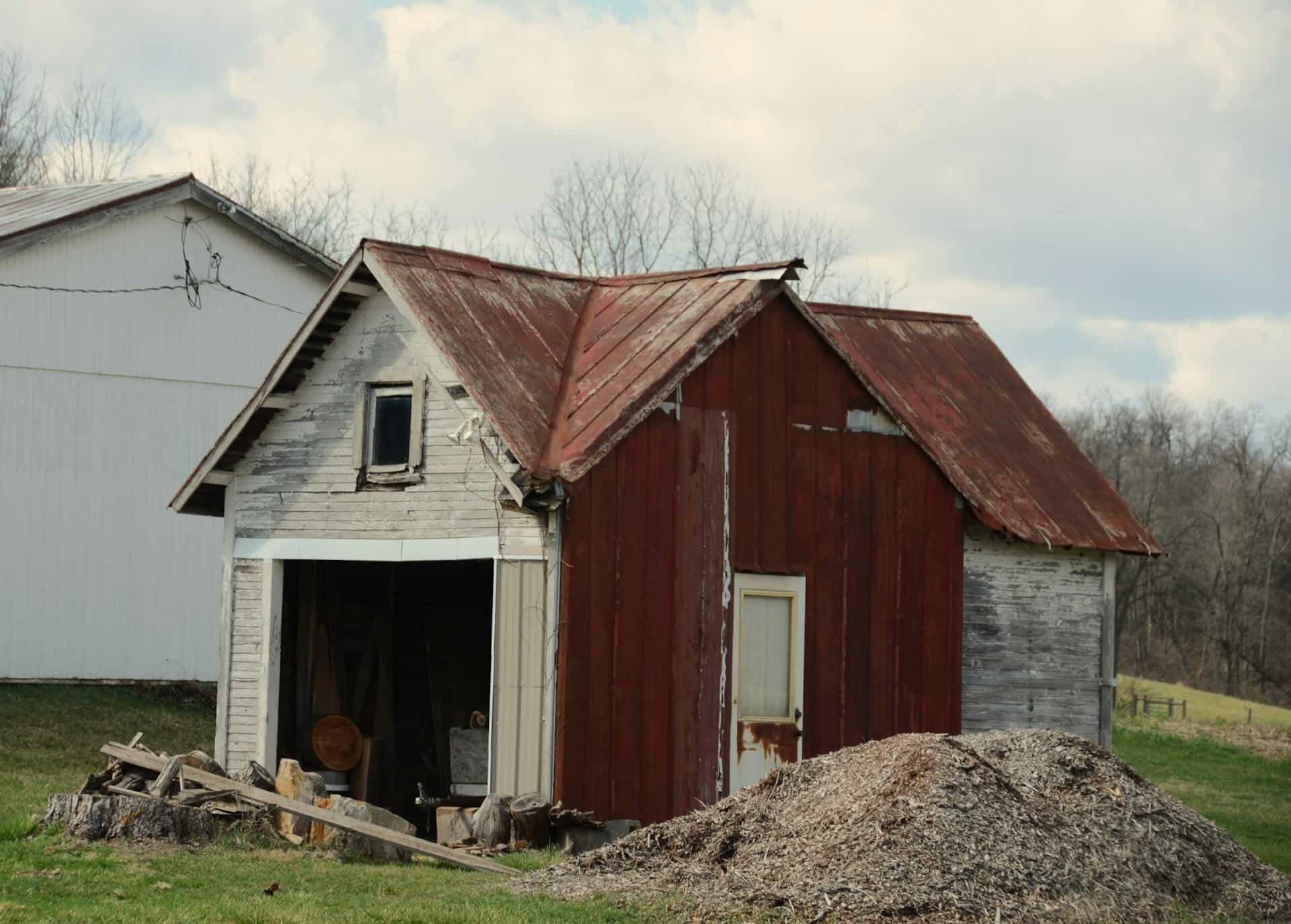
An aging shed, barn or workshop can often become useful again if its main structure is still sound. Before you clear it out or start choosing finishes, inspect the parts that keep the building upright and dry. A careful repair plan can turn a neglected outbuilding into practical storage, a garden workspace or a quiet hobby room without erasing the character that made it worth saving.
Assess the Structural Foundation
Start outside and walk around the building slowly. Look for leaning walls, uneven rooflines, wide cracks and gaps where the frame meets the foundation. Inside, use a long level to check floors and posts. Soft flooring near doors often points to long-term water entry, while sticking doors may reveal movement in the frame.
Serious settlement needs professional assessment before repairs begin. Temporary supports and lifting work can shift loads unexpectedly, as this guide to jacking and structural repair explains. Ask a structural engineer or experienced contractor to inspect major movement. If the foundation is stable, address smaller drainage problems by redirecting downspouts and correcting soil that slopes toward the walls.
Replace Rotted Sills and Framing
Sill plates sit close to the foundation, so they’re often the first wooden components to decay. Probe suspicious areas gently with an awl or screwdriver. Sound wood should resist pressure. If the tool sinks in easily or the surface crumbles, mark the damaged section and check the framing above it.
Replacing a sill may require temporary support for the wall. The process can be demanding because old framing rarely has perfectly square joints, a challenge illustrated in this overview of foundation sills. Hire a qualified professional when structural loads are involved.
For straightforward framing repairs, match the dimensions and species where practical. Builders and renovators near Ballina can source suitable timber for structural work, flooring and other renovation needs. Keep new wood separated from damp masonry with an appropriate barrier.
Improve Natural Light and Ventilation
Once the shell is stable, make the interior more comfortable. Clean existing windows first because years of dirt can block more daylight than expected. Repair loose glazing, seal gaps around frames and replace broken panes with safety glass where the space will see regular use.
If the building feels dark, consider adding a window between existing studs so you disturb as little framing as possible. Position openings to capture useful daylight without causing harsh afternoon glare. Roof windows can work well, but they introduce another potential leak point and need careful flashing.
Ventilation matters even in an unheated storage building. Install screened vents on opposite walls to create crossflow. A small exhaust fan may suit a workshop that produces dust, heat or moisture. Keep vents clear of stored boxes and vegetation.
Plan for Long-Term Weather Resistance
Trace water from the roof down. Replace missing roofing, secure loose flashing and clean gutters before working on interior finishes. Splashback along the base of a wall usually signals overflowing gutters, short downspouts or poor grading. Extend roof runoff well away from the foundation and trim plants that hold moisture against siding.
Check doors and windows during heavy rain, then mark leaks for repair once conditions are dry. Exterior sealants should remain flexible and suit the materials they join. Recoat exposed wood after cleaning and preparation, paying close attention to cut ends and lower edges.
Some jobs produce better long-term value when handled by a specialist. The same principle behind a professional concreter applies to structural supports, drainage slabs and foundation repairs, where poor work can create much larger costs later.
Give the repaired building a final check after its first major storm. Look for fresh damp patches, blocked drainage and doors that have started binding. Those small clues show where one more adjustment may protect the outbuilding for many more seasons.