
The Renaissance era, a beacon of artistic and cultural rebirth, continues to inspire modern interior design. Its influence extends beyond mere aesthetics, offering a robust blueprint for incorporating historical elegance into contemporary settings. This article delves into the unique decor techniques of Leonardo da Vinci’s time, providing practical ways to integrate these into today’s homes without losing the essence of their historical authenticity.
Materials of Majesty
One of the hallmarks of Renaissance decor was its reliance on high-quality, natural materials that have stood the test of time. Luxurious marble, rich velvets, and intricately carved woods were staples of the period. Modern adaptations might include using sustainably sourced woods for furniture and marble countertops to echo these historic textures, thus bridging the gap between past and present craftsmanship.

Rich Color Schemes
The Renaissance was not shy about employing bold, rich colors that evoked depth and emotion. Burgundy, deep blues, and earthy greens were popular and can be used in modern homes to create a warm, inviting environment. These colors can be particularly effective in living areas and dining rooms where a touch of historical opulence can create a striking impact.
Artistic Reproductions as Focal Points
Art was an integral part of life during the Renaissance, with works by masters like Leonardo da Vinci setting the tone for interior spaces. Modern homes can embrace this by incorporating high-quality reproduction of Leonardo da Vinci’s self-portrait and other notable works. These pieces serve as stunning focal points that draw the eye and spark conversation, embodying the spirit of the era.
Reimagining Furniture
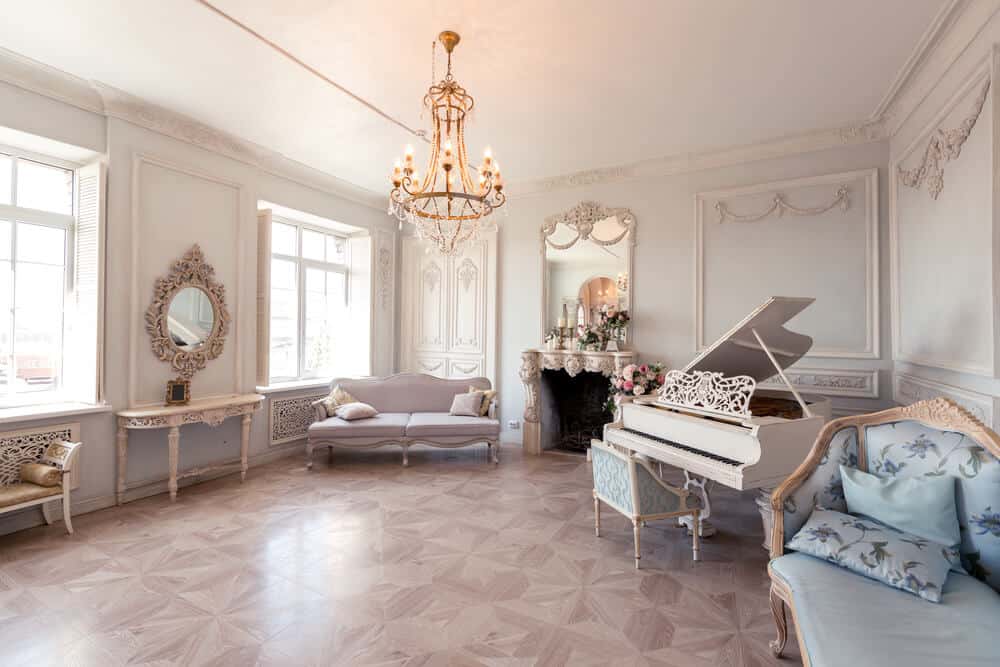
Renaissance furniture was characterized by its durability and ornate designs, often featuring elaborate carvings and robust forms. Today, while the scale and detail may be pared down to meet contemporary tastes, the essence of this furniture can still be reflected through choice pieces. Think carved wooden headboards or ornate mirrors that can serve as a nod to the past while fitting seamlessly into the modern aesthetic.

Textural Depth with Tapestries and Fabrics
Textiles during the Renaissance were all about texture and depth. Heavy tapestries adorned the walls of homes, adding warmth and sound insulation. Modern equivalents—like textured wallpapers and luxurious drapery—can mimic this feel, providing both aesthetic and practical benefits in colder climates or in rooms that require sound dampening.
Lighting: From Candles to Chandeliers
The soft, ambient lighting of the Renaissance, primarily from candles, contributed significantly to the atmosphere of interior spaces. Modern lighting technology allows for the recreation of this warmth using LED candles and chandeliers that mimic the flicker of flame, enhancing the mood and authenticity of Renaissance-inspired decor.
Flooring: A Foundation of Style
Flooring in the Renaissance period often consisted of stone or wooden planking, materials that are still popular in modern flooring for their beauty and durability. Reclaimed wood or stone tiles can provide a historical touch to a home, while offering the practical benefits of modern treatments for easier cleaning and maintenance.
Integrating Art into Everyday Spaces
Beyond paintings, the Renaissance saw an integration of art into everyday objects—furniture, dishes, and even ceilings were opportunities for artistic expression. Modern homes can adopt this integrative approach by selecting ornately designed functional items, such as hand-painted ceramic dishes or sculpturally significant furniture pieces.
Conclusion: Harmonizing History with Modernity
Reviving Renaissance decor is not about creating a replica of a bygone era but about drawing inspiration from its principles to enhance modern living spaces. By blending historic elements with contemporary design, homes can achieve a balance of elegance and comfort that stands the test of time. This approach allows for a living space that is not only aesthetically pleasing but also rich in cultural history, bringing the best of the past into the present.