
Choosing the right building solution for your business can significantly impact your operational efficiency, cost management, and overall success. Fabric covered buildings are increasingly gaining popularity among various industries due to their impressive versatility, durability, and cost-effectiveness. Their modern construction methods reduce costs and installation time, providing an eco-friendly solution with minimal maintenance. Dive into the ten key benefits of fabric buildings and discover why they could be ideal for your business needs.
What Are Fabric Covered Buildings?
Fabric covered buildings have a sturdy metal frame and durable fabric membrane, which are versatile structures that serve both temporary and permanent purposes. This adaptability reassures business owners that fabric buildings can cater to their changing operational needs, making them ideal for various industries. Their quick installation, cost-efficiency, and adaptability further reinforce the reassurance of a sound investment.
Industry Uses of Fabric Buildings
Fabric buildings are increasingly recognized for their practicality across various industries, offering tailored solutions to specific operational needs. From agriculture to public works, these structures provide functionality, durability, and cost-effectiveness, instilling confidence in choosing them. Below, we explore how fabric buildings are utilized in agriculture, manufacturing, sports, recreation, and emergency services, further reinforcing their practicality.
Agriculture
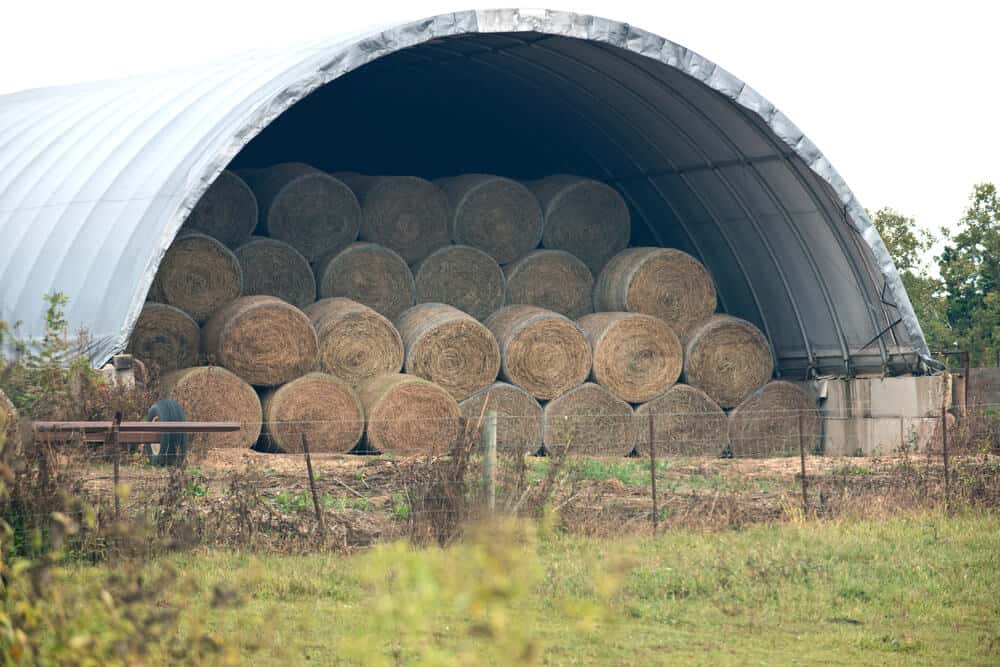
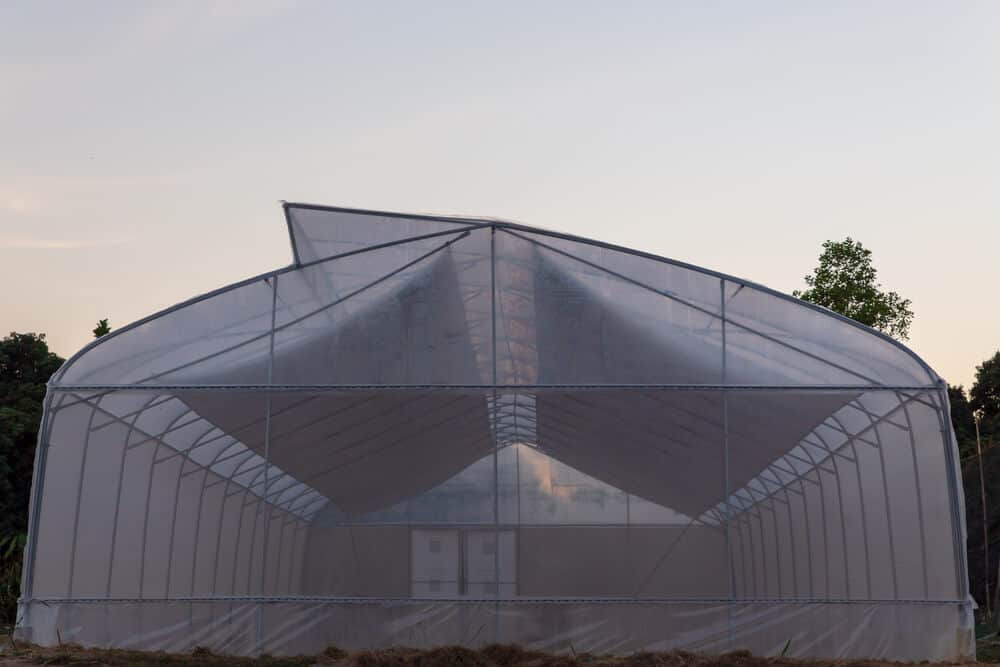
In the agricultural sector, fabric buildings are extensively utilized for various purposes. They serve as livestock shelters, protecting from harsh weather while allowing for adequate ventilation. Additionally, they function as storage facilities for hay, grain, and equipment, safeguarding these valuable resources from moisture and pests. Some fabric structures even operate as greenhouses, utilizing translucent materials to create an optimal growing environment while shielding crops from external elements.
Manufacturing and Warehousing
In manufacturing and warehousing, fabric structures provide spacious, flexible environments essential for production and distribution. They act as large workspaces free of internal columns, maximizing usable area for machinery and assembly lines. Fabric buildings can quickly become temporary production facilities during peak demand seasons, allowing companies to scale operations without the lengthy construction timelines associated with traditional structures. Furthermore, fabric covered buildings provide excellent bulk storage solutions, enabling the efficient organization and inventory accessibility.
Sports and Recreation
The sports and recreation industry has also embraced fabric buildings for their flexibility and functionality. These structures can be transformed into indoor sports facilities that accommodate various activities, such as basketball, tennis, or fitness classes, without any obstructions from internal supports. They also serve as event centers for community gatherings, tournaments, and exhibitions, providing ample space and a comfortable atmosphere for participants and spectators alike.
Public Works and Emergency Services
Fabric buildings play a crucial role in public works and emergency services by offering rapid deployment solutions in crises. They can be swiftly set up as disaster relief shelters, providing immediate housing for displaced individuals after natural disasters. Additionally, fabric structures are used by municipalities for temporary storage facilities, maintenance garages, and even as operational bases for emergency response teams, allowing for versatile responses during times of need.
Discover the Advantages of Using Fabric Structures for Your Business
Fabric covered buildings provide a range of advantages that cater to the diverse needs of modern businesses. Their unique design and construction methods make them cost-effective, versatile, and adaptable to various applications. From durability to energy efficiency, fabric buildings offer solutions to enhance operational effectiveness while minimizing costs. Below are some key benefits of selecting fabric covered structures for your business.
1. Cost-Effective Construction
One of the most significant reasons to choose fabric covered buildings is their cost-effectiveness. Compared to traditional construction methods, fabric buildings typically require less material and labour, leading to overall savings on building costs. The affordability of the fabric membrane combined with a swift installation process makes these structures an ideal choice for businesses aiming to optimize their budgets, making them feel financially savvy.
- Lower material costs: Fabric membranes and steel frames are more affordable than traditional building materials.
- Reduced labour expenses: Faster construction timelines lead to lower labour costs, enabling teams to focus on other priorities.
- Greater ROI: The combination of reduced initial costs and ongoing savings translates to a higher return on investment.
2. Quick Installation and Minimal Disruption
Fabric structures are renowned for their rapid assembly capabilities. Unlike conventional buildings that may take several months to complete, a fabric building can often be erected in just a few weeks. This quick installation minimizes disruptions to ongoing operations and allows businesses to resume normal activities quickly, which is particularly beneficial in emergency or seasonal situations.
- Fast setup: Most fabric buildings can be constructed swiftly, allowing businesses to use the space sooner.
- Minimal disruption: Quick installation processes reduce interruptions, helping maintain productivity during construction.
- Ideal for timely needs: Fabric structures, such as temporary shelters or event spaces, can serve urgent requirements.
3. Versatility in Design and Functionality
Fabric covered buildings offer unmatched versatility, making them suitable for an extensive range of applications. Whether the requirement is for storage, manufacturing, or recreational purposes, fabric buildings can be tailored to meet specific operational needs. With customizable design options, businesses can ensure that their fabric covered structures align seamlessly with their workflow and space utilization goals.
- Customizable layouts: Options for different dimensions and configurations allow businesses to create ideal workspaces.
- Flexible functionality: Fabric buildings adapt to multiple uses, from warehouses to sports facilities, without compromising quality.
- Clear-span interiors: This design maximizes usable space by eliminating support columns, enhancing accessibility.
4. Durability and Longevity
Despite their lightweight appearance, fabric buildings are remarkably durable and robust. They are typically constructed with a strong metal frame, often made of galvanized steel for maximum strength and corrosion resistance. The fabric membrane, usually made of high-quality, weather-resistant materials such as PVC or polyethylene, ensures these structures can withstand extreme environmental conditions such as heavy snow, intense winds, and UV exposure. This resilience guarantees that fabric structures provide reliable long-term solutions for businesses looking for dependable architectural options.
- Weather-resistant design: Built to endure harsh weather conditions, ensuring structural integrity over time.
- Long lifespan: With proper maintenance, fabric buildings are engineered to last for decades.
- Low wear and tear: The combination of robust materials minimizes damage from external elements, further extending longevity.
5. Energy Efficiency and Environmental Sustainability
Fabric buildings are designed with energy efficiency in mind, which helps reduce operational costs and contributes positively to the environment. These fabric structures allow natural light to penetrate their durable membranes, significantly decreasing the reliance on artificial lighting during daytime operations. Moreover, many fabric buildings feature excellent insulation properties, maintaining comfortable indoor temperatures while minimizing heating and cooling expenses. This combination of energy efficiency and sustainable materials reinforces the economic and environmental advantages of choosing fabric covered structures for your business.
- Natural lighting: The translucent fabric allows daylight to illuminate the interior, reducing electricity use for lighting.
- Enhanced insulation: Quality fabrics help retain heat in winter and cool air in summer, ensuring energy savings throughout the year.
- Lower carbon footprint: Decreased dependence on artificial climate control and lighting leads to reduced greenhouse gas emissions.
6. Low Maintenance Requirements
One significant advantage of fabric buildings is their remarkably low maintenance requirements. The materials used in these fabric structures are designed to resist rust, corrosion, and wear, which frequently affect traditional buildings. Consequently, this durability reduces the need for repairs and maintenance, saving businesses time and money. Additionally, the fabric membrane’s easy-to-clean nature minimizes upkeep efforts, making fabric covered buildings a practical choice for busy organizations.
- Durable materials: Resistant to harsh weather conditions and environmental stressors, ensuring long-lasting performance.
- Fewer repairs: Reduced frequency of necessary repairs means lower maintenance costs and less downtime.
- Easy cleaning: The fabric membrane can be quickly washed, keeping the structure looking new with minimal effort.
7. Flexibility for Expansion
As businesses evolve, so do their space requirements, and fabric buildings offer the flexibility needed for successful growth. Fabric covered structures can be easily expanded or reconfigured to accommodate changing needs, whether adding storage space, creating new work areas, or increasing personnel capacity. This adaptability makes fabric buildings a wise investment for enterprises with dynamic operational demands, ensuring their infrastructure can keep pace with development and innovation.
- Adaptable designs: The modularity of fabric structures allows for seamless integration of new sections or modifications.
- Scalable solutions: Businesses can adjust the size of their facilities without extensive renovations or disruptions.
- Long-term investment: The ability to expand as needed ensures that fabric buildings remain relevant as companies grow.
8. Enhanced Aesthetic Appeal
Fabric structures provide a contemporary and sleek design that can significantly enhance the visual appeal of any business property. Companies can create unique spaces that reflect their brand identity by customizing various aspects, such as fabric colour and clarity. This aesthetic appeal is particularly advantageous for businesses in the retail and hospitality sectors, where first impressions and customer experiences play crucial roles in success.
- Customizable appearance: Tailored colours and designs allow businesses to align their structures with branding strategies.
- Inviting environments: Well-lit interiors and modern designs promote positive customer experiences, encouraging return visits.
- Increased foot traffic: Attractive facades can attract customers, bolstering revenue and brand loyalty.
9. Environmentally Sustainable
Opting for fabric buildings often results in a more environmentally sustainable solution than traditional construction methods. The materials utilized in fabric covered structures are typically recyclable, and the production process usually has a lower environmental impact. The inherent energy efficiency of these buildings contributes to reduced energy consumption, making them a preferable choice for eco-conscious businesses striving to minimize their ecological footprint.
- Recyclable materials: Many components of fabric structures can be recycled, reducing waste and promoting sustainability.
- Less environmental disruption: Unlike traditional building methods, installation requires fewer resources and creates less waste.
- Sustainable energy practices: Reduced energy consumption supports environmentally friendly initiatives and corporate responsibility goals.
10. Increased Property Value
Integrating fabric covered buildings into your commercial property portfolio can significantly increase property value. These versatile fabric structures provide functional space that is attractive and adaptable to various uses, making your property more appealing to potential buyers or renters. The quick and cost-effective nature of installing these fabric buildings allows businesses to expand or enhance their premises without lengthy construction timelines, which can be a critical selling point in a competitive real estate market.
- Functional additional space: Fabric buildings offer areas that can be easily customized for different operations, improving utility and attractiveness.
- Market competitiveness: Properties featuring fabric covered structures stand out in listings, attracting more interest from prospective tenants or buyers.
- Cost-effective expansion: The affordability and speed of setting up fabric buildings allow for rapid growth without hefty financial burdens, appealing to investors.
- Versatile applications: Fabric structures can serve multiple functions—from storage to event hosting—catering to diverse tenant needs and enhancing rental potential.
Expand Your Business with Ease
Opting for fabric buildings is more than just selecting a space solution; it invests in operational efficiency, sustainability, and future expansion. These versatile structures offer cost-effective construction, swift installation, and robust durability to meet modern business demands. Their minimal maintenance needs, energy efficiency, and eco-friendly design enhance their appeal further. With the added advantage of flexible expansion and the potential for increasing property value, fabric buildings are a forward-thinking choice for businesses aiming to grow and adapt. Choose fabric structures to seamlessly evolve with your company and unlock new opportunities for optimization and expansion.