
Building a sturdy home requires the right materials. From ancient times to modern construction, humans have relied on various substances to build durable structures.
In this article, we’ll explore six of the strongest building materials for constructing a robust house. These materials not only withstand the test of time but also offer resilience against environmental factors and structural stressors.
From traditional favourites like brick and concrete to innovative options like steel and engineered wood, each material brings unique strengths to the construction process. By understanding the properties and advantages of these building materials, homeowners and builders can make informed decisions to ensure that their houses stand firm for generations to come.
Whether you’re planning to build a home from scratch or you’re considering renovations, this guide will help you navigate the different construction materials. Let’s dive in.
1. Concrete
Concrete, a staple in construction, tops the list as one of the strongest building materials. It’s composed of cement, water, and aggregates like sand and gravel, and it offers unparalleled strength and durability.
Its versatility allows for various applications, from foundations to walls and floors. It’s also known for being resistant to fire, moisture, and pests, ensuring long-lasting structures with minimal maintenance. Moreover, its ability to be moulded into different shapes and sizes makes it ideal for diverse architectural designs.
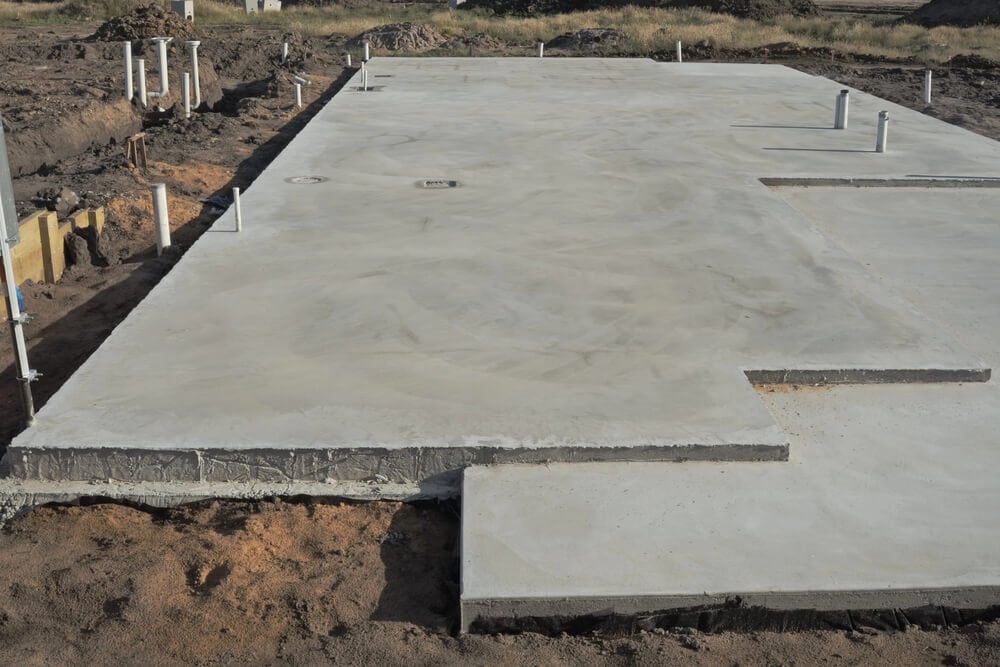
Concrete structures can withstand immense pressure, especially when made with high-quality gravel from aggregate suppliers in Norfolk or elsewhere in the UK. This makes it a reliable choice for building homes that stand the test of time.
2. Steel
Steel is a powerful material in construction, known for its exceptional strength and flexibility. Made from iron and carbon, steel is incredibly durable and can support heavy loads without bending or breaking.
Its resistance to corrosion and extreme weather conditions makes it ideal for building sturdy frameworks and structures. Despite its strength, steel is lightweight in nature, allowing it to be easily transported and installed. It’s also highly recyclable, making it an environmentally friendly option.

Steel is used in beams, columns, and reinforcements, providing the backbone for many modern buildings. As a result, this building material ensures safe and long-lasting residential and commercial structures.
3. Brick
Brick has been a trusted building material for centuries due to its durability and classic appearance. Made from clay or shale, bricks are fired at high temperatures, resulting in a hard, long-lasting product.
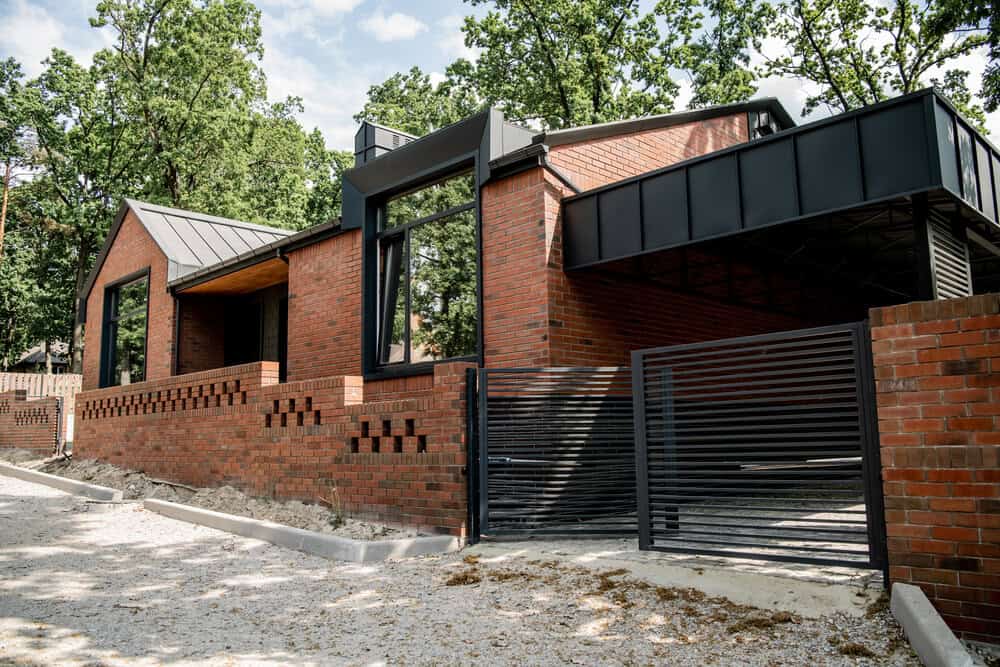
They are excellent insulators, helping to maintain comfortable indoor temperatures and reducing energy costs. Bricks are also fire-resistant and require minimal maintenance, making them a practical choice for homeowners.
Their versatility allows for various design styles, adding aesthetic appeal to any structure. Whether used for walls, façades, or pathways, brick is a reliable and attractive option for building strong, enduring homes.
4. Stone
Stone is one of the oldest and strongest building materials, known for its natural beauty and durability. Sourced from quarries, stones like granite, limestone, and sandstone offer exceptional strength and weather resistance.
Stone structures can last for centuries with minimal maintenance, making them a long-term investment. Moreover, its natural insulation properties help regulate indoor temperatures, enhancing energy efficiency. This means that you can even carry out loft conversions and other kinds of extensions, and you’ll be able to retain a lot of that efficiency regardless, which is a really good situation to find yourself in financially as well as anything else.
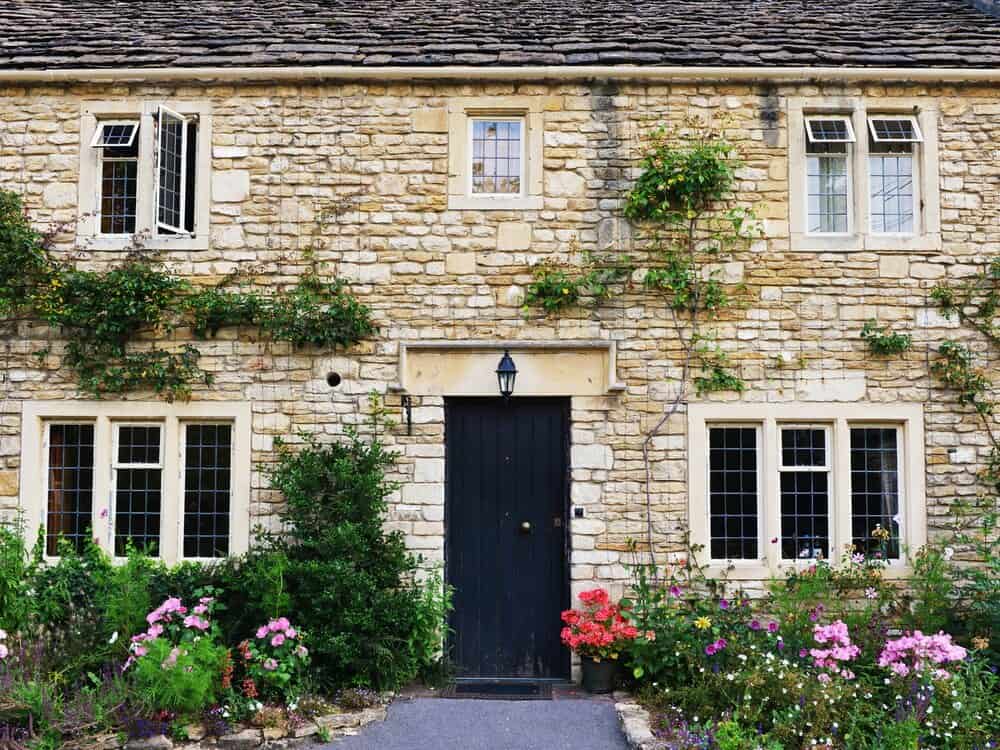
Stone is also fire-resistant and can withstand extreme weather conditions, providing a safe and secure building option. It’s often used in foundations, walls, and decorative features, and it adds a timeless, elegant look to any home, blending durability with aesthetic appeal.
5. Cross-Laminated Timber (CLT)
Cross-Laminated Timber (CLT) is a modern, eco-friendly building material that has been gaining popularity for its strength and sustainability. Made by layering wood panels in perpendicular directions, CLT offers exceptional stability and load-bearing capacity.
It’s lightweight compared to traditional materials like concrete and steel, making it easier to transport and assemble. CLT is also an excellent insulator, enhancing energy efficiency and comfort in homes.

Its wood composition also gives it a natural, warm appearance, adding aesthetic value. Additionally, CLT is renewable and reduces the carbon footprint, making it a smart choice for environmentally conscious builders looking to create sturdy, beautiful structures.
6. Bamboo
Bamboo is a renewable and robust building material known for its strength and versatility. As one of the fastest-growing plants on Earth, bamboo replenishes rapidly, making it highly sustainable.
Its natural resilience to pests and environmental conditions makes it ideal for construction. Moreover, bamboo’s strength rivals that of steel, providing sturdy structural support. It’s also lightweight, facilitating easy transportation and installation.
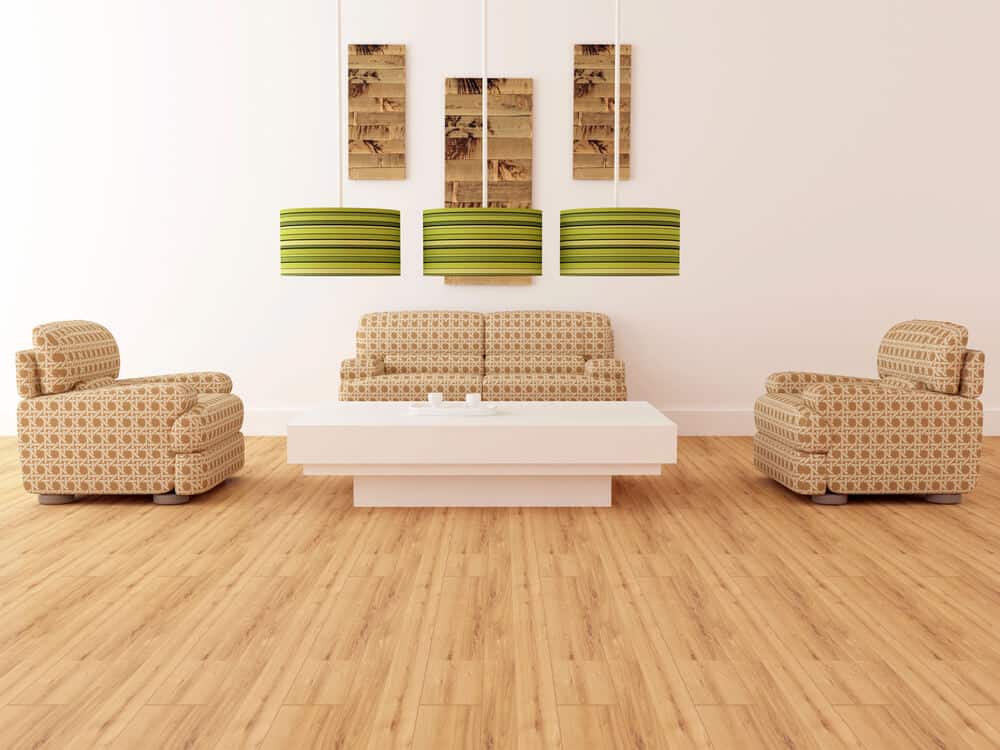
Used for flooring, walls, and even as a substitute for steel reinforcement, bamboo offers a cost-effective and eco-friendly solution for building resilient homes with a minimal environmental footprint.
To Sum Up
The choice of building materials plays an important role in the strength, durability, and sustainability of a home. From time-tested options like concrete, steel, brick, and stone to innovative solutions like Cross-Laminated Timber (CLT) and bamboo, each material brings unique advantages to the construction process.
Whether you’re prioritising strength, eco-friendliness, or aesthetic appeal, as a homeowner or builder, you have a diverse array of options to consider. By understanding the properties and benefits of these materials, you can build a strong and lasting structure.