
Your home is your sanctuary, but like any big investment, it needs regular care to stay in good shape. Over time, houses can develop small issues that turn into big, expensive repairs if you don’t catch them early. Learning to spot these warning signs is key to keeping up with home maintenance. Think of it like a health check-up for your house; catching problems early keeps it safe, comfortable, and structurally sound.
Cracks in Walls or Foundation
Seeing a crack in a wall can be scary, but not all cracks are serious. Tiny, hairline cracks in drywall or plaster are usually just cosmetic, happening as the house settles. But some cracks point to bigger structural problems.
Watch out for cracks wider than a quarter-inch, ones that run straight across, or those that look like stair-steps on brick or concrete block walls. Other red flags include doors or windows suddenly sticking or not closing right, which can mean the foundation is shifting. If you see these more serious signs, it’s smart to have a structural engineer check your home to find out what’s going on.
Plumbing Leaks and Water Stains
Water is one of the most damaging things your home can face. Even a small, slow leak can lead to mold, rot, and serious structural damage over time. The clearest signs of water damage are discolored spots on ceilings or walls, bubbling paint, or a constant musty smell you can’t pinpoint.
Some leaks are harder to find. If your water bill suddenly jumps or you hear water running when all faucets are off, you might have a hidden leak. These can even happen under the foundation, and there are specific slab leak detection signs to look for, like warm spots on the floor or damp carpets. It’s crucial to deal with any suspected leak right away to stop widespread damage.
Warning Signs from Your Roof and Windows
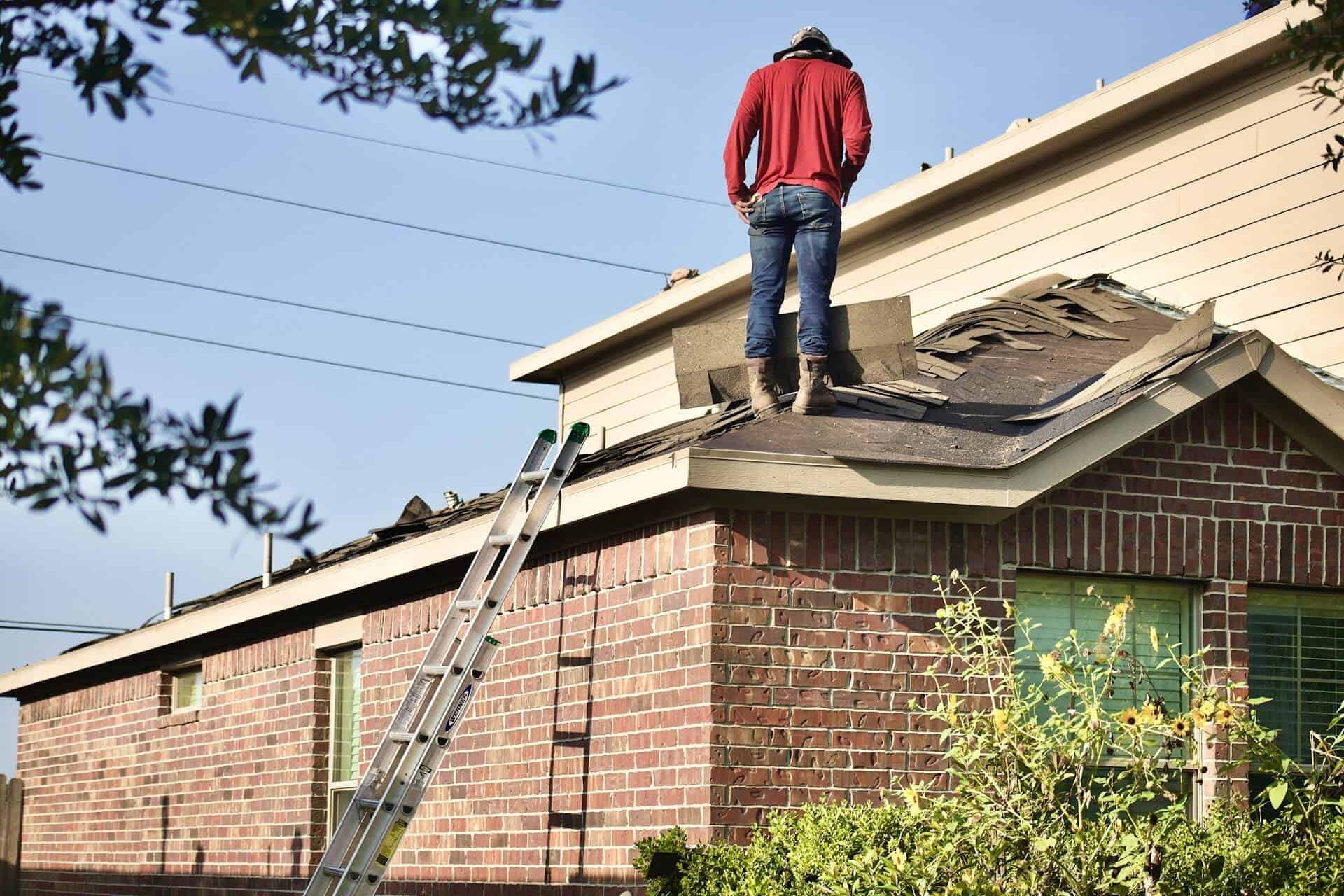
Your roof is your home’s main shield against the weather, so keeping it healthy is vital. Roof problems can cause issues throughout the whole house. Inside, look for water stains on your top-floor ceilings or walls. Outside, check the roof from the ground. Are any shingles missing, cracked, or curling up? Do you see a lot of shingle granules in your gutters? These all mean your roofing material is getting old and breaking down. A sagging roofline is a more urgent sign of a possible structural problem. These issues often mean simple repairs won’t cut it, and you might need a professional roof restoration to protect your home.
It’s also important to inspect your windows after severe storms or accidental impacts. A cracked or shattered window can leave your home exposed to weather, pests, and security risks, so knowing what to do if you have a smashed property window can help you protect your home while arranging permanent repairs.
Electrical System Concerns
Electrical problems are dangerous and should never be ignored. Some warning signs are subtle, while others are obvious. Look out for:
- Lights that flicker or dim often, especially when an appliance turns on.
- Outlets or switch plates that feel warm or look discolored.
- A faint burning smell near an outlet or the breaker panel.
- Circuit breakers that trip again and again for no clear reason.
These symptoms can point to old wiring, overloaded circuits, or bad connections. Because of the risk of fire and electric shock, electrical work isn’t a DIY job. Always call a licensed electrician to safely diagnose and fix the problem.
Drafts and Energy Loss
If you feel a constant cold draft near your windows and doors, or some rooms are always colder or hotter than others, your home is probably losing energy. Drafts aren’t just uncomfortable; they show that your home’s insulation isn’t doing its job, leading to unnecessarily high heating and cooling bills.
You can often feel drafts with your hand or see daylight around door frames and window sashes. Simple fixes like adding new weatherstripping or caulking gaps can make a big difference. Also, check the insulation in your attic. Over time, insulation can flatten or get damaged, making it less effective and forcing your HVAC system to work harder.
Pest Infestation Indicators
Unwanted pests can cause a lot of damage and make your home unhealthy. The signs of an infestation depend on the pest. For rodents, listen for scratching or scurrying in walls or ceilings, especially at night. Look for small, dark droppings in cabinets or along baseboards, and gnaw marks on food packages or wood.
Termites are a quieter threat. Signs include mud tubes along your foundation, wood that sounds hollow when tapped, or discarded wings near windows. If you suspect any pest problem, it’s best to call a professional exterminator to figure out what it is and treat it effectively.
By regularly checking your home for these warning signs, you can fix problems before they become emergencies. A little attention goes a long way in protecting your home and your peace of mind.