

Creating a beautiful and functional garden can be challenging, especially when working with a sloped or uneven landscape. However, one of the best ways to enhance a sloping garden or backyard is by incorporating a tiered garden design. If you’re looking to make the most of a small sloped area or wish to add more vertical interest to a flat garden. Tiered garden ideas can help you create distinct areas that serve various purposes, from a seating area to a vegetable garden.

In this blog post, we’ll explore some of the most effective and creative tiered garden designs, focusing on the use of retaining walls, garden stairs, water features, and garden beds to make your garden the perfect place to relax, entertain, and enjoy nature.
1. What is a Tiered Garden?
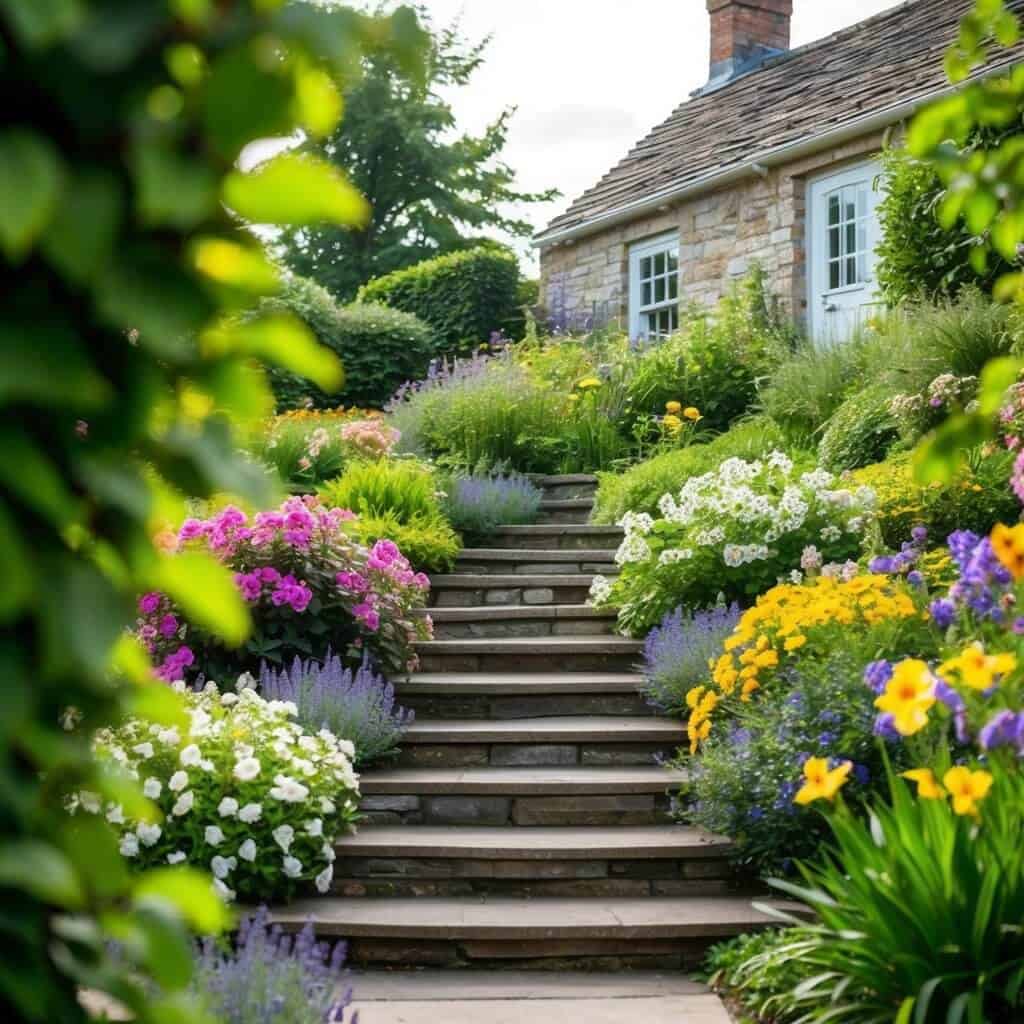
A tiered garden, also known as a terraced garden, is a landscaping technique that uses multiple levels or tiers to create a visually appealing design. This design is particularly beneficial for sloped gardens as it transforms a difficult landscape into an aesthetically pleasing and functional space. By creating different levels, a tiered garden adds visual interest and helps to define areas for planting, seating, and other garden functions.
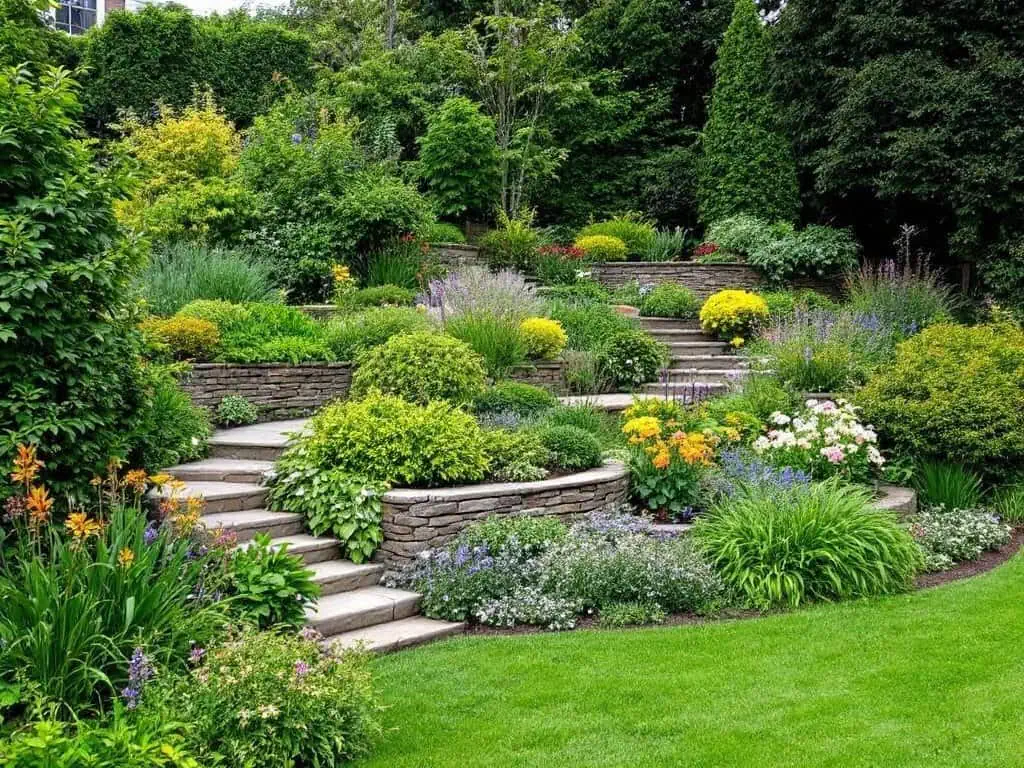
2. Using Retaining Walls to Create Levels
Retaining walls are often a key feature in tiered garden designs. These walls help to hold back soil, preventing erosion and allowing for the creation of different levels in the garden. So if you opt for natural stone, timber railway sleepers, or modern concrete, retaining walls can add structure and form to your garden.
The choice of retaining wall should also take into account the slope, soil conditions, and the amount of support each level requires. A well-planned wall can help define the boundaries between tiers while creating a stable foundation for planting areas, paths, and other garden features. This makes retaining walls both a practical and visual part of a successful tiered garden.
A gabion wall, made of wire cages filled with rocks, is an excellent choice if you want a more industrial or contemporary look. The natural stone in these walls also creates a more organic and earthy feel. Alternatively, stone walls are a classic choice that can give your garden a timeless look, adding a sense of permanence and stability to the structure.

3. Incorporating Water Features for a Relaxing Ambience
One of the standout features of tiered gardens is the opportunity to incorporate a water feature. A small waterfall or pond can make an excellent focal point for your garden, creating a tranquil and serene atmosphere. A sunken pool or a swimming pool nestled in the lower levels can also be a luxurious addition, providing a place to cool off and relax during the warmer months.
Water features are not only visually appealing but also help to enhance the overall vibe of your garden. So if you opt for a meandering path of small waterfalls or a simple, elegant fountain, the sound of running water can transform your garden into a peaceful retreat.
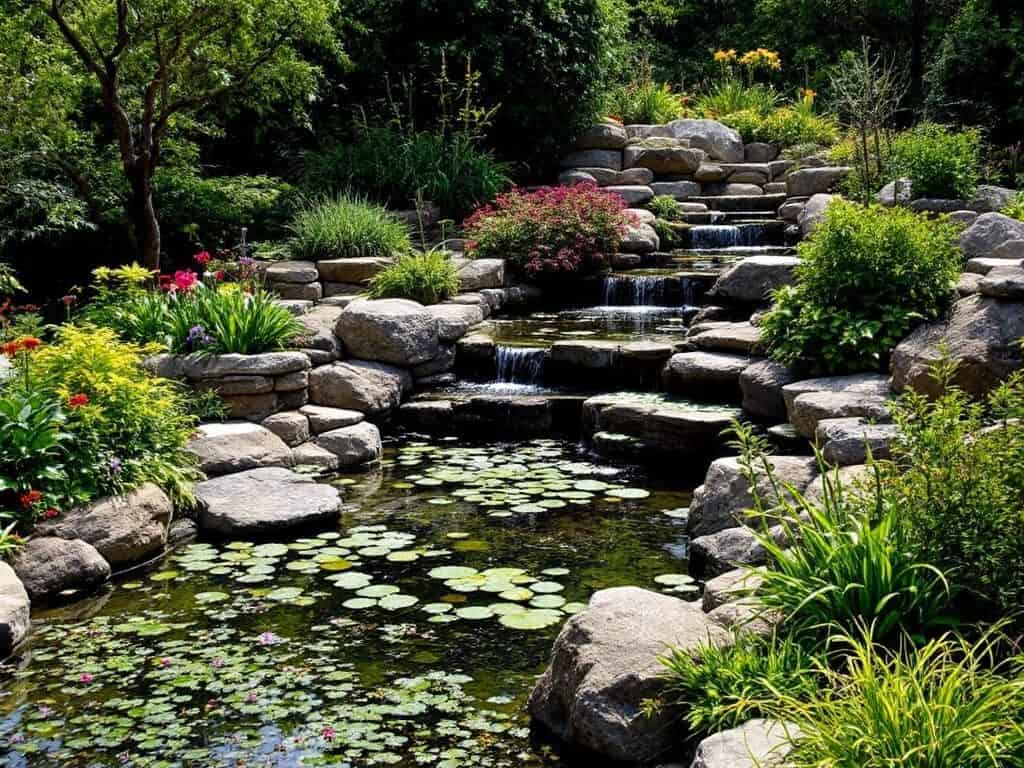
4. Maximizing Small Sloped Garden Ideas with Tiered Levels
If you’re working with a small garden or a garden with limited space, tiered garden ideas can be especially beneficial. When dealing with a steep hill or sloping garden, a multi-level design can make the most of the available space. By creating a garden that incorporates lower levels, upper levels, and even split-level gardens, you can add visual depth and create distinct areas for different uses.
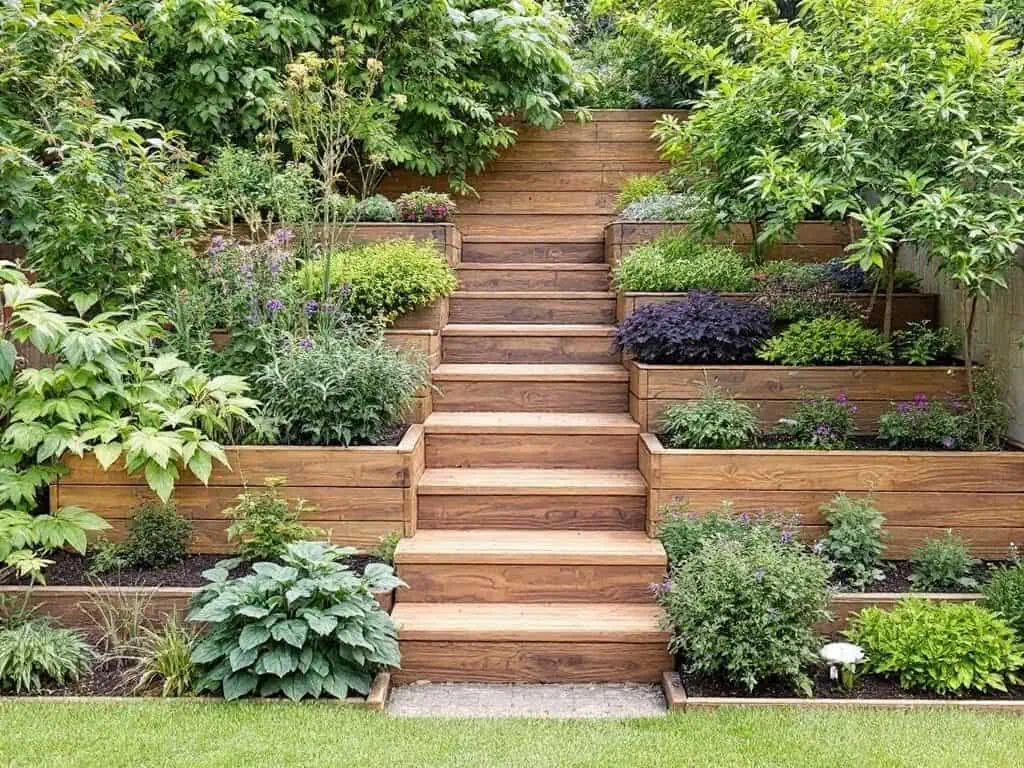
A great way to make your garden feel larger is by utilizing vertical spaces. Think about planting taller plants or incorporating raised beds to add height and dimension to the garden. You can also create flower beds and vegetable gardens on different levels, ensuring each area has its own purpose and visual appeal.

5. Designing for Families and Young Children
When planning a tiered garden, it’s important to consider the functionality of the space, especially if you have children. Creating a play area or dining area on the lower tier can provide a safe and accessible space for your family to gather. Garden stairs or wide stone steps are essential to ensuring easy access between the levels. Additionally, getting the best stair gates is a great idea if you have young children to ensure safety.
A tiered garden also allows you to create distinct areas for different activities, so you can have a quiet seating area for relaxation, a space for playing, and a separate area for dining or entertaining. Using different plants in each area, such as native plants for a natural look or taller plants for privacy, will help to define the space and create an inviting environment.
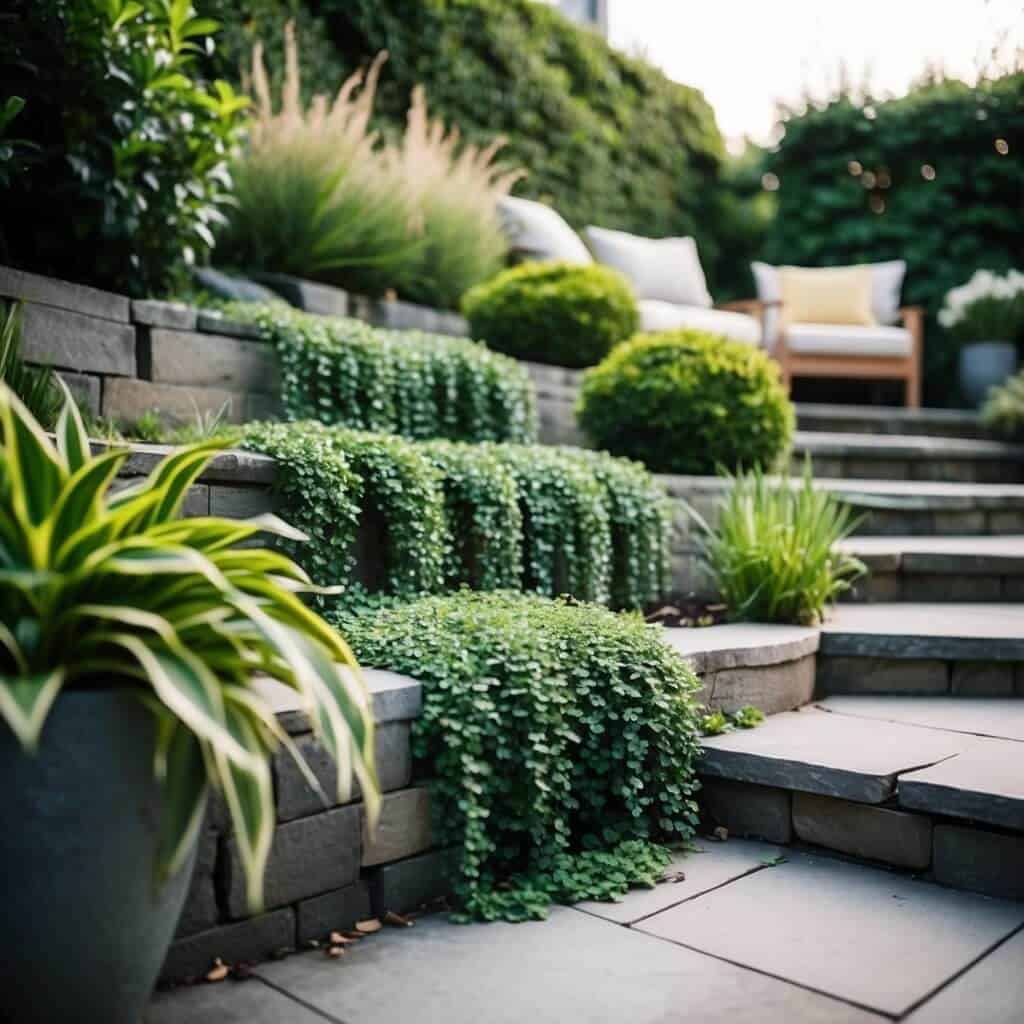
6. Choosing the Right Plants for Your Tiered Garden
Plant selection plays a crucial role in the success of your tiered garden. Depending on the levels in your garden, you can choose different plants that will thrive in various conditions. For instance, native species are a great choice as they are adapted to the local soil type and climate. They also tend to attract local wildlife, creating a more sustainable and eco-friendly garden.
In sloping gardens, it’s essential to choose plants that are suited to the soil type and can handle the gradient. Consider adding ground cover plants on the lower levels to help with soil erosion, and use taller plants or shrubs in the upper levels to create a sense of height and privacy.
When selecting plants for a tiered garden, keep in mind the growing season and how each plant will look throughout the year. Planting a variety of perennials and annuals will ensure that your garden is vibrant and full of life no matter the season.
Creating a tiered garden can be a beautiful and efficient way to maximize space and showcase a variety of plants.
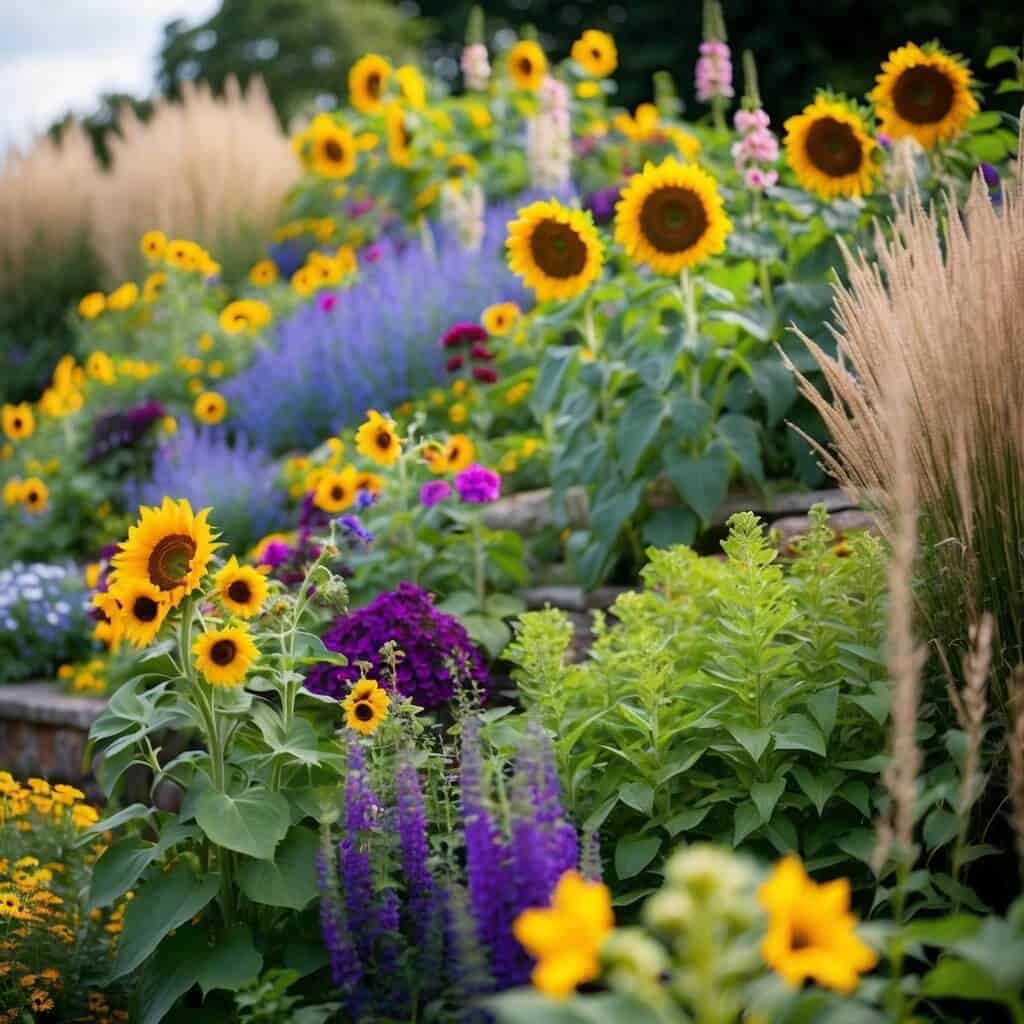
Here’s a list of plants suitable for different tiers, considering varying heights, textures, and colours:
Top Tier (Tall Plants)
- Sunflowers – Bright and cheerful, they add height and color.
- Delphiniums – Tall spikes of blue, purple, or white flowers.
- Hollyhocks – Classic cottage garden plants with tall flower spikes.
- Ornamental Grasses – Varieties like Miscanthus or Pampas Grass for height and texture.
- Roses (Climbing Varieties) – For vertical interest and fragrance.
Middle Tier (Medium Height Plants)
- Lavender – Fragrant and great for attracting pollinators.
- Echinacea (Coneflowers) – Hardy perennials with bright, daisy-like flowers.
- Salvia – Spikes of blue, purple, or red flowers that attract hummingbirds.
- Peonies – Large, lush flowers that come in a variety of colors.
- Daylilies – Reliable and colorful, with blooms that last all summer.
Bottom Tier (Low-Growing Plants)
- Creeping Thyme – Aromatic ground cover with tiny purple flowers.
- Hostas – Great for shaded areas, with attractive foliage.
- Sedum (Stonecrop) – Succulent ground cover with star-shaped flowers.
- Heuchera (Coral Bells) – Colorful foliage and delicate flowers.
- Pansies/Violas – Bright, cheerful flowers that add color to the edges.
Additional Tips:
- Mix Perennials and Annuals: This ensures continuous bloom throughout the seasons.
- Consider Sunlight Needs: Place sun-loving plants in areas that receive full sun and shade-tolerant plants in shadier spots.
- Soil and Watering: Ensure that the soil is well-draining and that plants with similar watering needs are grouped together.
- Color and Texture: Mix different colors and textures to create visual interest.
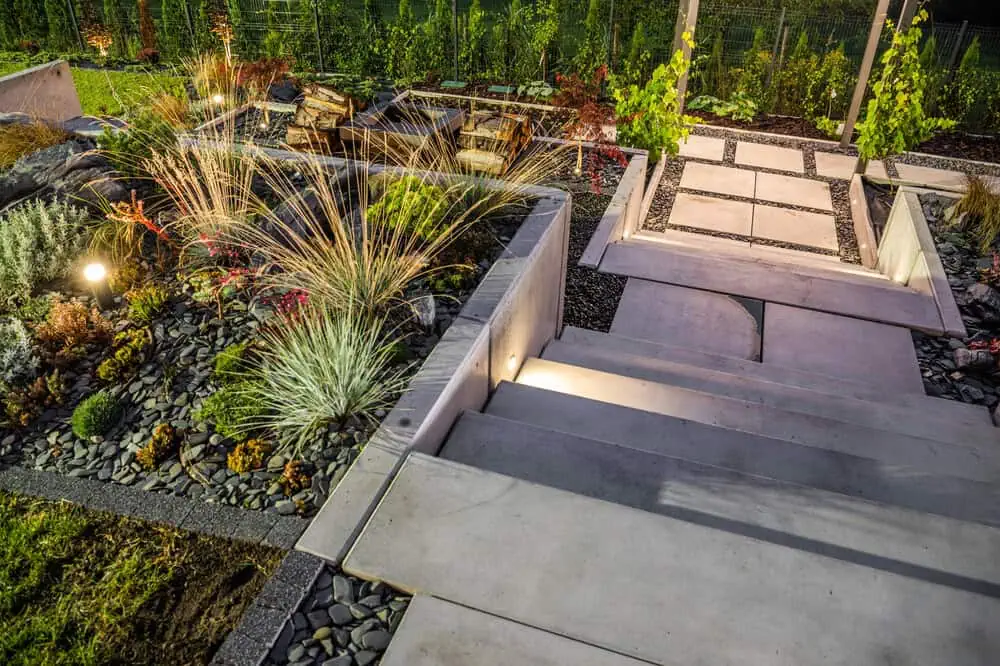
7. Designing a Garden with Visual Interest
One of the main goals of a tiered garden design is to create visual interest. By incorporating different elements such as stone walls, garden beds, and meandering paths, you can add layers of texture and depth to the space. The dramatic use of levels helps to guide the eye through the garden, creating a sense of flow and continuity.

To enhance the overall look of the garden, consider using focal points such as a statue, water feature, or fire pit. These elements draw attention and serve as conversation starters, making your garden feel like a well-designed space. Lighting is also important, especially if you plan to entertain in the evenings. Pathway lights and spotlights on key features can highlight the beauty of your tiered garden and make it more inviting at night.
8. Creating an Easy Access Garden
While tiered gardens offer a lot of design opportunities, it’s important to ensure that your garden is easy to access. Build garden stairs. Use stepping stones or railway sleepers to create paths that lead to different levels. Ensure that level changes are not too steep, and that each tier is easy to navigate, particularly if you plan to use the space for entertaining or as a family garden.
Creating easy access between levels is especially important if you plan to use your garden for multiple purposes. A well-planned layout will ensure that there is enough space for each function without making the space feel cramped or difficult to move through.

9. Incorporating Modern Features for a Contemporary Look
For those looking for a more modern take on tiered garden designs, consider incorporating sleek materials such as concrete, steel, or glass. These materials can create a more polished and contemporary look, while still allowing for the natural beauty of plants to shine through.
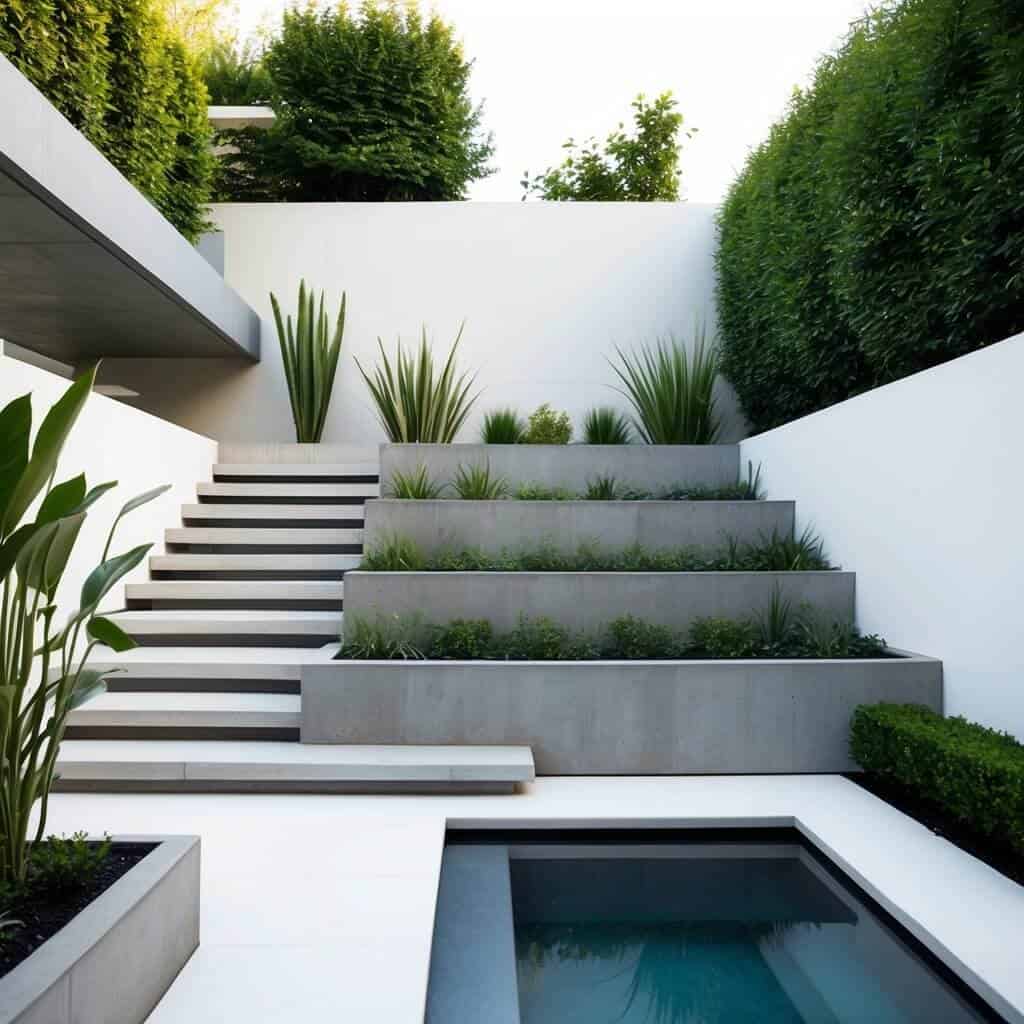
For instance, a tiered backyard with a modern look might feature stone walls, tall plants, and clean, minimalistic paths that guide you through the garden. A sunken pool or hot tub on the lower tier can be complemented by white walls to give the space a more contemporary feel.
10. Planning Your Tiered Garden Design
The key to a successful tiered garden is careful planning. Start by evaluating your garden’s plot and slope to determine how many levels you can create. Landscape designers can help with this process if you’re unsure about how to approach the layout. Take the time to plan each level, considering what functions you want to have on each tier. Ideas include: a dining area, vegetable garden, or seating area.
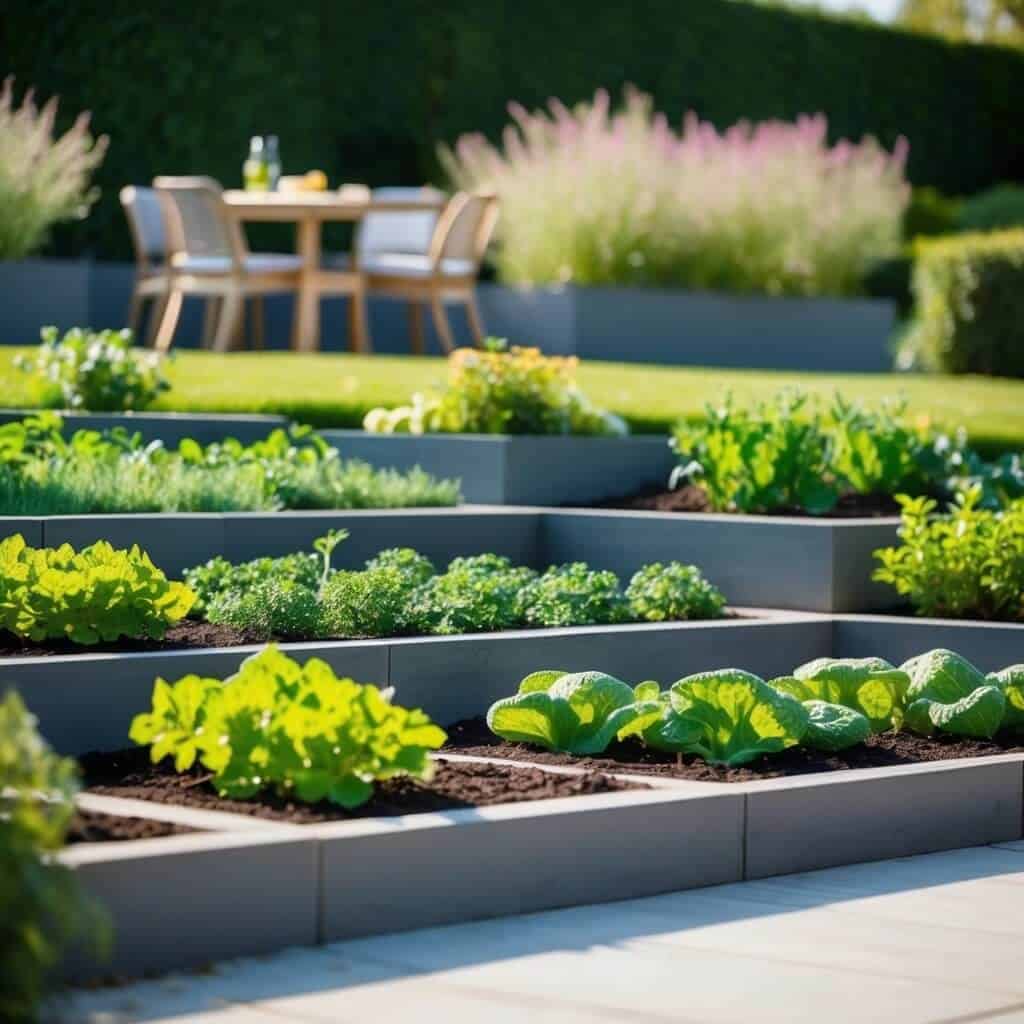
Use visual interest and functional planning to create a space that not only looks beautiful but also meets your needs. A tiered garden is a fantastic way to maximize your space and create a garden that works for you.
Conclusion
Tiered gardens are an excellent way to transform a sloping or uneven landscape into a functional and visually appealing space. With the right design, materials, and plant selection, you can create distinct areas for dining, relaxing, and gardening. Tiered garden ideas offer endless possibilities for creating a stunning and usable outdoor space. By incorporating elements such as retaining walls, water features, and native plants, you can enhance the overall look and feel of your garden while ensuring it meets your needs for years to come.

I do love a nice garden, but I am not a gardener. We do have a gardener that helps maintain it but I do love shopping for my garden. I have always loved a tiered garden
Thank you for stopping by! Yes, tiered gardens are great to look at once they are planned and built for the space.
Some great ideas here! We are currently doing up our back garden so will be implementing some of these in the sloped areas.
Fantastic! Good luck with it all!