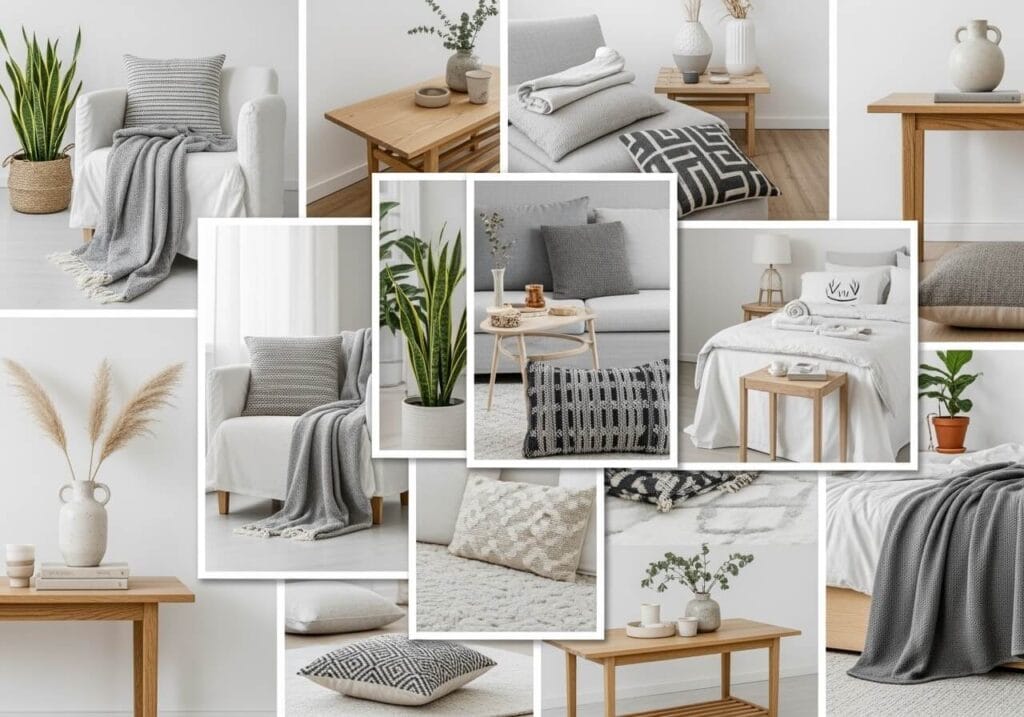

If you’ve been looking to update your living space in 2025 and beyond, Japandi style is one of the best interior design trends to embrace. Blending the timeless elegance of Japanese interiors with the warm, cozy simplicity of Scandinavian design, Japandi brings together minimalist furniture, natural elements, and a deep appreciation for craftsmanship and functionality.
If you’re decorating a Japandi living room, redesigning a kitchen, or simply adding Japandi decor to your home, this calming and balanced style might be exactly what you need.
What is Japandi Style?
Japandi is the beautiful marriage of Japanese aesthetics and Scandinavian interiors. The style combines the clean lines and minimalist approach of Japanese design with a neutral color palette and cozy, clutter-free spaces of Scandinavian style. The result is a home that feels both serene and lived-in, functional yet full of character.
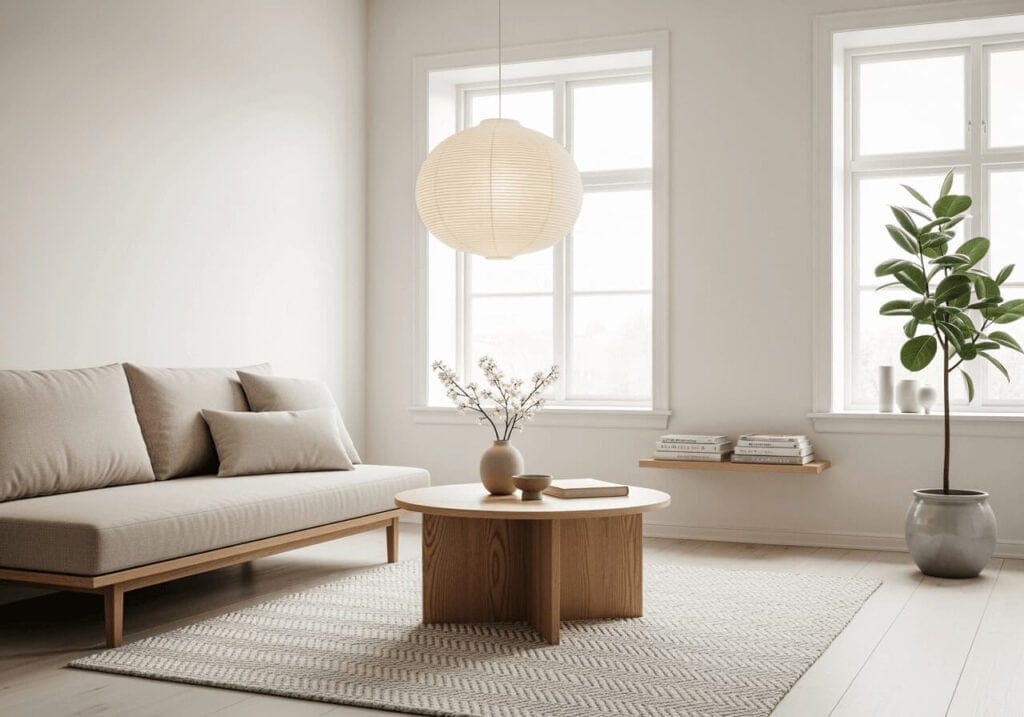
You’ll find natural light, neutral colors, wooden elements, and a focus on natural fibers and organic materials. Japandi isn’t just a style – it’s a philosophy for living well with less.
Key Elements of Japandi Interiors
To truly understand how to bring Japandi design into your own home, let’s break down its key elements:
1. Neutral Palettes
A soothing neutral palette is the foundation of Japandi interiors. Think beige, warm greys, off-whites, and earthy tones. These neutral hues create a sense of calm and let the natural materials in your space shine.
Try soft wall colors, neutral shades, or even an accent wall in a darker earthy tone for depth and visual interest.
2. Natural Materials and Textures
Japandi homes embrace natural fibers, wooden furniture, tatami mats, and tactile materials. Whether it’s a coffee table made from reclaimed wood or a linen throw, every piece of furniture should feel authentic and grounded.
Materials like bamboo, rattan, and cotton add warmth and texture while staying true to Japandi’s organic vibe.
3. Clean Lines and Simple Shapes
This design style thrives on simple design. You’ll notice simple lines, minimalist furniture, and decorative pieces that are more about function than flair. Furniture often sits low to the ground, reflecting traditional Japanese culture and design.
Add table lamps, pendant lights, or sheer curtains to keep things light and airy while maintaining that sleek silhouette.
Japandi Living Room Ideas
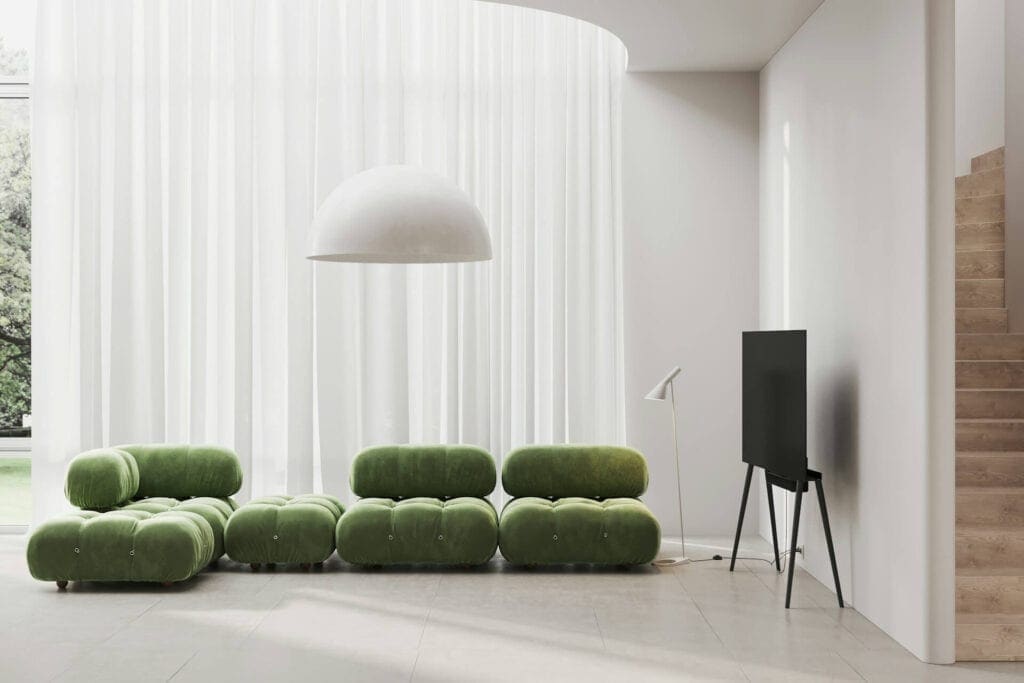
Designing a Japandi living room means focusing on tranquility and flow. Here’s how to decorate this space to perfection:
– Open Spaces & Air Quality
Keep your living area clutter-free and focus on open spaces. Good air quality is essential – bring in green plants like snake plants or peace lilies that purify the air and enhance the atmosphere.
– Mix of Materials
Create contrast with a mix of materials: smooth ceramics with raw wood, natural wood tones with dark woods, or soft fabrics against matte stone. This balance is central to Japandi aesthetics.
– Functional Design
Everything in your living room should have a purpose. Choose furniture that offers functional design, like storage ottomans or benches. A simple wooden panel or art piece can serve as a subtle decorative element.
Japandi Kitchens and Dining Areas
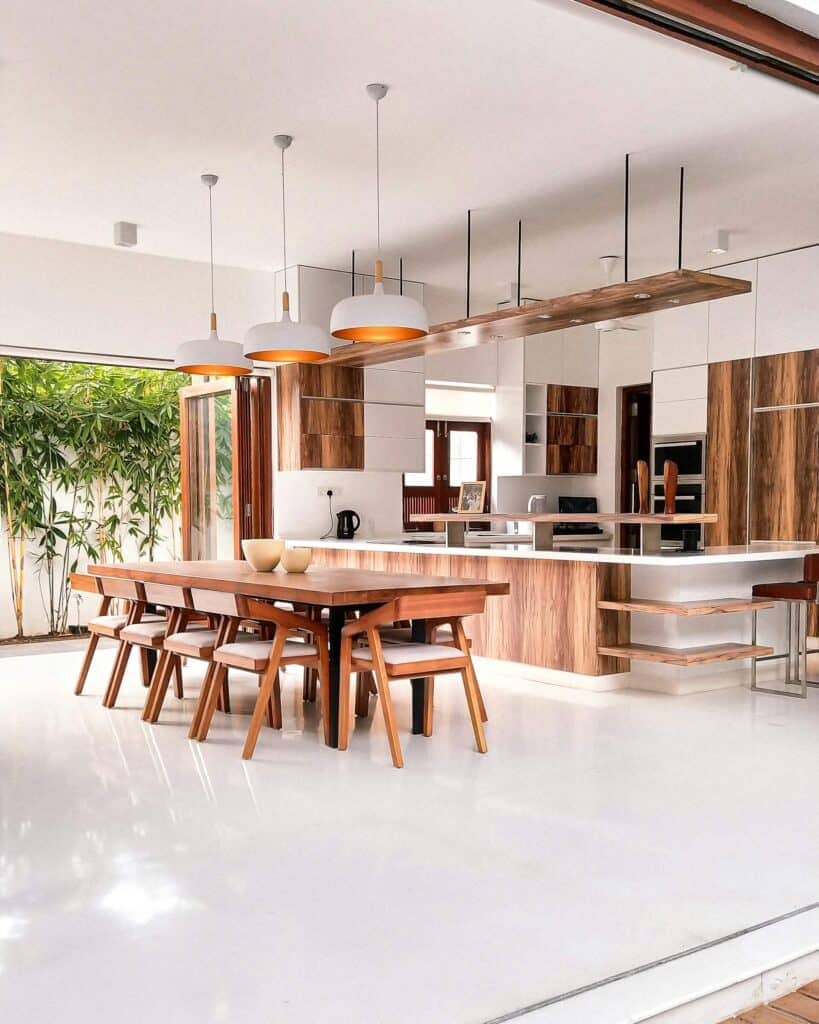
A Japandi kitchen is sleek, warm, and highly practical. Think Scandinavian aesthetics with Japanese minimalism.
- Use of Natural Materials: Choose wooden cabinets, stone countertops, and neutral tones for a harmonious blend.
- Lighting: Use pendant lights or lantern-style fixtures to create intimacy.
- Japandi Dining Table: A low-profile wooden table paired with soft linen or ceramic tableware delivers that timeless appeal.
Tip: Keep countertops clear and only display essential items or decor that brings joy.
Bedroom Serenity: Japandi Style Sleeping Space
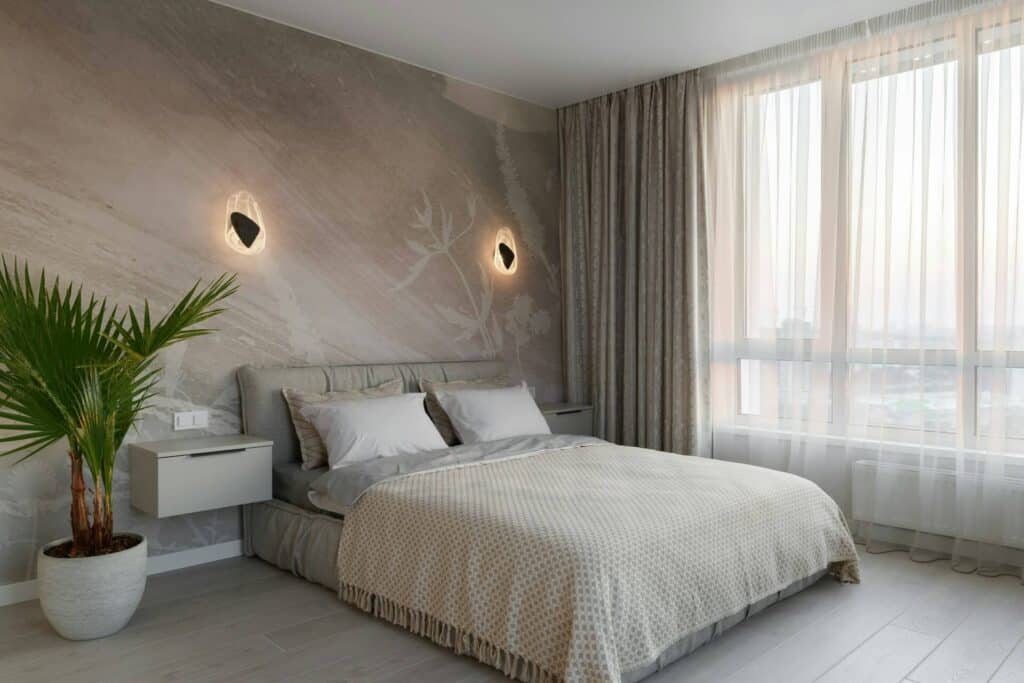
Creating a Japandi-inspired bedroom means designing a sanctuary.
- Low Furniture: Go for a low platform bed, possibly with a tatami mat underneath.
- Neutral Bedding: Choose natural fabrics like linen in muted tones.
- Green Plants: Add an indoor plant in the corner for that soft Japanese notion of bringing the outside in.
- Soft Lighting: A table lamp with a simple shape helps create a serene atmosphere.
The key here is restraint – don’t overcrowd the room. Every element should serve a purpose.
Small Spaces and Japandi Design
If you’re decorating a small space, Japandi style is a perfect match. Its focus on clutter-free spaces, multi-functional furniture, and simple design means you can make the most of every square inch.
Add a few key items:
- A neutral rug to ground the space.
- A slim wooden shelf for storage.
- A calming paint color to expand the room visually.
This is where the Scandinavian concept of coziness, also known as hygge, blends perfectly with Japanese minimalism to create a snug yet airy retreat.
Japandi Decor Tips: Finishing Touches
Ready to decorate with intention? Here are a few Japandi decor tips to elevate your interior style:
- Accent Wall: Paint one wall a rich, dark tone (like charcoal or forest green) to contrast with your neutral palette.
- Art Pieces: Choose pieces inspired by nature or wabi-sabi philosophy, which celebrates imperfection and the beauty of the unfinished.
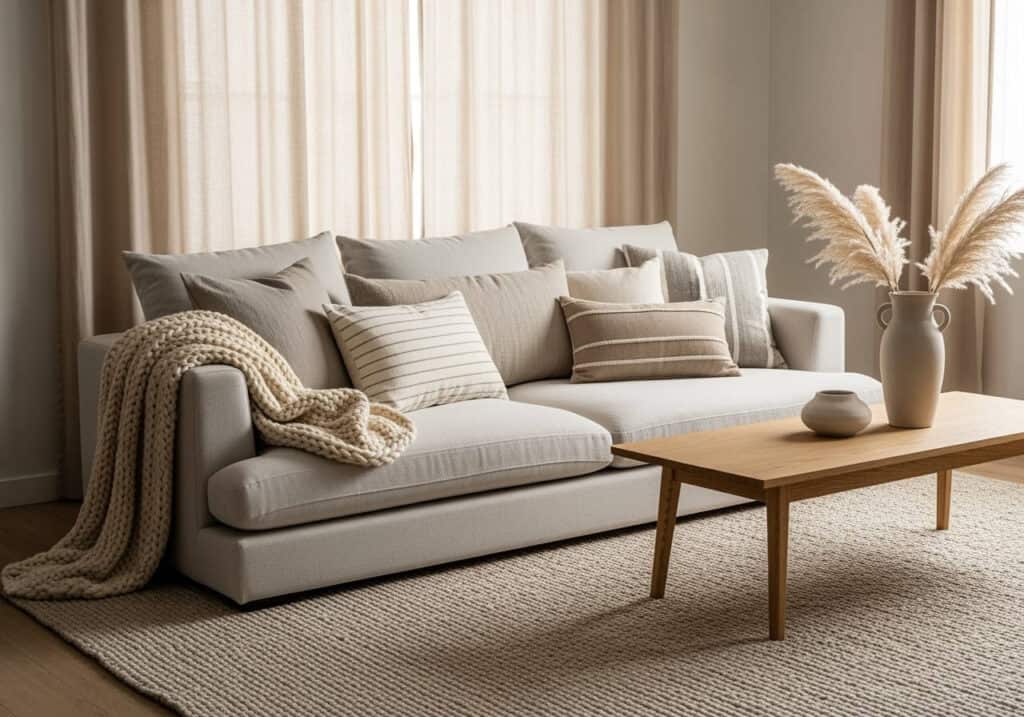
- Textiles: Add throws or cushions in organic materials like hemp or cotton. Keep patterns minimal or go for simple lines.
- Laila Rietbergen Inspiration: Look to stylists like Laila Rietbergen, whose Japandi styling often blends old-world charm with a fresh, modern edge.
- Functional Additions: Think tray tables, woven baskets, or decorative pieces that double as storage.
Why Japandi Works in 2025 and Beyond
As life gets busier and more chaotic, our homes become even more important. Japandi is a design style that prioritizes wellness, simplicity, and longevity. It’s not just about creating a pretty space, it’s about designing a home that supports your lifestyle.
With its test of time approach and emphasis on natural light, air quality, and emotional calm, japanese interior design styles are ideal for anyone looking to slow down and create a home that feels both grounded and elegant.
How to Get Started with Japandi in Your Own Home
Here’s a quick step-by-step to help you decorate in Japandi style:
- Declutter: Start by simplifying each room. Keep only what’s useful or beautiful.
- Choose a Neutral Base: Stick to neutral colors and layer in earthy tones.
- Add Natural Materials: Bring in wooden elements, tatami mats, stoneware, and natural fabrics.
- Keep Furniture Minimal: Opt for low furniture with clean lines.
- Embrace Imperfection: Let a worn wood texture or handmade ceramic plate be your statement.
- Focus on Atmosphere: Use lighting, scent, and plants to shape the mood of your space.
- Personalise: Finally, bring in one or two items that reflect your story – a piece of furniture passed down, a decorative element from a trip, or a unique art piece.
Japandi Interior Design & Decor Features Roundup Table
| Feature | Description |
|---|---|
| Color Palette | Soft neutrals, earthy tones, warm greys, beige, off-whites, charcoal accents. |
| Materials | Natural wood, bamboo, linen, cotton, stone, rattan, organic fibers. |
| Furniture Style | Low-profile, functional, minimalist, clean-lined wooden furniture. |
| Lighting | Pendant lights, table lamps, warm light tones, emphasis on natural light. |
| Textures | Tactile materials like woven textiles, natural fabrics, and textured ceramics. |
| Plants | Indoor greenery like snake plants, bonsai, ferns, and minimal arrangements. |
| Layout | Open spaces, flow-friendly layouts, clutter-free and breathable environments. |
| Accents | Simple decor, handmade art, wabi-sabi inspired objects, sheer curtains. |
| Key Concepts | Japanese minimalism, Scandinavian coziness (hygge), functionality. |
| Popular Elements | Tatami mats, wooden panels, dark woods, clean-lined coffee tables. |
| Design Philosophy | Calm, balance, timeless appeal, sustainability, and quality over quantity. |
| Wall Colors | Neutral shades, soft whites, pale greys, muted greens or blues as accents. |
| Pattern Use | Minimal or non-existent; focus on solid colors and natural textures. |
| Room Types | Works well in living rooms, bedrooms, kitchens, and small spaces. |
| Cultural Influences | Blend of Japanese aesthetics and Scandinavian interior design styles. |
Final Thoughts
Japandi style isn’t just a trend, it’s a meaningful approach to home design. By blending Scandinavian design’s warmth with the Japanese style’s intentional minimalism, you can create an elegant home that feels peaceful, grounded, and completely your own.
A Japandi-style home offers a range of benefits that go beyond aesthetics. By combining the simplicity of Japanese minimalism with the warmth and functionality of Scandinavian design, Japandi interiors create a calm, clutter-free environment that promotes relaxation and mindfulness. The use of natural materials and earthy tones enhances the feeling of being grounded and connected to nature, while clean lines and thoughtful layouts make everyday living more efficient and enjoyable. This style also supports sustainable living through quality-over-quantity choices, timeless decor, and eco-friendly materials, making your home not only beautiful but also built to last.
So if you’re wondering how to decorate in a way that will stand the test of time, let my Japandi style interior design guide help you. From the color on the wall to the coffee table in your living room, every choice becomes more intentional and more beautiful.
Ready to begin your Japandi journey? Browse through your home, find your next key feature, and let your inner calm reflect in every corner.