

A beautiful yard needs thoughtful tending. Beginner gardeners tend to hit plenty of bumps along the way. That’s normal but that’s exactly why knowing the common mistakes makes all the difference in the world.
This guide walks you through common gardening blunders and offers practical fixes to keep your outdoor space looking sharp year-round.
You will save both cash and sweat with these simple tips that help transform garden struggles into green thumb success.
1. Overwatering Greenery
Excessive moisture is among the most frequent cultivation mistakes. While signs are not always immediately visible, leaf discolouration and root deterioration often indicate problems.
Gardening maintenance experts say these issues arise when roots remain saturated for too long. This prevents them from absorbing vital nutrients.
A simple way to check soil dampness is to feel if it’s moist. Put your finger about 2.5 cm below the surface. If the earth feels wet, don’t add liquid. You can install a drip system for precise control. It will provide irrigation where it is most needed by plants.
Consider including flora that can withstand drought. These hardy cultivars establish robust root networks that allow them to flourish in both damp and dry conditions.
2. Neglecting Soil Health
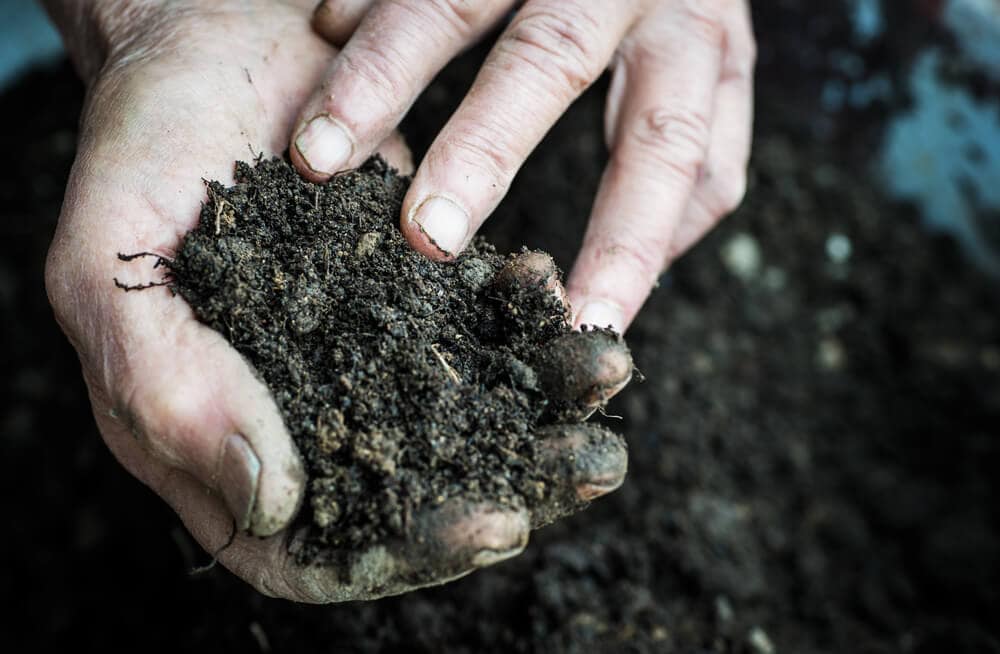
Good soil is the backbone of any garden. Rich soil helps plants grow strong and fight off weeds and diseases. You’ve got to keep an eye on it, though.
Testing your soil now and then lets you catch problems quickly and fix them. Mixing in some compost or other organic material works wonders. It feeds the plants and helps the soil hold water.
When you throw some mulch on top, you’re keeping moisture in, blocking those pesky weeds, and making everything look tidier, too.
3.Pruning at the Wrong Time
When it comes to trimming, the perfect timing matters significantly. Poor scheduling can reduce flowering or harm specimens beyond recovery. Different varieties require cutting at specific times in their growth cycle.
For example, the spring flowering bushes do best when you trim them right after the blooms fizzle out.
Keep your clippers sharp and clean for crisp cuts that heal quickly. Well-kept tools won’t tear plant tissues or spread diseases from one plant to another.
Таке a stroll through your garden regularly and snip away dead or damaged branches before trouble starts. This simple habit keeps your plants healthy and wards off pests and sickness.
4. Ignoring Weed Control
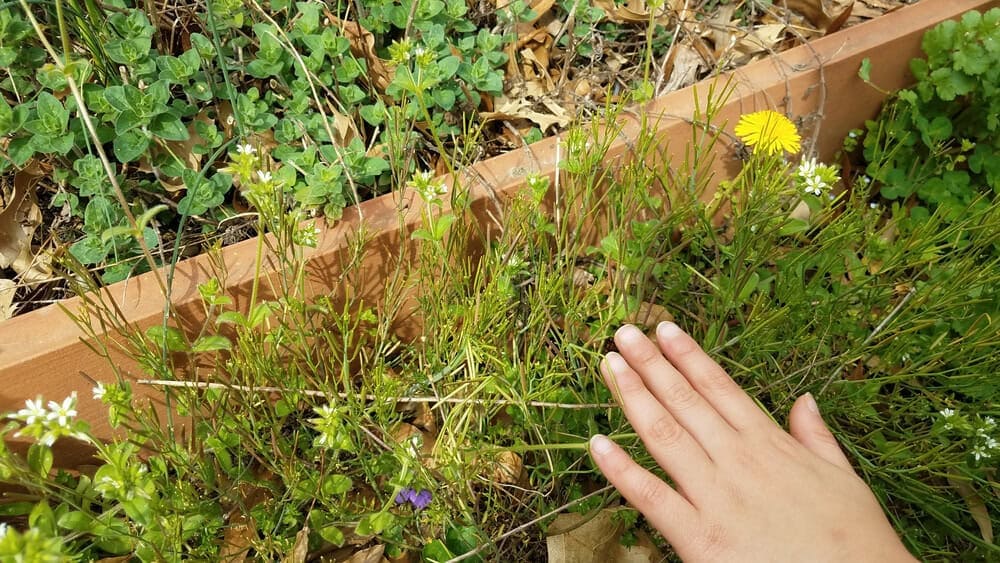
Invasive vegetation competes with cultivated specimens for vital resources. It stunts their development. Consistent removal helps nurture a vibrant landscape where desired flora has space to flourish.
A thick layer of mulch effectively controls unwanted growth and keeps the terrain moist. Gardening maintenance specialists recommend eliminating weeds by hand.
This will prevent them from spreading and keep your landscape tidy. Many people now prefer natural control methods that protect beneficial insects.
Common household items like vinegar can be just as effective as chemical treatments.
5. Overusing Fertiliser
While nutrients boost growth, excessive use can harm root systems and interfere with progress.
Always follow the instructions on the package. Slow-release products provide steady sustenance, promoting consistent development without requiring frequent treatments.
Natural alternatives also enrich the soil while supporting plant vitality. They create lasting results. Different specimens require varying elements throughout their cycles.
Understanding these things will enable you to create targeted feeding schedules.
6. Overcrowding Cultivars
Stuffing too many plants close together blocks air flow, and creates conditions for diseases and funky growths. Your green buddies need enough personal space to spread their roots and leaves. They need to soak up sunshine and food without elbowing their neighbours.
Before you plunk down new plants, do a quick check on how much elbow room they will want once they’re all grown up.
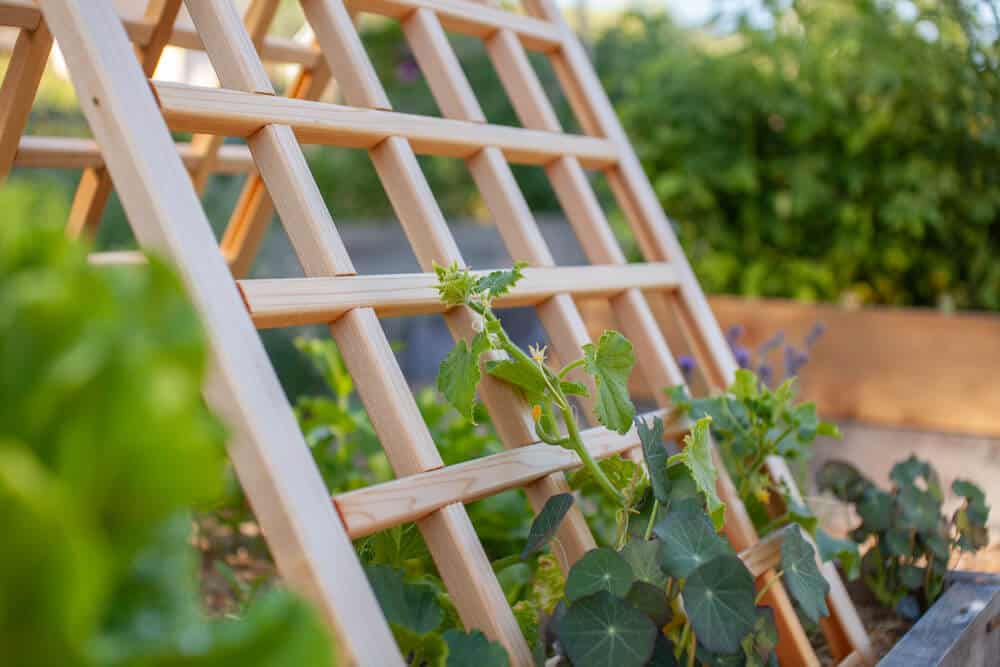
Even tiny gardens can host quite a variety if you think upward. Try to set up a Trellis, Arch or Wall Planters. It will encourage your climbing plants to reach higher.
7. Disregarding Light Requirements
Sunlight plays an essential role in botanical development. Each specimen has specific illumination needs, ranging from full exposure to deep shade.
Sun-loving varieties need at least six hours of direct sunlight daily. Shade-tolerant ones thrive with less exposure. Observe your landscape throughout the day to identify optimal locations based on how bright they are.
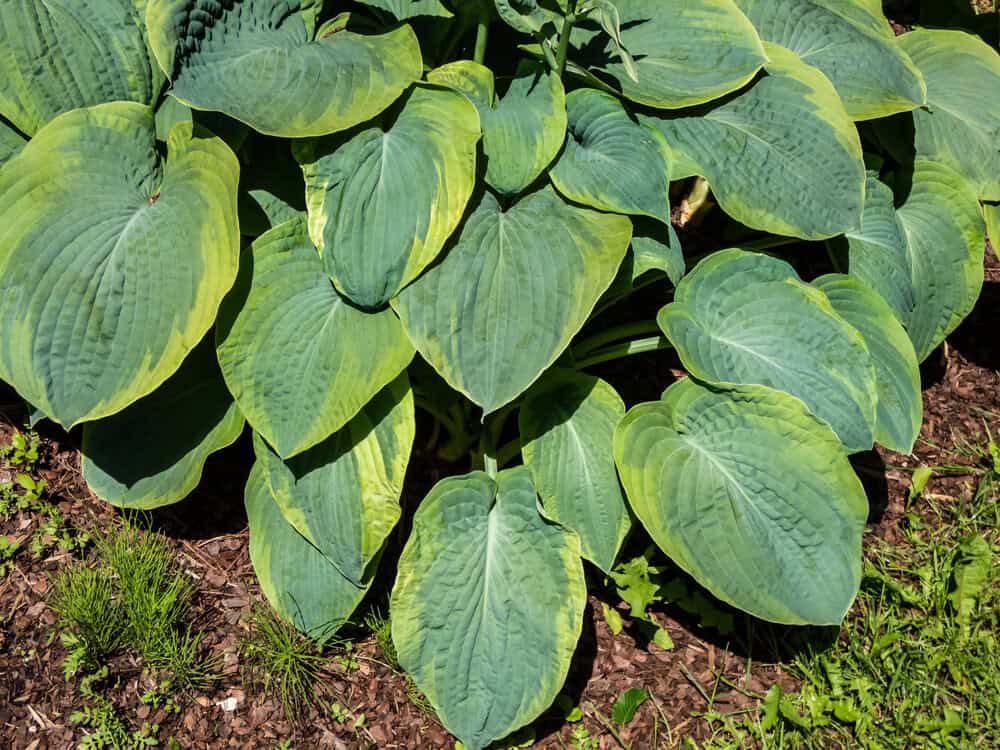
When working with shadowed zones, choose appropriate specimens like hostas, ferns, or foxgloves. These add colour and interest to darker spots.
If you have any container-grown ones, occasionally reposition them to ensure even light distribution.
8. Skipping Crop Rotation
The soil loses some nutrients when the same specimens are planted in the same location year after year.
Nutritional requirements vary among varieties. Some are heavy feeders while others help replenish the ground. Without rotation, the soil will get depleted faster.
Create a simple four-year plan. Start with legumes like peas and beans, which have special root nodules that capture nitrogen from the air and add it to the soil. Follow these with heavy feeders like leafy greens and brassicas that benefit from the enriched soil.
Next, add root vegetables that help break up the earth structure. Finally, grow light feeders like herbs. Only then can you start the cycle again.
This systematic approach maintains soil fertility naturally, breaks pest cycles, and reduces the need for chemical fertilisers. Keep a journal to track your rotations. Your plants and plot will thank you for it.
9. Overlooking Pest Problems
Bugs can really damage your plants. Keep an eye out for warning signs like weird holes or funky colours on leaves. Catching pests early makes all the difference.
Mother Nature often provides the best solutions. Those cute little ladybugs? They’re actually garden warriors that munch on troublemakers.
Plant flowers that attract these helpful critters to keep your garden’s ecosystem in balance. Strong, healthy plants naturally fight off pests better. Give them proper water, nutrients, and sunshine, and they will bounce back from bug attacks more easily.
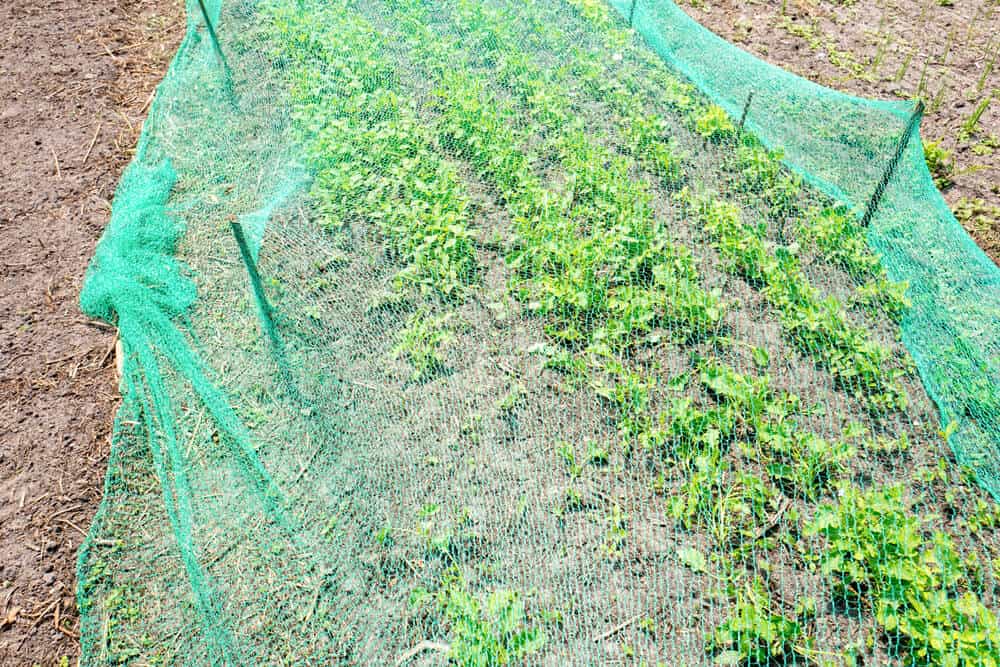
Physical shields like nets can protect your greens while still letting in light and breeze. Smart plant partnerships help, too. Scatter marigolds around to scare off unwanted visitors, or nestle basil near tomatoes to boost flavour and growth.
Try planting carrots with onions to confuse pests or let beans climb up corn stalks for natural support. These clever combos make the most of your garden space while keeping the bad bugs at bay.
10. Not Preparing for Seasonal Changes
Each season throws different curveballs at gardeners, but many folks stick to the same old playbook all year.
Before the chill sets in, shield your delicate plants with mulch, covers, or cold frames. Some green friends need to come inside, while others just need an extra blanket to weather the frost. Think ahead to make the most of every season.
Plant tough veggies like spinach, kale, and Brussels sprouts in late summer for winter eating. Early spring works great for peas and lettuce, while summer’s perfect for heat-hungry plants like tomatoes and peppers.
Switch up your garden habits as the seasons change. Water more when it’s hot and dry, but ease up when it’s cool and damp.
Don’t neglect your tools. They need seasonal care, too. Clean them after use, keep them sharp, and store them somewhere dry to prevent rust. Well-kept tools make garden work easier and safer.
Conclusion
So, there you have it!
Now you know how to avoid the most common pitfalls. Through the above tips, you can limit lots of binner errors and help your plants thrive.
Each change does add up, so before you know it, your garden will show some amazing results! Your gardening efforts do count, and they make all the difference between a semi-successful garden and a lush plot that brings you joy season after season.
Good luck and happy gardening!