

Pest control is an essential aspect of maintaining a safe and healthy living environment. Whether you’re dealing with insects, rodents, or larger wildlife, understanding pest behavior and effective management strategies can prevent infestations and protect your property. In this guide, we will explore six crucial tips to help you tackle pest issues effectively and sustainably. From identifying common pests to implementing preventative measures, our aim is to equip you with the knowledge you need for successful pest management, ensuring your home remains a peaceful sanctuary.
1. Identify Your Pests
Understanding the specific types of pests infesting your home is the first step in effective pest control. Each pest behaves differently and requires unique strategies for removal. Common household pests include ants, cockroaches, mice, and termites. Identify their presence through visual inspections, droppings, or damage they may cause.
Once you’ve identified the pests in your home, research their habits, lifecycle, and preferred environments. This knowledge will guide you in selecting the most effective treatment methods, whether it be traps, baits, or professional elimination services. Whether you need to remove ticks and fleas or get rid of larger pests like raccoons and bats, a professional pest control service can provide expert advice and assistance. They can also help identify potential entry points for pests and offer solutions to prevent future infestations.
2. Seal Entry Points
Preventing pests from entering your home is crucial in maintaining a pest-free environment. Inspect windows, doors, and the foundation of your home for any gaps or cracks that may serve as entry points. Use caulk, weather stripping, and screen repairs to seal off these potential openings.
Remember that pests can be quite resourceful, often finding their way through tiny spaces. Regularly checking and maintaining the integrity of your home’s exterior will further reduce the likelihood of unwanted guests making their way inside.
3. Maintain Cleanliness
Keeping a clean and tidy home is one of the most effective ways to deter pests. Regularly sweeping, vacuuming, and wiping down surfaces will remove food particles and spills that can attract pests. Focus on high-priority areas, such as the kitchen and dining spaces, where crumbs and residues are likely to accumulate.
Ensure that food is stored in airtight containers and that garbage bins are sealed. A clutter-free home not only discourages pests but also makes it easier to spot signs of an infestation early on. It’s also a good idea to regularly declutter and organize storage areas, eliminating potential nesting spots for pests. When it comes to pest control, prevention is key.
4. Implement Preventative Measures
Implementing preventative measures can save you from the headache of future infestations. Consider using pest repellents, such as peppermint oil or vinegar mixtures, that can deter various pests when applied to entry points and common nesting areas.
Beyond the household level, consider your yard and garden, as they can also attract pests. Regular yard maintenance, including trimming shrubs, removing standing water, and proper compost management, can create an environment less conducive to pest habitation. Make sure to inspect firewood and outdoor furniture before bringing them inside, as they may harbor pests. Once inside, these pests can quickly spread to other areas of your home.
5. Use Traps and Baits
When dealing with infestations, traps, and baits can serve as effective management tools. Choose the right type of trap for your specific pest; for example, sticky traps work well for insects, while bait stations can effectively trap rodents. Position them strategically in areas where you’ve observed pest activity.
It’s essential to monitor these traps regularly, disposing of captured pests promptly to prevent odors or secondary infestations. Be cautious with bait placement if you have pets or small children at home. Consider using humane traps and baits, which can capture pests without causing harm. This option allows you to release pests back into their natural habitat, reducing harm to both the environment and the potential risk of secondary poisoning.
6. Seek Professional Help
If your pest control efforts are unsuccessful or if the infestation is severe, it may be time to seek professional assistance. Pest control experts have the knowledge, tools, and experience to handle a wide range of pest issues safely and effectively.
Before hiring a service, research their reputation, certification, and treatment methods. A professional examination can also provide insights into potential weaknesses in your pest prevention strategies and offer long-term solutions for maintaining a pest-free environment. There are also many eco-friendly and sustainable pest control companies available, which use non-toxic methods to eliminate pests.
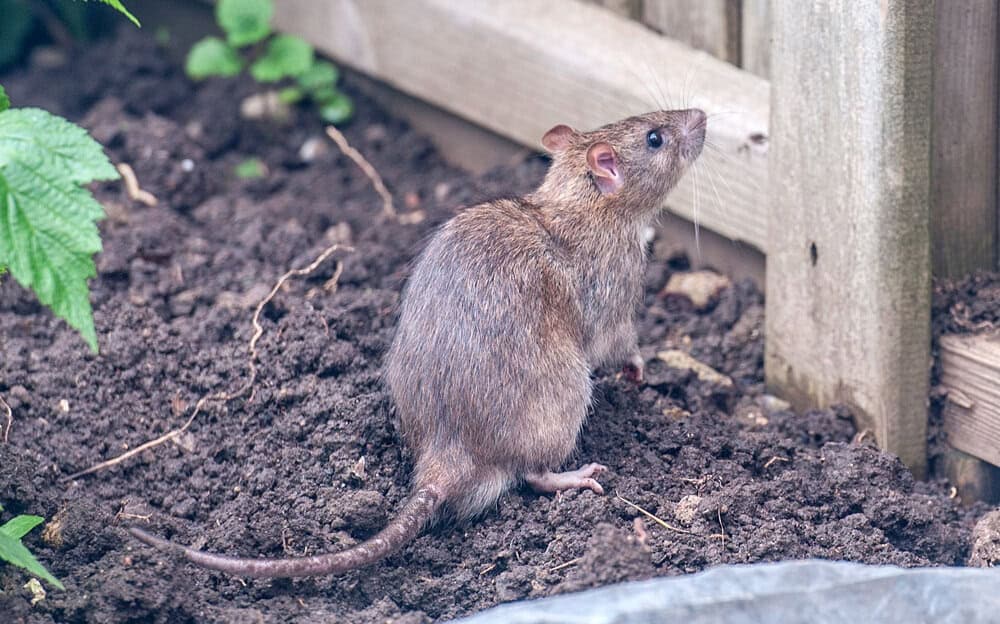
Effective pest control requires a multifaceted approach that combines education, prevention, and practical solutions. By implementing these tips, you can reduce the risk of infestations and protect your home from unwanted pests in a safe and sustainable manner. Remember to regularly monitor your home for signs of pests and take swift action if needed. With diligence and proper knowledge, you can maintain a healthy living space free from pesky intruders.