
Have you heard the rain in May saying? If not here it is – Rain in May makes June hay. Coming from a farming family this is one of the most popular sayings when we have wet weather in May! But when is the best time to make hay? Is there a right time of the year for cutting and baling it? Growing up on a farm, I’ve heard many kinds of ideas and tips for good hay crops. In this blog post, we are going to explore the best conditions to make good quality hay with high nutritional value.
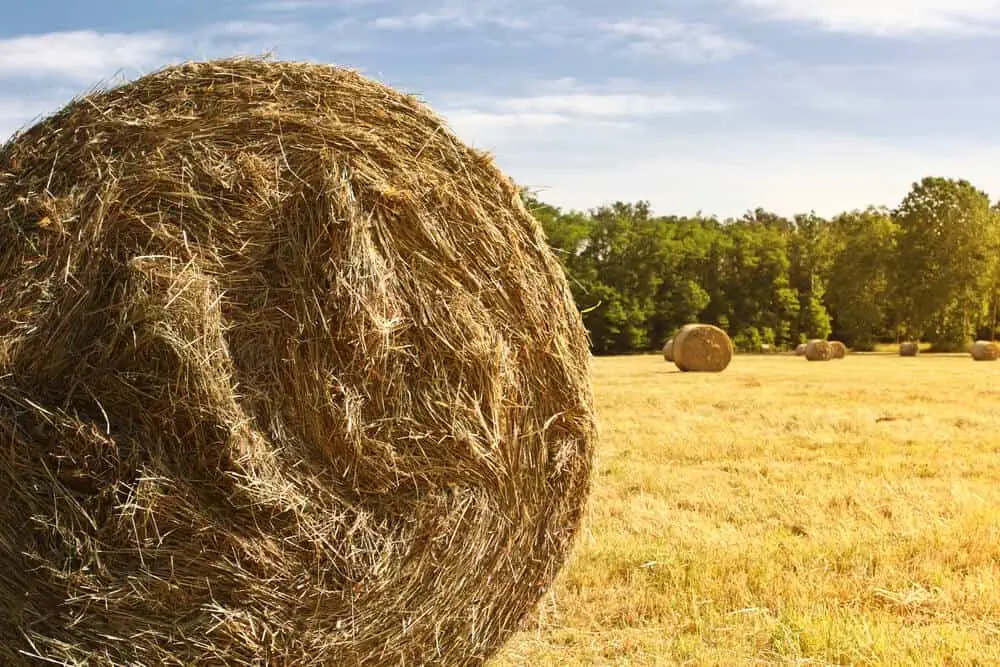
Timing is crucial when it comes to making your own hay. The right timing can mean the difference between nutritious hay and poor-quality hay that lacks nutrient content or is moldy and dusty. The best time to cut hay depends on several factors, including the type of forage, its maturity, weather conditions, and location. By taking these factors into account, farmers and ranchers can maximize the yield and nutritional quality of their hay, which is essential for their livestock’s health and productivity. I’ve put together these tips from various sources, including old farming books, tips from my late dad as well as research online.
Factors to Consider When Determining the Best Time to Make Hay
When determining the best time to make hay, there are several factors to consider. These include:
- Type of forage and its maturity: Different types of forage have different ideal maturity stages for harvesting. For example, grass hay should be harvested when it is still green and has not yet started to flower. Lucerne (Alfalfa), on the other hand, should be harvested when it is in the early bloom stage, as this is when it has the highest nutrient content. If you are not sure what Lucerne is it’s a crop grown to feed livestock.
- Green but not yet flowering is the best time to harvest grass or Lucerne ( Alfalfa in the USA): At this stage, the forage has the highest nutrient content and is still relatively easy to dry. Once the plant starts to flower, the stem becomes woody and the nutrient content decreases. Farmers and livestock owners looking to maintain feed quality often turn to reliable online agricultural platforms to buy lucerne hay. These platforms connect buyers directly with trusted suppliers, making it easier to source fresh, nutrient-rich hay that supports animal health and productivity.
- Maximizing curing time in high rainfall environments: In areas with high rainfall, it’s important to maximize curing time to reduce the risk of mold and spoilage. This can be done by cutting the hay earlier in the day when the dew is still on the grass, using a mower-conditioner to speed up the drying process, and turning the hay regularly to ensure even drying.
- Optimal time of day to cut hay: Studies have shown that cutting hay in the late afternoon or early evening can result in higher nutrient content compared to cutting in the morning. This is because the plant has had more time to photosynthesize and produce sugars, which are important for the nutrient content of the hay. However, it’s important to balance this with the need to maximize curing time, especially in high rainfall environments.
Tips for Improving Hay Production
Improving hay production can be a challenging task, but there are several tips that farmers can follow to increase their yield and improve the quality of their hay. Some of these tips include:
- Use a mower conditioner: A mower conditioner is a machine that cuts and crimps the hay, which helps to speed up the drying process. This can be particularly useful in areas with high humidity or rainfall.
- Soil testing and fertilization: Soil testing can help determine the nutrient content of the soil and identify any deficiencies that need to be addressed. Fertilization can then be used to correct these deficiencies and promote healthy growth of the forage.
- Proper storage: Proper storage of hay is essential to prevent spoilage and maintain the nutritional quality of the hay. This includes storing the hay in a dry, well-ventilated area and avoiding stacking bales too high, which can cause them to collapse and spoil.
- Learn the entire hay making process: Learning how to do the entire hay-making process, from planting to baling, can help farmers and ranchers identify areas where they can improve their practices and increase their yield.
When to Make Hay in Different Locations
The timing of hay making can vary depending on the location and climate. Here are some typical times for the first cutting of hay in different locations:
- UK: In the UK, the first cutting of hay typically takes place in late May or early June. This is when the grass is at its optimum growth stage and has a high nutrient content.
- USA: In the USA, the timing of hay making varies depending on the region. In the Midwest, for example, the first cutting of hay typically takes place in late May or early June, while in the southern states, it may be earlier in the year.
- France: In France, the timing of hay making also varies depending on the region. In the south of France, the first cutting of hay typically takes place in May, while in the north, it may be later in the year.

Other factors that may affect the timing of hay making in different locations include:
- Climate: Areas with high rainfall or humidity may need to cut their hay earlier in the day to maximize curing time and prevent mold and spoilage.
- Soil type: Different soil types may affect the growth and maturity of the forage, which can impact the timing of hay making.
- Altitude: Areas at higher altitudes may have a shorter growing season, which can affect the timing of hay making.
- Type of forage: Different types of forage may have different ideal maturity stages for harvesting, which can affect the timing of hay making.
Can You Make Hay in May?
Yes, it is possible to make hay in May if you have good weather. Also depending on the location, climate, and type of forage you’ve grown. In some areas, May may be the ideal time to make the first cutting of hay, especially for cool-season grasses like Timothy or Orchard grass. However, in other areas with warmer climates or different types of forage, the ideal time for making hay may be late summer. It’s important to take into account factors like weather conditions, soil moisture, and the maturity of the grass when deciding whether or not to cut hay in May.
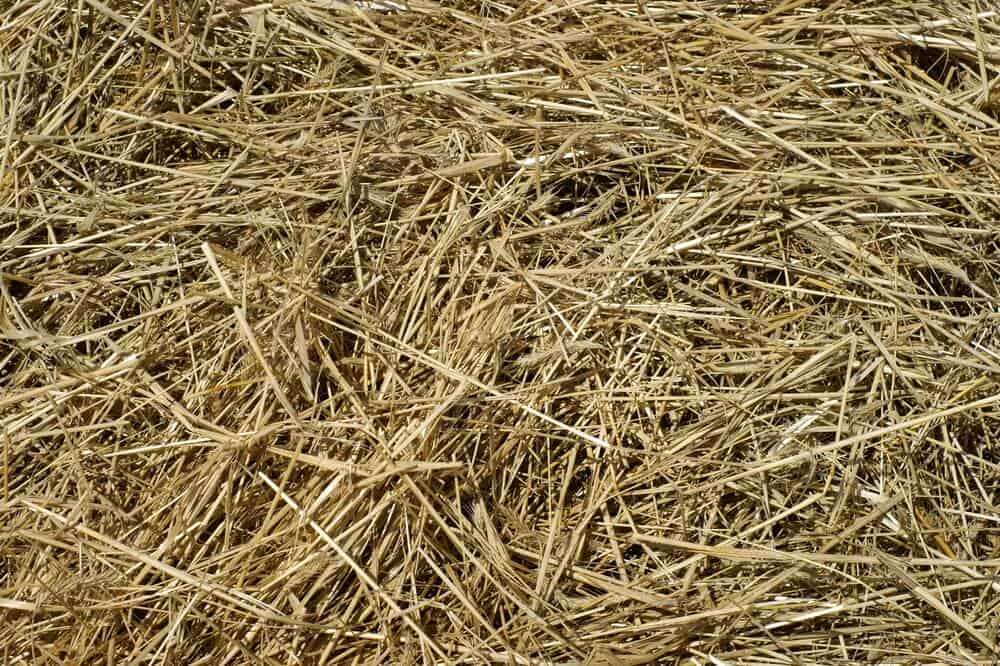
Can You Use The Same Field For Two Crops of Hay In The Same Year?
If the first cutting is taken early enough in the season, it may be possible to take a second cutting later in the year. However, if the first cutting is taken too late, there may not be enough time for the forage to regrow before the end of the growing season in early fall.
What Is The Best Species of Grass for Making Hay For Livestock In The UK?
In the UK, the best species of grass for making hay for livestock will depend on the specific location, climate, and soil conditions.
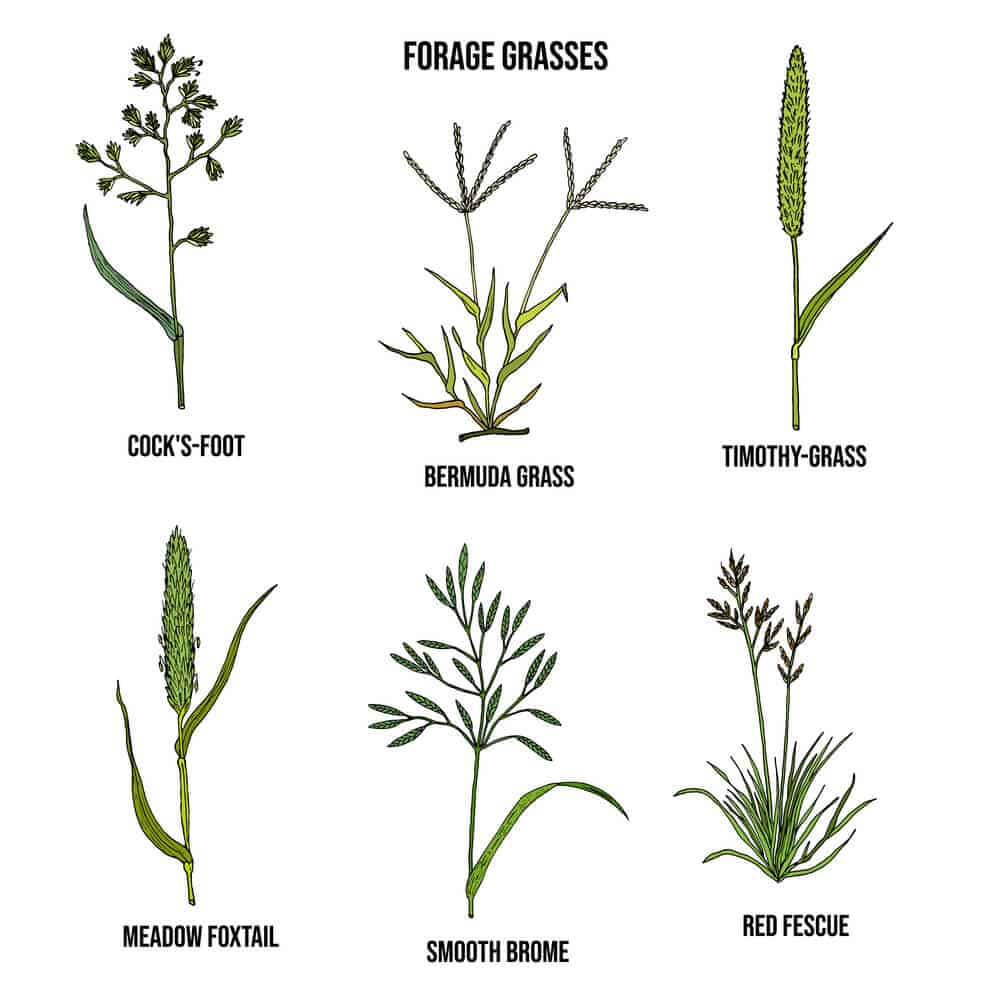
However, some of the most commonly used grass species for hay production in the UK include:
- Timothy: Timothy is a cool-season grass that is commonly used for hay production in the UK. It is highly palatable to livestock and has a high yield potential.
- Meadow fescue: Meadow fescue is a cool-season grass that is commonly used for hay production in the UK. It is highly palatable and has a high nutrient content.
- Ryegrass: Ryegrass is a cool-season grass that is commonly used for hay production in the UK. It has a high yield potential and is highly palatable to most livestock.
- Meadow foxtail: Meadow foxtail is a cool-season grass that is commonly used for hay production in the UK. It is highly palatable and has a high yield potential.
- Smooth-stalked meadow grass: Smooth-stalked meadow grass is a cool-season grass that is commonly used for hay production in the UK. It is highly palatable and has a high nutrient content.
It’s important to work with a local agronomist to determine the best species of grass for your specific location.
Hay Cutting
Cutting hay with a mower is a common practice in hay production. A mower is a machine with a rotating blade that cuts the forage at the optimal maturity stage for hay production. The forage is then left to dry in the field for a period of time, depending on the weather conditions, before it is baled for storage.
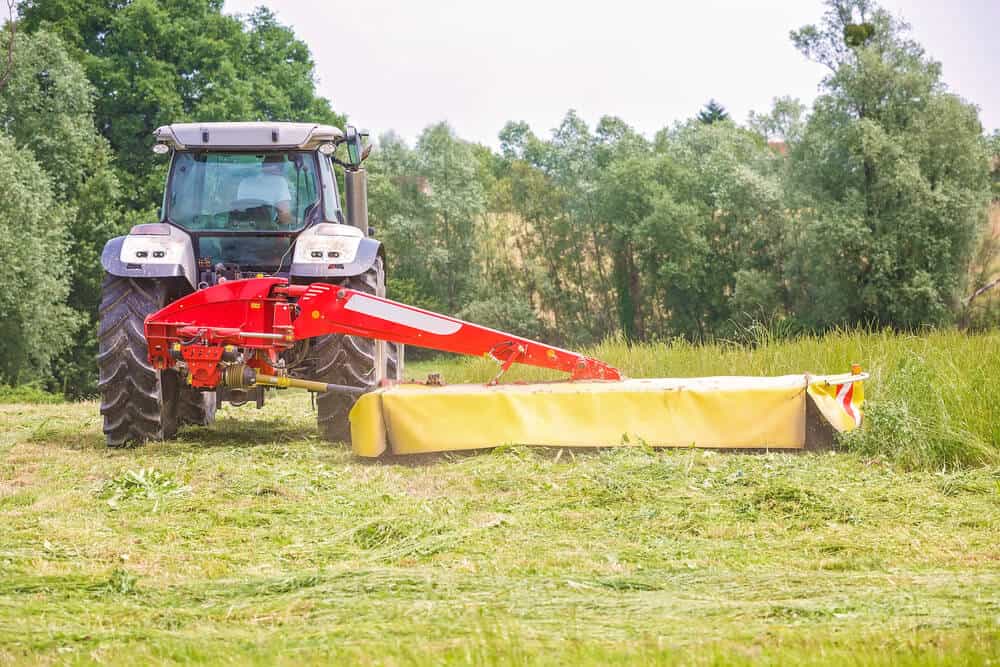
The use of a mower conditioner helps to speed up the hay-making process and ensures that the forage is cut at the optimal stage for maximum yield and nutritional quality. However, it’s important to use the right type of disc mowers (and not lawn mowers!) for your specific needs and to maintain it properly to ensure optimal performance.
Small farmers may share older style sickle bar mowers between them. This will save money, however, when the weather forecast is good, everyone will want to be cutting their hay at the same time! My dad used to do this, as he only needed to hay cut once a year for enough hay to see him through the winter months.
Hay Turning
Hay turning is an important step in the hay-making process that helps to ensure that the forage dries evenly and thoroughly. After the hay has been cut with a mower, it is left to dry in the field for a period of time.

During this time, the hay needs to be turned periodically with a tedder when the sun shines to ensure that all sides of the bale receive equal exposure to the sun and air. This helps to prevent mold growth and spoilage and ensures that the hay retains its nutritional value. The frequency of turning the hay will depend on the weather conditions and the type of forage being harvested.
In general, hay should be turned when the top layer is dry but the bottom layer is still damp. Drying time is important for the best hay. So in theory you need 4 dry days to cut, dry and bale your hay. Keep an eye on that sunny weather for your hay fields!
Hay Baling
Hay baling is the process of compressing and binding hay into bales for storage and transportation. After the loose hay has been cut and dried, it is gathered into drams using a rake or tedder. The hay is then picked up using a baler, which compresses the hay into a tight bale and binds it using twine or netting.
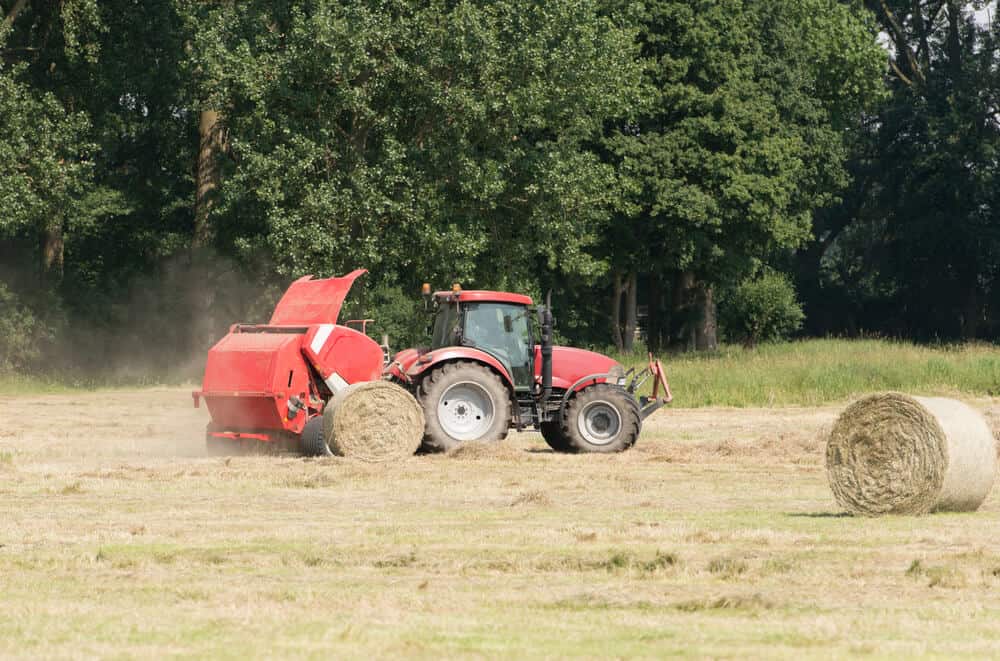
The size and weight of the bales can vary depending on the type of baler used and the needs of the farmer. Small square bales are typically used for small-scale operations or for feeding individual animals, while large round bales or large square bales are used for larger operations and for feeding groups of animals. You will need a tractor and loader for moving these bales.
After the bales have been made, they are typically stored in a dry, well-ventilated area to prevent mold and spoilage. Proper baling techniques are essential for ensuring that the hay retains its nutritional value and is safe for livestock consumption.
Making Hay Timeline
Day 1: Cut the hay early morning. Then around 4 hours later give the hay its first turn to loosen up the drams of wet grass.
Day 2: Do nothing!
Day 3: Give it a turn in the morning and then again in the afternoon. There are plenty of daylight hours in the summer for faster drying of cut forage!
Day 4: Check the hay – does it have a crunchy feel? If so it’s ready to bale! So get your hay tuner machine set to dram the hay back into lines for the baler. Then bale!
How Do You Store Hay?
Storing hay properly is essential for ensuring that it retains its nutritional value and is safe for livestock consumption and for fire safety.

Here are some steps to follow when storing hay:
1. Choose a dry, well-ventilated area: Hay should be stored in an area that is dry and well-ventilated to prevent mold and spoilage. Hay barns or a covered shed is ideal for storing hay.
2. Elevate the hay: Storing hay on pallets or a raised platform can help to prevent moisture from seeping into the bales.
3. Stack the bales properly: When stacking bales, make sure to stack them tightly and evenly to prevent them from shifting or collapsing. It’s also important to stack bales in a way that allows for proper air circulation.
4. Protect the hay from the elements: Covering the hay with a tarp or other protective covering can help to prevent moisture from getting into the bales and causing mold or spoilage.
5. Inspect the hay regularly: It’s important to inspect the hay regularly for signs of mold, spoilage, or insect infestation. Any bales that show signs of damage should be removed and discarded.