
If you’re a horse owner, small farm enthusiast, or just someone navigating the wide world of hay, understanding the ins and outs of square hay bales can make a big difference. From small square bales to large square bales, the choices you make affect not just storage and transport, but also bale weight, nutrient content, and more. So, let’s take a look at this farming essential and dig into everything you need to know about square hay bales.
What Is a Square Hay Bale?
A bale of hay is essentially compressed and bound dried grass or legumes like alfalfa. Bales come in a variety of different shapes, but square bales, both small and large are among the most common types. When people talk about square baling, they’re referring to the method of compressing hay into rectangular forms using a square baler.
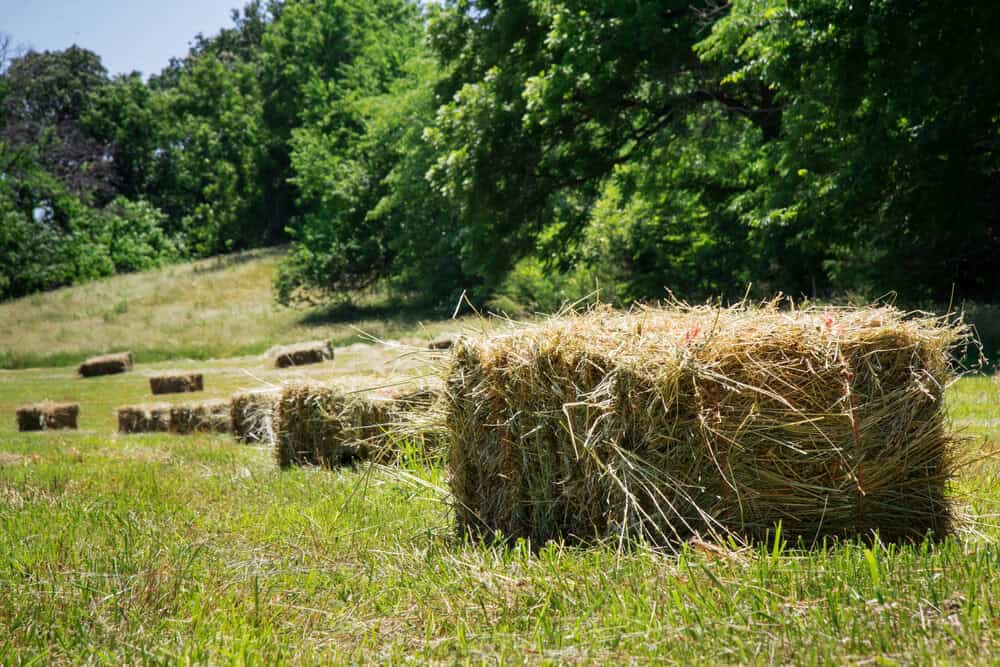
Square hay bales come in two main sizes:
- Small Square Bales: These usually weigh between 50-60 pounds, are easy to handle by hand, and are ideal for small farms, horse owners, or those feeding a few animals.
- Large Square Bales: Much heavier, these can weigh anywhere from 800 to over 1,500 pounds and typically require machinery like a stack wagon or tractor to move.

Square vs. Round Bales
One of the biggest hay debates is square vs. round. So which is the best fit for your needs?
| Feature | Square Bales | Round Bales |
|---|---|---|
| Shape of the Bale | Rectangular | Cylindrical |
| Ease of Handling | Small square bales are manageable by hand | Require machinery (especially large round bales) |
| Storage | Stack more efficiently in hay barns | Less efficient stacking, often outdoors |
| Feeding | Ideal for daily feeding in small portions | Better for large herds or bulk feeding |
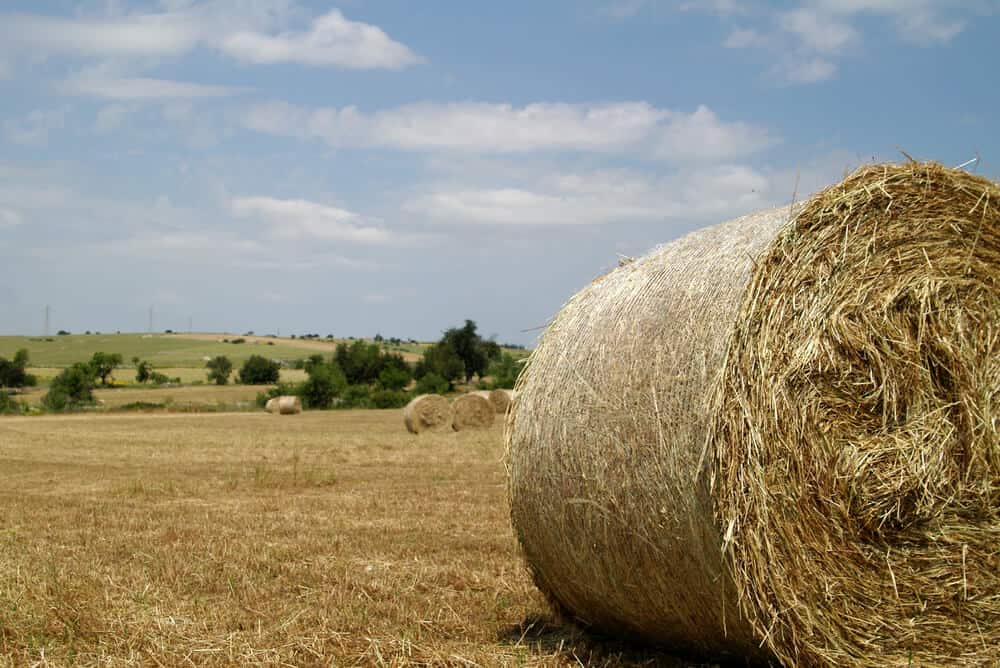
Large round bales are great for big operations, but for horse owners and small-scale users, small square hay bales are often the best bet.
Types of Bales & Bale Density
When choosing a bale, think about the type of bale, bale density, and nutrient content. Alfalfa bales, for example, tend to be high in protein and perfect for horses or lactating animals. Loose hay might still have good nutrition, but doesn’t store or feed as neatly.
Bale density matters, too. A tightly packed small square bale can weigh more than a loosely packed larger one, even if the bale length looks the same. If you’re trying to measure by the pound of hay, this is worth keeping in mind.
How Much Does a Square Bale Weigh?
Great question! The answer depends on the type of hay, moisture level, and how it was baled. Here’s a rough guide:
- Small Square Bales: 50–60 pounds
- Large Square Bales: 800–1500 pounds
Use this as a support article when buying hay, and don’t be afraid to ask your hay producer for specifics.
Making & Moving Square Bales
If you’re making your own bales, having the right baling equipment is crucial. Modern small square balers make the process smoother and more efficient, while large square balers are best suited to bigger farms.
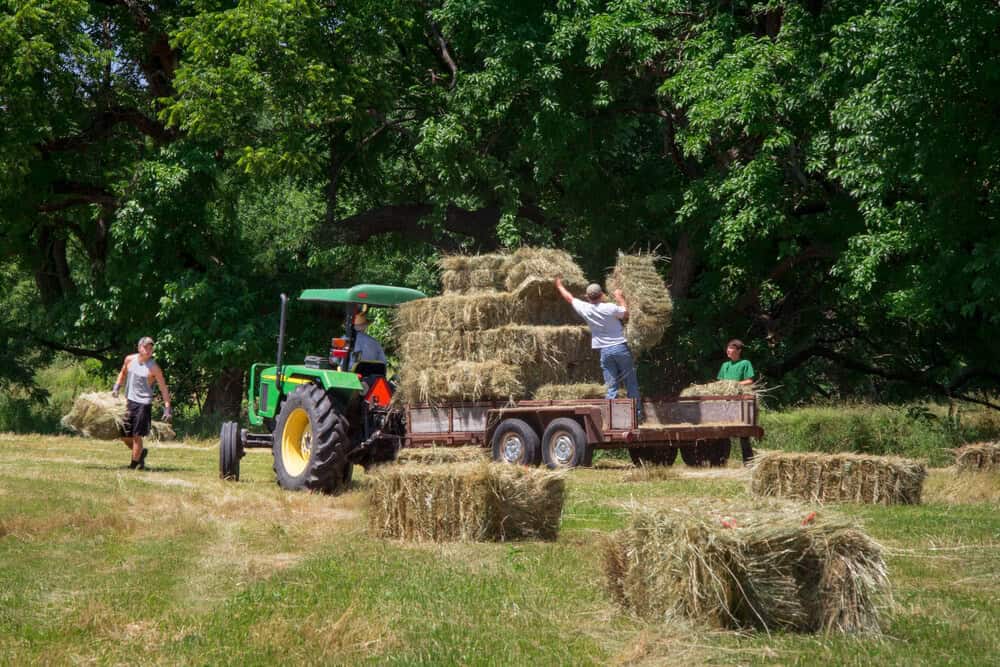
For handling bales, whether by hand labor or machine, tools like a cw bale opener, baling twine, and even new machinery can save you less time and a lot of effort. If you’re someone who loves efficiency with super-human speed, you’ll appreciate the ease modern baling tech brings.
How to Choose the Best Square Bale
When looking at bales of hay for sale, it’s important to consider:
- Bale Size: Small for hand-feeding, large for bulk.
- Nutrient Content: Ask about the type of hay – alfalfa, grass, clover, etc. Does it contain lots of weeds?
- Shape and Density: A well-formed, tightly packed bale lasts longer.
- Current Prices: Check a varity of listings for United States or UK regional averages (depending where you are in the world).
- Amount of Hay Needed: Know your needs per week/month so you can buy accordingly.
Terms of Size and Sale
Understanding terms of size is helpful when navigating hay listings or speaking with a seller. Some might refer to “pieces” when discussing smaller flakes from a small square bale, or use “wide x” and “high x” to describe large bale dimensions.
Keep an eye out for keywords like:
- Perfect bales – Uniform size, dense, and good colour
- Square bale pros – Easy storage, predictable portions, hand manageable
- Best way or best fit – Subjective, but depends on your specific use
Storing Square Bales
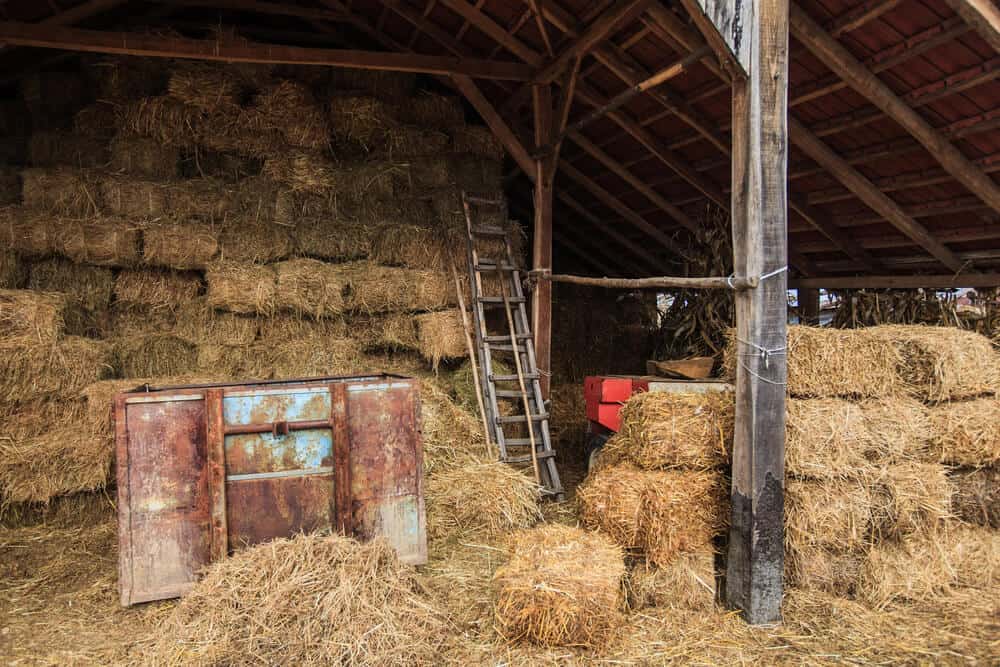
Once you’ve got your hay, storage is the next step. Keep your hay barns well-ventilated to prevent moisture buildup, which can cause mold. Stack small square hay bales in a criss-cross pattern to allow airflow, or use a stack wagon if you’re dealing with larger bales. If you’re a hay producer, your storage layout also affects your efficiency.
Bonus Tips for Buyers
Still wondering how to make the right decision?
- Search “square hay bales for sale” in your area using your web browser
- Look for sellers who provide bale images, nutrient content, and weights
- Consider support articles on hay quality, feeding routines, and safety
- Ask: How much does each bale weigh? Is it treated? Any dust or mold?
- Check if there are different ways of bundling or shipping, especially if you’re ordering from across the United States
Final Thoughts
If you’re stocking up for winter or just starting out with a few animals, square hay bales are a classic choice that offer versatility, ease, and value. With so many types of bales, bale sizes, and current prices out there, your best way forward is to stay informed and ask questions.
And remember there’s no one-size-fits-all solution. Your best fit depends on your needs, budget, and setup. So take your time, explore, and choose the type of bale that makes life easier for both you and your animals.
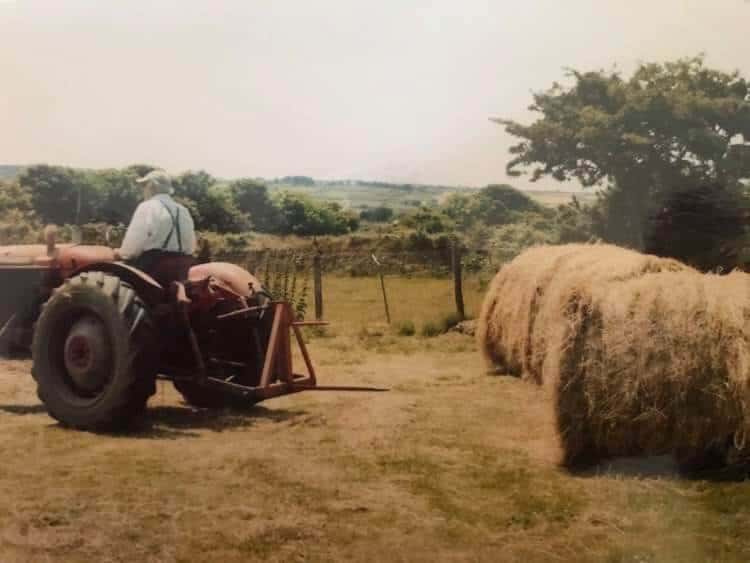
This is my late dad moving our round hale bales back in the early 2000s. Growing up on a small holding during the summer and hay season was the best!