

A well-organized bathroom can become a real sanctuary where you can not only wash, but also regenerate. However, it must be properly prepared so that it not only allows for comfortable use, but also guarantees waterproofing.
- How to protect the bathroom floor from the harmful effects of water?
- Modern bathroom tiles – what are the types of bathroom tiles and which is the best to choose?
- How to choose a shower drain for floor tiles?
- How to install shower drain in a bathroom with wall and floor tiles?
How do you make sure that your dream bathroom is not only beautiful, practical and functional, but also resistant to the damaging effects of water? Let’s try to learn a little more about this subject.
How to protect the bathroom floor from the harmful effects of water?
The bathroom is an essential room in any home, but one in which special care must be taken to protect it caused by water. After all, moisture can lead to really serious damage, which is very expensive to repair. Therefore, it is better to take care of them already at the stage of construction of the bathroom.
The first step to take is to clean the floor of all kinds of dirt and dry it. Then you can choose the right waterproofing agent. It should be tailored to the specific and individual needs of the room. After that, you can already apply the primer.
It is very important, because it increases the effectiveness of waterproofing agents and makes the whole thing solid and durable. When the primer dries, you can apply a product that seals the joints in the floor.
Places such as the connection between the floor and pipes, drains, and corners are prone to leaks, so care must be taken to seal them. When you’re done, make a text by pouring water on the floor. This way you can make sure that there are no leaks. You can lay any ceramic or porcelain tiles on the surface.
Modern bathroom tiles – what are the types of bathroom tiles and which is the best to choose?
The most popular are porcelain and ceramic tiles. They are suitable both as decoration and protection of bathroom walls, and as finishing elements of bathroom floors. Both porcelain and ceramic tiles are a very popular and well-liked choice. However, they are not the only option.
Natural stone tiles, such as marble tiles, are an interesting choice. This is an expensive solution, also requiring proper care and maintenance. However, it gives an amazing aesthetic effect. Marble is a stone associated with splendor and luxury, which fits perfectly into modern, minimalist interiors.
For fans of slightly more eye-catching and colorful solutions, mosaic tiles will be a good choice. It is worth using them to create smaller arrangements. Those in need of maximally durable tiles that will not wear out or scratch quickly should bet on slate tiles. These are durable products available in many colors.
When choosing floor and wall tiles, one should not be guided solely by current trends. Of course, it is pleasant to have a modern, fashionable bathroom. However, it should be remembered that most often a bathroom arrangement is made for many years. Therefore, it should be nice and timeless.
How to choose a shower drain for floor tiles?
If your bathroom is covered with tiles, you should choose a tileable shower drain. This is a solution created just for floors of this type. As a result, it provides maximum protection against leaks and blends in perfectly with the overall design. Keep in mind that the shower drain must be exactly matched to the tiles that are on the floor of your bathroom. After all, the right fit depends on whether the whole thing will work well.
Some shower drains, for example, cannot be combined with ceramic tiles, while others do not match porcelain bathroom tiles at all. You therefore have to be very careful, so as not to spend money down the drain.
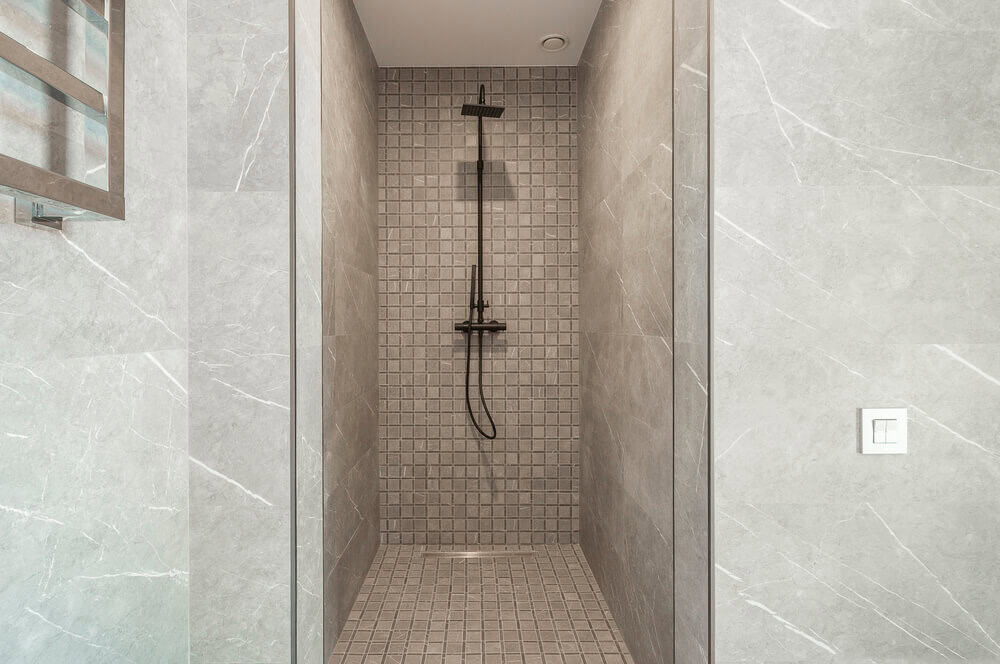
How to install a shower drain in a bathroom with wall and floor tiles?
Installing a shower drain is not at all difficult. Once you have chosen a suitable place for installation, you need to clean and dry the space. Then you can determine the height of the drain so that the tiles are laid in such a way as to ensure water drainage. The thickness of the adhesive should not be forgotten. The next step can already be the insertion and proper fitting of the built-in kit. The drain should be connected to the drain pipes and their tightness tested.
The whole thing should be sealed later anyway, using appropriate products such as sealant pastes. After installing the entire shower drain, you can start laying tiles. It is necessary to ensure the slope. It should be a minimum of 2%. This will allow the water to flow freely.
Then you need to seal the joints, including the one between the drain and the tiles – you need to ensure that there is enough space to pour it at this point. Keep in mind that when installing the shower drain, you must first of all stick to the manufacturer’s recommendations. The choice of other products, such as sealants, and the next steps should depend on them.