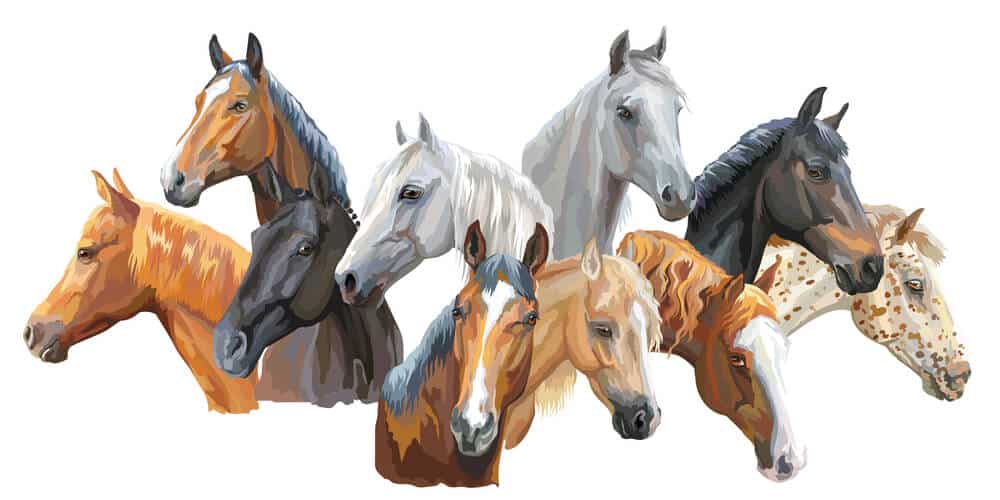
Hey there, horse lovers! If you’ve ever found yourself musing over the perfect name for your four-legged friend, you know it’s not just a tick on your to-do list. It’s a chance to tip your hat to their unique character, their lineage, and, let’s be honest, a bit of your own flair too.
Now, if you let your imagination trot over to Africa, you’ll find yourself amidst a kaleidoscope of cultures and dialects, each with its own vibrant collection of names. These aren’t just any names; they’re woven from the rich narratives and stunning vistas that Africa is known for.
Picture this: a great name that captures the spirit of Africa’s grand landscapes, the depth of its tribal languages, or the distinctive qualities of your horse. It’s like each name has its own life story, ready to blend with your horse’s personality and give them a place in a grander tale.
Maybe you’re looking for something that reflects your horse’s lightning speed or impressive stature, or perhaps a name that’s as sleek as their shiny coat. Whatever you’re after, African names have got it all – resilience, elegance, and that untamed African spirit.
Choosing an African name for your horse is like opening a book to a world of profound cultural stories. It’s not just about making an impression – it’s about connecting with the heart of Africa.
And remember, in many African cultures, horses are more than just animals; they are partners in life’s journey, be it in work, travel, or spiritual events. So, when you name your horse, you’re doing more than just giving them an identity – you’re honoring a deep-seated tradition and the timeless bond between horses and humans. Let’s embark on this naming adventure together, shall we?
History and Significance of Horse Naming
The names given to horses in Africa are steeped in history and resonate with cultural significance. From the first horses tamed in ancient times to the present, these names reflect a deep connection between these animals and the people who name them.
Ancient Traditions
The first horses in Africa played vital roles in transport, agriculture, and warfare. In ancient times, naming a horse could be a reflection of its attributes, its deeds, or its owner’s aspirations.
The perfect name for an African horse is often derived from the horse’s qualities, like speed or strength, or from its colouring and markings.
Cultural Significance
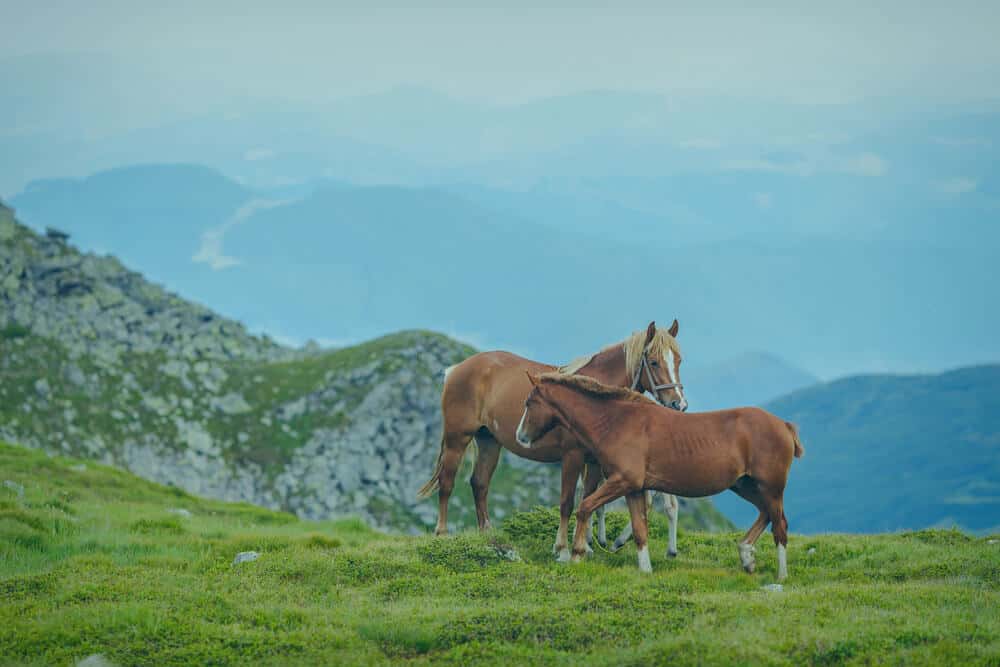
Horse names in Africa are more than just labels; they carry weight and meaning within communities.
They can honour ancestry or draw from the natural world, and it’s not uncommon for names to be borrowed from African languages, signifying traits such as courage or beauty.
These names serve as a nod to the cultural heritage and the important role horses have played in African history.
Culturally Inspired African Horse Names
| # | Name | Meaning/Significance | Language or Origin |
|---|---|---|---|
| 1 | Asha | “Life” | Swahili |
| 2 | Kwame | Boys born on Saturday | Akan (Ghana, Côte d’Ivoire) |
| 3 | Zola | “Quiet, Tranquil” | Zulu (South Africa) |
| 4 | Ayo | “Joy” | Yoruba (Nigeria) |
| 5 | Mosi | “First” | Tswana |
| 6 | Sefu | “Sword” | Swahili |
| 7 | Nia | “Purpose” | Swahili |
| 8 | Lerato | “Love” | Sotho, Tswana |
| 9 | Faraji | “Consolation” | Swahili |
| 10 | Kito | “Jewel” or “Precious Child” | Swahili |
| 11 | Themba | “Trust” or “Hope” | Nguni (South Africa, Zimbabwe) |
| 12 | Aziza | “Beloved” or “Precious” | Swahili |
| 13 | Jabari | “Brave One” | Swahili |
| 14 | Kwasi | Males born on Sunday | Akan (Ghana) |
| 15 | Makena | “The Happy One” | Kikuyu (Kenya) |
| 16 | Tendai | “Be Thankful” | Shona (Zimbabwe) |
| 17 | Zaila | “Might,” “Power,” or “Special One” | Arabic, Swahili |
| 18 | Omari | “God the Highest” or “Chief” | Swahili |
| 19 | Sade | “Honor Confers a Crown” | Yoruba |

| # | Name | Meaning/Significance | Language or Origin |
|---|---|---|---|
| 20 | Thabo | “Happiness” | Sotho, Tswana |
| 21 | Kamau | “Quiet Warrior” | Kikuyu (Kenya) |
| 22 | Naledi | “Star” | Sotho, Tswana |
| 23 | Duma | “Lightning” | Zulu (South Africa) |
| 24 | Eshe | “Life” or “Energy” | Swahili |
| 25 | Femi | “Love Me” | Yoruba (Nigeria) |
| 26 | Chipo | “Gift” | Shona (Zimbabwe) |
| 27 | Kwesi | Males born on Sunday | Akan (Ghana) |
| 28 | Lulama | “Gentle” or “Kind” | Xhosa, Zulu (South Africa) |
| 29 | Mandla | “Strength” or “Power” | Zulu, Xhosa (South Africa) |
| 30 | Zahra | “Flower” or “Beautiful” | Swahili, Arabic |
| 31 | Simba | “Lion” | Swahili |
| 32 | Amina | “Trustworthy” or “Faithful” | Arabic, Swahili |
| 33 | Enzi | “Powerful” | Swahili |
| 34 | Kofi | Males born on Friday | Akan (Ghana) |
| 35 | Lakisha | “Favorite One” or “Great Joy” | Possibly Swahili |
| 36 | Tumelo | “Faith” or “Belief” | Sotho, Tswana |
Practical Aspects of Naming Horses
Choosing the right name for a horse isn’t just a matter of preference. It involves adhering to specific guidelines and understanding the practical needs of both the horse and its keeper.
Name Register
In order to avoid duplication and maintain uniqueness, horse names must be registered with relevant authorities, such as national equine organisations.
These bodies keep a name register, often forming part of a stud book volume, which lists all the names currently in use or retired. This prevents confusion and ensures that every horse’s name is distinct.
Barn Name vs. Show Name
A horse typically has two names: the official show name and a more casual barn name.
The show name is used in formal contexts and competitions, while the barn name is an informal, everyday name used by the owner and handlers.
The barn name is often a shortened or more affectionate version of the official name.
African Horse Breeds and Their Influence on Naming
The names given to horses in Africa often reflect the heritage and characteristics of their breeds. From the hearty horses of South Africa to the unique breeds of East Africa, each contributes a distinct flair to equine naming conventions.
South African Breeds
Vlaamperd: A South African breed with Friesian influence, the Vlaamperd’s name harks to its Flemish roots, ‘Vlaam’ meaning Flemish and ‘perd’ meaning horse.
These horses are known for their grace and strength, and this is often mirrored in the names they are given emphasising their noble characteristics.
Basuto Pony: Originating from the mountainous regions of Southern Africa, the Basuto Pony is renowned for its agility and hardiness.
Names given to Basuto Ponies often draw on Sotho languages, paying homage to their stamina and the cultural significance they hold in the communities.
East African Breeds
In East Africa, the breeds from this region are influenced by Arabian and indigenous bloodlines, resulting in names that carry the mystique and elegance of their origins.
Poney du Logone: This breed from the border regions of Chad and Cameroon is known for its light draft abilities.
Names for the Poney du Logone often draw from local languages and signify the breed’s resilience and adaptability in the harsh climates they usually inhabit.
Rare and Indigenous Breeds
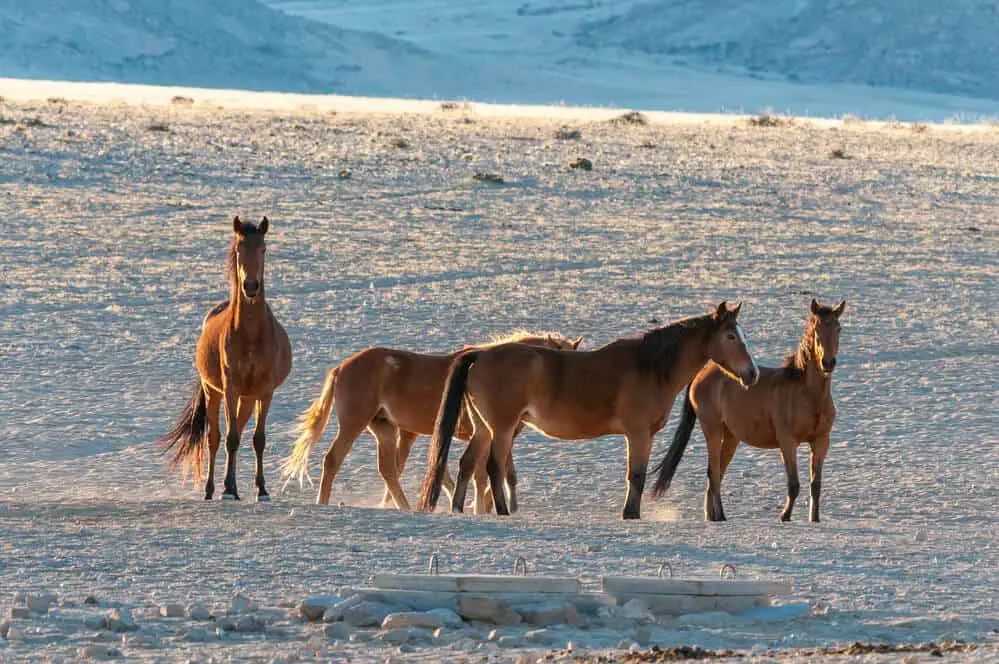
Namib Desert Horses: Considered one of the rarest breeds, Namib Desert Horses have adapted to the extreme conditions of the Namib Desert in Southern Africa.
Their names often reflect the remarkable survival skills and the untamed spirit of the land they roam.
It is not uncommon for horse owners to choose names that celebrate the unique attributes of these rare and indigenous breeds.
Reflecting their strength, elegance, or historical significance, each name tells a story of the breed’s heritage and the land from which they hail.
Selecting the Perfect African Horse Name
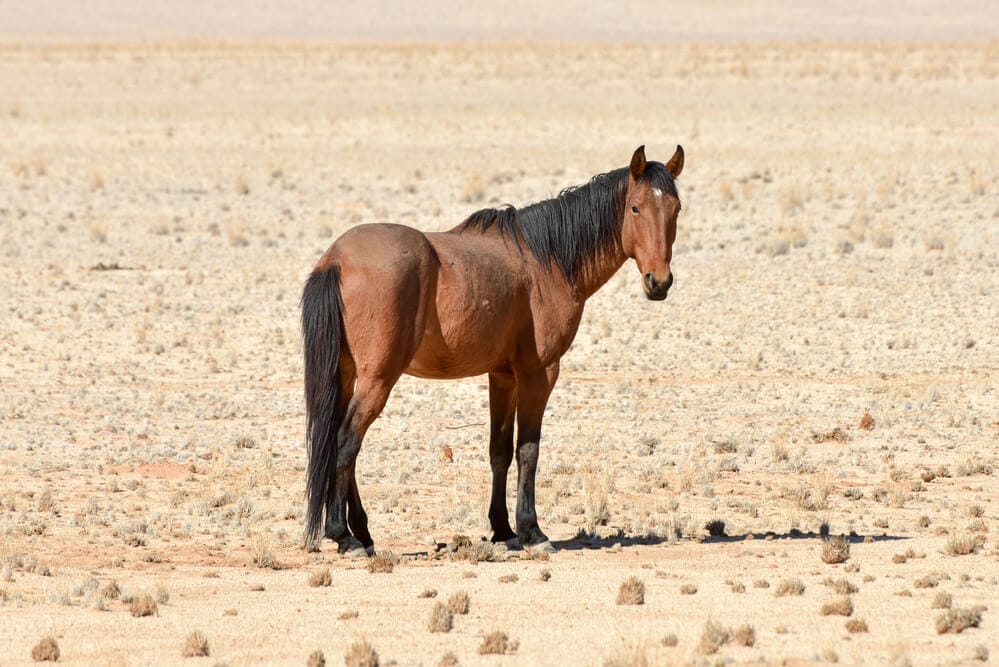
When picking out the right African name for a horse, it’s essential to consider factors like the meaning behind the name, the horse’s personality, and its heritage.
A thoughtful name not only adds character but can also reflect the unique identity of the horse.
Meaningful Names Reflecting a Horse Personality
An apt name often mirrors a horse’s personality.
For instance, the Nigerian name Oluwakemi, which translates to “God has blessed me,” suits a horse that seems like a true gift to its owner.
For a horse that’s exceptionally affectionate, the Shona name Rudo meaning “love” encapsulates its loving nature.
Unique Names Related to African Heritage
Names that stem from African heritage can add a sense of authenticity and tradition.
Palesa, meaning “flower” in Sotho, is ideal for a beautiful and delicate horse, embracing both visual appeal and African culture.
Drawing on a rich heritage can provide a wellspring of unique names that celebrate both the horse and African roots.
Names for Different Horse Colours
The colour of a horse’s coat can be a source of inspiration.
For a majestic black horse, the name Eclipse signifies an impressive presence, shining even in darkness.
Similarly, Coal suggests a strong and solid black horse.
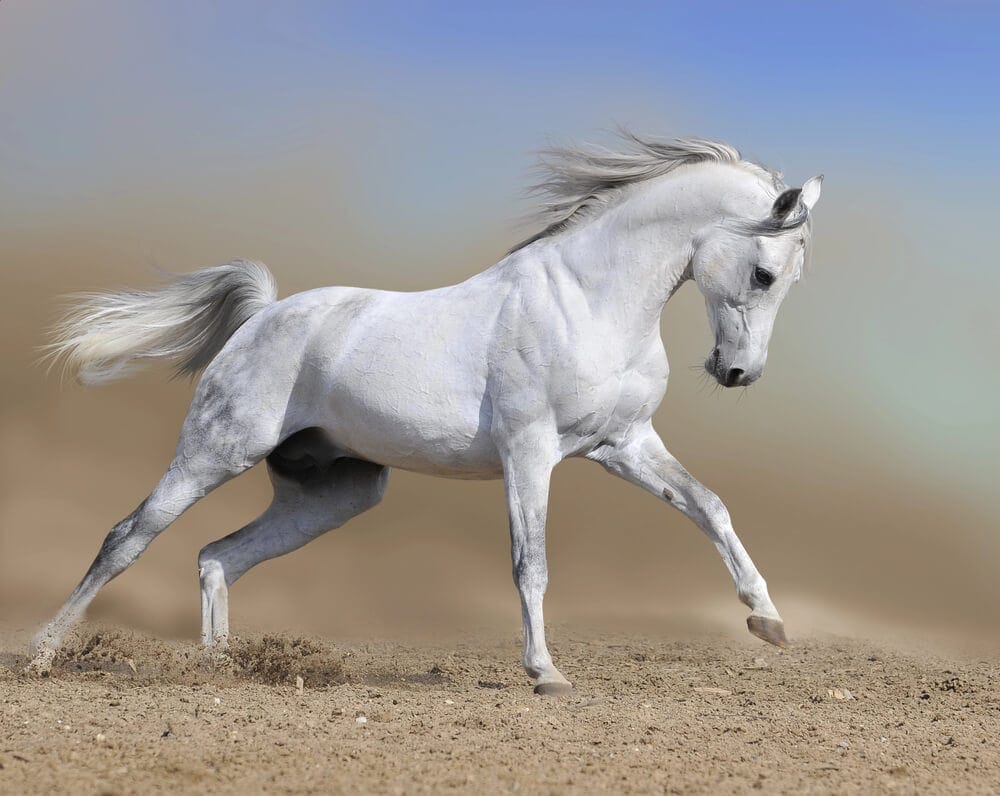
For those seeking a name for white horses or blue roans, consider ones that highlight their distinct coat colours:
- Black Horse: Jet (reflecting a sleek, fast-moving horse)
- White Horse: Theluji (Swahili for ‘snow’, for a white horse with a pure, bright coat)
- Blue Roans: Azraq (Arabic for ‘blue’, fitting for horses with a bluish-silver coat)
Choosing a name can enhance a horse’s individuality, drawing on the nuanced connections between a name’s meaning, the horse’s characteristics, and their stunning appearances.
Naming Trends in African Horse Racing
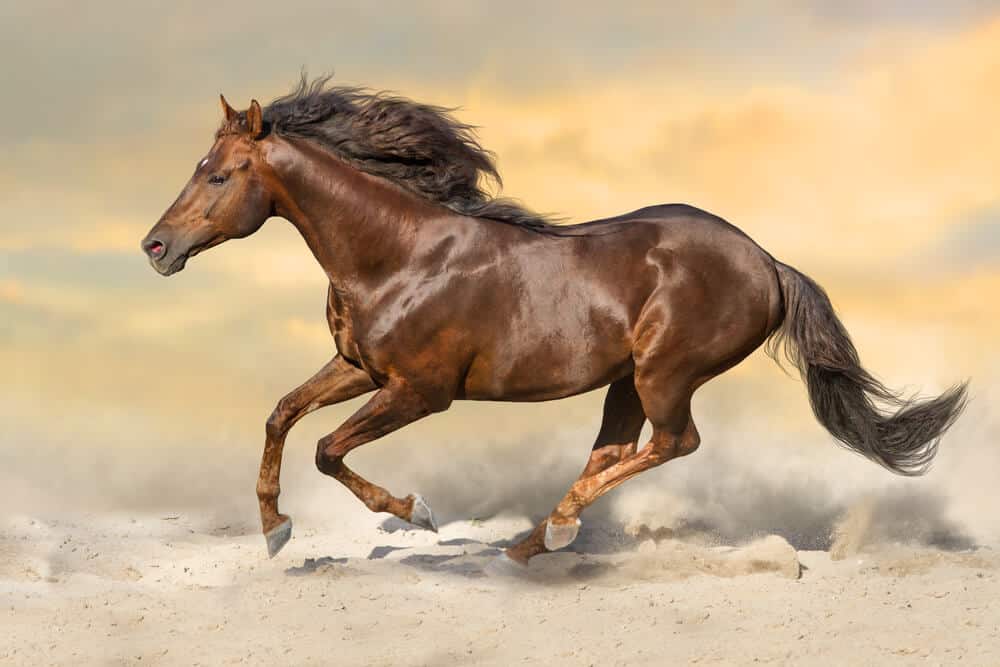
The naming of racehorses in Africa often reflects cultural significance and aspirations of success within the dynamic world of horse racing.
Prominent Racehorse Names
Historically, African-American jockeys have had a remarkable influence on racehorse naming trends, often opting for names that carry profound meanings.
A name like Oluwakemi, translating to “God has blessed me” from Nigerian, can be both a nod to tradition and a hopeful benediction for the racing career ahead.
Influence of Famous Jockeys and Trainers
Names inspired by renowned figures like an African-American jockey or a celebrated assistant trainer can imbue a horse with a legacy of excellence.
A horse trained by someone of Ralph Smith’s calibre might bear a moniker suggesting speed or resilience, hoping to echo the success of Smith’s storied career.
International Recognition and Names
As African horses often participate in international races, names must adhere to international screening limits. This ensures that names are unique across the globe.
Furthermore, these names often have to consider international prohibited substance thresholds to maintain the integrity of African racehorses on the world stage.
For instance, a French-trained filly could carry a name that resonates well both nationally and internationally, such as Étoile Vite, suggesting the horse is a fast star.
Creative and Humorous Naming Choices
Choosing names for horses often reflects the cultural richness and humour of their owners. This section explores comical inspired names, showcasing creativity and a light-hearted approach to equine nomenclature.
Funny African Horse Names
I have found that creating a list of funny African horse names was challenging. As humor can be quite subjective and culturally specific. African names tend to carry significant meanings and are often chosen with respect to cultural importance and the beauty of the language. I hope this list of names is amusing or playful while being sensitive to cultural significance:
1. Hakuna Matrot – A playful twist on the Swahili phrase “Hakuna Matata,” meaning “no worries,” for a laid-back horse. I love this funny name!
2. Galloping Gumbo – For a horse with a spicy personality, inspired by the African-influenced dish.
3. Zebra Stripes – For a horse with a particularly striking pattern or for one that just thinks it’s a zebra.
4. Mufasa’s Mane – For a horse with a regal and wild mane, named after the famous lion from “The Lion King.”
5. Jollof Jockey – Combining the name of the popular West African dish Jollof rice with “jockey” for a horse that’s as spirited as the dish is spicy.
6. Savannah Sprinter – For a horse that loves to run as if it’s racing across the African savannah.
7. Bantu Bounce – A fun name inspired by the Bantu people, for a horse with a spring in its step.
8. Kalahari Cruiser – For the horse that loves long, leisurely treks, named after the vast Kalahari Desert.
9. Nairobi Navigator – For the horse that always seems to know the way, named after Kenya’s capital.
10. Serengeti Songbird – A whimsical name for a horse that has a melodious neigh, reminiscent of the birds in the Serengeti.
Remember, these names are meant to be light-hearted and fun, and it’s always important to choose a name that you feel is respectful and fitting for your horse.
Naming Inspiration from African Geography and Languages
Names from African Landmarks
Victoria Falls: This majestic waterfall on the Zambezi River could inspire names like “Mosi-oa-Tunya.” This means “The Smoke That Thunders” and is perfect for an equally majestic horse.
Western Cape: The diverse and picturesque Western Cape offers names like “Table Mountain” or “Kirstenbosch.” These are perfect for horses with a noble and serene presence.
Ethnic and Regional Names
Zulu Names: Zulu names like “Ukukhanya,” meaning “brightness,” or “Sibongile,” meaning “we are thankful,” can showcase a horse’s character or a breeder’s gratitude.
Tswana Names: Tswana names embody traits and virtues, such as “Lorato,” meaning “love,” suitable for a warm-natured equine.
Translated and Transliterated Names
Namib Desert Horses: These rare breeds could be honoured with names like “Ebenhaezer,” translating to “stone of help.” This name reflects their resilience.
Latin Names: While not African in origin, Latin names are sometimes integrated through translations. An example might be “Equus,” the Latin for “horse.” This combines a classical feeling with simplistic elegance.
Ceremonial and Social Aspects of Horse Names
In many African cultures, horse names hold significant ceremonial and social value. They are not just tags, but serve as reflections of events, societal roles, and even the perceived character of the horses themselves.
Names for Celebrations and Events
For major celebrations and events, horses are often graced with names that commemorate the occasion.
Morning Star might be a name reserved for horses that participate in ceremonies meant to welcome a new day or era.
On the other hand, Last Laugh could be a name given to horses featured in events that close a festive season. This symbolises the joy of the occasion. These names do not merely serve as labels but act as living memories of the events they’re associated with.
Naming as a Reflection of Social Status
A horse’s name can also signify the social status of its owner or rider.
For instance, an individual with special permissions or high rank in society might choose a name that corresponds with their position.
Important Role might be a name for a horse owned by a community leader. Meanwhile, Perfect Place could be for a noble’s horse, suggesting an untouchable status or an ideal state of being.
Names can also be a nod to wild spirits, such as Wild Horses. This implies a sense of freedom and untamed energy, an essential impact on the traditional imagery associated with power and autonomy.
Female African Horse Names
| Name | Meaning | Origin |
|---|---|---|
| Palesa | Flower | Sotho |
| Rudo | Love | Shona |
| Asha | Life | Swahili |
| Zara | Princess | Arabic, Swahili |
| Thema | Queen | Akan |
In choosing a name for a female horse, it’s lovely to find one that captures their elegance and spirit. African names often carry rich meanings that can reflect the attributes of the horse.
Palesa is beautifully suited to a mare with a delicate appearance, bringing to mind the gracefulness of a flower. For a loving, affectionate mare, Rudo is quite apt, as it conveys the sense of love and warmth she may exude.
Asha, which stands for life, is fitting for a lively, spirited mare that brings vigour to the stables.
If you want to acknowledge a mare’s noble attitude, Zara is quite befitting. This name resonates with the air of royalty fit for a four-legged princess. Lastly, for the horse that carries herself with dignity and commands respect, Thema would be an appropriate choice, signifying her queenly stature.
Male African Horse Names
When selecting a name for a horse, it’s essential to consider its significance. And how it connects to the animal’s personality. African names are often rich in meaning, reflecting qualities such as strength and character—perfect for a noble steed. Here’s a concise list of male African horse names and their meanings:
| Name | Origin | Meaning |
|---|---|---|
| Oluwakemi | Nigerian | “God has blessed me” |
| Anwar | Arabic | “Bright”, “Shining” |
| Amari | Swahili | “Strength” |
| Akil | Arabic | “Intelligent” |
| Rudo | Shona | “Love” |
Owners often choose a name that symbolises a horse’s attributes or aspirations.
Oluwakemi might suit a cherished horse that feels like a blessing. For an intelligent and perceptive horse, Akil could be the perfect fit.
Meanwhile, Amari embodies power and might be ideal for that muscular and commanding horse.
If the horse shines not just in its coat but also in its disposition, Anwar might be the name that resonates. Lastly, for an affectionate companion, Rudo truly captures the essence of love.
Each of these names isn’t just a tag; it’s a celebration of the horse’s unique identity and an honouring of African culture.
More African Horse Names!
| African Horse Name | Meaning | Origin |
|---|---|---|
| Adom | “Graceful” | Akan |
| Bello | “Helper” or “Assistant” | Hausa |
| Oluwakemi | “God has blessed me” | Yoruba (Nigeria) |
| Palesa | “Flower” | Sotho |
| Rudo | “Love” | Shona |
| Zuberi | “Strong” | Swahili |
| Siti | “Lady” | Swahili |
| Faraji | “Consolation” | Swahili |
| Aiyetoro | “Peace on earth” | Yoruba (Nigeria) |
| Thandiwe | “Beloved” | Zulu |
| African Horse Name | Meaning | Origin |
|---|---|---|
| Kunto | “Third born child” | Akan (Ghana) |
| Amari | “Strength” | Yoruba (Nigeria) |
| Chike | “Power of God” | Igbo (Nigeria) |
| Dalila | “Gentle” | Swahili |
| Enitan | “Person of Story” | Yoruba (Nigeria) |
| Femi | “Love me” | Yoruba (Nigeria) |
| Jabari | “Brave one” | Swahili |
| Kali | “Energetic” or “Fierce” | Swahili |
| Lerato | “Love” | Sotho |
| Makena | “The happy one” | Kikuyu (Kenya) |
| Nala | “Gift” or “Successful woman” | Swahili |
Health and Welfare Considerations in Naming
Choosing a name for a horse in Africa often transcends aesthetics, extending into the health and welfare territory, particularly for endemic diseases and the desire to celebrate endurance and survival.
Diseases and Conditions Impacting African Horses
African horses face various diseases and health conditions that are less common elsewhere.
African horse sickness (AHS) is a notable viral disease transmitted by biting insects. It causes respiratory and cardiac issues primarily in the pulmonary form.
It’s a severe and often fatal disease, leading to significant concern in disease control measures in the region.
- African Horse Sickness: A fatal disease affecting the respiratory and circulatory system.
- Contagious Equine Metritis: A sexually transmitted bacterial infection.
- Equine Influenza: A highly contagious respiratory infection.
These conditions are central to the horse’s identity and survival, and thus are often reflected in the cultural practice of naming.
Naming to Reflect Health and Survival
In the spirit of resilience, names are sometimes given to reflect an African horse’s triumph over illness. Or to invoke protection and well-being.
For a horse that has recovered from a disease like equine influenza, a name symbolising health or survival could be fitting.
Oluwakemi, a Nigerian name meaning “God has blessed me,” can convey gratitude for a horse’s resilience or recovery.
Similarly, names that invoke strength or vitality can serve as a daily reminder of the horse’s fortitude against difficult odds.
Chisomo (Grace): For a horse’s graceful recovery from illness.
Nia (Purpose): Reflecting the survival and intention to thrive even after being affected by diseases.

Administrative and Ownership Details in Horse Naming
Ok, so here is a bit of the boring stuff. When naming a horse, two critical aspects need to be considered. The registration process and ensuring that the name reflects the proper ownership.
Registration with Authorities
Register a horse’s name with the relevant equestrian authorities to ensure it’s unique and adheres to set guidelines.
They need to check the name register at the head office to ensure the selected name isn’t already in use. This process protects the individuality of the horse and maintains a database that is important for racing and breeding records.
- Name Register: A comprehensive database of all registered horse names.
- Head Office: The central authority where horse names are registered and managed.
Owners should present their preferred names in order of preference. As the availability and compliance are subject to these entities’ approval.
Ownership Identification
Ownership details are paramount in the registration process.
They need to tie the horse’s name to an owner individual, a trust, or a close corporation. This identifies who the horse legally belongs to and can reflect in the horse’s racing or trust colours.
- Owner Individual: The single person who owns the horse.
- Trust Colours: Visual designs representing the owner, which could be an individual or a trust.
- Close Corporation Colours: Similar to trust colours, but specifically for corporate-owned horses.
Information about the horse’s breeding, age, and distinguishing marks. Or features are typically required alongside ownership details to clearly identify the horse in official records.
Final Thoughts
Picking out an African name for your horse is like diving into a vibrant mosaic of African traditions and dialects. These names are more than just monikers; they’re rich with significance and tales that can mirror your horse’s unique charm.
Take a look at these examples:
Oluwakemi, hailing from Nigeria, means “God has blessed me” – perfect for a horse that’s nothing short of a blessing.
Palesa, which translates to “flower” in Sotho, could be the ideal fit for a mare with an air of elegance and delicacy.
Rudo, from the Shona language, means “love”, capturing the special bond that forms between horse and owner.
Choosing a name for your horse is a deeply personal act. A chance to celebrate their individuality while nodding to a vast cultural legacy.
With the myriad of dialects and meanings in African languages, you’re sure to find a name that echoes the essence and narrative of your horse.
Every horse is an individual with its own tale, and each African name is a unique opportunity to honor that story. Whether you’re drawn to names that conjure strength and intrigue. Or those that tell of love and kinship, there’s a sea of choices that offer not just names, but stories waiting to unfold.