
As we pivot towards a more sustainable future, community solar is emerging as a beacon of hope. For both the environment and energy consumers. Imagine harnessing the power of the sun collectively, where the benefits of renewable energy are not just reserved for those with the means or the ideal rooftop.
Key Takeaways
- Community solar allows multiple participants to benefit from a single solar array.
- It offers cost savings, environmental impact, and accessibility without upfront costs.
- Participation is available to renters, homeowners, and low-income households.
- Several myths about community solar can deter potential subscribers, but the benefits are significant.
What Is Community Solar?
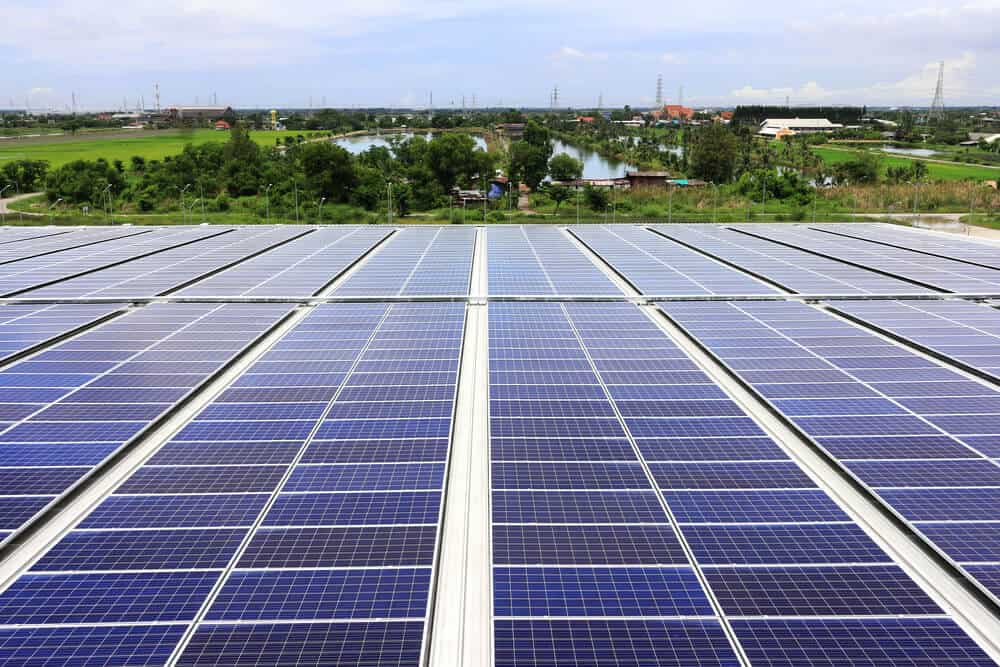
Community Solar is an innovative renewable energy initiative designed to democratize solar power. Instead of requiring each household to install individual solar panels, community solar allows multiple participants to benefit from a single solar array.
For those intrigued by the concept, community solar offers a chance to partake in the green revolution without the hassle of individual installations. By subscribing to community solar, participants support renewable energy generation and witness tangible savings on their electricity bills. This innovative approach has opened the doors for more people to get involved in sustainable energy, regardless of their housing situation or financial status. Furthermore, the growth of these initiatives can often be encouraged by dedicated support for local energy projects. In many regions, the transition to sustainable energy can be bolstered by organizations, such as Trust Horizon Funding, for instance, to help community groups launch and sustain these vital environmental and power generation projects.
How Does Community Solar Work?
Suppose you’re wondering what is community solar. In that case, it’s essentially a way for people to subscribe to a share of a local solar project and receive credits on their electricity bills corresponding to the power generated. They understand how community solar works relatively straightforwardly. Participants subscribe to a portion of the output from a community solar farm. The electricity generated by these large-scale solar arrays is fed back into the grid. In return, subscribers receive credits on their utility bills, usually reflecting a reduction in energy costs. This approach is particularly beneficial for renters and homeowners who cannot install panels on their properties due to technical or financial constraints.
Typically, the community solar provider handles the entire setup, including installation, maintenance, and administrative tasks, making it a hassle-free option for energy-conscious consumers. The participant’s involvement is minimal, often limited to simply subscribing and enjoying the cost savings on their electric bills.
Benefits Of Community Solar
Community solar projects come with a plethora of advantages:
- Cost Savings: Participants can often see a reduction in their monthly electricity bills without the need for upfront costs associated with solar panel installation.
- Environmental Impact: By supporting solar energy, you reduce greenhouse gas emissions and promote sustainable energy.
- Accessibility: Community solar is incredibly inclusive, providing energy benefits to renters, low-income households, and those with unsuitable roof conditions.
One of the most appealing aspects of community solar is the significant reduction in energy costs, which can be particularly helpful for families and businesses looking to cut expenses. In addition to these benefits, participating in community solar projects supports local economies by creating green jobs and promoting sustainable community development.
Myths About Community Solar
Despite the many advantages, community solar is often surrounded by myths that can mislead potential subscribers. These misunderstandings can deter people from taking advantage of community solar’s significant benefits.
- Myth 1: Only property owners can participate. The reality is that community solar projects are designed to be inclusive, allowing renters and low-income households to join.
- Myth 2: The benefits are negligible. In contrast, many subscribers see significant savings on their energy bills, alongside the satisfaction of contributing to a greener planet.
- Myth 3: It costs a lot to join. Many community solar programs have little to no initial costs, making them accessible to a broader audience.
These myths about community solar often stem from a need for more information. By debunking these myths, we can encourage more people to participate in this revolutionary form of renewable energy, helping build a more sustainable and inclusive energy landscape.
How To Join A Community Solar Program
Joining a community solar program can be simple. Here’s how you can get started:
- Find a Local Project: Look for community solar projects in your area. Many utility providers offer information about available programs. You can also search online for projects that align with your energy needs and values.
- Sign Up: Choose a subscription level based on your electricity usage. The provider will handle the administrative tasks, including setting up your account and coordinating with the utility company.
- Receive Benefits: Once enrolled, you’ll start receiving credits on your energy bill for your share of the solar energy produced, leading to potential cost savings. This process is seamless, and you can quickly start seeing the positive impact on your monthly bills.
The process of joining a community solar program is designed to be user-friendly. This ensures that participants can easily understand their benefits and start saving on energy costs without any hassle.
Success Stories
Numerous community solar projects across the country have demonstrated significant success. For example, in Colorado, 30 households participating in a community solar project experienced a reduction in their annual electricity costs by 10-20%. This substantial savings allowed families to allocate more funds towards other essential needs while supporting green energy initiatives.
Another success story is a community solar garden in Minnesota, which has provided renewable energy to over 500 households and businesses, offering substantial savings and environmental benefits. Participants in this program have not only enjoyed lower electricity bills but have also contributed to a significant reduction in the community’s carbon footprint.
These success stories are inspirational examples of how community solar can positively impact individual households and the broader community, promoting a more sustainable and economically balanced way of life.
The Future Of Community Solar
Looking ahead, the future of community solar appears bright. With advancements in solar technology and increasing public interest, community solar projects are likely to become more widespread. Policies at the state and federal levels are also evolving to support these initiatives, providing incentives and reducing barriers to participation.
As technology continues to improve, solar panels’ efficiency and cost-effectiveness are expected to increase, making community solar an even more attractive option for many. The growing awareness and acceptance of renewable energy sources will further expand community solar projects.
As the industry grows, community solar will be essential in adopting sustainable energy solutions, contributing to a greener and more resilient energy grid. This evolution will empower communities to take control of their energy consumption, reduce their carbon footprints, and support a sustainable future for generations to come.
Final Thoughts
Community solar represents a significant shift in how we produce and consume electricity. By making renewable energy accessible to more people, these projects can play a vital role in transitioning to a more sustainable future. Whether you’re a renter, homeowner, or business, joining a community solar project could be a beneficial step towards greener living.
Embracing community solar provides financial benefits and contributes to the global effort to combat climate change. It’s an opportunity to be part of a more significant movement toward sustainability while enjoying the immediate advantages of reduced energy costs and environmental preservation.