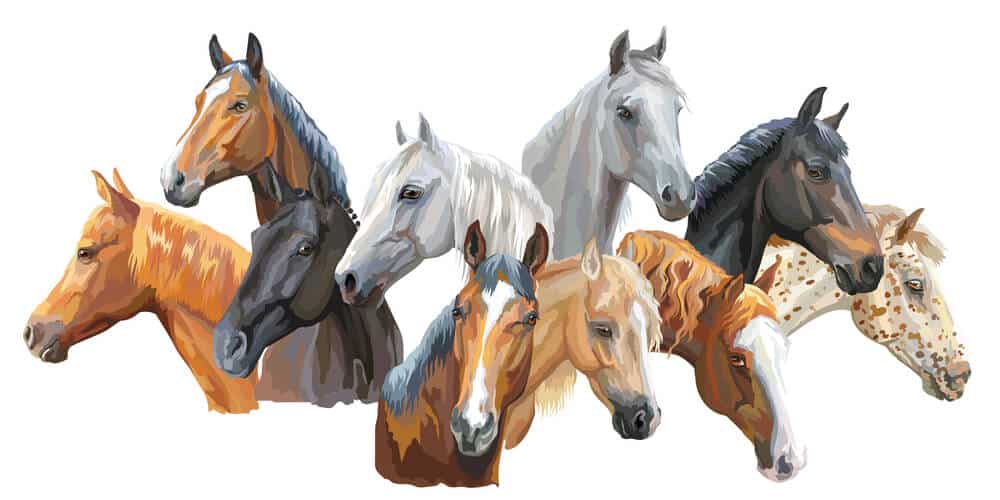
Naming an Icelandic horse is more than just a fun task; it’s a chance to reflect the horse’s unique qualities and heritage. Icelandic horses, known for their small size yet strong build, have a history that stretches back to the Viking Age. Choosing the right name can highlight your horse’s personality, beauty, and connection to Iceland’s rich culture.
There are many sources of inspiration for Icelandic horse names. Mythology offers names that carry a sense of grandeur and history, like Freyja or Odin. Nature-inspired names capture the rugged landscapes of Iceland, with names like Skógur (forest) or Elding (lightning). Whether you prefer a classic, modern, or quirky name, there’s plenty to choose from.
Some popular names come from the horses themselves. For example, Skalm, a mare from the 12th century, is the first Icelandic horse recorded by name. This shows that naming traditions for these horses have deep roots. By choosing a meaningful name, you celebrate the bond you share with your horse and the incredible heritage it represents.
So, why not have a bit of fun with it? Imagine calling out to your horse with a name that echoes the legends or landscapes of Iceland! Whether you’re inspired by the ancient sagas or the natural beauty of the land, naming your Icelandic horse is a wonderful way to honor their unique spirit and the rich cultural tapestry they come from. Happy naming!
Country of Origin and History
The Icelandic horse is one of the most unique horse breeds from Iceland. It has a fascinating history that dates back to the Viking Age.
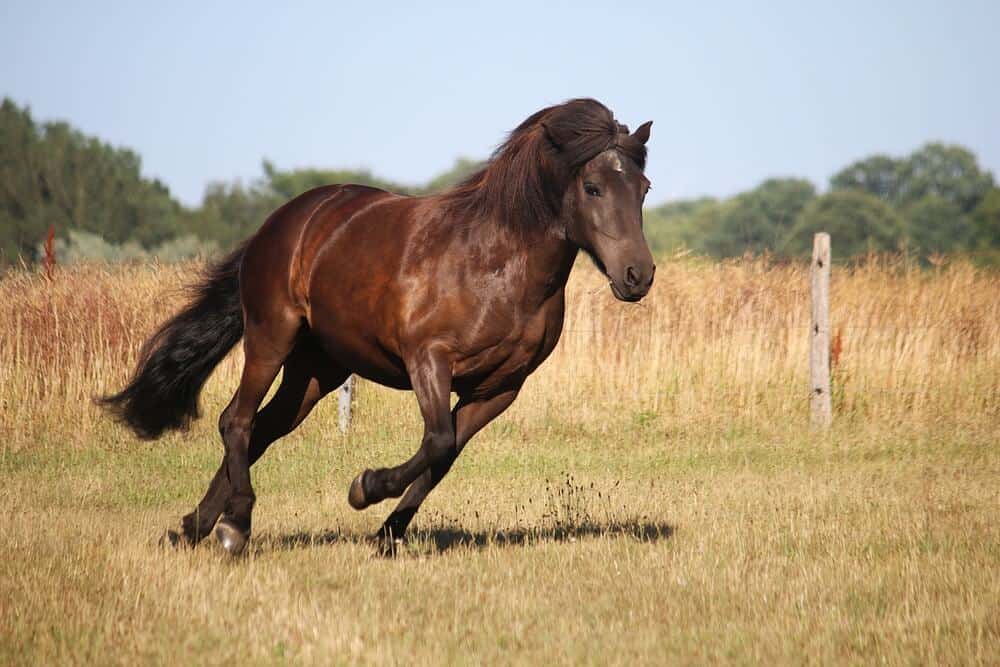
Between 860 and 935 AD, Norse settlers brought the ancestors of these horses to Iceland. These early settlers valued the horses for their strength and resilience.
The first Icelandic horse known by name was Skalm. Skalm is mentioned in the Landnámabók (the Book of Settlements), a historical text from the 12th century.
Iceland’s environment played a big role in shaping this breed. The harsh, rugged landscape made the horses tough and hardy.
Naming these horses is also deeply influenced by their history. Names often come from Norse mythology or sagas. For instance, names like Gyðja (Goddess) and Thor are common.
Additionally, horses are sometimes named based on their colour, character, or abilities.
Icelandic Horse characteristics:
Here is a table of Icelandic horse characteristics:
| Characteristic | Description |
|---|---|
| Size | Small stature, typically 13-14 hands high |
| Build | Strong and muscular, capable of carrying adults over long distances |
| Coat | Thick coat, protective in winter, long mane and tail |
| Temperament | Friendly, curious, easy-going, and spirited |
| Gaits | Five gaits: walk, trot, canter, tölt, and flying pace |
| Longevity | Long-lived and hardy, often living into their late twenties or early thirties |
| Health | Generally healthy with few afflictions or diseases |
| Personality | Outgoing, confident, and social |
| Heritage | Traces back to the Viking Age, with a deep cultural significance in Iceland |
| Uses | Riding, sport, and traditional herding |
Naming Traditions
In Iceland, naming an Icelandic horse is a rich tradition rooted in history and culture. The names reflect Viking heritage, local geography, and the nation’s unique customs. Here’s an exploration into the different aspects of these naming traditions.
Influence of Norse Mythology
Icelandic horse names often come from Norse mythology. Names like Thor, Ódinn, and Gyðja (Goddess) are quite popular. These mythical names are chosen to convey the strength, bravery, and spirit of the horses. They are linked to ancient Norse gods and heroes, making each name a nod to history. This deep connection to mythology helps preserve Iceland’s rich cultural heritage.
Role of the Icelandic Naming Committee
The Icelandic Naming Committee oversees the naming of horses. This body ensures names align with Icelandic language rules. The name must fit Icelandic grammar and spelling. The committee prevents names that break these rules from being used.
This maintains the tradition and linguistic purity. Names must reflect either traditional forms or new, yet acceptable, ones under committee guidelines.
Traditional vs. New Names
Traditional Icelandic horse names often describe colour or personality. For instance, Bleikur means pink and Ljúfur means dear.
New names, while also descriptive, might be more modern and inventive. Recent names might reflect new trends or contemporary culture, while still respecting Icelandic naming practices.
This blend of old and new keeps the tradition alive and relevant, honouring the past and embracing the future.
Cultural Significance
Icelandic horse names carry deep meaning in the culture, often reflecting nature, mythology, and history. They connect to the survival of the Icelandic people and their rich storytelling traditions.
Symbolism in Names
Icelandic horse names often symbolise traits like strength, resilience, and beauty. For example, names such as Magni (meaning “mighty”) and Stjarna (meaning “star”) capture the essence of these beloved animals. These names are not randomly chosen; they reflect the horse’s character or physical attributes.
In Icelandic culture, horses have also been symbols of fertility and prosperity. Naming a horse with such powerful meanings reinforces these values and highlights the importance of the animal in Icelandic life.
Names in Literature and Folklore
Icelandic horse names frequently appear in literature and folklore, showing their significance in the nation’s cultural fabric. The Landnámabók, or the “Book of Settlements,” mentions Skalm, one of the first Icelandic horses known by name. This book is crucial as it records the early history of Iceland.
Horses are also featured in Norse mythology and sagas. Names like Thor and Ódinn link these horses to the legendary gods and heroes. Icelandic folklore includes tales of mythical creatures and monsters, where horses often play a role. These stories have helped shape the traditions and naming conventions seen today.
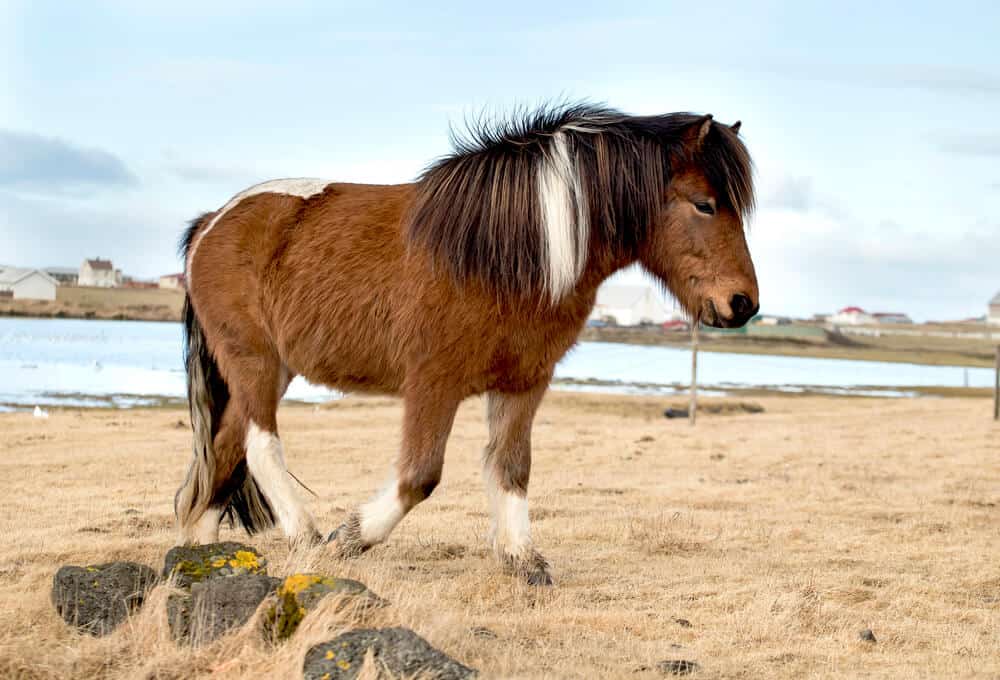
Linguistic Aspects
Icelandic horse names follow unique language rules and reflect the culture they come from. The names respect Icelandic grammar and often indicate gender or lack thereof.
Icelandic Grammar and Phonetics
Names for Icelandic horses must follow Icelandic grammar rules. This means they need to be grammatically correct according to the Icelandic language system. The names must also fit within the phonetic structure of Icelandic, making them easy for native speakers to say.
Accents and special characters are common in Icelandic, which are essential to pronouncing names correctly. For example, a name like “Reykur” (meaning smoke) uses the letter “y”, which sounds different in Icelandic than in English.
Names often derive from mythology or landmarks. A horse might be named after gods like Thor or places like Reykir farm, reflecting cultural significance. This gives each name a deeper meaning and context, which is important for breeders and owners.
Gender-Specific and Genderless Names
Icelandic horse names can be gender-specific or genderless. Gender-specific names clearly show whether a horse is male or female. For example, “Reimar” is typically a male name.
In contrast, genderless names do not indicate gender. These names focus more on the horse’s attributes or colour. For example, “Reykabrúnn” means a brown horse from Reykir farm and does not specify gender.
This flexibility in naming allows owners to choose names that best fit their horse’s personality and traits. The richness of the Icelandic language allows for many creative options, ensuring each horse has a unique and meaningful name.
Practical Considerations
When naming Icelandic horses, owners need to think about both registration and international standards. These factors ensure that the horse’s name is recognised globally and suits official guidelines.
Registering Icelandic Horse Names
Owners should follow the guidelines set by the Icelandic Horse Congress Registry (ICHR) when naming their horses. Each horse’s name should be unique and easily identifiable.
Names often reflect the horse’s characteristics or lineage. The International Federation of Icelandic Horse Associations (FEIF) has certain rules as well. Names chosen need to respect cultural traditions and avoid duplication within registered horses.
It is important to check if a desired name is already in use. Owners often need to include details like the horse’s date of birth and parentage during registration. This helps trace the lineage and keeps records updated.
International Naming Protocols
Different countries may have their own protocols, but compliance with FEIF standards ensures uniformity. Owners looking to compete internationally must follow these guidelines strictly.
Names should avoid special characters and must be in the Icelandic language. This maintains consistency across different regions. Horses registered with an international body have their names standardised to prevent confusion.
While it is tempting to choose creative or whimsical names, practicality should guide the final decision. Names that are pronounceable and spellable across various languages are ideal. This consideration makes administrative tasks smoother for horse owners globally.

Icelandic Horses Abroad
Icelandic horses have become popular beyond Iceland, especially in North America and Great Britain. These sturdy and friendly horses are known for their unique characteristics and specific naming traditions in different regions.
North American Icelandic Horse Names
North America has a growing number of Icelandic horse enthusiasts. Many owners in the United States keep the tradition of using authentic Icelandic names for their horses. These names often reflect Icelandic nature and mythology.
Some common names include:
- Galdur (magic)
- Skuggi (shadow)
- Freyja (a goddess from Norse mythology)
These names not only honour their heritage but also connect horse owners with Icelandic culture. Due to respect for tradition, the names are typically chosen to match the horse’s personality or appearance, adding a personal touch to their identity.
Icelandic Horses in Great Britain
Icelandic horses have also found a home in Great Britain. Here, they are appreciated for their robustness and friendly nature. British owners often choose names that reflect Icelandic culture, similar to their American counterparts.
Popular names in Great Britain might include:
- Eldur (fire)
- Birta (brightness)
- Hrímfaxi (a horse from Norse mythology)
These names help maintain a connection to the horses’ origins. British owners might also participate in Icelandic horse shows and competitions, where traditional names are appreciated. This practice keeps the Icelandic heritage alive and fosters a unique bond between the horse and its new environment.
Horse Care and Culture of Icelandic Horses
Icelandic horses are known for their unique traits and friendly temperament. They are highly valued for both selective breeding and leisure activities.
Breeding and Traits
Icelandic horses are bred for their strong, reliable build and variety of colours. These horses descended from those brought to Iceland by Viking settlers between 860 and 935 AD. Selective breeding has helped them adapt to the tough Icelandic environment, making them hardy and long-lived.
A notable characteristic is the typical walk known as the tölt. This gait is smooth and can be sustained over long distances, making it pleasant for riders. Icelandic horses are generally small, around 140 cm tall, but their sturdiness and stability are unmatched.
Breeders look for horses with strong traits such as calmness and cooperation. These qualities make them suitable for various activities and easy to manage, enhancing their reputation as some of the best horses for both work and leisure.
Riding and Leisure Activities
Riding Icelandic horses is a cherished activity in Iceland. Their unique gait, the tölt, provides a smooth ride, which is highly appreciated by riders. This, combined with the breed’s friendly temperament, makes them ideal for leisure riding and horse riding tours catering to tourists.
Leisure riding is a popular pastime, both for locals and visitors. Icelandic horses are known for their versatility, being used in various forms of riding, from casual trail rides to more competitive sport events. Their reliability and pleasant temperament make them excellent companions for riders of all skill levels.
Icelandic horses also play a role in local culture and traditions, often featured in festivals and shows. Their ability to handle Iceland’s rugged terrains adds to their charm and utility, making them a significant part of Iceland’s heritage.

Herd Dynamics
Icelandic horses thrive in unique and varied environments, each impacting their social behaviour and naming conventions.
The Impact of Environment
Iceland’s natural setting helps shape the behaviour of Icelandic horses. Due to the cold weather and frequent mini ice ages, these horses have adapted to survive with minimal shelter. They roam the rugged terrain, developing strong instincts and resilience.
Since they are raised in open pastures, the horses have little contact with humans during their early years. This natural upbringing results in robust, self-sufficient animals. Their interactions with glacial rivers and volcanic eruptions also play a role in shaping their agility and endurance.
The wild horses of Iceland exhibit forceful and independent traits. They are accustomed to harsh conditions, which fosters a sense of unity within the herd as they work together to survive.
Social Structure and Naming
The social structure of Icelandic horses is complex and hierarchical. Within the herd, there are clear leaders and followers, often determined by age and strength. The alpha mare usually takes charge, influencing the herd’s movements and decisions.
Naming reflects their social roles and characteristics. Names like Freyja, symbolising beauty, or Ljóni, denoting strength, are chosen to highlight these attributes. Gender-specific names are also common, with mares being given graceful names like Stjarna (star), while stallions might be named Drengur (brave).
Names often derive from the horses’ resilience and adaptability, reflecting their significant roles within the herd. This practice honours their unique qualities and the history of Icelandic culture.
Iconography and Personal Connection
Choosing a name for your Icelandic horse is a meaningful process that reflects both tradition and personal sentiment. Names often have ties to Icelandic history, nature, and mythology, making them unique. This adds to the rider’s connection to their horse, giving each name special significance.
Choosing a Name for Your Icelandic Horse
Naming your Icelandic horse involves more than just picking something that sounds nice. Many names are inspired by Icelandic nature and mythology. For example, names like Skalm and Ástriður carry historical significance. They can reflect a horse’s character or appearance, such as common words for qualities like strength (Magni meaning “mighty”) or natural elements like wind (Kári).
Owners often choose names that mirror their horse’s traits. If your horse shows strength or calmness, picking a name with a matching meaning feels fitting. This creates a bond between horse and owner and also aligns with traditional Icelandic practices where names hold deep cultural meaning.
Names and Icelandic Pride
In Iceland, giving a horse a meaningful name showcases cultural pride. Names are often derived from Old Norse, tying them back to Viking heritage. For instance, Leif means “heir” and Njal means “champion”. These names aren’t just labels; they reflect Iceland’s rich history.
Additionally, Icelandic law ensures that all native horses in Iceland are purebred and registered with approved names. This adds a layer of significance and pride in naming, as it’s part of maintaining the breed’s integrity. Naming your horse isn’t just a personal choice but a nod to Icelandic tradition and horse breeding practices.
These names help forge a personal connection, not only between horse and owner but also with Iceland’s long-standing heritage. Each name is a piece of history, linking the modern horse with its ancient past.
Female Icelandic Horse Names
Icelandic horse names are unique and influenced by the country’s rich history and culture. Here are some popular names for Icelandic mares:
| Female Icelandic Horse Names | Meaning |
|---|---|
| Dabba | Nickname |
| Daða | Flatterer |
| Daðla | Date (fruit) |
| Dagbjört | Bright as day |
| Dagfari | One who travels by day |
| Dagdraumur | Daydream |
| Dís | Goddess or fairy |
| Elding | Lightning |
| Freyja | Norse goddess of love and beauty |
| Gloa | The shining |
| Lilja | Lily |
| Ragnheiður | Battle brightness |
| Skalm | Historical mare from the 12th century |
| Sól | Sun |
| Þóra | Thunder (feminine form of Thor) |
| Brynja | Armor |
| Edda | Great-grandmother, also refers to the old Norse literary works |
| Frigg | Norse goddess of marriage and motherhood |
| Hekla | Named after the famous Icelandic volcano |
| Hera | Heroine |
| Katla | Named after another famous Icelandic volcano |
| Saga | Story or legend |
| Snædís | Snow goddess |
| Vala | Seeress |
| Yrsa | Wild she-bear |
| Þrúður | Strength (daughter of Thor) |
Female Icelandic horse names often have meanings tied to nature, mythology, and Icelandic landmarks.
Many names are tied to Old Norse origins, reflecting the deep connections Icelanders have with their heritage.
Some more examples include:
- Sól – Sun
- Þóra – Thunder
- Hrönn – Wave
These names not only reflect the beauty and strength of the horses, but also the rich culture and history of Iceland.
Owners might choose names that reflect the horse’s personality or appearance. For example, a horse with a calm temperament might be named Freyja.
To help readers, here’s a quick reference list of other notable names:
- Lilja – Lily
- Vaka – Awakening
- Þyrnir – Thorn
Choosing a name for an Icelandic horse is a meaningful tradition that honours both the animal and the heritage it represents.
Male Icelandic Horse Names
Here are some male Icelandic horse names suitable for geldings or stallions. These names often have a unique charm that reflects the culture and history of Iceland.
| Name | Meaning |
|---|---|
| Ás | God or deity |
| Baldur | Norse god associated with beauty and love |
| Dagur | Day |
| Einar | Lone warrior |
| Fáfnir | Mythical dragon |
| Fálki | Falcon |
| Fannar | Snowdrift |
| Faxi | Mane |
| Fenrir | Mythical wolf |
| Garpur | Hero, brave one |
| Geysir | Named after the famous geyser |
| Gunnar | Warrior |
| Hákon | High son, exalted son |
| Hrafn | Raven |
| Jökull | Glacier |
| Kári | Gust of wind |
| Loki | Trickster god |
| Magni | Strong, powerful |
| Óðinn | Chief god in Norse mythology |
| Ragnar | Warrior or judgment |
| Sindri | Sparkling, a dwarf in Norse mythology |
| Sleipnir | Odin’s eight-legged horse |
| Snorri | Attack, onslaught |
| Stigandi | Wanderer |
| Þór | Thor, god of thunder |
| Víkingur | Viking |
| Vökull | Wakeful, vigilant |
| Björn | Bear |
| Draumur | Dream |
| Eldur | Fire |
| Fjalar | Name of a dwarf in Norse mythology |
| Glóðafeykir | Glowing embers |
| Hrímnir | Frosty |
| Kolskeggur | Black-bearded |
| Mjölnir | Thor’s hammer |
| Njáll | Champion |
Some names are inspired by nature, like Falki (Falcon) and Kari (Gust of Wind). Others have historical or mythical significance, like Baldur and Einar.
Choosing a name for a horse is a meaningful process. Owners often hope the name will reflect the horse’s personality or hoped-for traits.
Here’s a quick list to make it easier to digest:
- Baldur
- Bjorn
- Einar
- Falki
- Galdur
- Hjalti
- Kari
- Magnus
- Rakki
- Sindri
Funny Icelandic Horse Names
Icelandic horse names can be quite amusing. These names often reflect the unique and playful nature of the breed. Here is a table of funny Icelandic horse names:
| Name | Meaning |
|---|---|
| Skoppa | Bouncer |
| Hrútur | Ram |
| Fjarki | Scamp |
| Fífill | Dandelion |
| Tralli | Joker |
| Þokki | Charm |
| Fluga | Fly |
| Blær | Breeze |
| Glanni | Rogue |
| Skella | Clatter |
| Hrekkur | Trick |
Each name captures a bit of the playful or whimsical nature of these beloved horses. Skoppa could be great for a lively horse that loves to bounce around. Fjarki could suit a mischievous little scamp.
Names like Fífill (Dandelion) and Blær (Breeze) highlight the lighter, more charming side.
Choosing a name is a fun part of bonding with your Icelandic horse.
Cute Icelandic Horse Names
Here is a table of some charming Icelandic horse names and their meanings:
| Name | Meaning |
|---|---|
| Freyr | Named after the Norse god of prosperity. |
| Glói | Means “glow” – perfect for a shiny horse. |
| Sól | Means “sun” – great for a bright, cheerful horse. |
| Eldur | Means “fire” – for a spirited horse. |
| Hrafn | Means “raven” – good for a horse with dark features. |
| Íra | A combo of “ice” and “rain” – ideal for a horse that loves winter. |
| Kári | A gentle name for a horse that enjoys the outdoors. |
| Skuggi | Means “shadow” – suited for a mysterious horse. |
| Blær | Means “breeze” – perfect for a light-footed horse. |
| Rósa | Means “rose” – lovely for a sweet-natured mare. |
| Stjarna | Means “star” – great for a horse that stands out. |
| Fróði | Means “wise” – good for a smart and calm horse. |
Boho Icelandic Horse Names
Icelandic horse names often have a rustic, bohemian feel to them. Here’s a table with some popular names for Icelandic horses. These names are inspired by nature, Norse mythology, and the unique Icelandic culture.
| Name | Meaning/Origin |
|---|---|
| Skalm | Historical mare’s name |
| Freyja | Norse goddess of love |
| Loki | Norse trickster god |
| Björn | Meaning ‘bear’ in Icelandic |
| Edda | Old Norse poem collection |
| Saga | An epic story or legend |
| Valkyrie | Warrior maidens of Odin |
| Stormur | Meaning ‘storm’ |
| Hekla | A famous volcano in Iceland |
| Svala | Meaning ‘swallow’ (the bird) |
| Elska | Meaning ‘love’ in Icelandic |
| Ymir | Mythical Norse giant |
| Mjölnir | Thor’s hammer |
| Skadi | Norse goddess of winter |
| Njord | Norse god of the sea |
| Grimur | Meaning ‘stern’ or ‘grim’ |
These names reflect the Icelandic heritage and the strong connection the people have with their land and history. Many Icelandic horse names are simple yet rich in meaning, often reflecting the animal’s character or appearance.

Unique Icelandic Horse Names Inspired by Norse Mythology
| Name | Meaning |
|---|---|
| Baldur | Norse god associated with beauty and love |
| Fenrir | Mythical wolf |
| Fáfnir | Mythical dragon |
| Loki | Trickster god |
| Magni | Strong, powerful (son of Thor) |
| Óðinn | Chief god in Norse mythology |
| Ragnar | Warrior or judgment |
| Sindri | Sparkling, a dwarf in Norse mythology |
| Sleipnir | Odin’s eight-legged horse |
| Þór | Thor, god of thunder |
| Týr | God of war |
| Ymir | Mythical giant |
| Gunnar | Warrior |
| Hrafn | Raven |
| Kári | Gust of wind |
| Vésteinn | Sacred stone |
| Hrímnir | Frosty |
| Víðarr | God associated with vengeance |
| Bersi | Bear-like |
| Eldur | Fire |
These names are inspired by the rich tapestry of Norse mythology and are perfect for giving your Icelandic horse a name with deep cultural and historical significance.
Feel free to choose one of these names if you’re lucky enough to have an Icelandic horse, or simply enjoy the rich heritage behind them.
Final Thoughts
Icelandic horse names offer a unique glimpse into the rich cultural heritage of Iceland. These names often reflect the natural elements, mythology, and history of the country.
Some popular names for male Icelandic horses include Kári (meaning “wind”) and Magni (meaning “mighty”). For female horses, names like Íra (derived from “ice” and “rain”) are common.
Icelandic horse names can also signify traits or characteristics. For instance, Roði means “red colour” and can suit a horse with a reddish hue. Risi, meaning “giant,” might be fitting for a larger or more powerful horse.
Traditional Icelandic names, like those found in old sagas or historical records, are still in use today. Names like Reimar and Rispa have been passed down through generations.
Names inspired by nature and Viking roots are particularly popular. Reyður means “whale,” and Riddari means “knight,” reflecting both the natural world and Icelandic folklore.
Using these traditional and meaningful names ensures that the culture and legacy of Icelandic horses continue. When choosing a name, consider the horse’s traits, colouring, and personality to find the perfect match.
Here is a quick reference table for some of my favourite names:
| Name | Meaning | Gender |
|---|---|---|
| Kári | Wind | Male |
| Íra | Ice and Rain | Female |
| Magni | Mighty | Male |
| Njal | Champion | Male |
| Roði | Red Colour | Any |
Naming an Icelandic horse is a special tradition that connects horse lovers to Iceland’s vibrant history. I’d love to know if you decide to use any of these beautiful names!