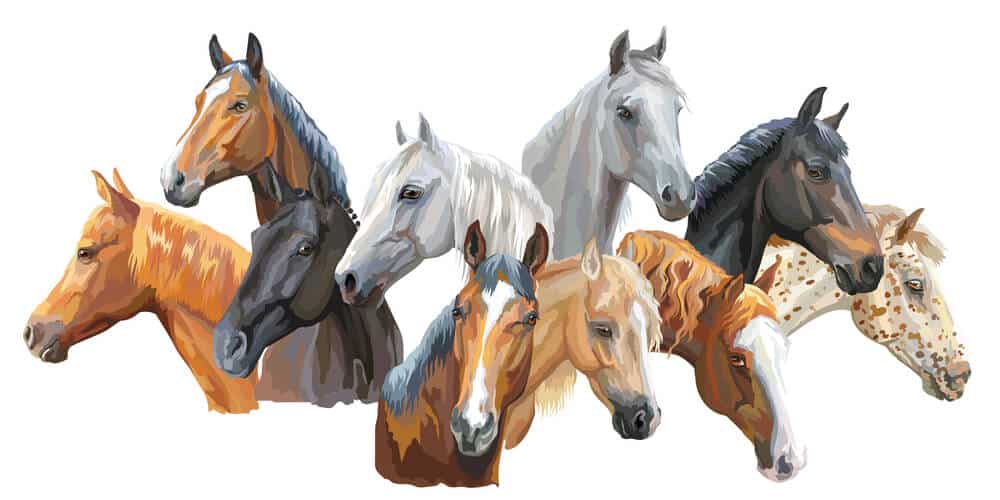
Welcome back to our cozy corner of the web, where today we’re delving into the enchanting world of Welsh horse names. Whether you’re a history buff, an equine enthusiast, or simply in search of a powerful name for your new horse, you’ll find that the traditional names of the Welsh Mountain Pony and other native breeds are steeped in a rich tapestry of culture and history.
In the rugged mountainous region of Wales, where sparse vegetation and rough terrain are the norms, the original home of the Welsh Mountain Pony bred a hardy and resilient breed. These ponies, known for their friendly personalities and tremendous endurance, often carried meaningful names that reflected their environment, their roles alongside local farmers, or their own distinct characteristics. From the last Welsh colliery horse to the war horse of the middle ages, these names have echoed through time.
The development of a pony’s name could be influenced by various factors – from its physical attributes like a small head, prominent eyes, or a long neck, to its use in heavy harness work or as nimble pit ponies. Cob types and Welsh pony breeds often received regal names that highlighted their noble statures or mythological figures that underscored their majestic nature.

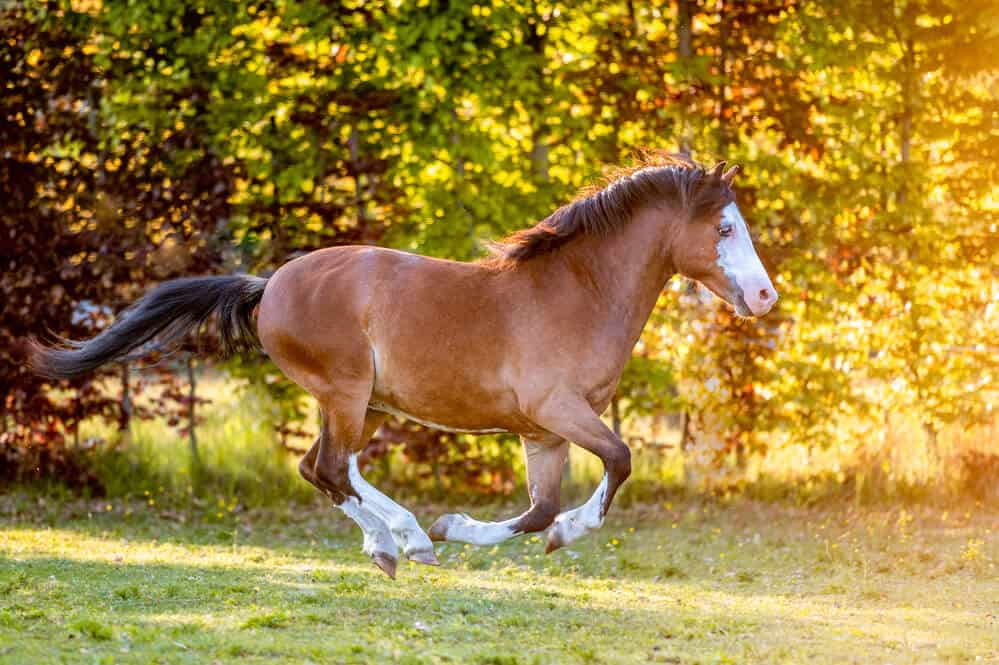
Palomino Welsh Cob
As we gallop through this post, we’ll explore how these names have evolved from the original Welsh Mountain Pony to modern twists that still honor their heritage. We’ll also look at the easiest way to choose a good name that suits your horse’s personality, whether it’s a white horse with a serene demeanor or a Breton horse with a spirit as wild as the terrain of South Wales.
So, saddle up as we journey through the past to uncover the great names and most popular names that have become a treasured part of Welsh culture.
Origins of Welsh Horse Names
Welsh horse names have a rich tapestry that reflects Wales’s deep-rooted history and cultural heritage. From the influence of ancient myths to the hardworking spirit of coal mining communities, these names carry stories of endurance and significance.
Historical Significance
In the medieval period, Welsh horse names often bore witness to historical milestones. The names might be connected to significant figures or events—a tradition not uncommon in the midsection ages. For example, a horse might be named ‘Tudor’ after Henry Tudor, hinting at its royal lineage or a connection to important Welsh history.
Influence of Welsh Mythology
The Bronze Age and the Roman Empire left imprints on Welsh culture that extend to horse names. Legends from these times inspired names brimming with mythical quality. Horses might carry names linked to sorceresses or heroes from Welsh mythology, grounding them in a tradition of mighty endurance and otherworldly charm.
The Legacy of Coal Mining
The coal mines of Wales, once the nation’s industrial heartbeat, also play a role. Names such as ‘Glowyr’ (Welsh for miner) evoke the resilience and strength of the coal mining communities. This reflects the mighty endurance of both the horses working alongside the miners and the steadfast character of the Welsh people.
Welsh Pony and Cob Varieties
The Welsh breed encompasses a charming range of ponies and cobs, categorised into distinct sections by their height, build, and purpose. This ensures a perfect match for various equestrian disciplines and rider preferences.
Section A: Welsh Pony of Cob Type
Section A, also known as the Welsh Mountain Pony, is the smallest of the breed. Standing no taller than 12 hands (48 inches), these ponies are noted for being hardy and having a gentle temperament. Often used to teach children to ride, the Welsh Mountain Pony represents the foundation of the breed’s development.
Section B: Welsh Pony
Section B ponies exhibit a refined elegance and are slightly taller than their Section A counterparts, ranging between 12 and 13.2 hands (48 and 54 inches) in height. The Welsh Pony is celebrated for its excellent temperament and is a popular choice as a riding pony for children and small adults.
Section C: Welsh Pony of Cob Type
Section C ponies, or the Welsh Pony of Cob Type, are known for their extra strength and cob characteristics, allowing for versatility on and off the saddle. These ponies stand up to 13.2 hands (54 inches) high and often display a more substantial build with greater bone density than the lighter Section B.
Section D: Welsh Cob
Section D, the Welsh Cob, is the largest group, consisting of robust cobs that can carry an adult comfortably. These cobs meet the demand for both riding and driving purposes with their powerful stature, standing taller than 13.2 hands. A Welsh cob stallion is particularly admired for its striking presence and strength, symbolising the pinnacle of the breed’s development into a versatile and powerful equine companion.
Naming Traditions and Meanings
In Welsh horse naming traditions, the choice of a name carries significant weight, often reflecting the horse’s physical attributes or the breeder’s aspirations. These names have historical significance and remain an important aspect of breeding multipurpose cobs.

Welsh Mountain Pony
Significance of Traditional Names
Welsh horse names traditionally follow specific guidelines, with deep-rooted importance in the culture. Breeders select names that resonate with the horse’s characteristics or the heritage of the breed. For instance, Dafydd (pronounced “Davith”), meaning “beloved”, could be chosen for a horse that shows particular affection and closeness to humans.
Understanding Name Meanings
Names are often selected based on their meanings, typically in the Welsh language. Ceinwen, meaning “fair and blessed”, is given traditionally to horses with a white coat. Another example is Branwen which translates to “beautiful raven” and might suit a horse with dark, lustrous fur.
| Welsh Name | Meaning |
|---|---|
| Eira | Snow |
| Gwynfor | Great white or blessed |
| Seren | Star |
Adaptations in the Modern Era
In the modern era, Welsh horse names still honour these conventions but also incorporate contemporary influences. Names such as Seren (meaning “star”) have gained popularity, blending traditional significance with the owner’s personal tastes or current trends. Breeders still consider the historical significance of names, but they also adapt to the evolving culture. Ensuring Welsh horse names are both timeless and modern.
Selecting the Perfect Name
Choosing the right name for a horse is both a creative and thoughtful process, especially when you desire a name that resonates with the horse’s individuality. It should be an embodiment of both the animal’s physical traits and spirited nature.
Reflecting Horse Characteristics
When selecting the perfect name, it’s important to consider the horse’s unique characteristics, such as a trace of Arabian blood which could suggest exoticness and strength. A name that reflects these features honours the horse’s lineage and appearance. For example, a horse displaying the proud bearing typical of a stallion might suit a name like “Ari”, meaning noble.
Considering Horse Personality
Deliberating over a horse’s name necessitates an understanding of their personality. You should observe whether the horse demonstrates a particularly cheerful disposition, implying a good assay, or if they carry themselves with a sense of sternness befitting a more serious name. Names like “Willow” for a horse with a gentle personality or “Blaze” for one with a fiery spirit could be suitable.
Incorporating Welsh Elements
Welsh horse names often come with deeply rooted cultural significance. One can incorporate Welsh elements by choosing names that are not only phonetically pleasing but also hold meaning. For proud stallions, a name such as “Cadfael” meaning battle prince, could be apropos, while “Deryn”, meaning bird, might suit a light and nimble mare. Utilising Welsh names is an excellent way to pay homage to a horse’s Welsh heritage.
Each name carries a weight of history and meaning that can complement a horse’s identity, creating a bond and presence that goes beyond the stable.
Popular Welsh Horse Names
In 2024, Welsh horse names continue to charm with their melodious sounds and deep connections to the culture and landscape of Wales. This section explores the names that are trending, and the distinctions between names for mares and stallions.
Trends in 2024
The year 2024 has seen an uptick in the use of traditional Welsh names for horses. Names that encapsulate the spirit and enduring qualities of the Welsh breeds have grown particularly popular. Owners also favour names that are easy to remember and articulate. This helps to ensure their horse stands out in competitive environments and social settings.
Popular Welsh Pony Names
Here are some Welsh pony names that are commonly admired for their beauty and cultural significance
| Welsh Pony Name | Meaning |
|---|---|
| Aneirin | “Noble” |
| Branwen | “Beautiful raven” |
| Carwyn | “Blessed love” |
| Dafydd | “Beloved” |
| Eirlys | “Snowdrop” |
| Glyn | “Valley” |
| Heledd | “Esteemed” |
| Ieuan | “Young” or “Youthful” |
| Llinos | “Linnet bird” |
| Myfanwy | “My lovely little one” |
| Rhian | “Maiden” |
| Sioned | Welsh form of Jane, “God is gracious” |
| Talfryn | “High hill” |
| Wyn | “Blessed” or “Fair” |
| Ysbail | “Esteem” or “Respect” |
Names for Welsh Mares and Stallions
When naming mares and stallions, there are suggestions that one may consider to ensure the name reflects the horse’s characteristics.
For mares:
- Seren (Star) – Embodies a mare with a radiant personality.
- Briallen (Primrose) – Suits a gentle and feminine horse.
For stallions:
- Arawn – The name of a mythological Welsh king, perfect for a commanding presence.
- Cai (Rejoice) – Matches a lively and spirited male.
It’s a tradition to choose names that have a ring of nobility or charm, which can often be a nod to Welsh folklore and legends.
Welsh Horse Names For Mares and Their Meanings
| Female Welsh Horse Name | Meaning |
|---|---|
| Angharad | “Much loved” |
| Blodwen | “White flower” |
| Bronwen | “White breast” |
| Ceridwen | “Blessed poetry” |
| Efa | “Life” |
| Fflur | “Flower” |
| Gwendolen | “White ring” |
| Heulwen | “Sunshine” |
| Mali | “Mary” |
| Nerys | “Lady” |
| Olwen | “White footprint” |
| Rhiannon | “Divine queen” |
| Seren | “Star” |
| Tegan | “Beautiful” |
| Wynne | “Fair, pure” |
| Alaw | “Melody” |
| Bethan | Welsh form of Elizabeth, “God is my oath” |
| Carys | “Love” |
| Dilys | “Genuine” |
| Enid | “Soul” or “Life” |
| Ffion | “Foxglove” |
| Glenda | “Pure” or “Clean” |
| Haf | “Summer” |
| Luned | “Idol, image” |
| Megan | Welsh form of Margaret, “Pearl” |
| Nest | “Generosity” |
| Rhonda | “Good spear” |
| Sian | Welsh form of Jane, “God is gracious” |
| Twila | “Woven with a double thread” |
| Yseult | “Fair” |
Welsh Horse Names For Stallions or Geldings and Their Meanings
| Male Welsh Horse Name | Meaning |
|---|---|
| Arawn | “Unrestrained wildness” |
| Emyr | “Honor” |
| Griffin | “Lord, prince” |
| Morgan | Derived from “mor” meaning sea and “cant” meaning circle |
| Dillon | “Like a lion” or “loyal” |
| Llewellyn | “Leader” or “like a lion” |
| Rhys | “Enthusiasm” or “ardor” |
| Bryn | “Hill” |
| Gwyn | “White, fair, blessed” |
| Iolo | “Worthy Lord” |
| Cadoc | “Battle” |
| Dewi | “Beloved” or “Friend” |
| Harri | “Home ruler” |
| Idris | “Ardent lord” |
| Ifor | “Archer” or “Bow warrior” |
| Madoc | “Fortunate” or “Benefactor’s son” |
| Owain | “Young warrior” or “Noble born” |
| Rhodri | “Wheel king” or “King of the wheel” |
| Taliesin | “Shining brow” |
| Vaughan | “Small” or “Little” |
These names are steeped in Welsh culture and history, providing a beautiful and meaningful identity for your female horse.
Celebrity Horse Name Inspirations
Welsh horses owned by celebrities have often influenced common naming trends. When celebrities share stories of their horses, their animals’ names can become more desirable:
- Apollo – Chosen by someone with a penchant for powerful draft horses.
- Teddy – Often picked for gentle geldings, it embodies the notion of a special gift or companion.
Owners tend to tidy up the list of potential names with a focus on those that resonate personally or connect with the horse’s unique identity. This approach ensures the name picked is both meaningful and fitting for the horse’s character.
Welsh Naming Practices Around the World
Welsh horse naming conventions have travelled far beyond Wales, taking root and adapting within different cultures globally. These practices reflect a respect for heritage and a continuation of tradition in horsemanship.
Names in the United Kingdom
In the UK, Welsh horse names are deeply rooted in the region’s history and often hold significant meaning. For instance, Ceinwen—meaning “fair and blessed”—is commonly given to pale-coated mares. Reflecting Welsh traditions that tie a horse’s name to its physical features or temperament. The respect for foreign lineage enforcement ensures that Welsh horses bred in the UK often carry traditional names, maintaining the connection to their Welsh heritage.
- Examples of Traditional Welsh Horse Names in the UK:
- Dafydd (David): Beloved or dear
- Branwen: White raven, linking to the animal’s coat color and Welsh mythology
Adoptions in the United States
Horse enthusiasts in the United States have embraced Welsh naming practices. Particularly within communities that celebrate Celtic heritage or participate in horse breeding with foreign lineages. Although the names may adapt to American English phonetics, the essence of Welsh tradition is preserved, especially in societies that prize pure breeds and lineage tracing.
- Popular Adaptations of Welsh Names in the US:
- Gwyneth: Blessed or happy, often Americanised in pronunciation
- Rhiannon: Great queen, name influenced by Welsh goddesses
Registry and Show Names for Welsh Ponies and Cobs
When registering Welsh Ponies and Cobs with the appropriate societies, breeders and owners must carefully select show names that adhere to specific guidelines, which are pivotal for stud book entry and distinction in show rings.
Stud Book Entries
The Welsh Pony & Cob Society of America maintains a comprehensive stud book that requires all entries to be unique and conform to their naming standards. Each Welsh pony or cob must be registered under a name that hasn’t been used before. The society updates their lists of registered prefixes periodically to prevent duplication. Potential owners can refer to the society’s Prefix List, which is available online and includes entries from A to Z, ensuring that their chosen name is not already taken. Moreover, any pony produced via artificial insemination or embryo transfer needs DNA typing.
Choosing a Show Name
Selecting a show name for a pony or cob is an important step in preparing for competition in the show rings. It’s essential to pick a name that reflects the animal’s heritage and character, which is often steeped in Welsh tradition. A show name not only distinguishes the pony or cob in competitions but also can convey its lineage, attributes, or the breeder’s identity. Cob Society of America-registered prefixes can significantly influence show name choices, adding a layer of prestige and recognition in competitive circles. Owners should consider these nuances to ensure their pony or cob stands out amongst peers.

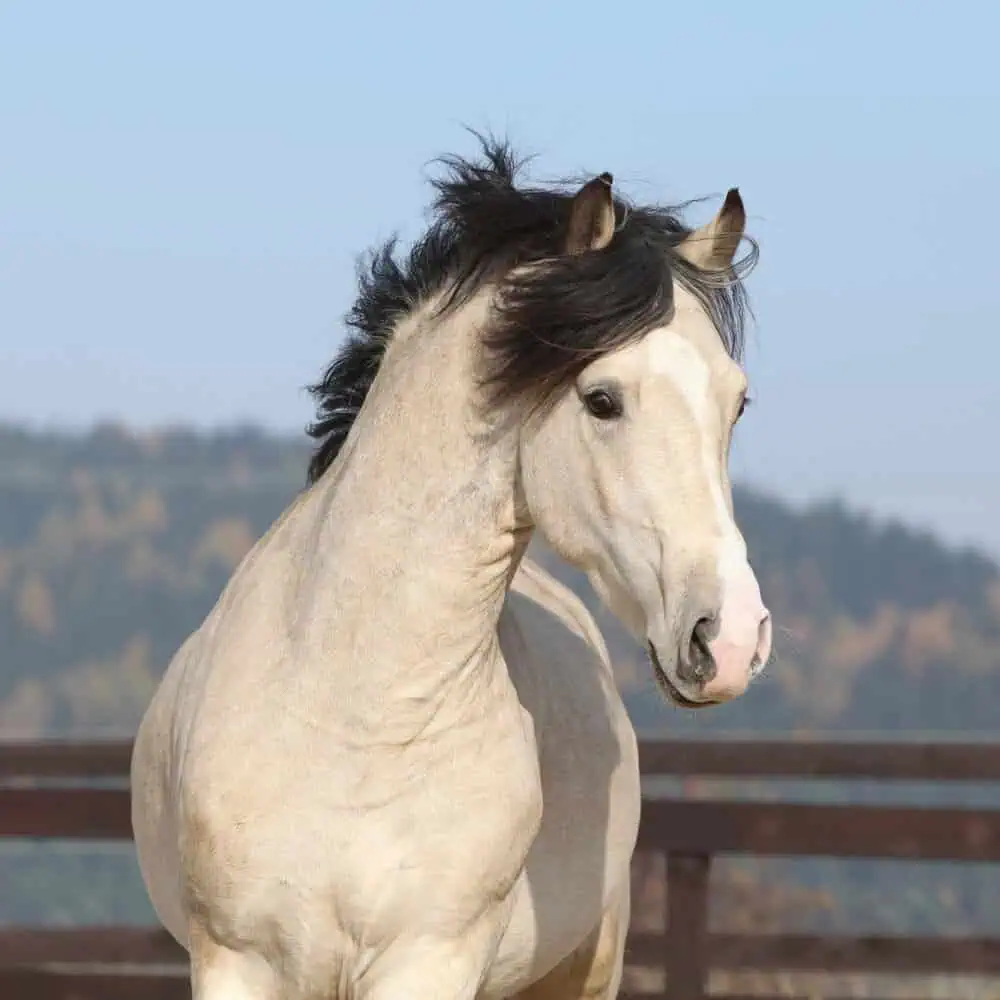
Buckskin Welsh Pony
Cultural Importance and Preservation
Welsh horse names carry with them a treasure of history and a connection to the cultural heritage of Wales. They offer a window into the past and the roles these equines have played in Welsh society.
Roles in Welsh Culture
The native ponies and the Welsh Cob are intertwined with Welsh culture, embodying the spirit and resilience of the region. These horses have served multiple roles, from being a crucial means of transport to featuring in cultural ceremonies and folklore. Names often reflect these functions and the horse’s versatility, a key aspect of their identification. For instance, historical figures and mythological entities lend their names to these animals, cementing their status in Welsh heritage.
Conservation Efforts for Native Breeds
The preservation of native breeds, such as Welsh ponies and the Welsh Cob Stallion, is vital for maintaining the genetic diversity and the rich history they represent. Organisations in Wales actively work to ensure these breeds are not lost to time by maintaining stud books and breeding programmes. An important aspect of this preservation is the continuation of traditional Welsh equine names, which are often charged with historical significance and contribute to the cultural identity of these breeds.
Final Thoughts
As we rein in our exploration of Welsh horse names, it’s clear that these names are more than just a series of english words strung together; they’re a testament to the history and heart of Wales. From the bands of mares that once roamed free in the Welsh countryside to the last Welsh colliery horse that symbolized the end of an era, each name carries a story.
If you’re considering a name for your Welsh pony or cob, think of a traditional name. That might reflect its heritage. Whether it’s a name that hints at the original Welsh Mountain Pony’s survival, or one that pays homage to a mythological figure from Celtic lore. Perhaps a regal name that speaks to the breed’s status as the original war horse of the middle ages, or a more human name that captures its friendly personality.
Traditional or Modern?
Embracing the traditional names doesn’t mean you can’t add modern twists. The easiest way to make a name your own is to consider your horse’s unique traits. Does your mare have the same powerful presence as the great names of old? Or does your colt exhibit a spirited nature similar to the ponies that traversed the rough terrain of South Wales? The key is to find a balance between the meaningful names of yesteryear and the personal connection you share with your horse today.
Remember, the horse’s personality is paramount when selecting a good name. It’s not about picking the most popular names from the top of your head. It’s about finding that perfect match that resonates with both the horse and its lineage. Whether you’re inspired by the last Welsh colliery horse known for its tremendous endurance or the elegance of the Welsh pony breed. The name you choose will become part of your horse’s identity.
So, whether you’re celebrating the arrival of a new horse or simply honoring the history of these magnificent animals. Welsh horse names offer a connection to the past that can inspire the stories we create for the future. Choose with care, and your Welsh horse will carry not just a name, but a piece of heritage!