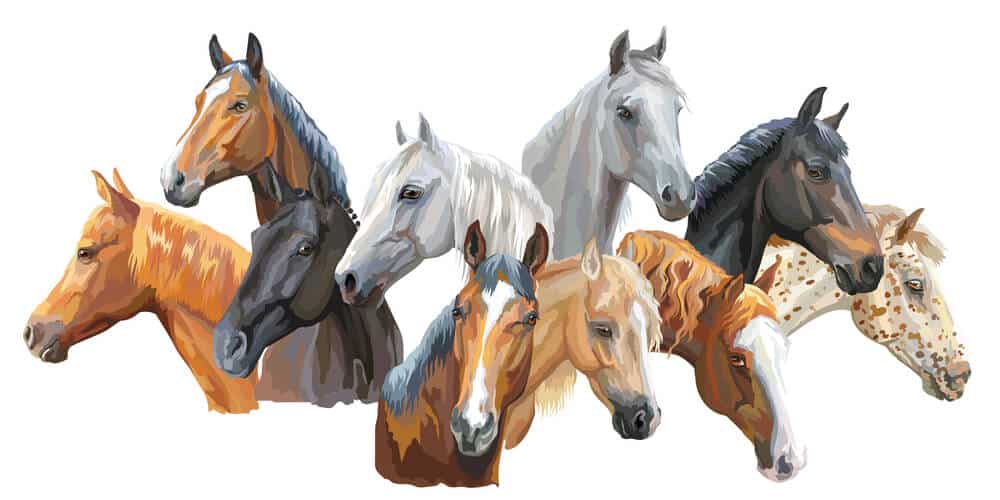
Hey! Today I’m back with lots of different Chinese horse names for your special new horse! We all know that choosing the right name for a horse can be an enchanting journey, especially when exploring names rooted in Chinese culture and mythology. From names reflecting natural elements to those steeped in legendary tales, Chinese horse names carry profound meanings and rich histories. These names can give a horse qualities of elegance, power, and mystique!
For those looking for names that embody nobility and mystery, options like “紫云马 (Zǐ yún mǎ) – A horse associated with purple clouds,” present captivating choices. Others like “玉骏马 (Yù jùn mǎ) – A horse with a beautiful and valuable coat, resembling jade,” highlights the significance of beauty and value in Chinese naming traditions.

Exploring these names opens up a world of symbolic and descriptive terms perfect for naming any horse. They are different from your everyday perfect name! So whether it’s a mythical creature like Qilin or names that signify grace such as Ayame, the depth and variety within Chinese horse names provide an intriguing palette for any horse people to consider. Come on then, let’s go and explore the world of Chinese horse names and discover snippets of Chinese mythology along the way!
The Significance of Names in Chinese Culture
Names in Chinese culture carry profound meanings and are often chosen with great care. These names not only convey qualities and aspirations but also reflect deep-seated traditional values.
Understanding Chinese Characters
Chinese characters play a crucial role in naming due to their rich and layered meanings. Each character can represent different ideas, emotions, or objects.
When choosing names, parents consider the characters’ meanings, sounds, and strokes. A good name must have a harmonious balance. For example, a horse named 玉骏马 (Yù jùn mǎ) uses characters that suggest value, beauty, and resemblance to jade.
It’s essential to select characters that embody virtues and favourable traits. This practice ensures that the name carries positive connotations and brings good fortune.
Naming Conventions and Last Names
In Chinese culture, the family name comes first, followed by the given name. This emphasises the importance of family and heritage.
Given names often consist of one or two characters. Each character is chosen for its meaning and the positive qualities it evokes. Strength, wisdom, and prosperity are popular themes.
Sometimes, names reflect the family’s hopes for the individual. For example, a person named 伟 (Wěi) might hope to grow up great or mighty. Names act as a cultural bridge that connects the past with the future, illustrating one’s heritage and personal story.
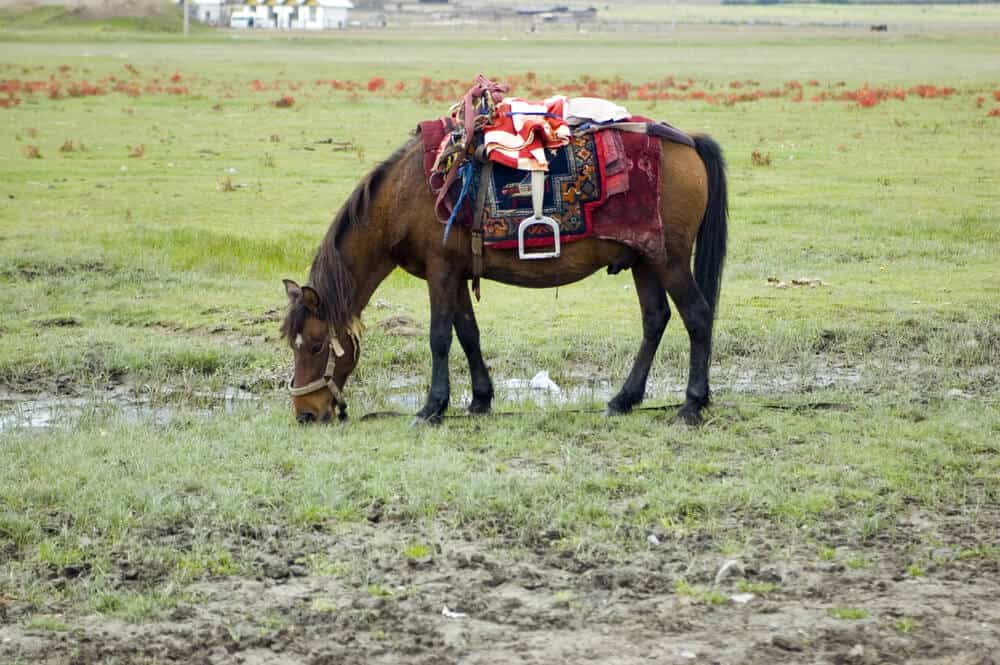
Horses in Chinese Mythology and History
Horses have held a significant role in Chinese mythology and history, featuring prominently in various legends and classic literary works. Their symbolism often connects to themes of power, speed, and divine protection.
Legendary Horses and Their Stories
In Chinese mythology, several legendary horses stand out. One of the most famous is the Heavenly Horse (Tianma), which was believed to be a dragon-like horse that could fly. The “Book of Wei” records that Cao Cao’s prized steed, Chi Tu, was known as the “Red Hare” and reputed for its incredible speed and endurance.
Another notable example is Dilu, a horse said to have saved Liu Bei, a key figure in the Three Kingdoms period, during a critical battle. These legends showcase the horse as a symbol of loyalty and strength.
Influence of the Horse in Chinese Literature
Horses are also central figures in Chinese literature. They are often used as metaphors for noble qualities. The Book of Han recounts how horses were traded along the Silk Road, highlighting their value. The famous Journey to the West features a white dragon horse that serves as a loyal companion to the monk Xuanzang.
In classic poetry, horses frequently symbolise the warrior spirit. Many poems from the Tang and Song dynasties celebrate the bond between warriors and their steeds, illustrating the cultural reverence for horses.
Chinese Mythology Horse Names
| Name | Meaning |
|---|---|
| 紫云马 (Zǐ yún mǎ) | Horse associated with purple clouds |
| 玉骏马 (Yù jùn mǎ) | Horse resembling the precious gemstone jade |
| 雷霆马 (Léi tíng mǎ) | Horse linked with thunder and lightning |
| 赤兔馬 (Chi Tu Ma) | Red Hare, Cao Cao’s prized steed |
| 地祿 (Dilu) | Liu Bei’s legendary horse |
These names underscore how horses were admired and immortalised in Chinese mythology and culture, reflecting their esteemed status throughout Chinese history.
The Art of Choosing a Chinese Horse Name
Selecting the perfect Chinese horse name involves understanding the meanings behind the names and matching them to the horse’s personality. This practice ensures the name is not just unique, but also resonates on a deeper level.
Meanings Behind the Names
Chinese horse names often hold profound meanings. Names can reflect characteristics such as colour, behaviour, or even mystical elements. For example, 紫云马 (Zǐ yún mǎ) symbolises nobility and mystery, while 玉骏马 (Yù jùn mǎ) signifies beauty and value, likened to jade – a gorgeous unique horse name. Understanding these meanings can help in choosing a name that aligns with your horse’s attributes and presence.
Interpreting the Horse’s Personality
Choosing good names involves evaluating the horse’s personality. A calm horse might be called Chai, meaning “tea” in Chinese, indicating serenity. A horse with a strong temperament might fit 雷霆马 (Léi tíng mǎ), representing thunder and lightning. By interpreting personality traits, owners can give names that truly represent the essence of their majestic horse.
Fast Chinese horse names
| Chinese Name | Pinyin | Meaning |
|---|---|---|
| 飞龙马 | Fēi lóng mǎ | Flying Dragon Horse |
| 闪电马 | Shǎn diàn mǎ | Lightning Horse |
| 疾风马 | Jí fēng mǎ | Swift Wind Horse |
| 追风马 | Zhuī fēng mǎ | Wind Chaser Horse |
| 飞燕马 | Fēi yàn mǎ | Flying Swallow Horse |
| 迅捷马 | Xùn jié mǎ | Rapid Horse |
| 飞鹰马 | Fēi yīng mǎ | Flying Eagle Horse |
| 疾驰马 | Jí chí mǎ | Galloping Horse |
| 速龙马 | Sù lóng mǎ | Speedy Dragon Horse |
| 飞箭马 | Fēi jiàn mǎ | Flying Arrow Horse |
These names reflect the speed of a fast horse and agility associated with these majestic animals.
Funny Chinese Horse Names
| Name | Meaning |
|---|---|
| 笨笨马 (Bèn bèn mǎ) | Silly horse |
| 滑稽马 (Huá jī mǎ) | Comical horse |
| 东倒马 (Dōng dǎo mǎ) | Stumbling horse |
| 搞笑马 (Gǎo xiào mǎ) | Laughing horse |
| 蔬菜马 (Shū cài mǎ) | Vegetable horse (for greenish coats) |
Cool Chinese Horse Names
| Name | Meaning |
|---|---|
| 龙骑马 (Lóng qí mǎ) | Dragon rider horse |
| 星耀马 (Xīng yào mǎ) | Star brilliance horse |
| 风影马 (Fēng yǐng mǎ) | Wind shadow horse |
| 幻影马 (Huàn yǐng mǎ) | Phantom horse |
| 战士马 (Zhàn shì mǎ) | Warrior horse |
Cute Chinese Horse Names
| Name | Meaning |
|---|---|
| 小花马 (Xiǎo huā mǎ) | Little flower horse |
| 球球马 (Qiú qiú mǎ) | Ball horse |
| 宝贝马 (Bǎo bèi mǎ) | Baby horse |
| 糖果马 (Táng guǒ mǎ) | Candy horse |
| 爱心马 (Ài xīn mǎ) | Love horse |
Happy Chinese Horse Names
| Name | Meaning |
|---|---|
| 快乐马 (Kuài lè mǎ) | Happy horse |
| 微笑马 (Wēi xiào mǎ) | Smiling horse |
| 阳光马 (Yáng guāng mǎ) | Sunshine horse |
| 乐趣马 (Lè qù mǎ) | Joy horse |
| 欢庆马 (Huān qìng mǎ) | Celebration horse |
Powerful Chinese Horse Names
| Name | Meaning |
|---|---|
| 强壮马 (Qiáng zhuàng mǎ) | Strong horse |
| 力量马 (Lì liàng mǎ) | Power horse |
| 巨人马 (Jù rén mǎ) | Giant horse |
| 劲速马 (Jìn sù mǎ) | Swift horse |
| 猛士马 (Měng shì mǎ) | Brave horse |
The Aesthetics of a Name
A good name must have a beautiful sound. When spoken, it should flow smoothly and capture the essence of the horse. Names like 风影马 (Fēng yǐng mǎ), which translates to “Wind Shadow Horse,” sound pleasant and evoke imagery. Matching aesthetics to the horse’s grace or strength enhances the connection between owner and horse.
Beautiful Chinese Horse Names
| Name | Meaning |
|---|---|
| 玉骏马 (Yù jùn mǎ) | Jade horse |
| 天宝马 (Tiān bǎo mǎ) | Heavenly treasure horse |
| 流星马 (Liú xīng mǎ) | Meteor horse |
| 紫霞马 (Zǐ xiá mǎ) | Purple cloud horse |
| 秋水马 (Qiū shuǐ mǎ) | Autumn water horse |
Chinese Zodiac and Horse Names
Chinese zodiac names and the symbolism behind them play a significant role in naming horses. The Year of the Horse holds particular importance, influencing naming conventions and cultural perceptions of these noble animals.

Year of the Horse and Its Importance
The Year of the Horse: According to the Chinese zodiac, the horse is one of the 12 animals representing certain years. Prominent horse years include 1990, 2002, 2014, and the upcoming 2026. Horses born in these years are believed to exhibit characteristic traits such as energy, intelligence, and resilience.
Symbolism in Names: Names for horses often reflect the attributes associated with these qualities. For instance, names like 雷霆马 (Léi tíng mǎ) symbolising thunder and lightning, highlight speed and power. Such names are not only meaningful but also culturally significant, linking the animal’s spirit to its zodiac essence.
Inspiration for Naming: Names based on the zodiac and specific traits make the naming process both artistic and symbolic. Popular choices include 紫云马 (Zǐ yún mǎ) for nobility and 玉骏马 (Yù jùn mǎ) for grace. These names connect to the esteemed values and characteristics thought to be bestowed on those born in the Horse year. This blend of astrology and personality fosters a rich tradition in equestrian naming practices.
Cultural and Linguistic Nuances in Names
Names for horses often carry deep cultural meanings, symbolising aspects of nature, power, nobility, and mythology. These names reflect regional traditions, translation challenges, and influences from neighbouring cultures like Japan.
Regional Variations and Central Asia
Horse names vary significantly across regions in China, often influenced by local dialects and cultural practices. In some parts, you might find names like “紫云马” (Zǐ yún mǎ) which evoke images of purple clouds, symbolising mystery and nobility. Meanwhile, 雷霆马 (Léi tíng mǎ) is popular in regions that value strength and speed, as it means Thunder Horse.
In Central Asia, horse names often draw from broader mythological and historical influences. These areas may also use names that emphasise physical attributes or abilities, blending Chinese cultural elements with their own unique traditions.
Translations and Naming in English
Translating Chinese horse names into English can be complex. The name “玉骏马” (Yù jùn mǎ) literally means Jade Steed, highlighting the horse’s beauty and preciousness. Translators must consider both the literal meaning and cultural significance, ensuring the name retains its essence.
Moreover, cultural nuances can get lost in translation. A name might sound majestic in Chinese but could appear ordinary in English. For example, 白马 (Bái mǎ) simply means White Horse, which might not convey the same elegance in English.
Incorporating Japanese Words
If you are a regular reader of here, you may recall my epic post on Japanese horse names. They go hand in hand with the Chinese culture don’t you think? When naming horses, some Chinese owners incorporate a Japanese word due to cultural exchanges. The name Ayame is a lovely choice, meaning iris in Japanese, and it suggests grace and elegance. Chinese names like Chai (tea) or Bai (white) blend seamlessly with Japanese names, creating a multicultural tapestry.
Japanese influences also bring a mystical touch to horse names. Chandra, meaning moon in Hindi and adopted by Japanese speakers, might be used for a tranquil horse. This incorporation enriches the naming tradition, offering a broader range of expressive and meaningful names.
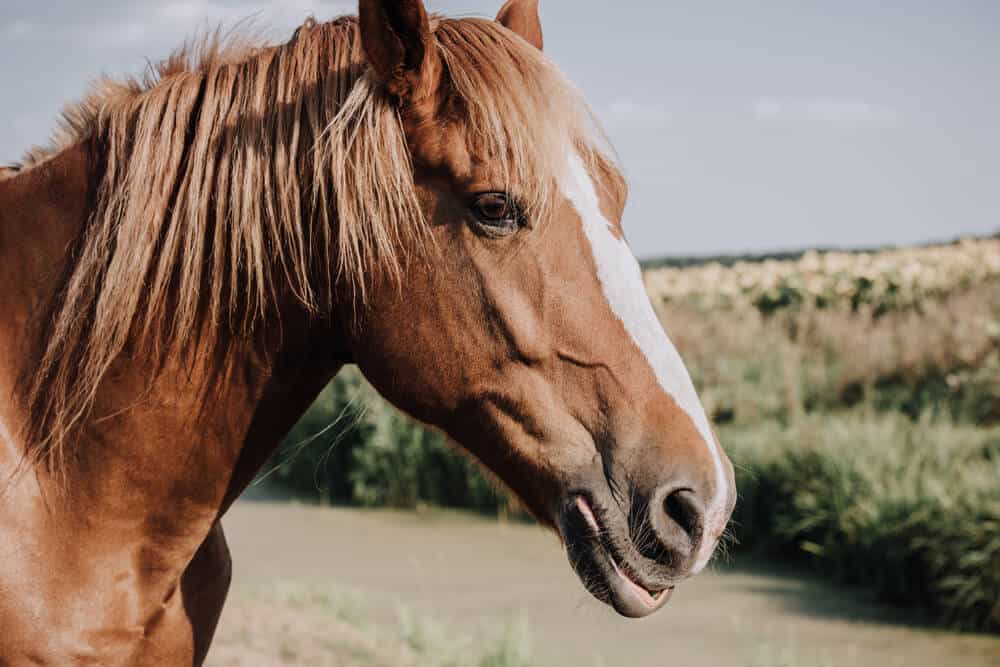
Modern Perspectives on Naming
In today’s world, horse names in China reflect a blend of cultural heritage and modern values. These names often embody characteristics such as strength, beauty, and power, resonating deeply with owners and admirers.
Popular Chinese Horse Names
Chinese horse names today still draw inspiration from history and mythology. Léi Tíng Mǎ (雷霆马) signifies power and speed, associated with thunder. Zǐ Yún Mǎ (紫云马) reflects mystery and nobility, akin to purple clouds. Names like these not only sound appealing but also carry meaningful symbolism.
| Name | Meaning |
|---|---|
| 紫云马 (Zǐ Yún Mǎ) | Purple Clouds, Mystery and Nobility |
| 玉骏马 (Yù Jùn Mǎ) | Beautiful Jade, Value and Elegance |
| 雷霆马 (Léi Tíng Mǎ) | Thunder, Power and Speed |
| 紫龙 (Zǐ Lóng) | Purple Dragon, Majesty and Strength |
| 飞马 (Fēi Mǎ) | Flying Horse, Agility and Freedom |
Chinese Female Horse Names
Female horse names in China often embody beauty, grace, and nurturing qualities. For instance, Huā Xiù (华秀) means elegant flower, reflecting delicacy and beauty. Such names are chosen to complement the gentle and nurturing nature of mares.
| Name | Meaning |
|---|---|
| 花秀 (Huā Xiù) | Elegant Flower, Beauty and Grace |
| 雪莲 (Xuě Lián) | Snow Lotus, Purity and Rarity |
| 慧星 (Huì Xīng) | Comet, Brilliance and Mystery |
| 绮丽 (Qǐ Lì) | Beautiful and Rare, Elegance |
| 慧兰 (Huì Lán) | Wise Orchid, Intellect and Grace |
Male Chinese Horse Names
Male horse names typically reflect strength, nobility, and power. Yú Lóng (玉龙) means Jade Dragon, signifying beauty and strength. These names resonate with qualities desired in strong, dependable stallions.
| Name | Meaning |
|---|---|
| 玉龙 (Yù Lóng) | Jade Dragon, Strength and Beauty |
| 翔龙 (Xiáng Lóng) | Soaring Dragon, Nobility and Power |
| 铁马 (Tiě Mǎ) | Iron Horse, Durability and Resilience |
| 巨力 (Jù Lì) | Great Strength, Power and Might |
| 飞鹰 (Fēi Yīng) | Flying Eagle, Speed and Precision |
Chinese Show Horse Names
Show horses often have names that exude elegance and refinement. Měi Huā (梅花) means Plum Blossom, evoking images of beauty and grace. These names highlight the aesthetic appeal and dignified presence of show horses.
| Name | Meaning |
|---|---|
| 梅花 (Měi Huā) | Plum Blossom, Elegance and Beauty |
| 玉凤 (Yù Fèng) | Jade Phoenix, Grace and Majesty |
| 白雪 (Bái Xuě) | White Snow, Purity and Grace |
| 金玲 (Jīn Líng) | Golden Bell, Charm and Elegance |
| 云雀 (Yún Què) | Skylark, Musical and Free |
Contemporary Names for Chinese Racehorses
Racehorses today are named to symbolise swiftness, agility, and competitive spirit. Fēi Hǔ (飞虎) means Flying Tiger, capturing the essence of speed and ferocity. These names inspire their owners and fans, representing the aspirations placed on these magnificent animals.
| Name | Meaning |
|---|---|
| 飞虎 (Fēi Hǔ) | Flying Tiger, Speed and Ferocity |
| 追风 (Zhuī Fēng) | Chasing Wind, Swiftness and Freedom |
| 雷光 (Léi Guāng) | Lightning, Speed and Power |
| 隼 (Sǔn) | Falcon, Precision and Agility |
| 破风 (Pò Fēng) | Breaking Wind, Speed and Determination |
Each name listed captures the spirit and character desired by horse owners, demonstrating how traditional values and modern aspirations blend seamlessly into contemporary horse naming practices in China.
A List of 100 Chinese Horse Names
Chinese horse names often hold deep meanings and cultural significance. These names can reflect the traits, characteristics, and spirit of the horse. Here’s a diverse selection of names that will appeal to horse enthusiasts.
- Zǐ yún mǎ – Purple Clouds
- Yù jùn mǎ – Jade Steed
- Léi tíng mǎ – Thunder Horse
- Bai – White
- Chai – Tea
- Chandra – Moon
- Ayame – Iris
- Lei Gong – Thunder God
- Xunzi – Music Goddess
- Nezha – Warrior God
- Mofeng – Wind Goddess
- Qi – Energy
- Huaxu – River Goddess
- Wenchang – Culture God
- Xingjun – Stars Goddess
- Nüwa – Mother Goddess
- Pangu – Creator
- Zhēng yī – First
- Fēng huáng – Phoenix
- Lóng – Dragon
- Bǎolóng – Precious Dragon
- Shēngxiào – Zodiac
- Xiǎo mǎ – Pony
- Jīnjié – Golden
- Mò huáng – Ink
- Hóngsè – Red
- Lǜsè – Green
- Lánsè – Blue
- Jīn sè – Gold
- Yín sè – Silver
- Ōuxīn – Star
- Jīng yīng – Elite
- Ānpíng – Peaceful
- Shuāng chéng – Twin
- Fēnghuǎng – Phoenix
- Tiānshǐ – Angel
- Hànyǔ – Chinese
- Dàtóng – Unity
- Qìng – Celebration
- Huá – Splendor
- Méng – Dream
- Zhì – Wisdom
- Dé – Virtue
- Chénzǐ – Morning
- Yǔ – Jade
- Huā – Flower
- Fēng – Wind
- Huǒ – Fire
- Shuǐ – Water
- Tǔ – Earth
- Jīshàng – Aspiration
- Mùlín – Admire
- Róng – Glory
- Zhēnhuáng – Genuine
- Dàmǎ – Big Horse
- Hé – Harmony
- Qí dàn – Unusual
- Dáxián – Great Wisdom
- Yángguāng – Sunshine
- Lì – Power
- Shèng – Victory
- Hóng – Great
- Tàiyáng – Sun
- Yuèliàng – Moon
- Shuǐ – Water
- Huǒ – Fire
- Bǐng fēng – Ice
- Mì – Secret
- Líng – Spirit
- Ménglóng – Dream Dragon
- Qīngxīn – Pure Heart
- Mèng xiǎng – Dreamer
- Qīng – Clear
- Lán huā – Orchid
- Shuāng – Frost
- Hān – Frost
- Xīng – Star
- Fēng – Wind
- Tíng – Court
- Xīn – Heart
- Qí huá – Marvelous
- Àixīn – Love Heart
- Yáng – Sun
- Yīn – Shadow
- Màikè – Michael
- Jīn lóng – Golden Dragon
- Líng mǎ – Clever Horse
- Tiānshū – Heavenly Book
- Huǒ mǎ – Fire Horse
- Yè – Night
- Rì – Day
- Yún – Cloud
- Qiū – Autumn
- Shū – Book
- Mǎnyuàn – Wish
- Zhēnduō – Abundance
- Fùguó – Wealth
- Cǎi – Talent
- Yīng – Hero
- Xiǎo huǒ – Little Fire

Final Thoughts
So here we are at the end of this epic guide! I hope you have found what you came looking for!!
Chinese names offer a unique blend of history, mythology, and poetic imagery.
Mythology: Names like Nüwa and Lei Gong connect the horse to legendary figures, giving it a sense of grandeur and mythic qualities.
Nature: Words like Yù jùn mǎ (“jade horse”) and Léi tíng mǎ (“thunder horse”) bring out the beauty and power associated with natural elements.
Personality: Consider names that reflect the horse’s nature. Chai means “tea” and could suit a calm horse, while Lei (“thunder”) fits a spirited one.
The Best Chinese Names For Horses – I think!
| Name | Meaning |
|---|---|
| 紫云马 | Purple Cloud Horse |
| 白 | White |
| 花 | Flower |
| 玉骏马 | Jade Horse |
| 静 | Still or Quiet |
For a more mythical touch, one might choose Nezha, referencing a warrior deity. For something serene, Chandra embodies tranquillity with its moonlit inspiration.
Delving into the world of Chinese horse names is like embarking on a delightful adventure through culture, history, and mythology. Whether you’re drawn to names that exude elegance and beauty or those that capture the essence of speed and power, there’s a perfect name waiting to match your horse’s unique personality.
From the mysterious allure of “紫云马 (Zǐ yún mǎ)” to the swift grace of “飞龙马 (Fēi lóng mǎ),” these names offer more than just labels. They tell stories, evoke images, and bring a touch of ancient wisdom to your equine companion. So, take your time, explore the rich tapestry of Chinese names, and find the one that resonates with you and your horse. Happy naming!