

You know that feeling when spring finally arrives? The grass starts turning that vibrant shade of green, and your horses are giving you those pleading looks from the stable. As tempting as it is to let them loose on that fresh spring grass, we need to be smart about it. Let’s talk about how to reintroduce grazing to your horses while keeping both your grass and your horses healthy!
Why Timing Matters
I learned this lesson the hard way years ago – letting horses out too early in spring can damage your pastures for the entire season. The ground is usually still soft from winter moisture, and those hooves can tear up the turf faster than you can say “mud season.” Plus, that lush spring grass is like candy to horses, and too much too soon can lead to some serious tummy troubles!
When Is the Right Time?
Here’s what to look for before opening those gates:
- Grass height should be at least 6-8 inches
- The ground should be firm enough that you don’t leave footprints
- Most of the winter moisture has dried up
- Grass has had enough time to establish strong root systems
Fencing Solutions for Smart Grazing
Let’s talk about one of the most important tools in your spring grazing arsenal – proper fencing. Here are some options:
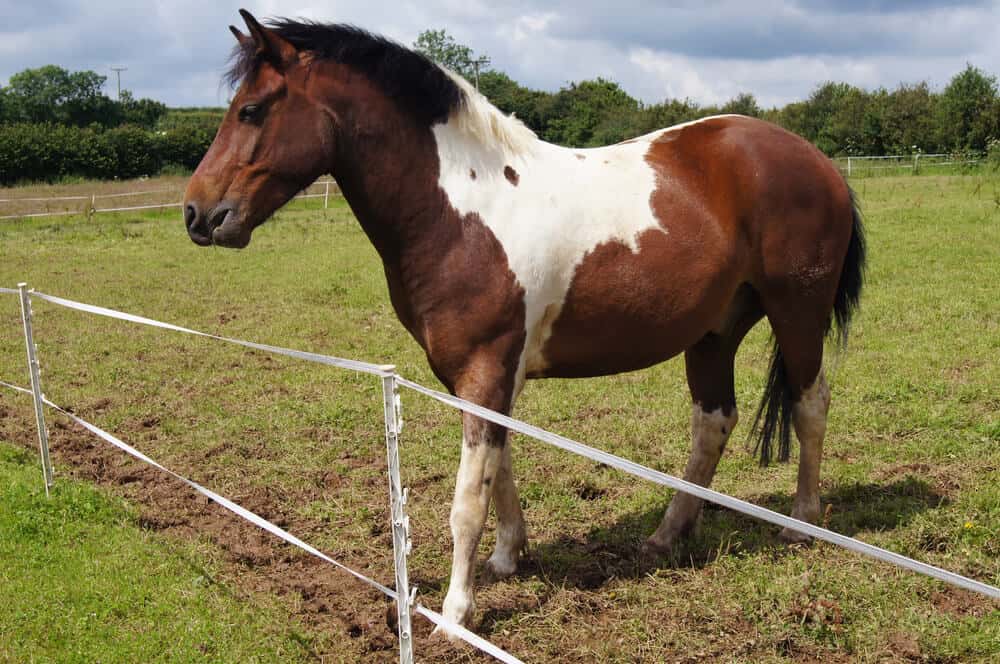
Strip Grazing with Temporary Electric Fencing
This is my absolute favourite method for spring grazing management. Using portable electric fencing, from country supplies you can create small sections within your larger pasture. This way, you’re not overwhelming your horses with too much grass at once, and you’re giving the rest of the pasture time to grow. I recommend using:
- Electric tape fencing (more visible than wire)
- Strong step-in posts (the plastic ones work great)
- A reliable electric fence charger
Permanent Paddock Divisions
If you’re looking for a long-term solution, consider dividing your pasture into permanent sections. This could include:
- Traditional post and rail fencing
- High-tensile wire fencing
- A combination of permanent and temporary fencing
The Reintroduction Schedule
Here’s what works for most horses:
| Week | Grazing Duration |
|---|---|
| 1 | 15-20 minutes, once a day |
| 2 | 30 minutes, once a day |
| 3 | 45 minutes, once a day |
| 4 | Two 30-minute sessions daily |
| 5 | Gradually increase time until they’re out for full sessions |
Pro Tips From Experience:
- Turn horses out when they’ve already eaten their hay – they’ll be less likely to gorge
- Keep an eye on easy keepers – they might need a grazing muzzle
- Move temporary fencing daily if possible
- Always ensure horses have access to fresh water in their grazing area
Maintaining Pasture Health
While managing your horses’ grazing time, don’t forget about pasture care:
- Harrow or drag pastures to spread manure
- Consider overseeding bare patches
- Rest paddocks when grass gets below 3-4 inches
- Remove weeds before they go to seed
Common Mistakes to Avoid
Trust me, I’ve seen (and made) my share of spring pasture mistakes:
- Turning horses out too early when the ground is still soggy
- Allowing horses to overgraze new growth
- Forgetting to check fence lines after winter damage
- Not having a backup plan for wet weather
Looking Ahead
Remember, how you manage your spring grazing sets the tone for your entire grazing season. Take it slow, be patient, and your pastures will reward you with healthy grass all season long.
Have you started planning your spring grazing strategy yet? I’d love to hear about your experiences with different fencing solutions or any clever tricks you’ve discovered for managing spring turnout.