
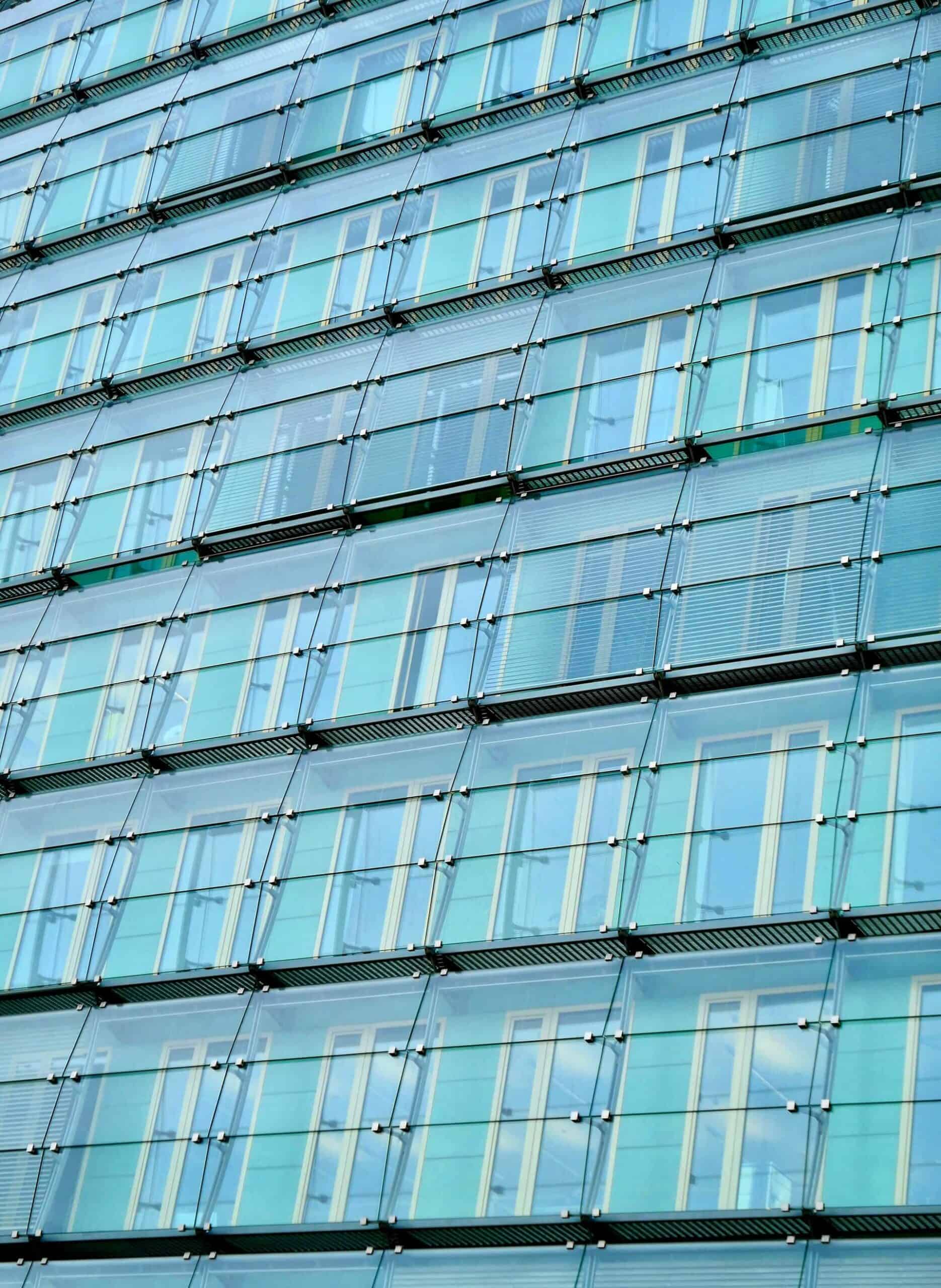
Modern construction increasingly relies on modular facade solutions to address challenges like lengthy timelines, poor energy performance, and limited design flexibility. These wall systems deliver faster installation, higher thermal efficiency, and unparalleled architectural freedom, making them ideal for both new builds and retrofits. With innovations such as prefabricated wall panels and interior installation methods, modular facade solutions are reshaping the future of sustainable construction.
Table of Contents
- Revolutionizing Construction with Modular Facade Solutions
- Thermal Efficiency and Energy Savings in Modern Buildings
- Streamlined Installation Processes for Faster Project Completion
- Final Thoughts on Modular Facade Solutions in Modern Construction
The construction industry is undergoing a transformation, driven by the need for faster timelines, improved energy performance, and sustainable design solutions. At the heart of this evolution lies modular facade solutions, a game-changing innovation that addresses the complexities of modern building projects. These wall systems not only streamline construction processes but also deliver superior thermal efficiency and adaptability to meet diverse architectural visions.
For architects, engineers, and developers, modular facade solutions are proving indispensable. Backed by decades of engineering expertise, advanced wall systems integrate seamlessly into both new builds and retrofits, offering customizable designs and rapid installation methods. With their ability to reduce costs, enhance occupant comfort, and support sustainability goals, modular facades are reshaping how buildings are constructed.
As the demand for high-performance structures grows, understanding these innovations becomes essential for staying ahead in the industry.
Revolutionizing Construction with Modular Facade Solutions
The construction industry is evolving rapidly, with modular facade solutions at the forefront of this transformation. These wall systems are designed to address some of the most pressing challenges in modern building projects, including lengthy timelines, energy inefficiency, and design limitations. By integrating advanced engineering principles with sustainable practices, modular facades are redefining how buildings are constructed and operated.
The Role of Prefabricated Systems in Modern Construction
Prefabricated curtain wall systems are a cornerstone of modular facade technology. These systems arrive on-site fully assembled, reducing the need for multiple trades and minimizing on-site disruptions. Key benefits include:
- Reduced installation time: Up to 80% faster than traditional methods.
- Enhanced quality control: Manufactured in controlled environments to ensure precision.
- Lower risk of weather delays: Interior installation minimizes exposure to external conditions.
This approach not only accelerates project timelines but also supports safer, cleaner worksites – critical for space-constrained urban environments.
Addressing Energy Performance Goals
One of the standout features of modular facades is their ability to deliver superior thermal efficiency. For instance, innovations like the Patented Thermal Plenum Technology have achieved effective R-values exceeding R26, significantly reducing energy waste. This makes modular facades an ideal choice for projects aiming to meet stringent building codes and sustainability benchmarks.
By prioritizing thermal performance, these wall systems contribute to occupant comfort while lowering operational costs – a win-win for both developers and end-users. While speed and energy efficiency are critical, the true versatility of modular facade solutions lies in their architectural flexibility.
Thermal Efficiency and Energy Savings in Modern Buildings
As energy performance becomes a top priority in construction, modular facade solutions are emerging as a key driver of sustainability and efficiency. These wall systems are engineered to address critical building envelope challenges, such as air leakage, thermal bridging, and carbon emissions, while delivering long-term energy savings.
The Science Behind High-Performance Facades
At the heart of modular facade technology lies advanced engineering that optimizes thermal performance. For instance, innovations like the Patented Thermal Plenum Technology have achieved effective R-values exceeding R26, with some systems reaching up to R30. This level of thermal efficiency translates into significant reductions in heating and cooling costs, making buildings more economical to operate over their lifespan.
By integrating multiple layers – each designed to address air, water, fire, and thermal performance – these facades create a robust barrier against energy loss. This not only supports envelope-first design strategies but also helps projects meet or exceed stringent energy codes.
Supporting Net-Zero Carbon Goals
The push toward net-zero carbon buildings is another area where modular facades excel. By using recycled and recyclable materials, these systems reduce the environmental impact of construction. Additionally, their ability to lower greenhouse gas emissions through improved energy efficiency aligns with global sustainability initiatives.
Projects utilizing these solutions can achieve energy use intensities (EUI) as low as 131 kWh/m²/year, showcasing their potential for high-performance outcomes.
A Practical Example: Academic Wood Tower
One notable project demonstrating the capabilities of modular facades is the Academic Wood Tower in Toronto. This 15-storey Mass Timber structure incorporates advanced curtain wall systems to meet ambitious energy and sustainability goals. With projected water use intensity of just 0.53 m³/m²/year, the project highlights how modular facades can support both environmental stewardship and architectural innovation.
While thermal efficiency is a cornerstone of modular facade solutions, their benefits extend beyond energy savings.
Streamlined Installation Processes for Faster Project Completion
One of the most significant advantages of modular facade solutions is their ability to drastically reduce construction timelines. With up to 80% faster installation compared to traditional methods, these systems are reshaping how projects are executed, particularly in urban environments where time and space constraints are critical.
Simplifying Complex Construction Workflows
Unitized curtain walls arrive on-site fully assembled, integrating multiple layers such as air barriers, thermal insulation, and cladding into a single system. This eliminates the need for multiple trades to work sequentially, reducing coordination challenges and costly delays. Key benefits include:
- Interior installation: Wall panels are installed from inside the building, minimizing safety risks and weather-related disruptions.
- Enhanced quality control: Manufacturing in controlled factory environments ensures precision-quality and consistency, reducing the likelihood of on-site errors.
- Reduced labour demands: By consolidating tasks that traditionally require separate teams, modular facades lower overall labour costs and streamline workflows.
By integrating advanced curtain wall systems, the project achieved significant reductions in both timeline and resource allocation while maintaining ambitious energy and sustainability goals.
Supporting Tight Urban Projects
In densely populated areas, where construction sites are often constrained by limited space, modular facade solutions offer a practical advantage. The compact nature of prefabricated wall panels reduces the need for extensive staging areas, making them ideal for tight urban environments.
While streamlined installation processes address logistical challenges, the adaptability of modular facades ensures they can meet diverse design requirements.
Final Thoughts on Modular Facade Solutions in Modern Construction
The adoption of modular facade solutions represents a significant leap forward in addressing the challenges of contemporary construction. From streamlined installation processes and superior thermal efficiency to unmatched architectural flexibility, these wall systems are reshaping how buildings are designed and constructed.
By integrating advanced technologies like the Patented Thermal Plenum, modular facades not only meet but often exceed modern energy and sustainability benchmarks.