

Sustainable homemaking means integrating eco-friendly solutions into daily life. Cities play a crucial role in encouraging these efforts. They provide incentives, infrastructure, and policies that help residents adopt sustainable practices.
This article highlights five cities leading the way in sustainable homemaking. These include Babcock Ranch, Edwardsville, Milwaukee, Chicago, and New Orleans. Each has introduced innovative programs that help homeowners reduce their environmental footprint.
Babcock Ranch, Florida: The Fully Sustainable Community

Babcock Ranch is America’s first solar-powered town. It was designed for sustainability and resilience, with the long-term view of climate change in mind. The entire community relies on renewable energy from a large solar farm.
Homes in Babcock Ranch are built for energy efficiency. They feature smart-home technology, solar power options, and high storm resistance. The New York Post writes that the structures have been built to withstand 150 mph winds and 30 feet of floodwater. Moreover, the town’s infrastructure supports sustainable water management and reduces flood risks.
Residents enjoy biking trails, electric vehicle charging stations, and locally sourced food. The city’s commitment to eco-friendly living makes it a model for future sustainable communities.
Edwardsville, Illinois: Greener Neighborhoods Through Tree Planting
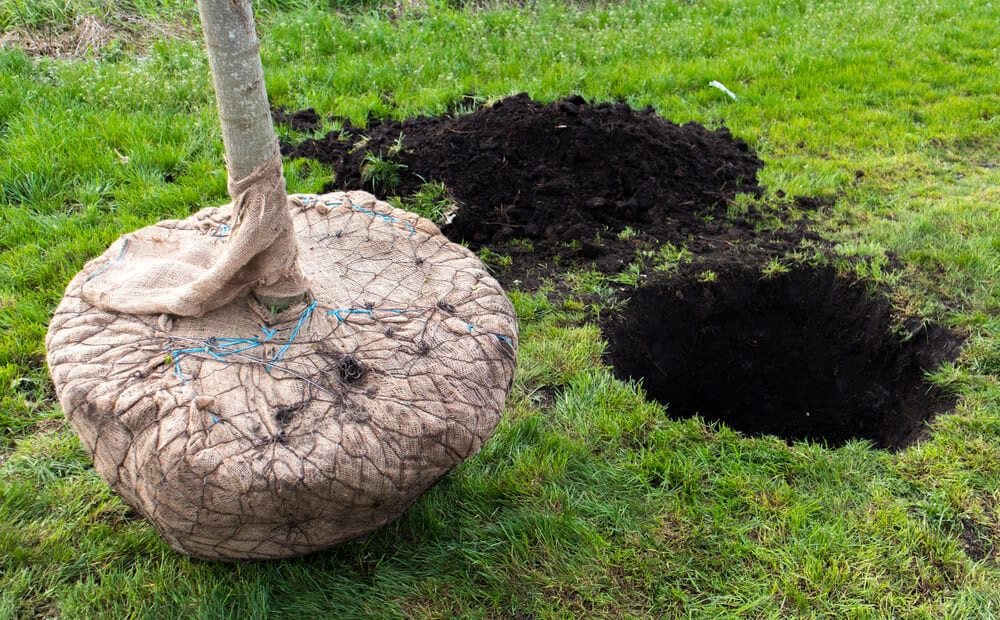
Edwardsville has launched a tree-planting program to enhance urban greenery. The city encourages residents to plant trees in their yards and public spaces. According to the Edwardsville Intelligencer, residents can get up to $100 in reimbursement for the cost they would incur by planting trees.
However, as Peer writes, the recent lawsuits in Texas against Synagro fertilizers show it is important to avoid toxic chemical-laden products while planting trees. Otherwise, your homemaking project might turn into a hunt for an Edwardsville personal injury lawyer.
You might not think of personal injury law when shopping for gardening supplies. However, the reality is that hazardous materials can cause serious consequences. Exposure to toxic chemicals in fertilizers, pesticides, or soil amendments can lead to respiratory issues, skin reactions, or even long-term health conditions.
In some cases, contaminated products can damage your property, leaving you with costly repairs and environmental concerns. If a company’s negligence causes harm, a skilled personal injury lawyer can help hold them accountable. They can also assist in seeking compensation for medical bills, lost wages, or other damages.
In the unlikely event that misfortune strikes, look for a personal injury lawyer with experience, strong negotiation skills, and trial expertise. TorHoerman Law believes they should be responsive, compassionate, and work on a contingency basis. A proven track record and clear communication are key to a successful case.
Milwaukee, Wisconsin: Energy Efficiency with the Me² Program

Milwaukee’s Me² (Milwaukee Energy Efficiency) program offers financial incentives for homeowners. The goal is to make energy-efficient upgrades more affordable and accessible.
The program provides rebates and low-interest loans. Homeowners can use these for improvements like insulation, efficient heating systems, and solar panels. These upgrades help reduce energy consumption and lower utility bills.
Energy efficiency also enhances home comfort. It reduces temperature fluctuations and improves indoor air quality. Milwaukee’s initiative proves that sustainability can be both practical and cost-effective. For larger projects, working with sustainable building consultants can help homeowners and developers navigate the technical requirements of achieving genuine energy performance targets. Their expertise ensures that sustainability goals are met without compromising on design or functionality.
Chicago, Illinois: Green Social Housing for Sustainable Living

Chicago is developing the Green Social Housing (GSH) program. The goal is to create affordable, energy-efficient homes for low-income residents. The program focuses on reducing heating and cooling costs.
GSH homes are designed to meet strict environmental standards. They use energy-efficient appliances, sustainable building materials, and smart climate control systems. These features lower carbon emissions while keeping costs manageable.
The city plans to create a Residential Investment Corporation (RIC). This nonprofit will manage and expand green housing efforts. Chicago’s approach ensures that sustainability is accessible to all, not just the wealthy.
New Orleans, Louisiana: Urban Tree Canopy for Climate Resilience

New Orleans faces intense weather and rising urban heat, making it more important than ever to invest in green solutions. To tackle these challenges, the nonprofit Sustaining Our Urban Landscape (SOUL) is bringing life to residential neighborhoods- one tree at a time.
Beyond adding beauty to the city, these trees play a crucial role in stormwater management by absorbing excess rainwater and helping to prevent flooding. They also provide much-needed shade, lowering urban temperatures and reducing cooling costs for homeowners. A single tree can make a noticeable difference, offering relief from the sweltering heat while cutting down on energy bills.
Despite their benefits, tree-planting efforts face an uncertain future due to federal budget cuts. Axios reports that SOUL’s initiative could run out of funding within weeks following a $3.5 million reduction. However, local community groups refuse to let the mission fade, stepping up to support the cause.
FAQs
How can homeowners afford sustainable upgrades without city programs?
Homeowners can explore federal tax credits, green energy loans, and utility company rebates. DIY solutions like weatherproofing, rainwater harvesting, and composting can also reduce costs. Crowdfunding or community grants may help cover larger projects like solar panels or energy-efficient appliances.
Do sustainable homemaking practices increase property value?
Yes, eco-friendly homes often have higher resale values. Buyers appreciate lower energy costs, smart-home features, and green landscaping. Energy-efficient certifications, like LEED or ENERGY STAR, can make properties more attractive. Sustainable upgrades may also qualify for tax benefits, further increasing a home’s financial appeal.
Can renters participate in sustainable homemaking?
Absolutely. Renters can use LED bulbs, smart power strips, and energy-efficient appliances. Indoor plants improve air quality, and small-scale composting reduces waste. Advocating for better insulation or solar initiatives in rental communities can encourage landlords to adopt greener policies.
Overall, cities are taking bold steps to promote sustainable homemaking. They offer programs that help homeowners reduce costs and improve their environmental impact. From solar-powered towns to energy-efficient housing, these initiatives are shaping the future.
These examples show that sustainability is achievable at the local level. Residents can participate by taking advantage of city programs and making eco-friendly choices at home. Together, cities and homeowners can create a more sustainable future.