
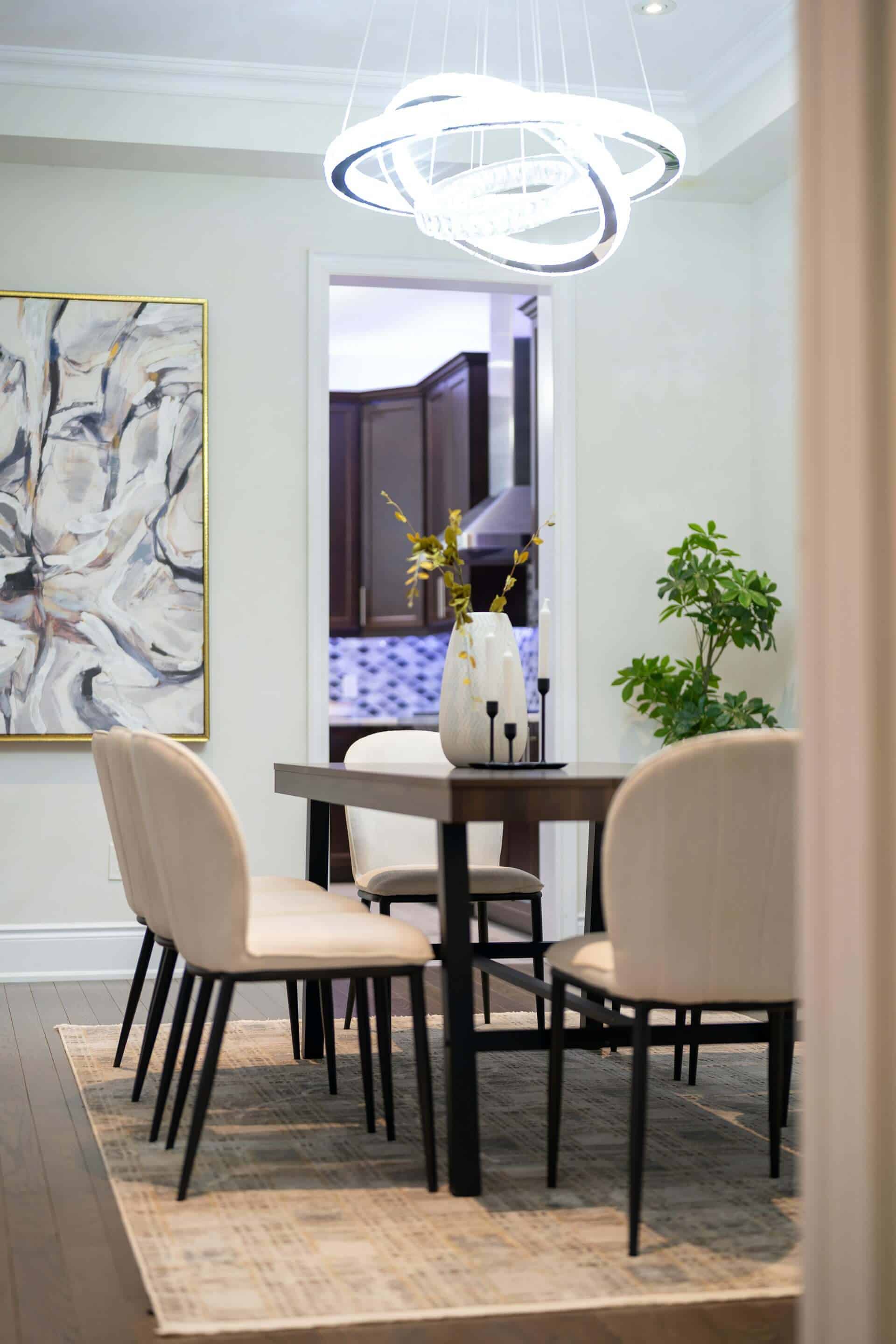
A well-designed home isn’t just about looking pretty; it’s a smart move that can really boost your property’s value. Sure, decor and paint colors add to a home’s charm, but core design choices you make have a much deeper and longer-lasting impact.
Thinking like a designer, even for small projects, helps you focus on changes that add both practicality and financial worth. You end up with a space that’s not only lovely to live in but also a valuable asset for the future.
Beyond Curb Appeal
First impressions really do count. A welcoming exterior, a freshly painted front door, and neat landscaping all shape how people see your home from the street. There are plenty of great curb appeal ideas that can make a property look more inviting and expensive. But the real, lasting value starts from the inside out.
Once someone steps through your front door, it’s all about the home’s layout, how easily you move through it, and the overall vibe. A cramped entry, a dark hallway, or a confusing path to the main living areas can instantly spoil that great first impression.
Good design considers this whole journey, making sure the switch from outside to in feels smooth and welcoming. This sets a positive mood that carries right through the rest of the house.
Design Choices That Pay Off
Some design choices consistently bring in a good return on your investment. Open-concept living areas, for example, are still super popular because they make a space feel bigger and are perfect for modern family life and entertaining.
Kitchens and bathrooms are also key areas where smart design really pays off. An updated kitchen with a practical layout, plenty of storage, and nice finishes is often at the top of buyers’ wish lists.
But the most fundamental thing is the floor plan itself. A layout that lets in lots of natural light, flows well from room to room, and uses space efficiently is the backbone of a valuable home.
This is where professional residential building design can make a huge difference, creating a blueprint that works for you today and appeals to future owners. Focusing on these core home improvements that increase home value means your efforts are well-spent.
Planning for Future Growth
A home that can change with your needs is a home that keeps its value. When you’re planning any design update or renovation, think about flexibility.
A spare room on the main floor can be more than just a guest bedroom; with the right design, it could also work as a home office, a playroom, or a cozy den. This kind of multi-purpose space appeals to a much wider range of potential buyers, from young families to remote workers and empty nesters.
Think about adding things like built-in shelves or a closet system that can easily adapt for different uses. This forward-thinking approach helps your home stay relevant and desirable for years to come.
The Role of Professional Design
While doing it yourself can be satisfying, there’s huge value in chatting with a design professional, especially for bigger projects. Architects and building designers are trained to spot possibilities you might miss. They can help you reimagine a space, sort out tricky layout problems, and make sure the final result looks cohesive and is well-done.
Professionals also know about local building codes and rules, which can save you from expensive mistakes and delays later on. They bring a level of expertise that elevates a project from just “updated” to truly “designed,” creating a polished, intentional feel that buyers can sense right away.
Smart Material Choices
The materials you pick really impact both how your home looks and its long-term value. While it’s tempting to chase the latest trends, the smartest choices are often timeless. Durable, high-quality materials like hardwood floors, natural stone countertops, and classic tile patterns stand the test of time and appeal to most people. They just scream quality and permanence.
This doesn’t mean your home has to be boring. You can always bring in trendy colors and accessories through paint, fabrics, and decor – things that are easy and cheap to change later. But for the permanent stuff, focus on quality and how long it will last. Low-maintenance materials are also a huge selling point, as they promise future owners less work and fewer expenses.
Ultimately, designing your home with an eye toward value means making thoughtful, strategic choices. By focusing on a solid layout, flexible spaces, and quality materials, you create a home you’ll not only love living in but that will also prove to be a wise financial investment.