
Solar energy is a clean, renewable, and sustainable power source that provides financial returns on investment. It can be used for water heating, air-conditioning, and electricity generation. It also reduces air pollutants, greenhouse gas emissions, and water consumption while qualifying homeowners for tax incentives.
It is a renewable source of energy
One of the benefits of solar energy is that it is a renewable source of energy that comes from the Sun and provides electricity that doesn’t depend on the electric grid. It is ideal for households and businesses wanting to impact the environment positively. It is also an excellent choice for people who live in remote areas or have limited access to the power grid. It can even be used to power a car or airplane. There are three main ways to harness solar energy: photovoltaics, solar heating and cooling, and concentrating solar power. Photovoltaic solar panels convert sunlight into electricity through an electronic process. This electricity can be used to power anything from calculators to street signs. Solar heating and cooling systems use the heat of the Sun to provide space and water heating, while concentrating solar power uses heat to run traditional electricity-generating turbines.
Another benefit of solar energy is that it doesn’t produce any greenhouse gases in its production processes. This makes it an excellent choice for reducing climate change and for improving the quality of life for everyone on Earth. Solar energy’s main limitation is that it requires expensive materials to harvest. It is also a relatively new technology, which may create shortages and raise prices. It can also be expensive for people to install solar panels at home or work. However, the price of solar technology has been decreasing over time.
It is cheaper than other forms of energy
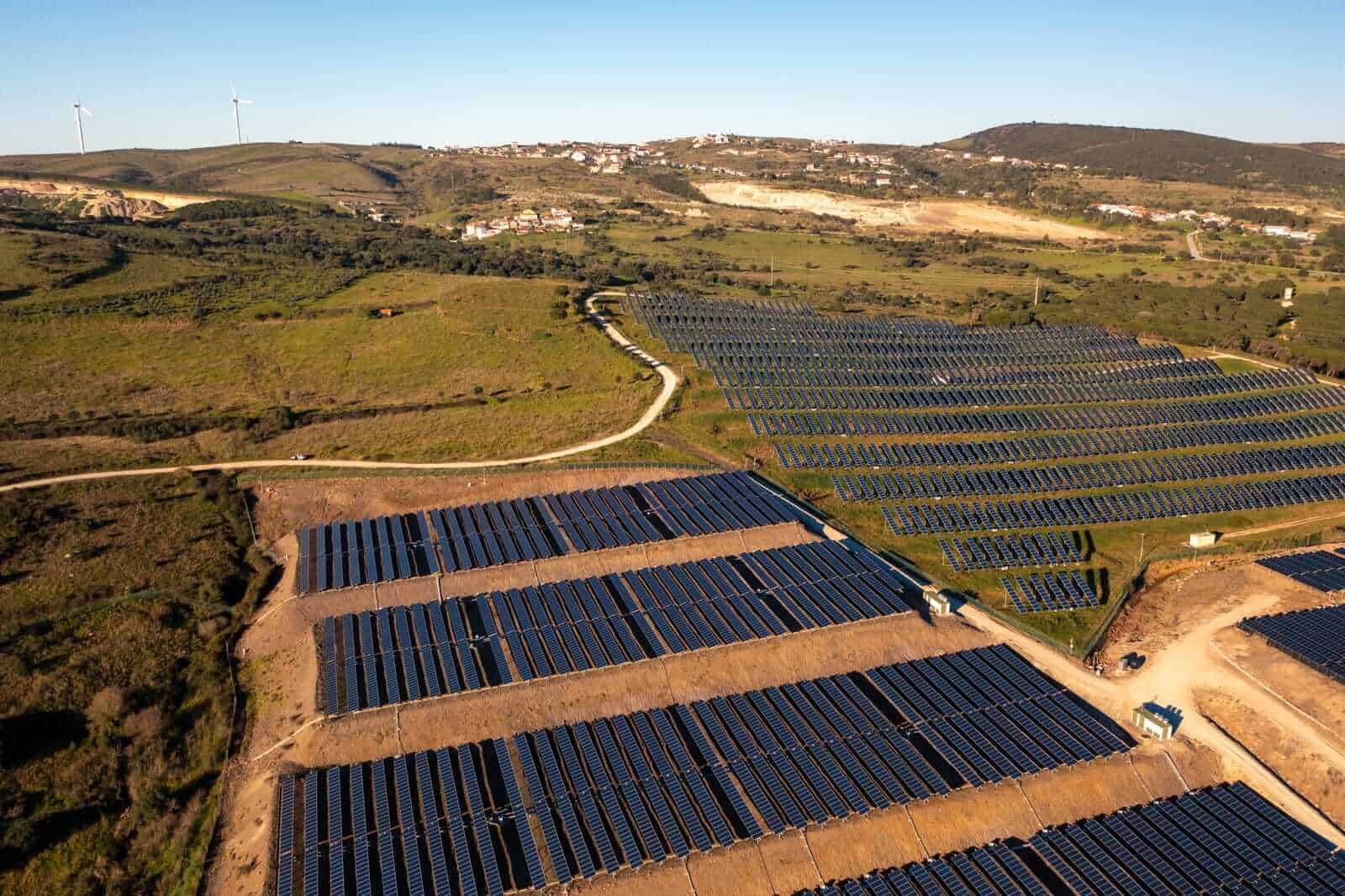
Solar energy is one of the most cost-effective sources of renewable energy. It reduces greenhouse gas emissions such as carbon dioxide, which contributes to global warming, and it also helps to protect the environment from toxic pollutants like sulfur oxides and nitrogen oxides. It also reduces water consumption and withdrawal. In addition, solar power eliminates the need for expensive fossil fuel-based backup systems. Using solar energy to produce electricity can dramatically reduce the costs of household electric bills. In some cases, it can even be completely free. For example, homeowners who install solar panels may benefit from state and federal incentives, such as investment tax credits and rebates. These incentives are available to all homeowners, regardless of their income. Another advantage of solar energy is that it is a distributed resource that can be used locally, such as at homes or businesses. During installation, a professional will visit your home or business to determine whether it is suitable for solar power. They will look for sufficient roof space and check that the structure is oriented correctly. They will also look for shade that could limit the effectiveness of a solar system. Businesses and homeowners from around the Regional Municipality of York look for experts in solar panel installations in Vaughan who can guarantee these conditions. Solar technology is also straightforward to transport. This means that large-scale solar farms can be built in areas of the world with high levels of sunlight, such as the equatorial belt. This will provide a cheap source of electricity for millions of people who currently rely on expensive, polluting fossil fuels to light their homes.
It is environmentally friendly
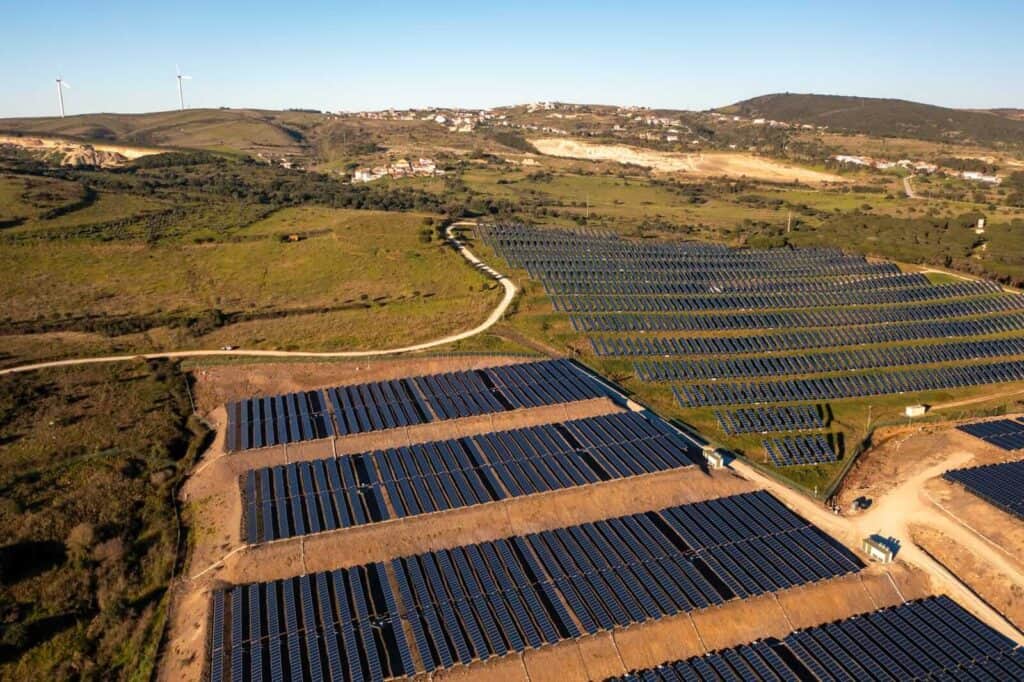
Solar energy is environmentally friendly because it doesn’t pollute the atmosphere or contaminate water supplies. It also doesn’t release greenhouse gases, which contribute to global warming. On the other hand, fossil fuels produce a great deal of pollution when they’re mined, refined, and burned. They also cause climate change by disrupting the Earth’s natural heating and cooling cycles. Solar power can generate electricity, create heat, and desalinate water. The solar energy industry uses many technologies to capture the Sun’s heat, including mirrors and tracking systems, photovoltaic cells, and concentrated solar power (CSP). Concentrated sunlight is focused on a hot fluid to drive turbines, which produce electricity. These systems used molten salt in the past but now use sodium hydroxide or zinc sulfide. In addition, solar panels should be recycled when they reach the end of their useful life. Unfortunately, this isn’t always done. Most consumers need access to a free take-back program, and many must be aware that their old panels should be recycled.
Additionally, the environmental impact of solar energy can be mitigated by reducing habitat loss and disruption. Solar farms are often built on open land, negatively impacting wildlife and biodiversity. They can also be a visual detraction from the landscape.
It is a career choice
Solar energy is a growing industry and an excellent career choice. It offers several benefits for both consumers and the environment. It produces electricity without greenhouse gases, and its cost is competitive with traditional fossil fuels. In addition, it is sustainable and promotes energy independence. Homeowners who use solar power can save on their electricity bills and even sell energy back to the grid. These savings can offset the costs of a solar installation. It is essential to calculate the payback period before making a purchase. This is particularly important if you plan to move or sell your house before the system pays off. Many jobs in solar energy are available for people with any background or experience. However, to get the best opportunities, it is helpful to have certification. This will increase your value to potential employers and help you get a better salary. State agencies usually offer certifications and may be offered through private companies. In a world where the threat of climate change is real, many workers seek careers in clean energy. Solar is one of the fastest-growing sectors in the economy. As a result, it has created thousands of jobs in sales, design, and construction. It employs more people than coal, oil, and gas combined.
You may also like:
Free Nights and Weekends Electricity Plans – Are They Worth It?