
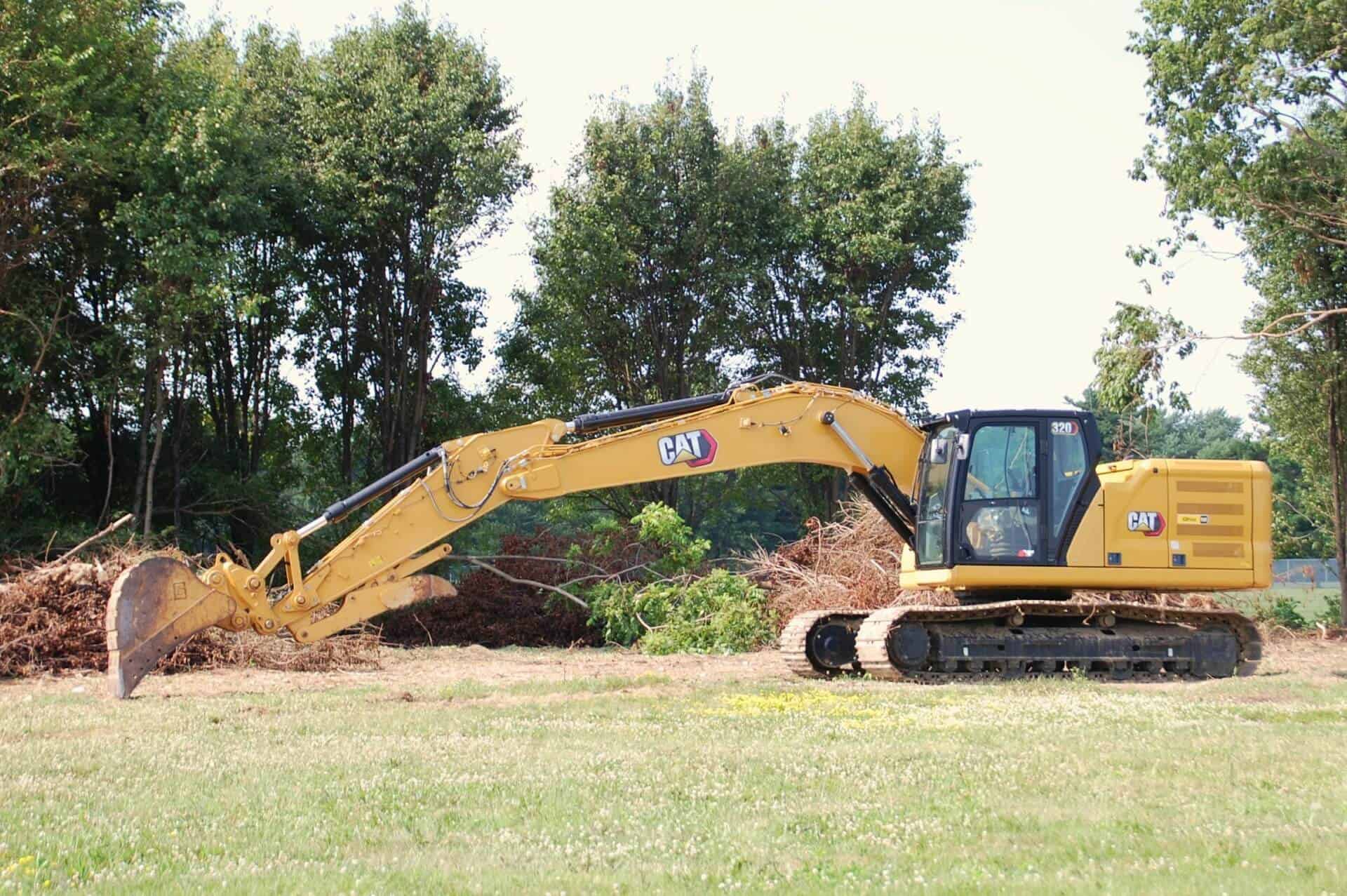
Starting a new project on a rural block is such an exciting time! Whether you’re dreaming of a new home, a sprawling veggie patch, or just a big shed for all your gear, that empty patch of land holds a world of possibility. But before you can lay a foundation or plant a single seed, you often need to tackle the first major hurdle: clearing the land. This process can seem a bit daunting, but with a little know-how, you can get your site ready efficiently and safely.
Why Clear Your Land
People clear a patch of their property for all sorts of reasons, just as varied as the projects themselves. Most often, it’s to get a site ready for building something new, like a house, a granny flat, or even outbuildings like sheds and workshops. Getting rid of trees, stumps, and dense undergrowth is really the only way to create a stable, level spot to build on.
Beyond construction, land clearing is super important for farming too. You might need to clear land to make new pastures for livestock, plant an orchard, or set up a big garden. It’s also a key part of looking after your property, helping to create firebreaks to protect your home and belongings, improve access with new tracks, or simply cut down on pests by removing overgrown plants.
Planning and Permits
Before you even think about starting up a chainsaw or hiring machinery, your very first stop should always be your local council. Most areas have pretty strict rules about land clearing, especially when it comes to removing native plants. You might need to apply for a permit, and there could be environmental rules on your property that protect certain trees or habitats.
Getting this step wrong can lead to big fines and orders to stop work, so it’s really worth doing your homework. A good place to start is checking your council’s website or giving their planning department a call. Understanding the costs, permits and timeline right from the start will save you a lot of headaches later on. Just be ready for the process to take a little time; approvals aren’t always granted overnight.
Choosing the Right Approach
Once you have all the necessary approvals, you can decide how you’ll actually tackle the job. The best method really depends on the size of the area, how dense the vegetation is, and your budget. For a small patch with just light scrub and a few young trees, you might be able to manage with hand tools like axes, saws, and mattocks. It’s tough work, but it’s the cheapest option if you have more time than money.
For anything bigger, or if you have more significant trees and rocks, you’ll need to look at mechanical clearing. This is where machinery does the heavy lifting. This can involve a few different techniques, from pushing over vegetation with a bulldozer to using a forestry mulcher that shreds trees and scrub right where they stand. Approaching this the right way from the start makes a real difference to your land’s long-term health.
Machinery Makes it Easier
For most rural projects, mechanical clearing is the most practical and efficient way to go. While clearing by hand has its place, the time and physical effort needed for anything more than a small garden plot are often just too much. Heavy machinery can get done in a day what might take weeks or even months to do by hand.
Bulldozers are fantastic for pushing over large trees and clearing big areas, while mulchers are great for turning dense bush into a layer of organic material. For more precise work, like removing individual stumps, digging trenches for services, or levelling a building pad, nothing beats an excavator. For most property owners, buying this kind of equipment isn’t really feasible, which is why professional excavator hire is such a popular option. It lets you get the right machine for the job without the huge cost of owning and maintaining it.
Post-Clearing Land Management
The job isn’t quite over once the last tree is gone. A freshly cleared patch of earth is pretty vulnerable to the elements, especially wind and water erosion. To protect your topsoil, it’s a good idea to get some ground cover established as soon as possible. Sowing a fast-growing grass or cover crop is a great way to stabilise the soil.
You’ll also need a plan for all that green waste. Piling it up and burning it might be an option, but always check local fire restrictions first. A better alternative is often to have the material chipped or mulched on-site. This mulch can then be spread over the cleared area to help keep weeds down, hold moisture in the soil, and slowly break down, adding valuable organic matter back into your soil.
With the ground cleared and prepared, you’re finally ready to move on to the next exciting phase of your project. It’s a big job, but seeing that clean slate ready for your vision to take shape makes all the effort worthwhile.