
When you look around at any modern city, skyscraper, or expansive bridge, it relies on a hidden steel skeleton.
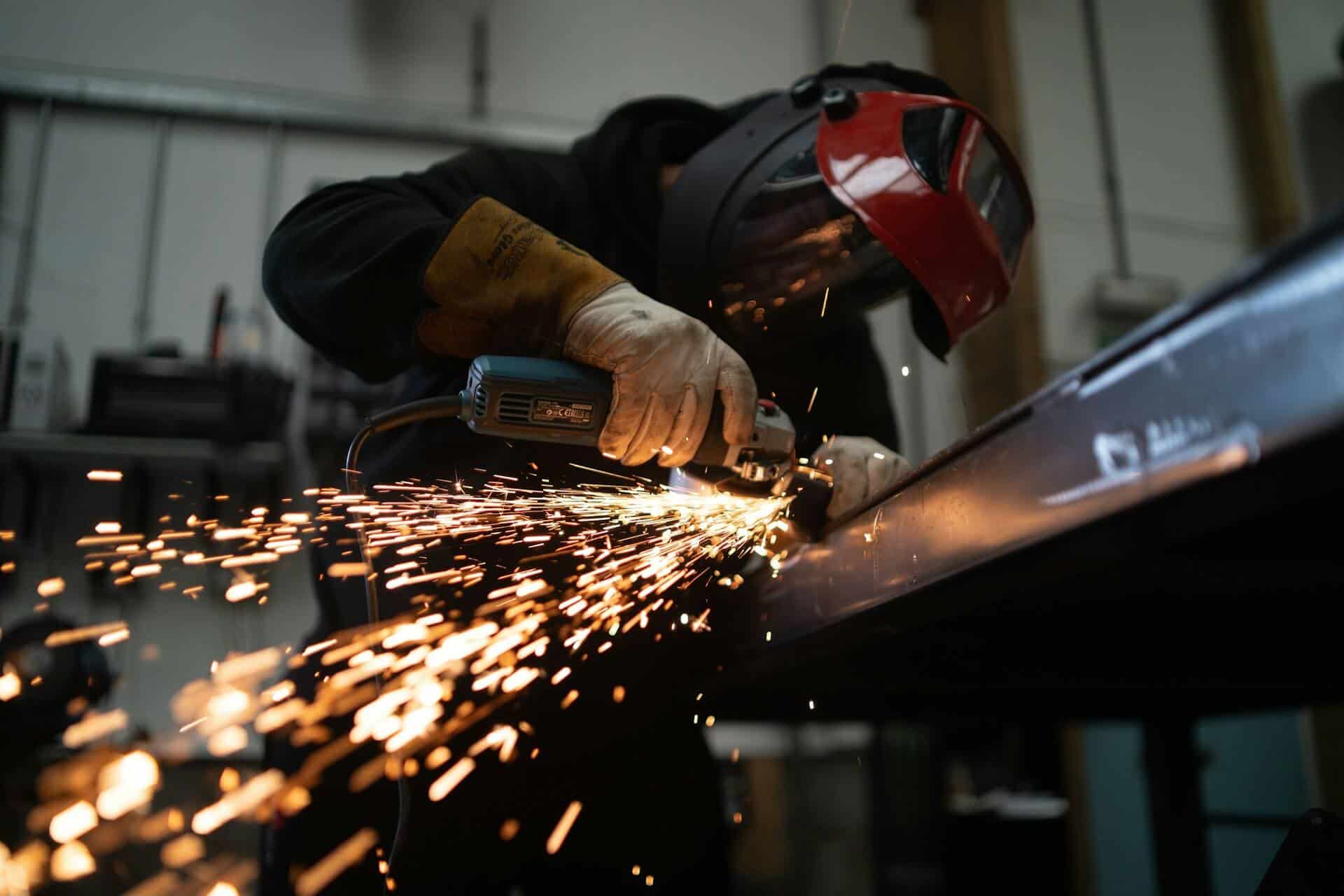
Steel fabrication is the process of transforming raw steel into custom-shaped parts that are then ready for site installation.
Within modern construction, the use of custom steel fabrication matters as it delivers unmatched architectural strength, provides faster build times, and achieves better design precision too.
With that being said, let’s take a look at steel fabrication and why it matters in modern construction.
The Core Steel Fabrication Process Explained
There are several processes involved when it comes to steel fabrication and how it’s created.
- Cutting and Burning
The use of advanced machinery like plasma cutters, lasers, and water jets helps to slice heavy steel plates with detailed accuracy.
- Forming and Bending
The use of heavy-duty press brakes and rolling machines, it helps to curve or fold metal sections into exact structural dimensions.
- Welding and Assembly
Fusing the shaped components is done with professional welding techniques, which ensure high-strength structural bonds.
- Finishing Treatments
Applying protective coatings like hot-dip galvanizing, powder coating, and sandblasting helps to prevent future rust and corrosion.
Why Fabricated Steel Dominates Modern Construction
Fabricated steel handles immense structural loads without the addition of excessive and bulky mass. As a result, it allows for taller and lighter structures, which is important for modern-day construction.
Unlike more rigid materials, steel can be shaped into complex geometric angles, dramatic sweeping curves, and wide spans. As it’s manufactured in controlled factory environments, these fabricated parts will eliminate human error on the job site due to the microscopic tolerances it features.

The Financial and Speed Benefits for Project Managers
There are many financial and speed benefits of using steel fabrication for project managers. Such benefits include:
Off-site Manufacturing Efficiency
While groundwork and foundations are being dug on-site, the use of a steel frame is fabricated simultaneously in a workshop.
Rapid Assembly
These fabricated components arrive on-site, are pre-cut and pre-drilled, fitting together like a giant puzzle. That dramatically helps to cut labor hours.
Reduced Site Waste
Precision fabrication is a good way of minimizing material scrap. It lowers skip hire costs and optimizes material budgets.
The Sustainability Factor
Steel is a material that’s 100% recyclable and doesn’t lose any structural strength. It aligns perfectly with modern green building standards, too.
Prefabrication also minimizes on-site noise, heavy transport pollution, dust, and protects surrounding communities. Nowadays, sustainability is definitely somewhat of an important factor for any type of work that goes on, whether it’s commercial or residential.
Steel Fabrication Matters Greatly in Modern Construction
Steel fabrication is one that bridges the gap between those ambitious architectural drawings and provides a physically safe and lasting structure.
Whether it’s a commercial or residential build, it’s useful to speak to a steel fabrication specialist early on in the design phase of the project. If you’re looking to optimize your structural budget, then it’s worth exploring this process and this type of material for modern construction in 2026 and beyond.