

Very few things beat hearing birds singing when you open the door, watching butterflies flutter around flowers or a glimpse of a hedgehog dashing in the bushes. Transforming your backyard into a wildlife sanctuary is a gift to wildlife in your area—and a restful yet vibrant sanctuary for you, too. Acres or a small garden, it’s simple to make a difference. Here we talk about how to encourage biodiversity in your backyard.
Let Nature Take Charge
A perfectly manicured lawn is neat, to be sure but of little help to wildlife. Leaving it a little rough around the edges can provide wildlife with food, shelter, and breeding grounds for birds, bugs, and small mammals. Native flowers are your partners in this endeavor—they require fewer maintenance efforts and are already adapted to provide habitat to local pollinators.

If you can, designate a section of grass to be allowed to get a little taller, allow a few wildflowers to sprout up, and be resistant to cleaning up every fallen leaf. Such small adjustments provide a sanctuary for critters that need natural cover.
Old Trees and Deadwood
It’s easy to think of deadwood as something to be cut, a nuisance to be gotten rid of, but it’s a fundamental part of a healthy ecosystem. Rotting tree stumps and logs supply food and shelter to fungi, bugs, and even small animals. Eventually, it breaks down, enriching the soil and providing a home to a whole ecosystem of creatures to move in.
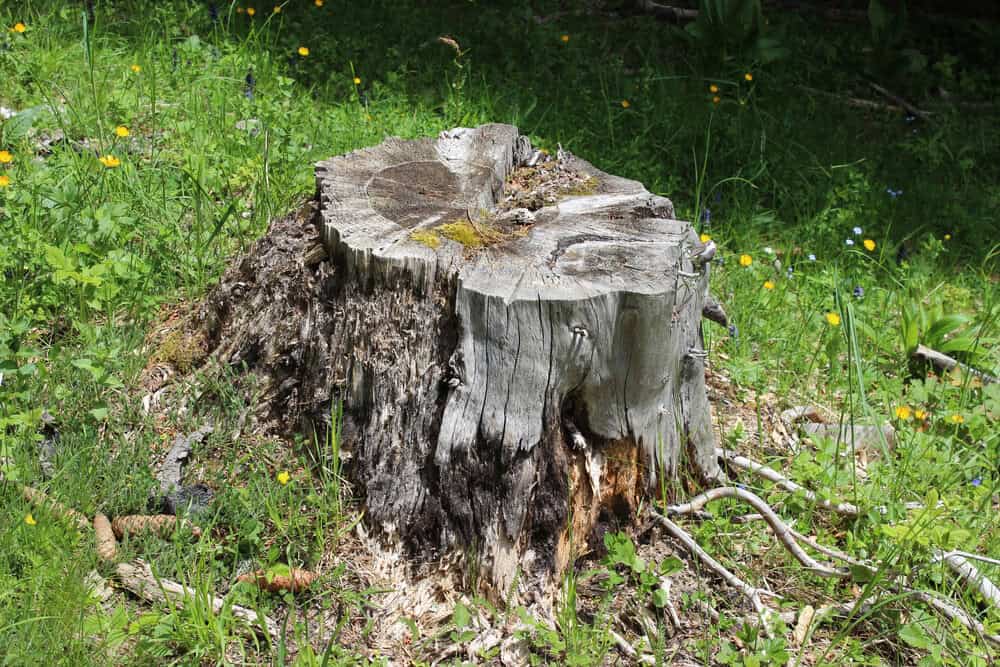
If you’ve got an old tree that’s starting to become unstable, don’t be so quick to cut it down in its entirety. Have a tree surgeon assess it and leave a section of it standing safely, converting it to a wildlife habitat whilst removing any hazards. The tree won’t be the most aesthetically pleasing view in your garden, but to wildlife, it’s a five-star hotel.
The Wildlife Lifeline
You don’t need a large pond to be useful—one shallow dish of water is sufficient to be a lifeline to wildlife, bees, and birds, especially during a period of drought. If you do have space, a small pond is one of the most useful things you can supply.

Plant With a Purpose
The right plants and flowers can turn your backyard into a buffet of food for pollinators, birds, and wildlife. Have a mix of flowers, bushes, and trees that provide nectar, berries, seeds, and shelter throughout each season. Native flowers are a smart choice since local wildlife already depends on them.

Think about layering in your garden, such as tall trees for birds to nest in, flowering bushes for bees and butterflies, and ground cover for small animals and bugs.
Build Small, Think Large
Wildlife doesn’t need a great extent of space, and it needs to be in the right place. Even small additions can be of great impact. Piles of logs or stones in a secluded place can be a sanctuary for insects and frogs. An accessible bird box or bee hotel can be a lifeline of a nest. One small hole in your fence can be a hedgehog and other small animals’ point of entry, a secure corridor between gardens.
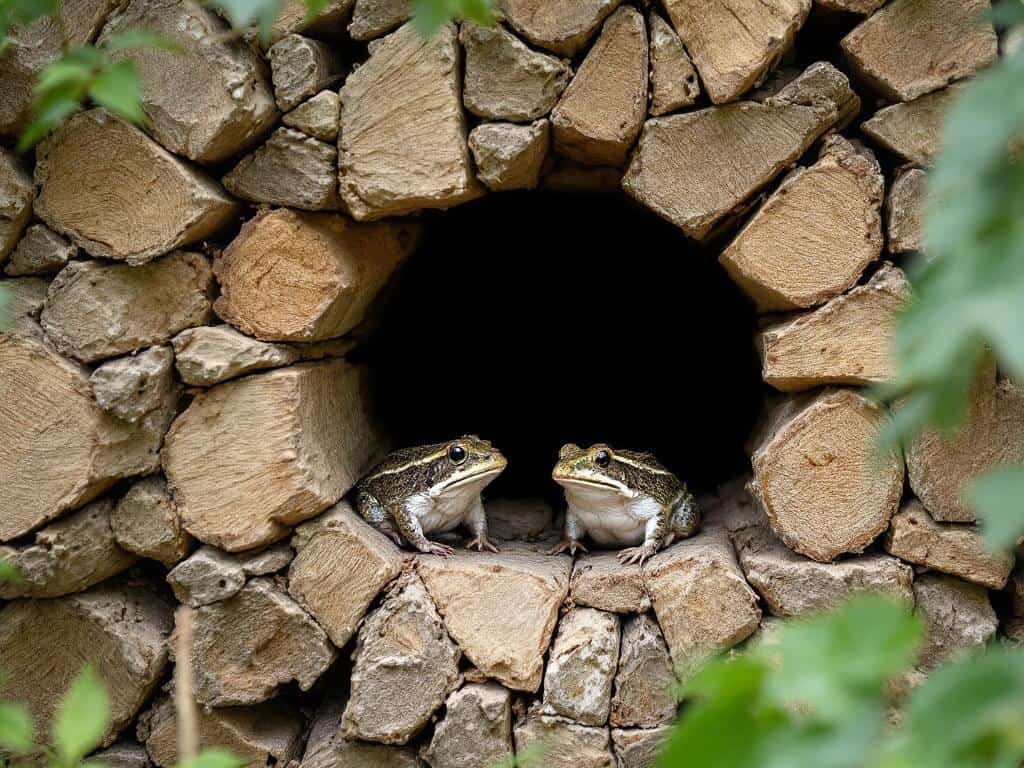

When you start to think of your yard as a wildlife habitat, possibilities become endless. And the wonderful news is that when bees, butterflies, and birds start to move in, you’ll be viewing your backyard in a whole new way.
Roundup – how to encourage biodiversity in your backyard
| Category | Action |
|---|---|
| Native Plants | Plant native flowers, shrubs, and trees. |
| Pollinators | Grow nectar-rich plants for bees & butterflies. |
| Bird Habitat | Install bird feeders, baths, and nest boxes. |
| Water Source | Add a small pond or water feature. |
| Shelter | Leave brush piles, logs, or rock piles. |
| Chemical-Free | Avoid pesticides and herbicides. |
| Composting | Use compost to enrich soil naturally. |
| Varied Plants | Grow a mix of plants to support diverse species. |
| Nightlife | Reduce outdoor lighting to protect nocturnal wildlife. |
| Wild Areas | Let some areas grow wild for natural habitat. |