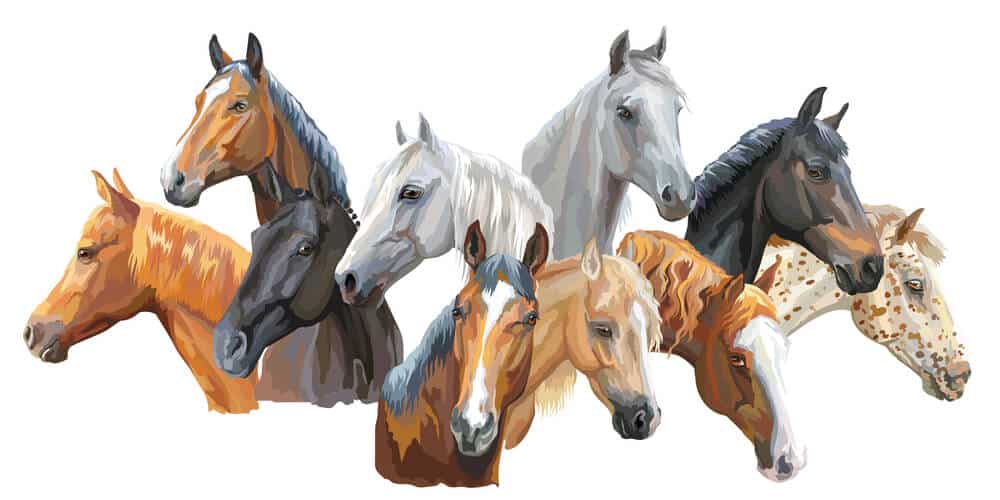

I haven’t posted about horses in ages! Over the past couple of years I’ve posted about many different horse names and breeds, but not gone into depth about horse terms. For those embarking on their equestrian journey or simply curious about the world of horses, understanding specific terminology can be incredibly beneficial! If someone is interested in equine anatomy, horse gear, or the diverse expressions used in horse riding, these words form the foundation of knowledge in the equine sphere. It’s a whole different language!
The charm of equestrian language lies in its ability to connect enthusiasts worldwide. From the specifics of tack equipment to understanding the nuances of horse gaits, familiarising yourself with these terms enriches the experience of horse riding and care. Don’t you think? By grasping the vocabulary, riders and horse lovers can communicate more effectively and navigate the horse world with increased confidence!
An equestrian enthusiast delving into these terms will find that words such as “gaits” and “tack” are just the beginning of a broader linguistic journey. Engaging with these definitions not only clarifies technical aspects but also deepens appreciation for the rich history and culture associated with horse riding.
This exploration into horse terminologies invites readers to immerse themselves in equestrian life and ensures a seamless experience in the vibrant world of equines. Let’s dive into my epic guide!
Horse Anatomy
Horses are fascinating animals with distinct anatomical features. Each part of a horse, from its head to its legs, plays a crucial role in its movement and communication. Understanding these features helps in identifying the traits and characteristics unique to each horse.
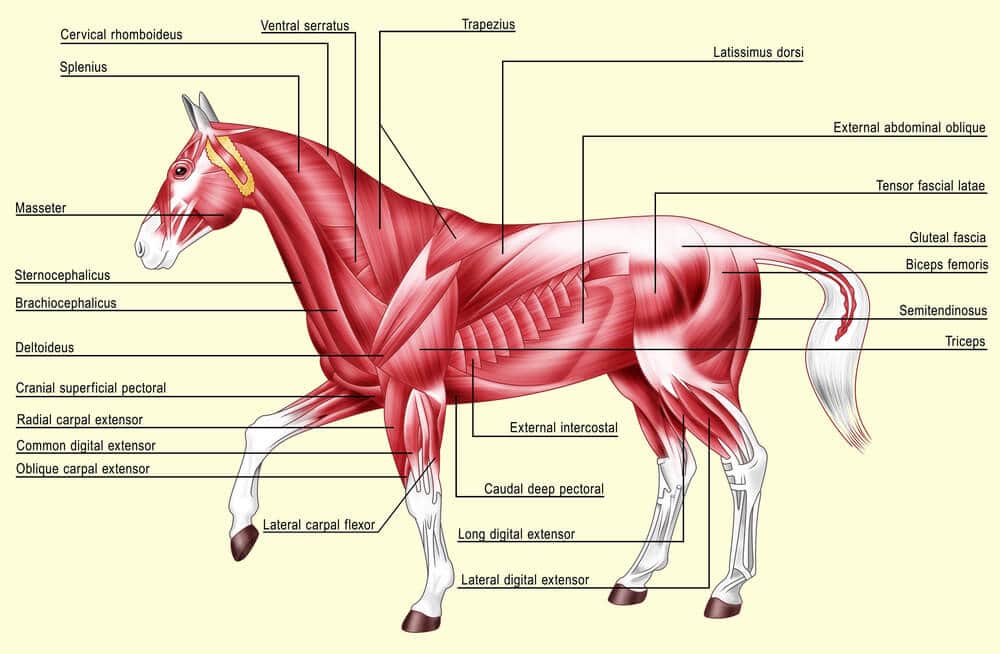
Horse Muscles
Horse’s Head and Mouth Details
The horse’s head is an intricate structure that includes important parts such as the eyes, ears, and mouth. The ears are highly mobile, allowing them to swivel and pick up sounds from all directions, an essential aspect for sensing their environment.
The eyes, positioned on the sides of the head, offer a broad field of vision, although they have blind spots directly in front and behind. The horse’s mouth consists of the lips, teeth, and tongue. The lips are sensitive, helping the horse grasp food. The teeth play a vital role in both chewing and determining age as they wear down over time.
Understanding the anatomy of a horse’s head and mouth not only aids in identifying health issues but also in appreciating the communication signals horses give.
The Limbs: Hind Legs and Lower Legs
The hind legs and lower legs are key components in a horse’s mobility and strength. The cannon bone in each leg, similar to a human’s long arm bones, provides much of the leg’s structural support. The flexibility of the hind end contributes to a horse’s power and speed.
In both hind and front legs, the fetlock joint, often termed the “ankle,” is crucial for absorbing shock during movement. Lower legs include the hoof, which requires regular care to prevent issues such as cracks or infections. Recognizable parts, such as the cannon bone and fetlock joint, can help identify specific breeds’ characteristics.
Monitoring the condition of a horse’s legs can prevent injuries and maintain performance.
Horse Skeleton

Distinguishing Features: Coat Colour and Markings
A horse’s coat colour and markings are distinctive identifiers. Common coat colours include black, bay, and chestnut, while some horses might have a dorsal stripe, a dark line down their back. The black mane and tail, known as black points, are typical in bay-coloured horses.
White markings on their face or legs add to their individuality. These can range from a small star on the forehead to a large blaze covering much of the face. Such features are not only aesthetically pleasing but also useful in identifying horses, particularly in competition settings. Recognising these markings can also be crucial for breeders and trainers.
The Rider’s Connection
Horse riding is often seen as a close partnership between horse and rider. Key to this connection are the equipment used, the techniques employed while riding, and the rider’s posture and use of aids.
Equipment and Tack
The equipment used in horse riding plays a vital role in establishing communication with the horse. The snaffle bit and curb bit are common types of bits that help convey the rider’s instructions. Saddle choice, whether a Western saddle or English, affects comfort and control. Saddle pads provide cushioning and help in maintaining the position of the saddle.
Parts of a bridle and parts of a saddle

Other crucial items include the bridle and lead rope, which aid in directing the horse. Proper use and maintenance of this equipment ensure safety and enhance the riding experience. Regular checks help in identifying wear and tear and prolong the life of the gear.
Riding Techniques
Effective riding techniques are fundamental for smooth communication between rider and horse. Employing the outside rein and inside leg allows the rider to steer and guide the horse. It’s important to maintain soft hands to avoid causing discomfort to the horse through excessive pulling on the reins.
Additionally, the concept of a quiet leg refers to the rider’s ability to keep their legs steady, reducing unnecessary movements that may confuse the horse. Practising these techniques helps in developing a more graceful and responsive ride, where both rider and horse work in harmony.

Rider Position and Aids
The rider’s position significantly impacts their ability to communicate effectively. The alignment of the upper body should be straight but relaxed, enabling better balance. Proper use of the rider’s legs aids in giving signals, often by applying gentle pressure to the horse’s sides.
Leg aids work in conjunction with hand aids to achieve specific movements. Ensuring the bit rests correctly in the horse’s mouth prevents discomfort and promotes cooperation. Developing soft hands involves the rider’s hands providing calm, consistent contact with the horse, essential for clear communication. Focusing on these elements enhances the rider’s ability to convey precise instructions, supporting a dynamic yet relaxed interaction.
Horse Equipment
Horse equipment, essential for riding and care, varies across disciplines and needs. Readers can expect a breakdown of key pieces such as bits, bridles, saddles, and other tack items.
Bits and Bridles
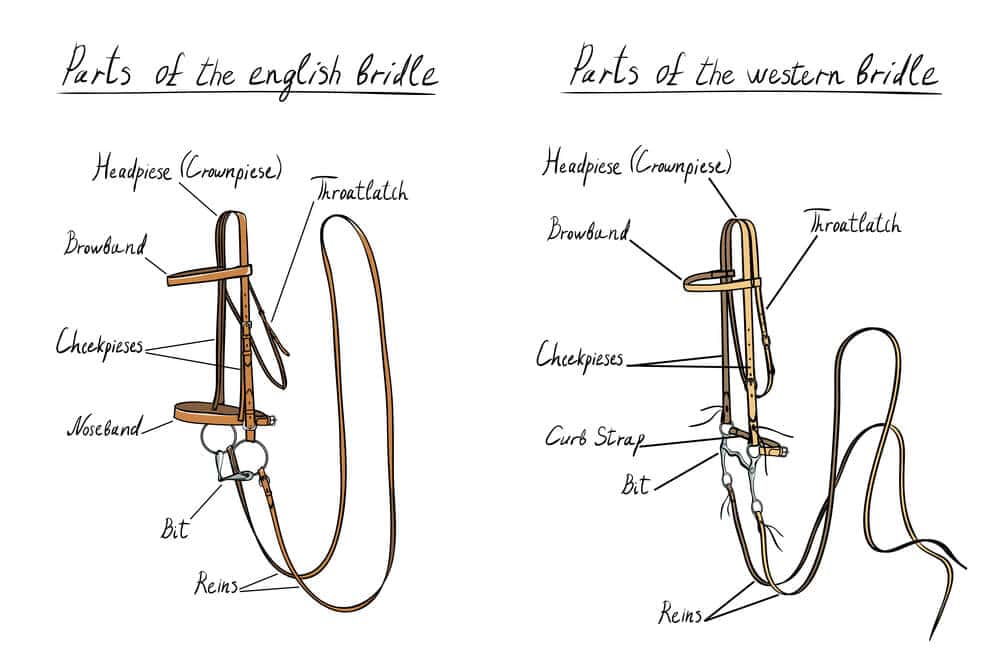
Bits and bridles come in various styles to suit different riding preferences. A snaffle bit is often favoured for its simplicity and gentle action on a horse’s mouth. For more control, a curb bit might be chosen, which uses leverage. Those aiming for gentler methods may opt for a bitless bridle, providing control without a mouthpiece.
A double bridle combines two bits, offering the rider nuanced control, typically seen in dressage. Each type affects how the horse is guided and should be selected mindfully based on the horse’s temperament and the rider’s skill.
English bridle compared to a Western bridle
Saddles for Various Disciplines
Saddles are designed specifically for different riding styles. Dressage saddles aid the rider’s position and help with close contact, essential for dressage events. A western saddle, with a horn and robust design, is built for long hours on horseback, perfect for ranch work. The saddle seat saddle supports a higher head carriage and is designed for show horses that perform in saddle seat competitions.
It’s vital to select the right saddle for both rider comfort and horse performance. The fit of the saddle should prevent any discomfort or potential injury to the horse.
Other Key Tack Items
Beyond the basic saddle and bridle, other tack items are crucial. Leather straps are used for securing various parts of the gear, such as the girth, which holds the saddle in place. Saddle pads provide extra cushioning under the saddle, adding comfort for the horse.
Stirrups, cinches, and breastplates are also part of the tack ensemble, ensuring safety and stability for both horse and rider. Selecting high-quality materials for these items is essential to ensure longevity and comfort in riding sessions.
Horse Breeds and Types
There are numerous horse breeds and types, each with its own unique characteristics. From the versatile Quarter Horse to colourful breeds noted for their distinct markings, knowing these details can enhance the understanding of these majestic creatures.
Popular Breeds
Many horse breeds are admired for their unique qualities and versatility. One well-known type is the Quarter Horse, famous for its speed and agility over short distances. It is widely used in ranch work and Western riding. The Thoroughbred stands out for its exceptional speed, often seen on racetracks around the world.
The Arabian breed is known for its endurance and distinctive head shape, making it ideal for long-distance riding. Additionally, the Clydesdale is notable for its strength and size, often recognised in ceremonial processions and as a draught horse.
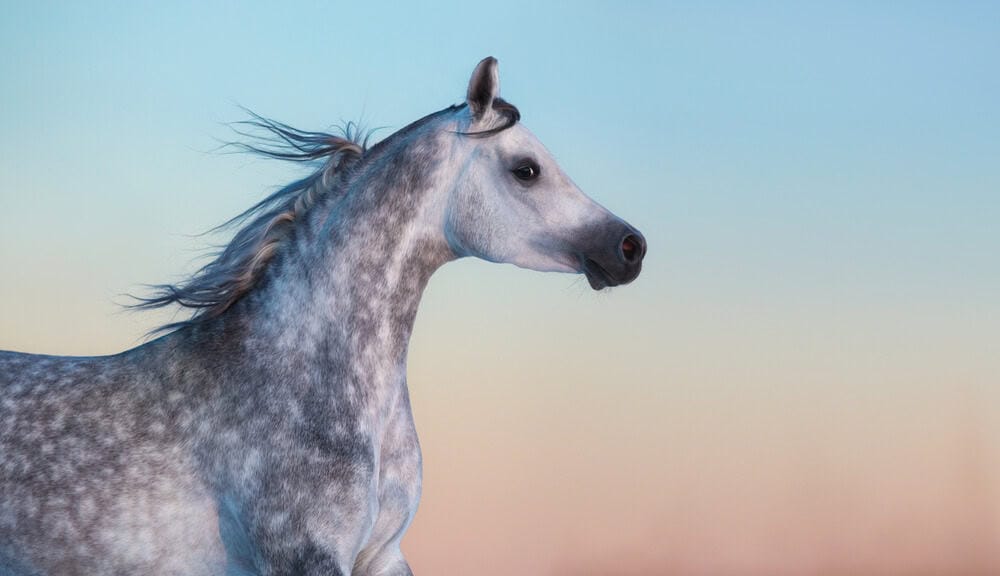
Gray purebred Arabian horse
Together, these breeds showcase a range of abilities and purposes across disciplines, from racing to riding.
Colour and Markings
Horse breeds can also be distinguished by their colours and markings. The Appaloosa is known for its striking spotted coat. Their unique patterns can vary widely, from dense spots to larger patches. Paint Horses are another popular breed, easily identified by their contrasting coat colours; their coats typically exhibit large, irregular patterns.
Apart from specific breeds, horses can have markings such as blazes (a wide white stripe down the face) or socks (white markings on the legs). These features not only add to the horse’s visual appeal but can also assist in identification. Understanding these patterns and markings can be a fascinating aspect of equestrian interests.

Training and Commands
Understanding horse training and the various commands is essential for effective communication and partnership between rider and horse. Clear, consistent cues help establish a strong training foundation and address common problems riders might face during schooling.
Basic Commands
Basic horse commands form the groundwork for more advanced riding skills. Riders often use simple cues like “Walk”, “Trot”, and “Canter” to direct the horse’s movement. Each command should be spoken in a calm but firm tone. “Easy” is another essential command that signals the horse to relax or slow down. Intonation and volume play crucial roles—horses are sensitive to changes in the rider’s voice or posture.
Basic hand and body cues often complement voice commands. For example, riders might apply gentle pressure with their legs or use subtle rein movements to reinforce verbal instructions. Practising these commands consistently helps both the rider and the horse gain confidence and develop a mutual understanding.
Schooling Movements
Schooling movements help improve a horse’s responsiveness and agility. Riders often practice moves like the half halt, which helps to rebalance the horse’s weight and increase attentiveness. This is particularly useful when transitioning between gaits or refining precision.
Skill levels affect how advanced the schooling movements can be. Beginners might focus on mastering simple transitions, while more experienced riders could practice lateral movements like leg yields or shoulder-ins. Proper schooling develops a horse’s suppleness and coordination, ultimately leading to a more harmonious ride.
Consistency and patience are key. Regular practice solidifies these movements and encourages horses to remain engaged and willing to cooperate in diverse schooling scenarios.
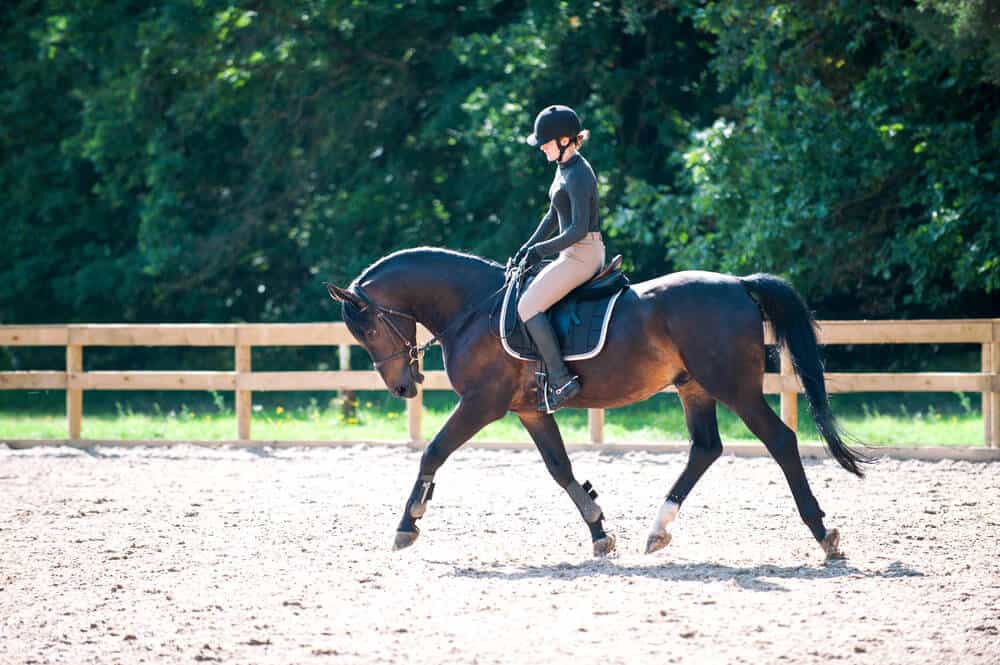
Common Riding Problems
Riders commonly encounter issues that can disrupt training. Horses, at times, develop bad habits such as becoming barn sour or refusing to follow commands. These problems often arise from inconsistent training, discomfort, or lack of clear communication. Recognising these behaviours early on can prevent them from escalating.
Addressing such problems usually involves reevaluating training routines and ensuring the horse remains comfortable and focused. Riders can benefit from practising exercises that challenge the horse, like varying the daily routine or incorporating problem-solving activities. Seeking guidance from a skilled instructor can also be valuable in overcoming persistent issues, ensuring that both horse and rider stay on track.
Equine Lifecycle
Understanding the lifecycle of horses involves recognising their various developmental stages and the specific terms used to describe different ages and sexes. These stages highlight distinct growth phases, while age-related terms provide a valuable vocabulary for discussing equine development.
Developmental Stages
Horses experience several key developmental stages throughout their lives, each marked by unique characteristics. Foals are newborn horses and typically remain in this stage for their first year of life. Within this period, suckling foals rely on their mother’s milk for nourishment. Once they begin to eat solid food, they transition into weanling foals.
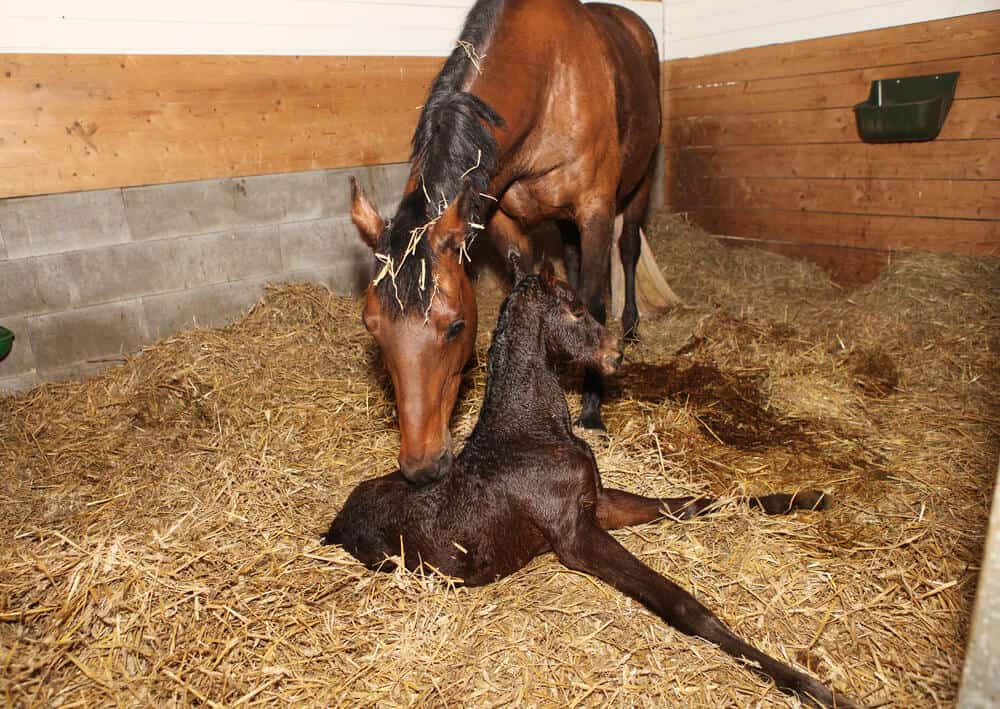
Yearlings are young horses approaching the age of maturity. By this time, they gain more independence. Colts refer to young male horses, whereas fillies are young females. As horses mature, they eventually become either a stallion, which is an adult male horse, or a mare, an adult female horse. Geldings are castrated adult males, known for their calm nature.
Age-Related Terms
In equine terminology, ages and gender distinctions are crucial. A baby horse is generally referred to as a foal, regardless of sex. As young horses grow older, specific terms distinguish their age and sex. Fillies are young female horses, whereas colts signify young males.
Once horses reach maturity, they are often referred to by their roles or breeding status. A stallion is typically an uncastrated adult male, while a gelding is a castrated one. Mares are adult females usually over four years of age, essential in breeding and known for their nurturing qualities. Understanding these age-related terms provides clarity when discussing equine ages and characteristics.
Horse Health and Care
Horse health and care encompass understanding common ailments and ensuring proper daily maintenance. Addressing symptoms early is key for well-being and preventing complications.
Common Equine Ailments
Recognising signs of common ailments is crucial for any horse owner. Abdominal pain, often indicative of colic, requires prompt attention. Colic can result from gas, impaction, or an overload of non-structural carbohydrates, which can cause digestive upset.
Chronic obstructive pulmonary disease (COPD), known as “heaves”, affects a horse’s ability to breathe properly. This condition is often triggered by dusty or mouldy environments, necessitating clean and well-ventilated stables.
Lameness is another frequent issue, often caused by injury or improper hoof care. Detecting lameness early helps mitigate long-term damage.
Basic Care and Maintenance
Maintaining a horse’s health involves daily tasks essential for their well-being. Proper nutrition, with balanced intake of forages and grains, is vital. Limiting non-structural carbohydrates helps prevent issues like laminitis.
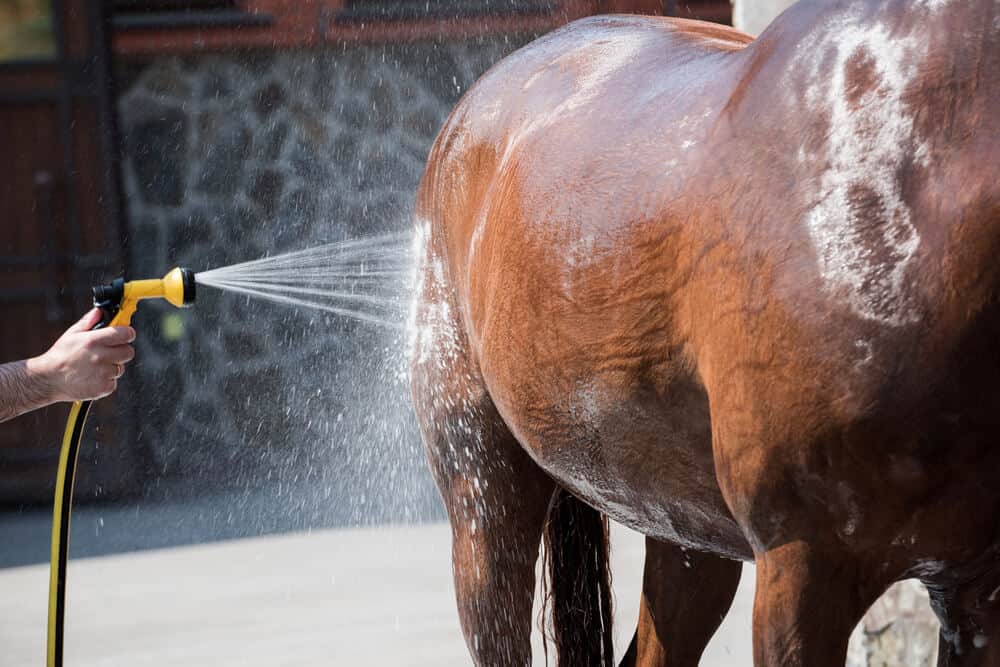
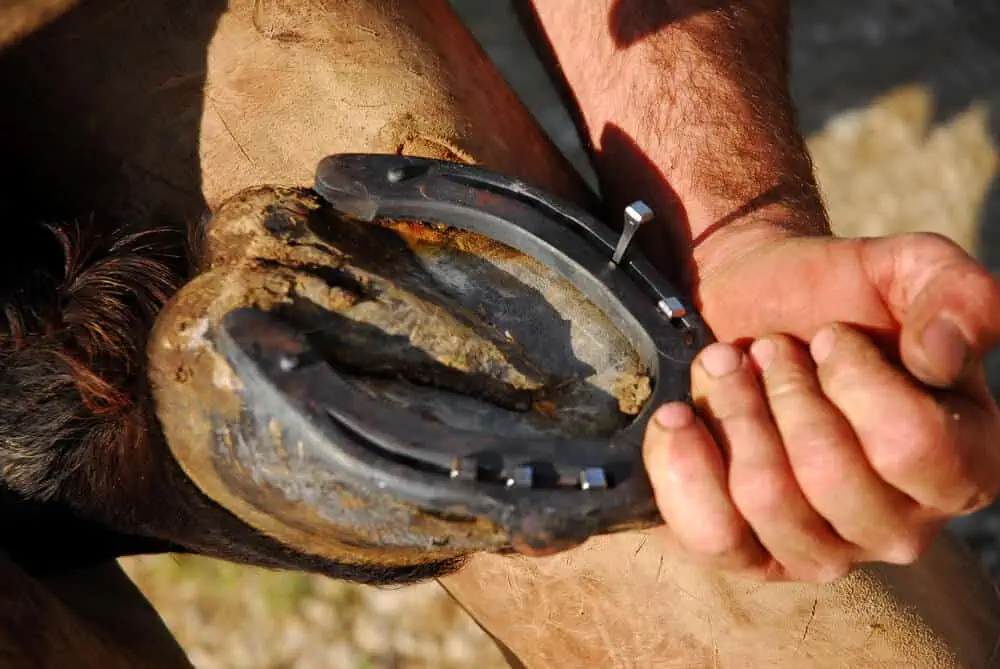
Regular grooming supports skin health and allows for checking injuries or irritations. Hoof care is critical; hooves should be cleaned and inspected daily to prevent conditions like thrush.
Routine veterinary care includes vaccinations and parasite control. Dental care ensures horses are not in discomfort while eating. Ensuring access to fresh water and shelter from harsh weather keeps horses safe and healthy.
Developing a consistent care routine facilitates recognising any changes in behaviour or appearance that might indicate health problems.
Riding Disciplines and Sport
This section explores the fascinating world of horse riding, covering unique disciplines and styles. From Western riding events to English equestrian pursuits, there is a diverse range of activities tailored for both competition and leisure.

Western Riding Styles
Western pleasure is notable for its relaxing three-beat gait where a horse moves smoothly in a quiet and controlled manner, impressing judges with its calm appearance. Then there’s barrel racing, a fast-paced sport that combines speed and agility, challenging riders and horses to navigate a cloverleaf pattern around barrels. Riders often participate in these events at horse shows to showcase their skills and training.
The western style of riding is rooted in the traditions of working cowboys. It features a deep-seated saddle to provide stability and support for long hours of riding. The connection between horse and rider in a western setting is both practical and elegant, fostering a strong partnership that’s essential for specific events.
English Riding Disciplines
English riding disciplines are varied and tailored to rider skills and horse capabilities. Hunter classes focus on a horse’s ability to jump a course with style and precision. These events emphasise smooth strides and grace over obstacles.
Equitation classes primarily judge the rider’s posture and control over the horse, requiring them to demonstrate mastery over complex routines. One exciting discipline within this category is cross country, part of competitive sports like eventing. It involves riding over varied terrain with natural obstacles, testing endurance and skill outside a traditional show ring.
English riders often prepare for many types of events, aiming for excellence in both speed and finesse.
Other Equestrian Activities
Equestrian sports extend to activities beyond the traditional competitive arena. Safari rides provide a unique experience where riders can enjoy the beauty of nature on horseback, often in exotic locations with professional guides ensuring safety and adventure.

These rides allow equestrians to explore landscapes that are often inaccessible by other means, offering both a scenic escape and a chance to deepen the bond with their horse. For those seeking diverse challenges, engaging in alternative equestrian activities can be both rewarding and enjoyable, enhancing their riding repertoire.
Understanding Equestrian Terminology
In the world of horse riding, a grasp of specific equestrian terms is essential. These terms are used in various aspects like training, equipment, and horse expressions, each playing a crucial role for effective riders.
Riding and Training Terms
When it comes to riding lessons, understanding terms such as canter, trot, and gallop helps riders communicate clearly with their instructors. These terms describe different gaits, with the canter being a three-beat speed and the gallop a four-beat, fast-paced movement.
An effective rider must also know the basic aids—signals given to the horse through the use of legs, hands, voice, and weight. Concepts like half-halt, a subtle way to rebalance a horse, are vital in advanced riding lessons. Mastery of these terms helps riders become more in sync with their equine partners.
Tack and Equipment Jargon
Tack and equipment jargon offers insight into the tools that bridge the rider-horse partnership. Saddles are a common way of providing comfort and control, and stirrups are attachments used to support a rider’s feet. Bridles, made up of reins, a bit, and headgear, help guide the horse.
Riders often refer to their equipment using specific terms such as girth, which keeps the saddle in place, and martingale, a device helping control head carriage. Understanding these terms is key to proper horse care and improving the rider’s technique.
Horse-Related Expressions
Horse-related expressions develop from the relationship between rider pairs and their horses. Terms like wild horse refer to untamed, free-roaming horses, while on the rail describes keeping a horse close to the outer edge of an arena during training.

The phrase at grass indicates a horse primarily grazes in the field, which is crucial for those looking to understand equestrian lifestyle choices. These expressions, often found in a glossary of equestrian terms, enrich the rider’s vocabulary and deepen their connection with the equestrian world.
The Horse Community
I love the horse community. It’s a vibrant network of individuals connected by their passion for everything equine! It encompasses a diverse range of people, from seasoned horse owners to novice riders exploring the world of horses.
Equestrian Culture
Equestrian culture holds a rich tapestry of traditions and customs. Originating from the American West, it has evolved into a global phenomenon. This culture encompasses not only competitive events like dressage and show jumping but also leisure activities such as trail riding.
Riding instructors play a significant role in preserving these traditions and facilitating knowledge transfer. They guide riders in understanding the nuances of horse behaviour and proper care. Whether at a local herd area or an arena, these events and activities foster a sense of belonging and camaraderie among participants.
Horse Owners and Enthusiasts
Horse owners are the heart of the horse community. Responsible for the care and wellbeing of their animals, they invest time and resources into understanding their horses’ needs. This group includes everyone from those with large stables to individuals with a single horse.
Novice riders often seek guidance from more experienced enthusiasts. Friendly advice on topics like feeding, grooming, and training can strengthen the bond between humans and their equine companions.
Horse lovers frequently attend events, workshops, and fairs to deepen their knowledge and connect with like-minded individuals. It’s in these interactions that lifelong friendships are forged, creating a supportive and thriving community.