

Mindful consumption has gained momentum as a consumer philosophy since the beginning of the pandemic. This has led to the growth of sustainable fashion and the need for growing awareness among consumers.
Fast fashion is known to churn out cheap, disposable clothing year after year often ending up in landfills and contributing to environmental pollution. Eco-friendly fashion, on the other hand, is a meaningful and sustainable way to counter the negative impacts of fast fashion.
At a time when sustainability is making considerable headway in lowering carbon footprints and using textile innovation to create eco-friendly fabrics, choosing to have an eco-friendly wardrobe is a great way to practice mindful consumption. Making fashion-conscious choices that support our planet’s welfare is suddenly in vogue again!
In this article, we explore 5 simple and effective ways to make your wardrobe eco-friendly!
1. The Importance of Choosing the Right Fabrics
Fast-fashion brands are notorious for using synthetic materials created by fossil fuels and unsustainable manufacturing processes. Synthetic fabrics are often treated with harsh chemicals that harm the environment and your body. Some of these clothes don’t last beyond two wash cycles and release microplastics, contributing to water pollution.
In contrast, eco-friendly brands generally use natural fabrics that are less labour-intensive, use sustainable production processes, and contribute to a lower carbon footprint.
You’ll be spoilt for choice when it comes to finding clothing made from organic fabrics as sustainable fashion brands are having a moment. Creating an eco-friendly wardrobe by shopping from sustainable brands allows you to spend your hard-earned money on high-quality clothing items built to last.
2. Look for Certifications
Eco-friendly fashion is growing in popularity and prominence among the consumer-conscious Gen-Z and the future of sustainable fashion looks promising. However, consumers need to be aware of greenwashing, a marketing ploy brands employ to mislead consumers about their environment-friendly policies and commitments.
Eco-friendly textile certifications lend brands credibility. Sustainable fashion brands often use certifications like the Global Organic Textile Standard (GOTS) and OEKO-TEX Standard 100. This assures consumers of product quality and certifies a brand’s use of sustainable production processes and eco-friendly fabrics.
Whether shopping for sustainable outwear or organic underwear for women, look for brands that use GOTS-certified materials. When you shop from GOTS-certified brands, you ensure your wardrobe stays free of clothing treated with harsh chemicals, is environmentally friendly, and is of high quality.
3. Quality Over Quantity
Imagine a wardrobe curated with high-quality fashion pieces you love that truly capture your essence and style! It is possible to create a dream wardrobe without breaking the bank! By shopping for organic, ethically sourced clothing items, you create a unique and personalised wardrobe that is good for you and the environment! Capsule wardrobes are a great way to do this.
Take a look at your favourite clothing pieces and pick the ones that suit you the best in terms of style, fit and design. This can help you determine your personal style preferences and help curate your wardrobe better.
Consider using colour theory or seasonal colour palettes to find your best colours. Want to make your eco-friendly wardrobe inclusive and appropriate for all seasons? Use flattering neutrals to add the perfect finishing touch.
4. Second Hand & Thrift Shopping
Second-hand shopping giant, Vestaire Collective’s growing popularity made second-hand shopping for luxury goods and pre-owned items more accessible. Shopping secondhand has its benefits. It allows consumers to make conscious choices, have budget-friendly options, find unique styles and rediscover trends! This contributes to lowering carbon footprints and reduces the demand for new clothes.
It’s also a great way to find vintage pieces and one-of-a-kind collectibles while promoting eco-friendly values. Many online platforms offer second-hand shopping. You can find statement pieces at much lower prices, making it a pocket-friendly and eco-friendly alternative.
Thrift stores also sell second-hand goods and are an excellent option to find a good bargain. However, unlike second-hand stores that sell clothes for a profit, thrift stores sell clothing to raise funds for charity and support the local community. Thrift shopping allows you to create a meaningful impact with your consumer choices while also finding unique items for your wardrobe.
5. Caring for Your Clothes & Ways to Dispose
Eco-friendly clothing is planet-friendly clothing that is designed to last. Using organic and natural materials often fulfils this objective. However, as conscious consumers, there is more to creating an eco-friendly wardrobe than buying from sustainable brands. It also extends to how you take care of your clothes!
Organic fabrics are often gentle and require much care to ensure their longevity. Using energy-efficient wash routines can help extend the wear of your favourite pieces and reduce energy consumption. For example, consider line drying instead of using a dry cycle on your washer. Or consider washing your clothes only after 3 wears per piece to preserve quality.
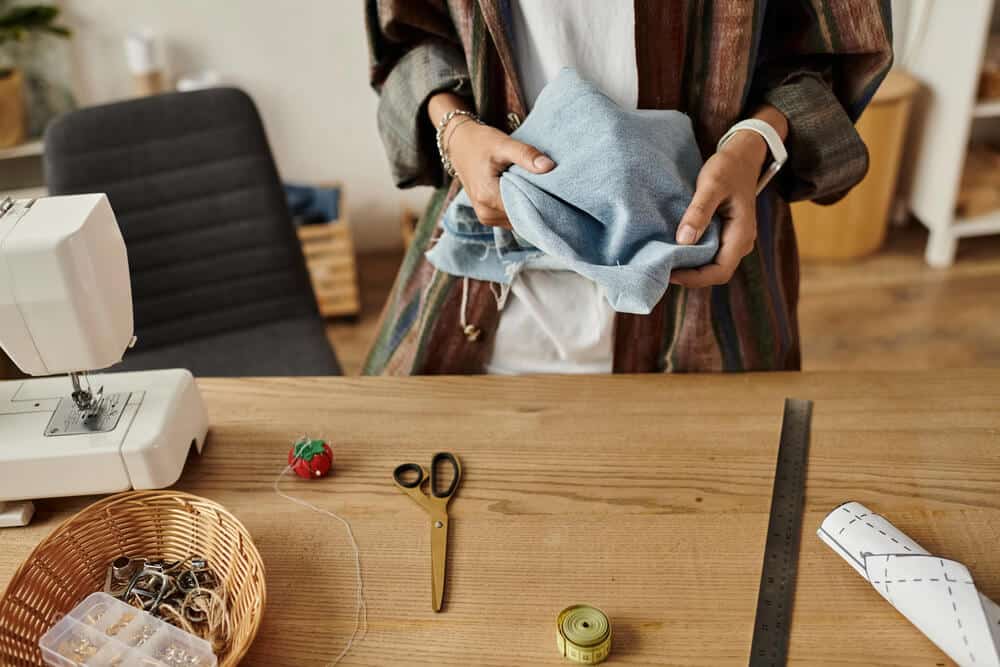
Need a wardrobe refresh? Consider recycling or upcycling your clothes instead of disposing them as garbage. Disposed clothes often end up in landfills when they can be reused. Upcycled fashion uses old clothes to create new fashion pieces. This minimises waste and helps give old clothes new life!
Conclusion
While creating and shopping for an eco-friendly wardrobe is a great way to enter the world of fashion sustainability, it’s important to remember that reusing your existing clothes is still your best option.
Get creative, upcycle your favourite pieces, mix and match outfits and don’t be shy of being an outfit repeater!
You can also participate in meaningful consumerism by thrift shopping and considering second-hand alternatives to support your local community. This way, you get to enjoy what you wear and curate an eco-friendly and budget-friendly wardrobe.