
People and families are getting a lot more energy-conscious nowadays. For some, the rising prices of our essential utilities are putting some strain on the budget, while others are more concerned about the impact on the environment. Whatever the case is for you, you can potentially save a lot of energy and money by finding those biggest drains lurking in your home and taking the following steps to address them.
Poor Pipe Insulation
If your pipes don’t have insulation that they need, then they can be a surprising source of energy loss, especially in the colder months. Hot water loses heat as it travels through exposed pipes, meaning your system has to work harder to maintain the temperature as you want, increasing your water bills and making your system less efficient in general. Pipes in unheated areas like lofts, basements, garages, or outdoors are most susceptible. It also makes them more prone to bursting if temperatures reach freezing levels, which can be hugely expensive to repair, giving you even more incentive to wrap your pipes up. Better insulation in general makes the home a lot easier to heat in those colder months.
Inefficient Appliances
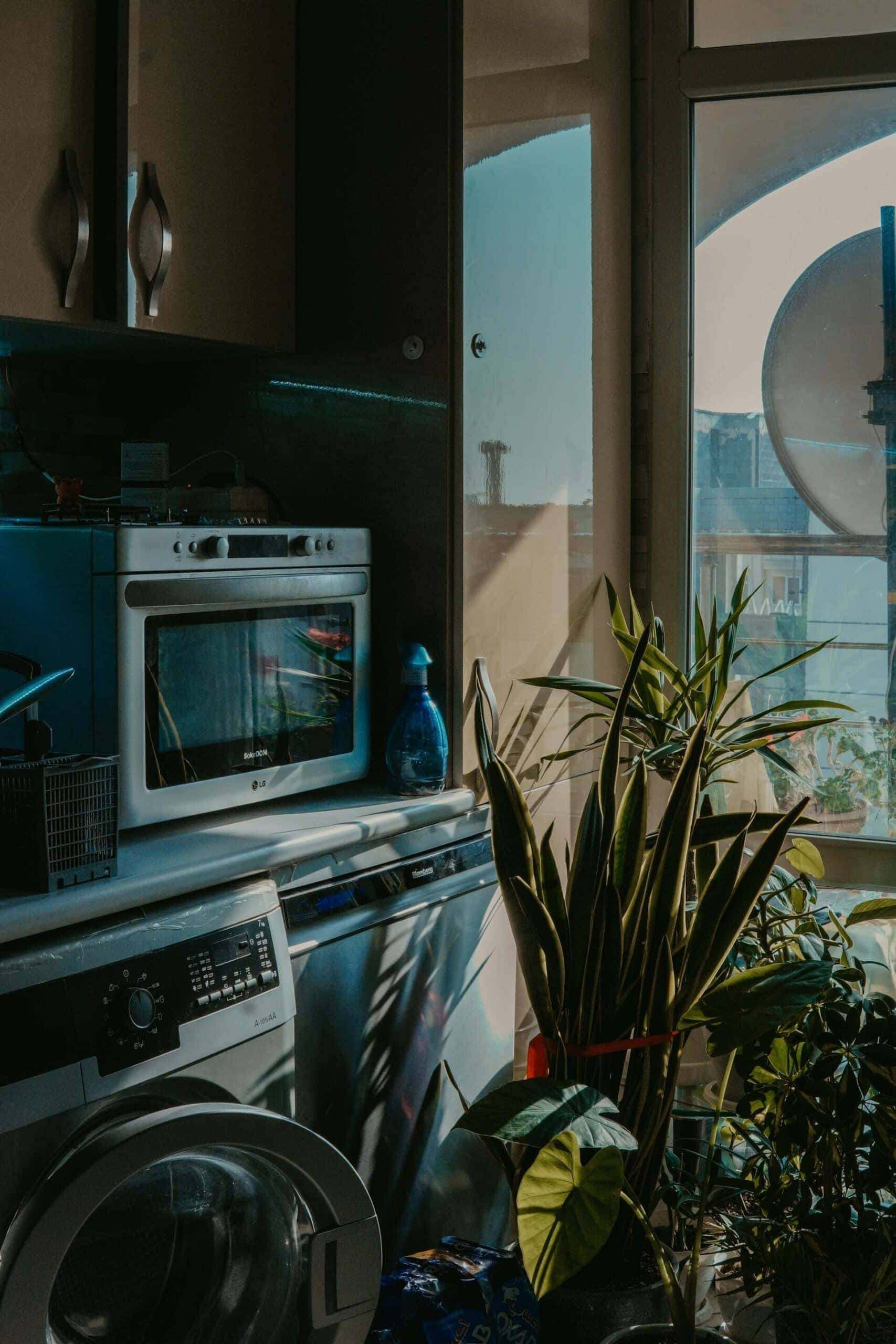
Although they might seem relatively small compared to your home’s entire hot water plumbing, your major appliances can be a huge energy drain if they’ve outstayed their welcome. Fridges, washing machines, and dishwashers that lack modern energy ratings often use significantly more electricity than newer models. Even if they still work, they’re going to cost more and more to run as time goes on. Upgrading to appliances with better energy efficiency ratings can help you reduce your energy consumption and lower bills over time . They can also reduce how frequently you need to repair those appliances, which can make a difference in your budget, too.
Outdated Water Heaters
Even more impactful than an outdated fridge or washing machine is a water heater, as it’s one of the largest consumers of energy in the whole home. Traditional systems that heat water continuously can lead to unnecessary waste, which only gets worse as they get older. Upgrading to heat pumps, which use ambient air to heat water, can make your home much more energy-efficient, which can also lead to big savings down the line. It might not be too long before you recoup the costs of installation.
Draughts And Poor Sealing
As mentioned, insulation makes it easier to keep the home warm, but there are a few spots, in particular, where gaps are more likely to open, and heat transfer can happen much more rapidly. Gaps around doors and windows can lead to higher energy bills in both winter and summer, as the AC needs to work harder to keep temperatures cool when the hot air is able to more easily make its way inside the home. Sealing gaps with weatherstripping, draught excluders, or sealant is a quick and affordable fix. Double-glazing windows is a longer-term solution, but also one that might have more of a direct impact.
Making the changes above can vastly improve the long-term energy efficiency and cost-effectiveness of living in your home. A little investment now can mean significant long-term returns.