
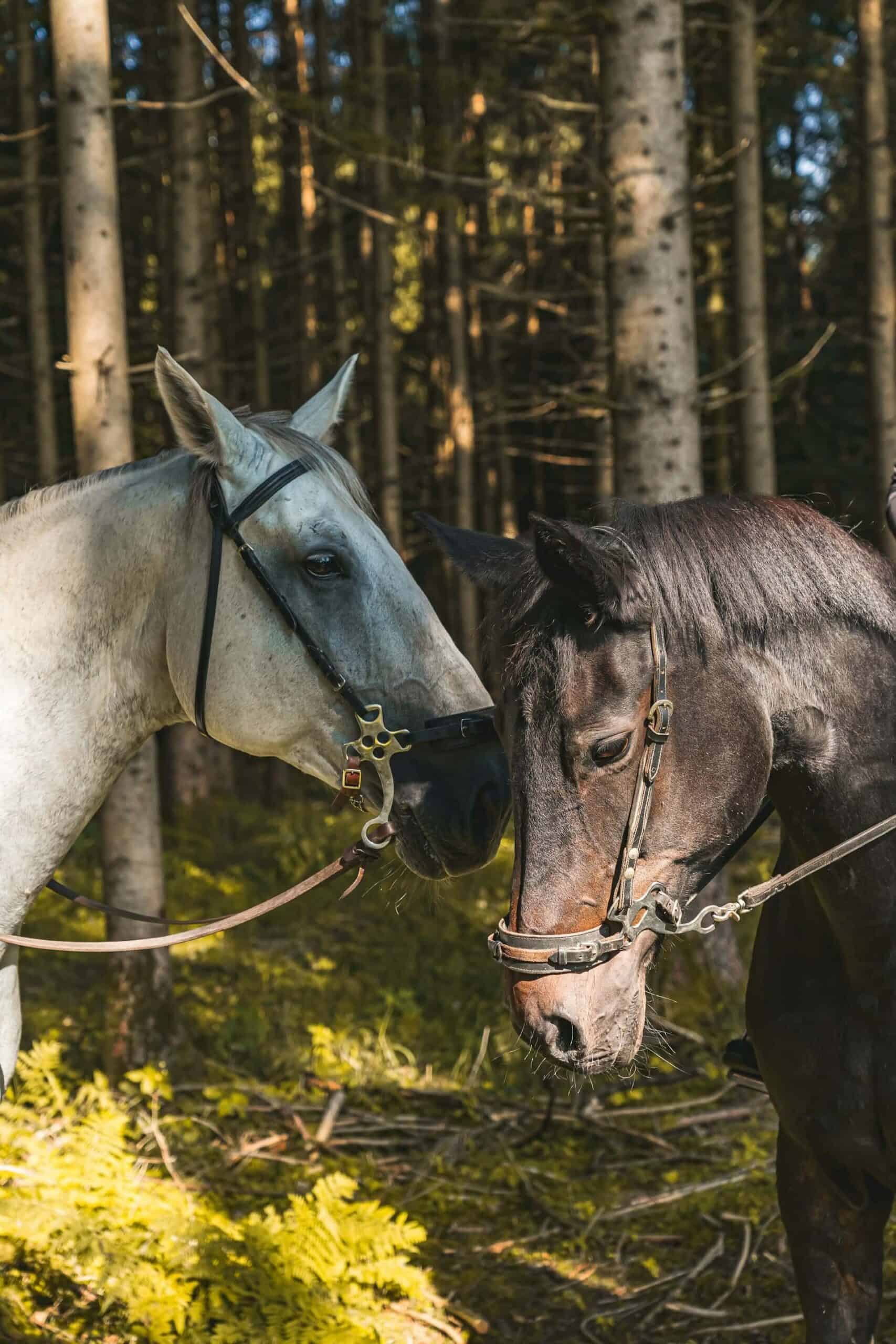
Selecting the best name for a horse is a significant decision for owners and breeders. German horse names are especially revered for their depth and connection to the horse’s history and characteristics. These names often reflect the horse’s strength, beauty, and unique traits. The practice of giving horses German names is not solely reserved for breeds originating from Germany, such as the Hanoverian or the Holsteiner, but is a favoured tradition among horse enthusiasts around the world.

German names carry with them a sense of heritage and tradition. The German language is known for its compound words and meaningful nouns, providing a rich source of inspiration. Names can pay homage to a horse’s lineage, draw from Germanic mythology, or simply mirror terms from nature and the arts. Understanding the meanings behind these names can create an even greater connection between the horse and its name.
Horse owners may choose a great name to honour a horse’s breed or to celebrate the qualities they admire in their equine companion. Naming a horse involves both cultural respect and a personal touch, reflecting the thoughtful consideration that goes into this significant aspect of horse ownership. Whether inspired by German landmarks, historical figures, or the language’s descriptive words, each name holds a story — a fitting tribute to the majestic nature of the animal it represents. I hope this article helps horse lovers to find a unique name and also the perfect name for their beautiful horse.
Historical Significance of German Horse Names
German horse names carry a rich tapestry of history and cultural significance, each reflecting the traditions and values important to German-speaking communities.
Historic Naming Traditions
In Germany, naming a horse is not just a practical label; it is a symbolic gesture steeped in history. They often chose names representing a horse’s characteristics, heritage, or aspirations of the owner for the horse. For example, the name Alfred, meaning “counsellor”, might be bestowed upon a horse known for a calm and wise temperament. During various historical periods, it was common for German horses to receive names that would imbue them with power and valour, such as Semra, meaning “dark beauty”, or Delmira, translating to “protector” – a bold name.
Cultural Influences
The influence of the German language is evident in the way horses have been named, often reflecting the nation’s values of strength, courage, and beauty. Names like Keene, which means “sharp”, and Waldo, meaning “ruler”, demonstrate the importance of wit and leadership. Similarly, Gerhardina, translating to “mighty with a spear”, indicates a deep respect for combat prowess and martial skill. The cultural landscape of Germany, which values literature and deep thought, is also present in names derived from natural elements and philosophical concepts, manifesting a link between the horse and the surrounding world.

Naming Conventions and Meanings
In the rich tapestry of equine heritage, meaningful names of German horses often carry significant weight, reflecting both pedigree and gender while embodying deep meanings that are cherished by equestrians.
Impact of Pedigree
The lineage of a horse often inspires its name within the German tradition. Breeders may incorporate the names of successful ancestors or the stud from which a horse hails to signify its esteemed heritage. It is not uncommon for good horses of noteworthy pedigree to bear names that honour their lineage.
Gender-Specific Names
German naming conventions frequently distinguish between male and female horses—a practice that aids in identifying the horse’s gender at a glance. Male names can include monikers such as “Kaspar” (treasurer) or “Gerhard” (mighty with a spear), while female names might feature designations such as “Greta” (a precious gem) or “Freda” (peaceful ruler).
Meanings Behind the Names
The meanings attributed to German horse names are often steeped in qualities admired in horses, such as strength, nobility, and beauty. Owners may choose names like “Britta” (strength), “Lilli” (a type of flower), or “Alger” (noble) to reflect the characteristics they value or wish to see embodied in their horses.
Popular German Horse Names
German horse names often reflect the country’s culture, heritage, and affinity for horses. These names can range from modern favourites to venerable classics that have stood the test of time.
5 German Cute Horse Names – also great female horse names and a first horse name!
- Knuddel: Cuddle
- Schnucki: Sweety
- Herzchen: Sweetheart
- Schätzchen: Baby, honey
- Flauschi: Fluffy
Contemporary Favourites
Contemporary unique horse names draw inspiration from various sources including nature, characteristics, and modern times. They are memorable and have a stylish ring to them. Here is a selection of modern German names:
- Dagmar: Famous
- Semra: Dark Beauty
- Alfred: Counsellor
- Adolph: Noble Wolf
- Anja: From a German Mountaineer
Time-Honoured Classics
In contrast to contemporary names, time-honoured classics have been in use for generations and are deeply rooted in German culture and history. They often carry powerful meanings and are chosen to represent the horse’s strength, spirit, or lineage. Here are several classic German names that have been cherished over the years:
- Albert: White
- Adelbert: Noble and bright
- Wilhelm: Determined protector
- Gertrud: Strong spear
Names like these have been echoed in stables and fields throughout Germany, solidifying their place in equestrian tradition.

Regional Variations in Names
German horse names often reflect the regional linguistic and cultural influences throughout Germany. Specific names may be favoured in the north, reflecting the landscape and history, while the south may have its own unique set of names that resonate with its traditions and dialects.
Northern Germany Names
In the northern regions of Germany, horse names may sometimes be inspired by the stark, coastal geography. Names such as Hauke, meaning “mindful”, and Frieda, meaning “peace”, are reflective of the North Germanic linguistic roots. Short, strong names are favoured here, often denoting traits such as strength and resilience.
Southern Germany Names
Moving to the southern parts of Germany, one may find horse names that carry distinct features of the Alpine landscape, beautiful mountains and closer ties to the Bavarian and Swabian cultures. Names like Edelweiss after the treasured Alpine flower, or Albrecht, meaning “noble, bright”, are commonly adopted. This region often favours names that reflect the richness of the forests and mountains, or that carry a touch of nobility and history and are a completely fitting name.
The German Equestrian Community
The German equestrian community has a profound influence on global horse sports and breeding, with a rich tradition of naming that correlates tightly with its pedigree and achievements.
Equestrian Sporting Culture
Germany stands out for its illustrious history in equestrian sports. It’s home to a vast array of competitions, ranging from show jumping, dressage, and eventing to more traditional disciplines such as vaulting and driving. Notably, Germany’s dressage teams have consistently achieved international acclaim, a testament to the high standards of equestrian excellence within the community. Their horse show names are fitting with the horse breeds.
German Dressage Horses Names
- Majestätisch: Majestic
- Franziskus: Francis
- Eleganzia: Elegance
- Adagio: Slow music, graceful
- Magnifikant: Magnificent
Racehorse Names
- Blitzschnell: Lightning fast
- Feuersturm: Firestorm
- Donnerwetter: Thunderstorm
- Krieger: Warrior
- Siegesrausch: Victory Rush
German Show Horses Names
- Schönheit: Beauty
- Adette: Sweet and Noble
- Königlicher Glanz: Royal Splendor
- Edelweiss: The Alpine Star
- Goldene Rose: Golden Rose
Breeders and Naming Trends
German breeders are renowned for their methodical approach to horse breeding, focusing on strong bloodlines, temperament, and physical prowess. The naming of a German horse breed often follows traditional guidelines—incorporating elements from the horse’s lineage, characteristics, or breeder’s names. Names frequently carry meanings that reflect strength, beauty, and other desirable equine traits. For instance:
- Strength and Valour: Names like Gerhardina (mighty with a spear) and Bernard (brave) embody fortitude.
- Grace and Elegance: Annike (grace or graceful) and Kiera (dark beauty) highlight aesthetic attributes.
These naming conventions not only serve as a nod to the horse’s lineage but also to the expectations placed upon them within the competitive equestrian arena.
Naming Ceremonies and Traditions
In Germany, the practice of naming horses is steeped in tradition and often reflects the strong cultural heritage. When it comes to naming ceremonies, they are typically more prevalent within breeding facilities and competitive stables, where the lineage and legacy of a horse are paramount.
Traditionally, new foals are given names that start with the same letter as the dam’s (mother’s) or sire’s (father’s) name, depending on the particular breeding customs of the stud. This practice allows breeders and enthusiasts to trace the pedigree and breed lines easily.
Common Themes:
- Heritage: Many owners prefer names that honour the horse’s lineage or the breed’s origin.
- Characteristics: Descriptive names that capture the essence of the horse’s physique or temperament.
- Aspirations: Names that embody the hopes for the horse’s future success in competition or breeding.
In competitive realms, the naming ceremony might coincide with the horse’s initial registration into studbooks. Here, carefully chosen names are often celebrated in a formal setting among peers.
Documentation:
- Studbook Entry: A crucial step, where the name becomes a formal part of the horse’s registered identity.
- Passport Issuance: The horse’s name, alongside other vital details, is recorded in a passport required for competition and travel.
Horse naming is taken seriously and is a proud moment for owners, as it sets the stage for the animal’s identity and potential legacy. The name often reflects the hopes and the respect they hold for the equestrian tradition.
Factors Influencing Name Choices
When selecting names for their horses, owners often consider personal tastes and the animal’s pedigree. These elements play a significant role in the choice of a fitting and meaningful name.
Owner Preferences
Owners’ personal preferences are paramount in naming horses. They may choose names that reflect their interests or values, such as Kaspar, meaning ‘treasurer’, or Susser, translating to ‘sweet’. Some may opt for names with cultural significance or those that resonate on a personal level, like Anja, associated with German mountaineers, or Greta, which means ‘a precious or rare gem’.
- Cultural Influence: Names like Lilli (a type of flower) or Gerhardina (‘mighty with a spear’) have roots in German traditions and mythology.
- Aesthetic Appeal: Names such as Bertina (‘bright and illuminated’) or Ozzy (‘divine spear’) are chosen for their pleasing sound or visual imagery.
Breeding Lineage Influences
The horse’s pedigree often guides the naming process, especially for breeds with deep German heritage. Owners might select names that honour the horse’s lineage or traits commonly found within the breed.
- Lineage Names: For a horse of notable ancestry, names can pay homage to its forebears, such as Adawolf, meaning ‘noble wolf’, or Leonard, signifying ‘bold as a lion’.
- Characteristic Names: Names like Stein (‘stone’) or Wald (‘forest’) may be chosen to reflect the breed’s strength and connection to nature. Florian, denoting ‘blooming’, for a horse with a vibrant personality is a popular name.
Influence of German Horse Names Abroad
The impact of German horse names abroad is evident through various equestrian disciplines and breeding practices. These names often carry meanings that reflect the horse’s characteristics, lineage, or the breeders’ affinity for German culture. Abroad, particularly in English-speaking countries, enthusiasts and professionals alike adopt German names for their horses as a nod to the animal’s heritage or breed, such as the revered Hanoverian or the Trakehner.
Equestrians may choose a German name to signify the horse’s attributes, such as Keene (sharp) for a horse with acute alertness or Donna (dark one) for a horse with a dark coat. Display of German nomenclature is prominent in international competitions, where names like Ryker (rich) and Semra (dark beauty) are often heard, denoting not only the horse’s appearance but also its prowess and pedigree.
German-inspired horse names also hold significance in literature and media, where they can be seen in fictional pieces to evoke a certain authenticity or cultural flavour. This linguistic borrowing showcases the adaptable and universal nature of the equestrian community, where the appreciation of a breed’s origin is as important as its performance.
The following table illustrates examples of German horse names and their typical use abroad:
| German Name | Meaning | Context of Use |
|---|---|---|
| Dagmar | Famous | For horses with notable lineage |
| Greta | Precious gem | For horses of distinguished beauty |
| Florian | Blooming | For young, promising horses |
| Erde | Earth | For horses with a strong, grounded presence |
This cross-cultural adoption enhances the global equestrian tapestry, weaving German linguistic threads into the fabric of international horse naming conventions.
List of 100 German Horse Names
Here is a list of German horse names derived from various sources, including those that have meanings related to strength, nature, and a horse’s personality:
1. Adalard – courageous
2. Alaric – leader
3. Egon – fiery
4. Emery – brave
5. Gunther – warrior
6. Hardy – brave, strong
7. Valentin – strong heart
8. Griswold – grey forest
9. Donner – thunder
10. Wolfgang – path of the wolf
11. Magda – meaning high tower
12. Arnold
13. Berlin
14. Birdie
15. Henrietta
16. Randolph
17. Robby
18. Rolf – famous wolf
19. Sigrid – beautiful victory
20. Udo – child of peace
21. Volker – people’s guard
22. Waldemar – famous ruler
23. Wilfred – desiring peace
24. Xander – defender of man
25. Yorick – farmer
26. Zarla – princess
27. Adler – eagle
28. Blitz – lightning
29. Falk – falcon
30. Fels – rock
31. Hertz – heart
32. Kaiser – emperor
33. Luchs – lynx
34. Macht – power
35. Nebel – fog
36. Odin – mythological god
37. Quell – spring, source
38. Ritter – knight
39. Stark – strong
40. Trutz – defiance
41. Ulrich – noble leader
42. Veit – life
43. Wotan – raging
44. Zorn – anger
45. Anselm – helmet of God
46. Bernd – brave as a bear
47. Claus – victory of the people
48. Detlef – heritage of the people
49. Erwin – a friend of the sea
50. Fritz – peaceful ruler
51. Gustav – staff of the Goths
52. Helmut – courage
53. Ingolf – wolf of the god Ing
54. Jochen – established by God
55. Klaus – people’s victory
56. Lorenz – laurel-crowned
57. Manfred – man of peace
58. Norbert – north bright
59. Ortwin – friend from the point
60. Pascal – born at Easter
61. Reinhard – brave counsel
62. Siegfried – victorious peace
63. Theobald – bold people
64. Ulf – wolf
65. Volkmar – famous people
66. Wendel – wanderer
67. Axel – father of peace
68. Bjorn – bear
69. Dankrad – thankful advice
70. Eberhard – strong as a boar
71. Falko – falcon
72. Gerrit – strong with the spear
73. Hartwin – strong friend
74. Imke – universal
75. Jost – just or fair
76. Knut – knot
77. Leopold – bold leader
78. Meinhard – firm and strong
79. Niklas – victorious people
80. Ottmar – prosperous in battle
81. Peer – rock
82. Quirin – spear
83. Ralf – wolf counsel
84. Sören – stern
85. Thorsten – Thor’s stone
86. Uwe – universal ruler
87. Volkhard – people’s strength
88. Waldo – to rule
89. Yannick – God is gracious
90. Zelig – blessed one
91. Ansgar – spear of God
92. Barthold – bright ruler
93. Cord – bold or wise
94. Dankward – guardian of thought
95. Elke – noble
96. Friedhelm – peaceful helmet
97. Gernot – need, want
98. Hagen – enclosed pasture
99. Irmin – whole, immense
100. Jürgen – farmer
I hope this post has helped you to choose a German horse name for your beautiful best friend. If you have any more ideas for names, I would love to hear them!
Frequently Asked Questions
When selecting a name for a horse with German heritage, one considers tradition, meaning, and the distinct character of the animal. These frequently asked questions aim to assist in finding an apt moniker that speaks to the lineage and personality of these noble equines.
What are some unique names for German geldings?
For a German gelding, one might choose “Ryker,” which signifies richness, or “Jaeger,” meaning hunter. These names carry strong connotations and are quite distinctive among geldings.
Can you suggest some elegant names for female horses with German origins?
“Elegant names for mares often have graceful connotations, such as “Annike,” which means grace, or “Greta,” indicating a precious gem. These names bestow a sense of refined beauty upon female horses.
Could you list a few renowned horses from Germany?
Germany has produced several notable horses, particularly in the field of dressage. One prime example is “Rembrandt,” a distinguished dressage horse who made a mark in international competitions.
What are some distinct show names suitable for German equine breeds?
Show names often capture the essence of a horse’s spirit. “Hulda,” meaning sweet, or “Siegfried,” connoting victorious peace, are fitting for horses that demonstrate a regal demeanour.
Could you provide examples of rare names for horses that have a Germanic flavour?
Rare names that resonate with Germanic heritage include “Adawolf,” meaning noble wolf, or “Leonard,” signifying as bold as a lion. These rare names reflect the profound history and characteristics associated with German culture.
What are considered cool and fitting names for horses in equestrian circles?
In equestrian circles, cool names like “Ozzy,” which translates to divine spear, or “Keene,” meaning sharp, are considered hip and fitting choices for horses due to their strong and vibrant imagery.