
In a nutshell, the advantages of engineered wood flooring include better durability, longer lifespan, higher resilience and lower maintenance costs. This can make it the ideal choice for high moisture areas such as kitchens and bathrooms. The quantity of engineered wood flooring is also very much in demand because it has been developed specifically to suit a variety of applications.
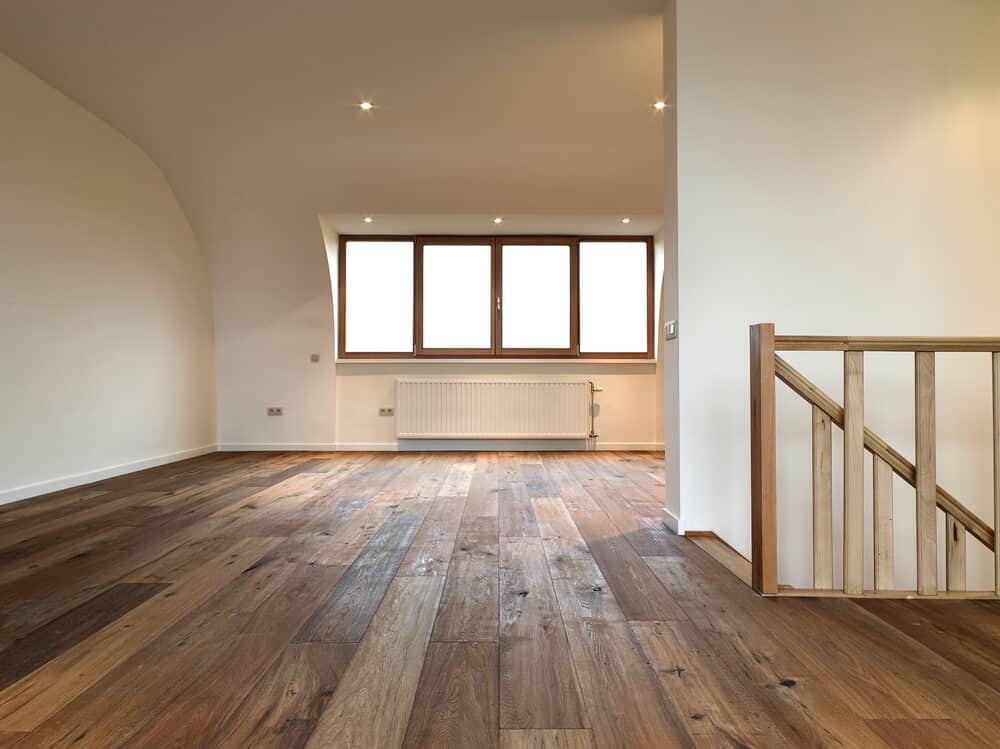
But first here is some information about engineered wood flooring, to help you decide if it’s the right flooring for you.
What is Engineered Wood Flooring Made Of?
Engineered wood flooring is made of multiple layers of wood, with the top layer being real wood. It can be up to 12 layers of plywood, which are layered in a crisscrossed design, and then glued and pressed together. This is before the real wood top is added.
The combination of these materials in this way ensures the highest level of stability in high moisture areas such as kitchens and bathrooms. If you live in a home with a humidity or temperature fluctuation this is ideal modern flooring. And it is perfect for underfloor heating.
The materials used to manufacture engineered wood flooring are also far more durable than solid wood due to their polymeric character.

Costs/affordability
Engineered wood floors are very affordable and come in a wide variety of finishes, textures, and densities. They are typically much cheaper than solid wood floors and often cost less than a comparable matted hardwood floor. An 18Mm Engineered Oak Flooring is cheaper than its solid hardwood twin because it can be produced in much greater quantities.
Is Engineered Wood Flooring a Sustainable Choice?
Engineered wood flooring maintains its appearance for many years due to its long lifespan so long as it is looked after. Whereas carpet can easily wear out after just a few years and will need replacing more often.
Yes, it’s a sustainable choice. Engineered wood flooring will last at least 20-30 years if well maintained, unlike carpet which will need replacing much more often.
It can withstand higher levels of foot traffic and is, therefore, able to resist the wear and tear of everyday use.
Engineered wood flooring is considered superior to solid wood floors because it is stronger in terms of resisting natural forces and other forces on top of it (such as pressure from water) than solid wood floors are. Additionally, engineered wood floorings are lighter in weight and easier to move when fitting solid wood floors.
Is it easy to clean and maintain?
If you want to know how to clean engineered wood floors, then read on for my tips.
From experience, it is better to dry clean this type of flooring rather than wet clean with a mop and bucket. Vacuum on the hard floor setting or use a soft brush to clean up the crumbs and dust regularly. A microfibre cloth is ideal for giving it a wipe over as it will buff up the surface at the same time.
If you need to wipe up a spill or mud, then you can use a very well rung out mop. Use a combo of white vinegar in warm water (250 ml per 9 litres of water). This method is safe for the environment as well as your floor.

Engineered Hardwood Floor Installation
Engineered hardwood floor installation is a process that is done by professionals who know what they are doing. It is not a DIY project, so it requires technical knowledge of carpentry and construction.
Final Thoughts
To round it up, I’ve made checklists of the advantages and disadvantages of this type of flooring so you can decide if this flooring is for you and your home.
Advantages of Engineered Wood Flooring
- Less costly than solid timber floors
- Better for rooms with higher moisture and temperature fluctuations
- Difficult to tell the difference between solid wood floors and engineered wood floors
- It’s stylish and easy to maintain
- Can be used in conjunction with underfloor heating
- Installation can happen in various ways – nailed, screwed or glued
- Quick and easy to install with the click system
- It is structurally strong and able to withstand heavy foot traffic
Disadvantages of Engineered Wood Flooring
- This type of flooring can scratch easily, which can then be costly to fix. You would need to make sure that your furniture has rubber feet to prevent scratches.
- You would need to shop around for the best manufacturer, as there is a possibility of cheaper materials will be used to cut costs. The structure and longevity of the flooring are then compromised.
- It can most often be sanded and resurfaced only once due to the thickness of the top solid wood layer.